- Home
- Trend
- Weight Loss Strategies
- Acne Tips
- Hair Health Information
- Blemish Removal Tips
- Acne Scar Removal Tips
- Muscle Building Techniques
- Intimate Care Tips
- Postpartum Intimate Care
- Eye Bags Wiki
- Tips for Face Slimming
- Secret of Permanent Hair Removal
- Breast Enlargement Tips
- Cure to Snoring
- Marionette Lines
- Skin-Tightening Secrets

Sleep-based weight loss first gained popularity in Japan and has now been embraced by beauty enthusiasts across Asia, Europe, and the U.S. The most famous method is the 7:3:3 Sleep Weight Loss Method. This approach is widely discussed on platforms like Facebook and Instagram.

1. How Sleep-Based Weight Loss Works: 4 Key Mechanisms That Activate Nighttime Fat Burn
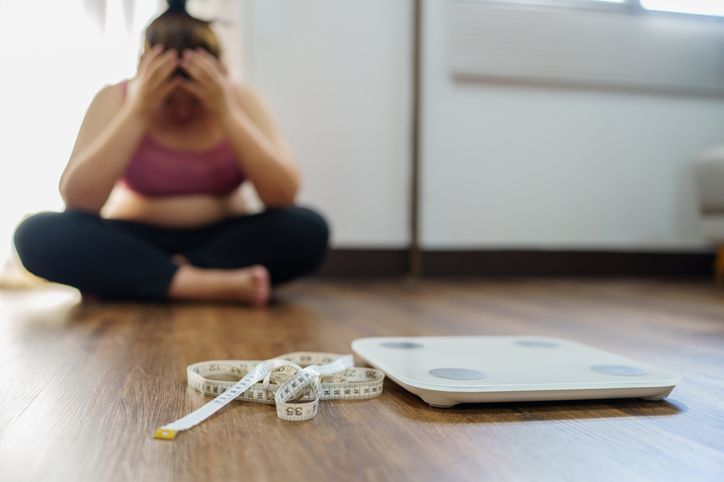
1. Appetite Regulation: Balancing Hunger and Satiety
• Leptin rises to control appetite: Deep sleep increases leptin, the hormone that signals fullness and naturally reduces food intake.
• Ghrelin spikes with sleep deprivation: Lack of sleep raises ghrelin, stimulating hunger, especially for sugary and fatty foods, leading to excess calorie intake.
2. Metabolic Function: Deep Sleep Boosts Metabolism
• Deep sleep increases calorie burn: Quality deep sleep triggers the body’s repair and fat-burning processes, raising metabolism and promoting fat breakdown—even at rest.
• Sleep deprivation slows metabolism: Without enough sleep, the body enters “energy-saving mode,” reducing calorie burn and encouraging fat storage.
3. Endocrine Regulation: Serotonin & Stress Hormones
• Serotonin stabilizes mood & appetite: Deep sleep enhances serotonin production, reducing stress-induced overeating and supporting self-control in diet.
• Cortisol spikes promote fat storage: Insufficient sleep increases cortisol, which encourages abdominal fat accumulation and muscle breakdown, lowering basal metabolic rate.
4. Muscle Repair & Fat-Burning Potential: Growth Hormone is Key
• Growth hormone released during sleep: Accelerates muscle repair and growth, increasing calorie consumption even at rest—ideal for fat loss.
• More muscle = higher metabolism: Muscle is a metabolic engine; more muscle means higher basal metabolism, supporting sustained fat burn.
2. 4 Sleep-Based Weight Loss Methods Recommended by Nutritionists
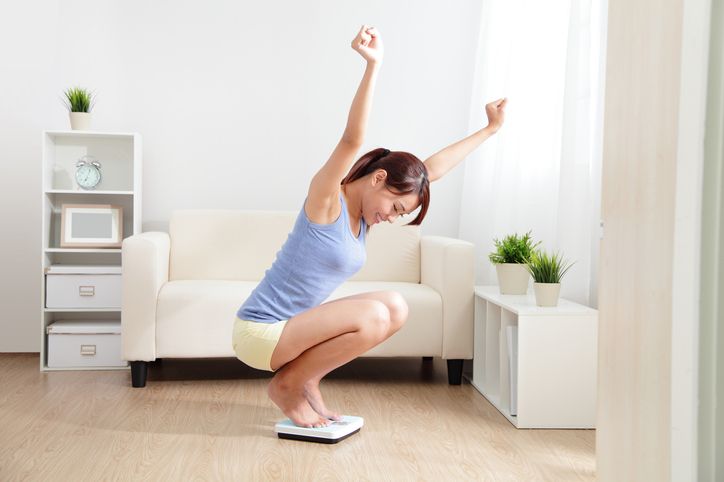
1. Melatonin-Balancing Method
Melatonin regulates the circadian rhythm and is closely linked to fat metabolism. Increasing melatonin before bed helps achieve deep sleep, improving repair and fat-burning efficiency.
Practice tips:
○ Avoid blue light after 9 PM (phones, TV)
○ Consume tryptophan-rich foods (milk, bananas) before bed
○ Dim lights to naturally stimulate melatonin production
2. Circadian Rhythm Synchronization (Consistent Sleep Schedule)
Irregular sleep disrupts appetite hormones. Maintaining a regular schedule reduces nighttime hunger and binge-eating urges, naturally aiding fat loss.
Practice tips:
○ Keep a consistent sleep/wake schedule, including weekends
○ Aim for 7–9 hours of sleep; avoid chronic sleep deprivation
○ Avoid late nights and inverted day-night patterns
3. Pre-Sleep Fasting (Empty-Stomach Sleep Method)
Eating right before bed impairs digestion and sleep quality, increasing fat storage. Fasting before sleep encourages the body to burn fat for energy.
Practice tips:
○ Allow at least 3 hours between dinner and sleep
○ Avoid high-sugar and high-fat foods at night
○ If hungry, have a small serving of unsweetened soy milk or milk
4. 7:3:3 Sleep Weight Loss Method (Dr. Keiko Sato)
The method emphasizes 7 hours of sleep + 3-hour gap between dinner and sleep + 3 normal meals, enhancing metabolism and preventing rebound weight gain.
Practice tips:
○ Sleep 7 hours to support body repair and hormone balance
○ Maintain a 3-hour interval between dinner and sleep for digestion
○ Eat 3 balanced meals without extreme restriction, stabilizing blood sugar and metabolism
免費體驗
S6 Body Sculpting Treatment
1 Minute Self-Registration
Date should not be before minimal date
3. 6 Steps to Create Your Personalized Sleep Weight-Loss Plan
1. Establish a Regular Schedule
• Set consistent sleep/wake times daily, including weekends
• Create a relaxing bedtime routine (reading, bath, soft music) to promote deep sleep
2. Optimize Sleep Environment
• Keep bedroom dark, quiet, and cool (18–20°C)
• Use blackout curtains, earplugs, or white-noise machines
• Choose a supportive mattress and pillow
3. Adjust Diet
• Avoid eating 3 hours before sleep, caffeine, alcohol, and high-sugar foods
• Include magnesium- and calcium-rich foods (nuts, leafy greens)
• Consume tryptophan-rich foods (milk, turkey) to support melatonin
4. Adopt Regular Exercise
• Exercise during the day or early evening; avoid intense activity right before bed
• Gentle stretches before sleep relax muscles and aid sleep
5. Manage Stress & Emotions
• Practice meditation, deep breathing, or yoga
• Release stress through journaling or talking with someone
6. Reduce Electronic Device Interference
• Avoid screens 1 hour before sleep
• Blue light suppresses melatonin, slowing sleep onset and reducing sleep depth
4. If Sleep-Based Weight Loss Isn’t Working, Try Perfect Medical S6 Body Sculpting
Nutritionist-recommended sleep methods may not meet everyone’s expectations. For pain-free, non-invasive, fully relaxing slimming, try Perfect Medical S6 Body Sculpting.
How it works: Medical-grade laser + vacuum suction breaks down stubborn fat, turning it into fatty acids that are naturally eliminated through the lymphatic system. No surgery, liposuction, or injections required.
Targets: belly, love handles, thighs, arms, hips, back. Achieve fast, effective body sculpting while lying down comfortably. Includes professional body analysis + S6 treatment.
Find Out More Here: Perfect Medical's S6 Body Sculpting Treatment免費體驗
S6 Body Sculpting Treatment
1 Minute Self-Registration
Date should not be before minimal date
FAQ

Does lack of sleep really make you gain weight?
Yes, insufficient sleep affects appetite, metabolism, and hormones, increasing fat gain risk.
How much sleep is enough?
Adults typically need 7–9 hours per night.
Can I use my phone before bed?
Avoid screens; blue light lowers sleep quality.
What foods help sleep?
Foods rich in tryptophan, magnesium, and calcium promote sleep.
Does sleep apnea affect weight loss?
Yes, poor sleep quality from sleep apnea can hinder fat loss.