- Home
- Trend
- Weight Loss Strategies
- Acne Tips
- Hair Health Information
- Blemish Removal Tips
- Acne Scar Removal Tips
- Muscle Building Techniques
- Intimate Care Tips
- Postpartum Intimate Care
- Eye Bags Wiki
- Tips for Face Slimming
- Secret of Permanent Hair Removal
- Breast Enlargement Tips
- Cure to Snoring
- Marionette Lines
- Skin-Tightening Secrets

Losing weight after giving birth is no easy feat — but did you know postpartum slimming actually begins before delivery? Experts say pregnant women should aim to keep weight gain within 20% of their pre-pregnancy weight. For example, if you weighed 60kg before pregnancy, you should ideally stay under 72kg. If you gain more than 14kg, getting back in shape afterward becomes much more difficult.
In this post, we’ll break down 8 celebrity-approved postpartum weight-loss strategies and 4 key diet tips. No intense workouts required — some women managed to regain their pre-baby body within just 2 months!

Postpartum Weight Loss Starts Before Birth: Keep Weight Gain Under 20%
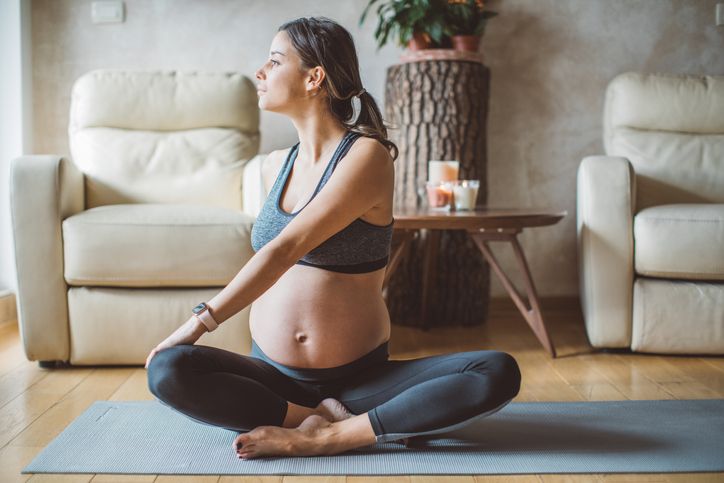
We always talk about slimming down after giving birth, but the real secret lies in managing weight during pregnancy. One key tip from professionals: weight gain during pregnancy should not exceed 20% of your original weight. For instance, a 60kg woman shouldn’t weigh more than 72kg at full term. If that number climbs too high, it becomes much harder to bounce back post-birth.
Pregnancy cravings can be intense — many feel like they’ve developed a bottomless stomach and start “eating for two.” But not every stage of pregnancy is about feeding the baby! Nutritional needs vary by trimester:
• First trimester (0–3 months): Eating mainly supports the mother’s body. Weight gain: 1–2kg max
• Second trimester (4–6 months): Still mostly for the mother. Weight gain: up to 5kg
• Third trimester (7 months to delivery): This is when the baby starts absorbing most of the nutrients. Weight gain: up to 5kg
Coffee Lam: "Want to Slim Down After Birth? Stay Active During Pregnancy!"
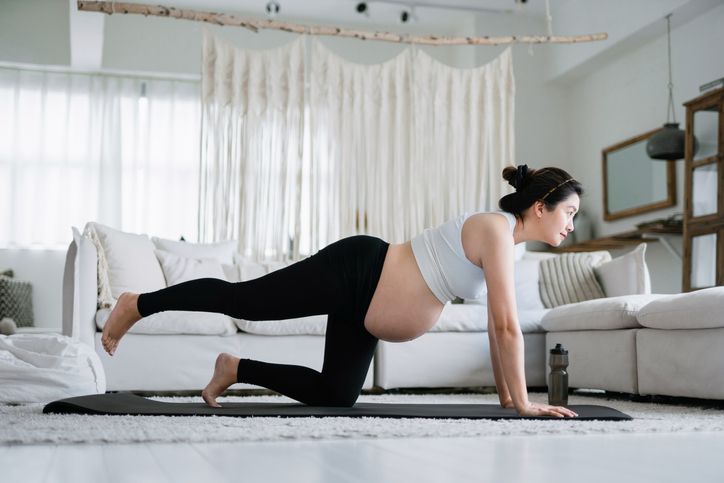
Hong Kong yoga icon Coffee Lam is known for her incredible post-baby figure. She attributes it to staying active throughout pregnancy. Thanks to her strong core and abs, her baby bump appeared much later than most. She continued to exercise during pregnancy, which helped relieve body aches and also gave her the stamina to recover faster after birth.
Two months after giving birth, Coffee resumed light exercise and quickly saw results — dropping back to 52kg and regaining her 26-inch waistline.
免費體驗
S6 Body Sculpting Treatment
1 Minute Self-Registration
Date should not be before minimal date
Why Is Postpartum Weight Loss So Difficult?
Many new moms try everything — postpartum diets, workout plans, slimming teas — in hopes of returning to their pre-baby weight, or even slimmer. But reality often hits hard: the belly still bulges, the skin sags, and nothing seems to work like it used to. Why?
1. It’s not just fat — it’s abdominal muscle separation
During pregnancy, the abdominal muscles (especially the rectus abdominis) stretch to make room for the growing baby. The pelvis also expands, and once those supporting muscles are weakened, everything — organs, fat, muscles — starts to shift downward. This results in a soft, sagging belly that can’t be fixed by diet or cardio alone.
2. Postpartum energy and blood deficiency
According to Traditional Chinese Medicine (TCM), many new moms experience “Qi and blood deficiency” after childbirth, especially due to blood loss and lingering uterine discharge. If you don’t properly clear internal dampness and promote circulation, your body becomes weak. Overdoing workouts or extreme diets too soon can worsen fatigue and make it harder to lose weight.
The Golden Window for Postpartum Recovery
The first 6 months after childbirth are the golden period for recovery — don’t waste it!
For natural births, it's best to rest during the confinement period and wait until after the first month to begin any gentle postpartum workouts.
For C-section births, wait until the wound is fully healed (typically 2–3 months later) before starting light exercise. Always listen to your body and avoid stressing the incision area.
Ready to Slim Down? Start by Restoring Your Body During Confinement
1. Monitor your lochia
Lochia (postpartum vaginal discharge) is a key indicator of your recovery. In the first few days, it should be bright red, gradually fading to pink and finally becoming a whitish discharge. This process can last up to six weeks. TCM recommends drinking Sheng Hua Tang (a traditional herbal remedy) to help expel stagnant blood and accelerate recovery. If you notice a foul odor or abnormal color, consult a doctor right away.
2. Be mindful of room temperature and air circulation
Most modern moms don’t skip hair-washing during confinement, but they still avoid cold exposure. A warm ginger bath is common, but it’s equally important to avoid direct wind. Keep the room at 25–28°C, and wear a scarf to protect your neck, head, and calves from catching cold.
3. Wear a waist binder for 1 hour daily
Coffee Lam didn’t start exercising until 2 months postpartum, but she wore a waist binder for 1 hour daily starting from the first month. This helped support her C-section wound and gradually tightened her midsection.
4. Gentle walking during confinement
Don't rush into exercise — especially if your abdominal muscles are still separated. Instead, take light walks and do gentle stretches to promote circulation and aid recovery. Movement helps build strength and prepares your body for more intensive training later.
免費體驗
S6 Body Sculpting Treatment
1 Minute Self-Registration
Date should not be before minimal date
Postpartum Slimming: Real Tips That Work
Key Focus Areas for Getting Back in Shape After Giving Birth
1. Breastfeeding burns 500 calories a day
If you're able to breastfeed, this is one of the most effective and natural ways to shed baby weight. Nursing can burn up to 500 calories a day — more than most workouts! Beyond the fat-burning benefits, breastfeeding also strengthens the bond between mom and baby, helps your uterus contract back to size, and supports the body in expelling postpartum discharge.
2. Traditional belly binding
Belly binding has become a go-to practice among new moms. A professional will massage your belly with oils to release trapped gas, then tightly wrap cotton fabric around your waist and hips for 8–10 hours a day. This ancient technique is said to help reposition internal organs, tighten abdominal skin, and support pelvic alignment. That said, it can feel quite intense for first-time moms who aren’t used to holding a straight posture for long hours.
3. Breast massage to increase milk supply (and curb appetite)
Along with belly binding, lactation massage is another popular postpartum treatment — especially for moms who are nursing for the first time and experiencing low milk supply or breast engorgement. Many mothers report that consistent professional massage, paired with drinking plenty of water, improves their milk flow without the need to eat excessively. Some even manage to store extra milk. As a bonus: this can help you lose up to 5 kg within six weeks.
4. Watch out for over-nourishing foods
Just like pregnancy weight needs to be managed, postpartum nutrition requires balance too. It’s common for well-meaning relatives to insist on richly nourishing foods like double-boiled chicken soup, fish maw, sweet bird’s nest, goose feet, or pork knuckles. These dishes are often high in fat, sugar, and sodium — especially when flavored to mask the blandness of collagen-heavy ingredients. Be cautious — they may do more harm than good if your goal is to slim down.
5. Diastasis recti recovery exercises
For natural births, light postpartum workouts can usually begin after your confinement period; C-section moms should wait about three months. Work with a trained professional to ensure safe, targeted movements that help close the abdominal separation (diastasis recti) and avoid injury.
6. Nipple stimulation helps your uterus recover
Aside from massage treatments, don’t be shy about trying nipple stimulation yourself. This simple action can encourage uterine contractions, helping your uterus return to its pre-pregnancy shape faster and speeding up discharge clearance.
7. Squeeze those pelvic muscles anytime
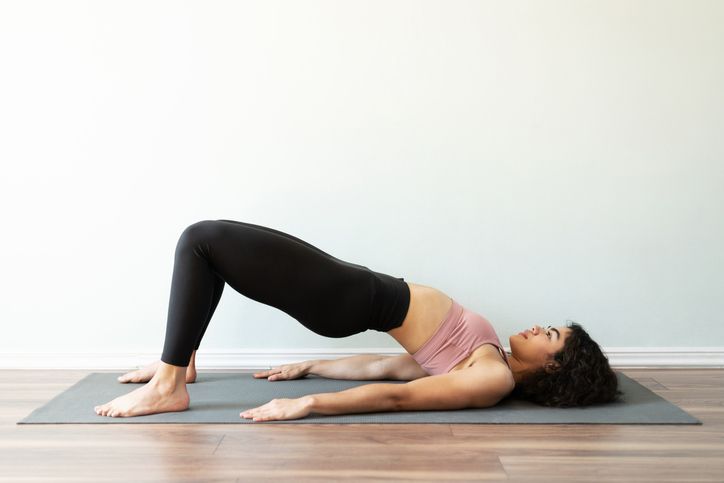
If you’re reading this — tighten your pelvic floor now! Strengthening your pelvic floor and sphincter muscles is crucial for postpartum recovery. Practice short bursts of contraction and release (similar to a Kegel exercise) whenever you remember — 20 to 30 times a day will go a long way in restoring tone.
8. Don’t waste leftover belly oil — use it for massage!
Still have prenatal massage oil at home? Put it to good use. When the baby’s asleep and you have a moment to rest, massage your lower abdomen and uterus. Rub a few drops between your palms and gently massage in circles clockwise around your navel. This can help reduce bloating, promote uterine recovery, soothe stretch marks, and even relieve constipation.
4 Key Postpartum Diet Tips
1. Myolie Wu’s Low-Carb, High-Protein Slimming Plan
Many new moms think eating two bowls of rice per meal boosts milk supply — but in reality, breastfeeding and caring for a newborn already consume a lot of energy. You don’t need refined carbs to replenish it. Like many celebrities, Myolie Wu opted for a high-protein diet after giving birth, replacing rice and noodles with chicken breast, eggs, tofu, and similar foods. These are low in fat and help boost metabolism for fat burning and muscle building.
2. Cut Back on Bloating Foods
To promote digestion and reduce bloating, it’s important to avoid certain foods that can cause gas. These include onions, cabbage, cauliflower, broccoli, processed dairy or foods with carrageenan like yogurt, jelly, nut milk, and chocolate; carbonated drinks; sugar alcohols found in gum or gummy candies; wheat and barley; full-fat dairy; and fatty or fried foods. These can lead to a bloated stomach and constipation for postpartum moms.
3. Dried Figs and Citrus Peel to Boost Digestion and Appetite
If you’ve lost your appetite or often feel bloated and constipated, try this popular postpartum tip from a fellow mom: drink fig-infused water daily and snack on dried figs. Figs are low in calories and high in fiber, helping with regular bowel movements (2–3 times a day, in this case!). Citrus peels can also stimulate stomach acid and improve appetite — just remember that everyone’s body is different, so consult your doctor before trying any one-ingredient remedy in large amounts.
4. Eat Until 70% Full, Go Vegetarian One Day a Week
Some doctors caution against frequent snacking or eating many small meals a day, which can lead to insulin spikes and resistance. Instead, one mom shared her success by eating until she was just 70% full each meal and dedicating one day a week to a sugar-free vegetarian diet. This helped her maintain balanced nutrition and healthy digestion.
4 Simple Postpartum Exercises — Safe Even During Confinement Month
These four foundational moves are ideal for postpartum recovery. Skip high-intensity workouts until your body has fully recovered. If you’re feeling up to it during your confinement month, these light exercises are a great way to warm up for fat loss and core restoration:
1. Abdominal Breathing
Whether you’re sitting, lying down, or standing, consciously engage your core. Slowly inhale, expanding your chest and pushing your belly out. Exhale fully while drawing your abdomen inward and feeling your chest contract.
2. Breast-Lifting Arm Raises
Lie flat and relax. Stretch your arms out to the sides in a cross position. Slowly raise them straight toward the ceiling, bring palms together, then gently lower them back. Repeat a few times to help firm the chest.
3. Alternating Leg Raises
Lie flat with arms by your sides. Engage your core and lift each leg vertically one at a time, keeping knees straight. Your thighs should form a 90° angle with your upper body.
4. Knee-In Crunches
Lie flat and relax. Using your abdominal muscles, lift your left leg and bring your knee toward your chest. Repeat with the right leg. Alternate to help tone glutes and lower abs.
免費體驗
S6 Body Sculpting Treatment
1 Minute Self-Registration
Date should not be before minimal date
Trending: Taiwanese Supermodel Lin Kuo-Tung’s Quick Postpartum Core Routine
Taiwanese model Lin Kuo-Tung began gentle core training just one week after giving birth. Her routine is simple, low-impact, and suitable for new moms — but remember: avoid weight-bearing, high-impact, or deep squatting exercises until after the confinement period!
Steps:
1. Lie flat on a yoga mat. Engage your core and lift both legs with knees bent at a 90° angle.
2. Keep one leg in place while gently tapping the ground with the other foot.
3. Switch legs and repeat.
Note: Don’t rush the movements! Focus on slow, controlled motions that actively engage your abs.
Postpartum Core Fix: This Simple Routine Helps Heal Abdominal Separation (Diastasis Recti)
This Salman-based exercise set is designed to heal diastasis recti, a common issue after pregnancy. The correct recovery sequence is: pelvic floor → abdominal muscles → pelvic alignment — follow that order for best results!
1. Leg Extensions on the Floor
Lie on your back, arms relaxed at your sides, knees bent, feet on the mat. Extend one leg at a time while keeping your heel in contact with the mat. Do 20 reps alternating legs. Tip: Wear yoga socks if the mat feels uncomfortable.
2. Leg Extensions in the Air
Same motion as above, but this time, lift your extended leg slightly off the ground. Do 20 reps.
3. Heel Taps
Lie down, hands on your lower abdomen, back flat on the mat. Engage your core and lift each leg to 90°, then lower and gently tap the heel to the mat. Repeat 20 times.
4. Air Cycling
Lie on your back with hands resting on your belly. Raise both legs and bend the knees at a 90° angle. Begin cycling your legs in the air — alternate as if pedaling. Do 20 reps.
5. Leg Lifts Without Touching the Floor
Lie on your back with arms at your sides. Using your core strength, lift both legs until vertical, keeping knees straight. Lower and raise in a pendulum-like motion — but don’t let your feet touch the ground! Total control must come from the core.
6. Kneeling Shoulder Taps — Target Upper Abs
This modified plank works your upper abs. Start in a tabletop position on a mat, knees shoulder-width apart, hands slightly in front of shoulders. Tap your right shoulder with your left hand, then alternate. Do 20 reps. Tips:
• Use a towel under your knees if needed.
• Spread your fingers wide to avoid wrist strain and support your upper body weight.
7. Plank Hip Swings — Target Lower Abs
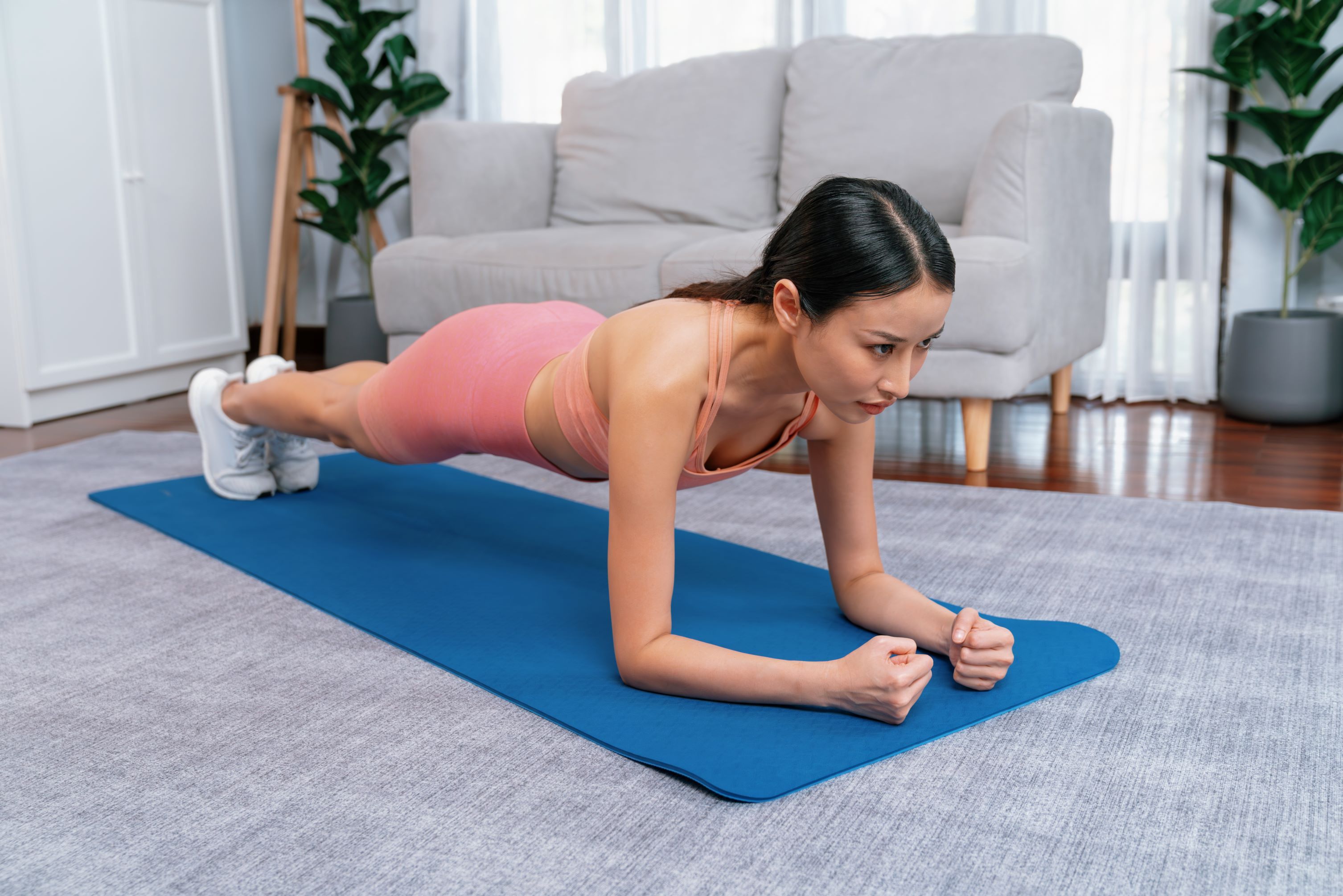
Start on hands and toes in a high plank position. Engage your lower abs and glutes to gently swing your hips up and down. Repeat 20 times.
Why Postpartum Slimming Is the Hardest of All — Try Perfect Medical’s S6 Body Sculpting Treatment!
Losing weight after giving birth is notoriously tough. It’s not just about burning fat — you also have to heal abdominal separation (diastasis recti). If you miss the golden recovery window in the first 6 months, that soft, saggy belly might stick around permanently!
Too much effort too soon can actually make abdominal separation worse. And with all the demands of caring for a newborn, most moms don’t have the energy for workouts — and breastfeeding makes dieting tricky. That’s why smart moms are turning to Perfect Medical’s S6 Body Sculpting Treatment: no intense workouts, no restrictive diets needed!
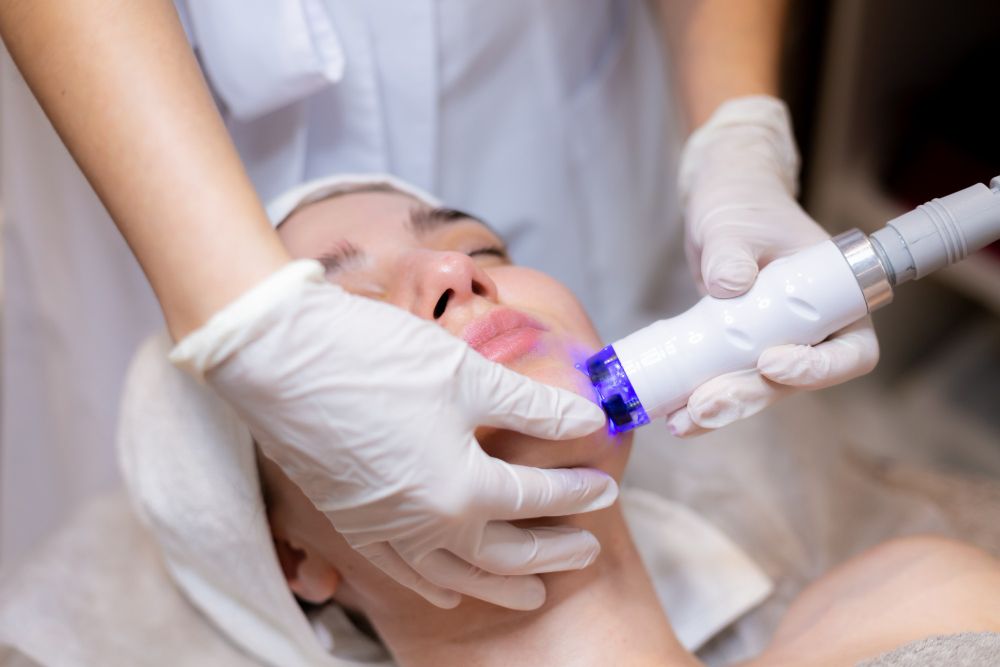
How it works: S6 uses high-performance bio-laser technology to penetrate the subcutaneous fat layer, liquefying fat and converting it into fatty acids. These are then naturally eliminated through the lymphatic system. The treatment is non-invasive, painless, and safe — with zero downtime. It’s perfect for busy moms who want visible results without extra effort.
Take advantage of your postpartum golden window! Click the link below to book a free session and jumpstart your slimming journey — restore your shape and confidence in no time.
免費體驗
S6 Body Sculpting Treatment
1 Minute Self-Registration
Date should not be before minimal date
FAQ

Is it true that postpartum slimming should start before giving birth? How?
Yes — the foundation for effective postpartum slimming actually begins before delivery. Experts recommend that a pregnant woman’s weight gain should not exceed 20% of her pre-pregnancy weight. For example, if you weigh 60kg, you shouldn’t go over 72kg during late pregnancy. Even if you do gain more, try to keep the increase under 14kg to avoid struggling with postnatal weight loss. To stay on track, avoid overeating rich or fatty foods, don’t eat until you’re overly full, and keep your body gently active whenever possible — things like light stretching or taking short walks after meals can help manage weight gain during pregnancy.
Is it true that only in the 7th month do nutrients go to the baby — and before that it’s just stored fat for the mom?
Generally speaking: In the first trimester (0–3 months), nutrition mainly prepares the mother’s body for pregnancy — weight gain should be no more than 1–2kg. In the second trimester (4–6 months), the focus is still on the mother’s body — weight gain should stay under 5kg. It’s only in the third trimester (7 months onward) that nutrients directly support fetal growth — with another 5kg max weight gain. Avoid extreme dieting or binge eating while pregnant. Either one can disrupt metabolism, possibly affecting both mom and baby. The goal should always be health first — you can plan slimming efforts later, after birth.
Why is postpartum slimming so difficult?
Because it’s not just about losing fat — it’s also about healing muscle separation. After birth, many women experience diastasis recti, where the abdominal muscles separate, weakening core support and causing internal organs to shift downward. That’s why you end up with a saggy tummy and poor posture. From a traditional Chinese medicine (TCM) perspective, new moms often experience liver stagnation, dampness, and blood/qi deficiency. If you jump into dieting or intense workouts without addressing these, your body may respond by becoming even more sluggish — causing more weight gain, not less. Postpartum slimming must combine muscle building and fat reduction, while also repairing abdominal separation. Only then can your pelvis and organs return to position, metabolism improve, and blood flow increase — which is key to long-term success.
How do you slim down effectively after giving birth? What are the key points?
Breastfeeding can burn up to 500 calories per day. Traditional postpartum belly binding helps with pelvic alignment and skin tightening. Lactation massages can boost milk production without needing to eat more. Avoid overly rich or heavy postnatal meals. Do targeted core recovery exercises to fix abdominal separation. Nipple stimulation supports uterine contraction and helps clear out lochia. Regular pelvic floor engagement (kegel-like exercises) helps strengthen the core. If time allows, gently massage the uterus and lower abdomen to support recovery.
Why is the S6 Body Sculpting Treatment ideal for postpartum slimming?
Perfect Medical’s S6 Body Sculpting Treatment uses high-performance bio-laser technology to penetrate deep into the subcutaneous fat layer. It breaks down stubborn fat and liquefies it into fatty acids, which are then naturally flushed out through the lymphatic system. This non-invasive, painless, and side-effect-free treatment requires no downtime, making it perfect for busy postpartum moms. If you're looking for a fast, effortless way to slim down after pregnancy, restore your waistline, and get back to your ideal weight — this is a must-try!