- Home
- Trend
- Weight Loss Strategies
- Acne Tips
- Hair Health Information
- Blemish Removal Tips
- Acne Scar Removal Tips
- Muscle Building Techniques
- Intimate Care Tips
- Postpartum Intimate Care
- Eye Bags Wiki
- Tips for Face Slimming
- Secret of Permanent Hair Removal
- Breast Enlargement Tips
- Cure to Snoring
- Marionette Lines
- Skin-Tightening Secrets

The core muscles refer to key muscle groups in the back, glutes, and abdomen, which are essential for maintaining stability and coordination. Many fitness enthusiasts focus on training their core—not only to sculpt attractive muscle lines but also to make the body stronger, improve health, and support longevity!

1. What is Core Muscle? Anatomy and Distribution
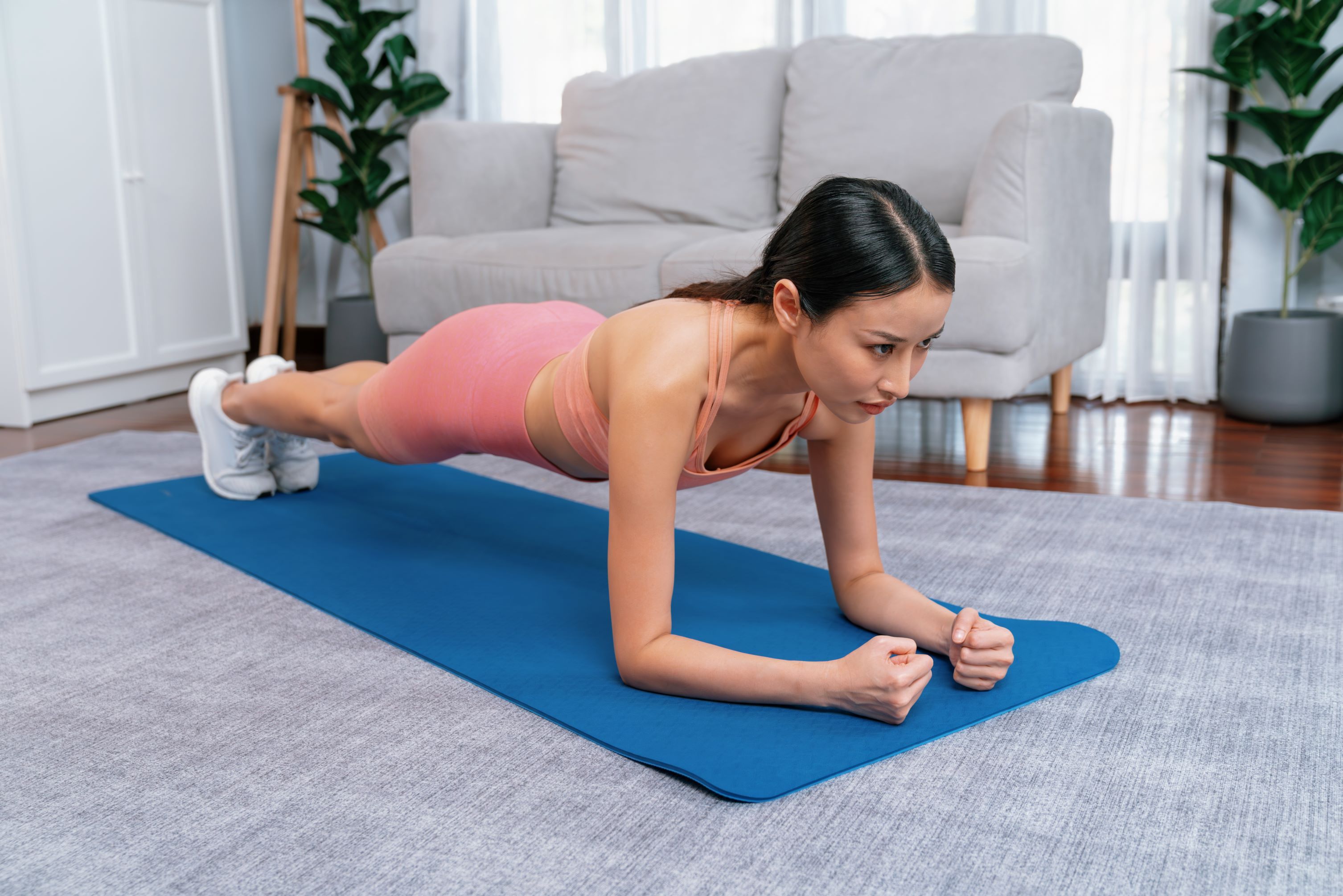
Core muscles are not just the abs. They consist of multiple muscle groups around the trunk, including the abdomen, back, glutes, hips, pelvic floor, and muscles beneath the shoulders. Together, they stabilize posture, protect the spine, and facilitate efficient force transfer.
Key muscles include:
• Abdominal muscles – Rectus abdominis and obliques (assist trunk rotation and lateral flexion)
• Back muscles – Lower back muscles and latissimus dorsi (support the back and assist extension)
• Glute muscles – Gluteus maximus (primary source of hip power, stabilizes pelvis and hips)
• Deep pelvic muscles – Support internal organs and core stability
These muscle groups act like a natural lumbar support system, surrounding the entire core area, extending from beneath the shoulders to the glutes and hips. They form the stability center for any movement or daily activity.
2. 4 Main Causes of Core Muscle Weakness & the Importance of Stability

Core weakness is often linked to modern lifestyle habits. Common causes include:
• Sedentary lifestyle – Sitting for prolonged periods prevents effective activation of abdominal and lower back muscles, leading to muscle atrophy.
• Lack of targeted training – Many focus on limbs while neglecting deep muscles like obliques, pelvic floor, and back stabilizers.
• Compensatory movement patterns – Insufficient pelvic or hip stability causes other muscles to compensate, leaving core muscles underutilized.
• Aging and muscle loss – Muscle tone and elasticity naturally decline with age, especially in key stabilizers like gluteus maximus and lower back muscles.
Why Is Core Stability So Important?
A strong core acts as the body’s “power bridge”, with benefits including:
• Spine and pelvis stabilization – Maintains alignment and good posture, preventing injury.
• Improved movement control and force transfer – Stable core ensures efficient energy transfer to limbs and coordinated movement.
• Internal organ support and respiration – Muscles like the transverse abdominis and diaphragm assist breathing and digestion, promoting overall health.
免費體驗
S6 Body Sculpting Treatment
1 Minute Self-Registration
Date should not be before minimal date
3. 6 Benefits of Core Strength: Build a Stronger, Healthier Body
1. Stabilize the body and improve athletic performance
Core muscles stabilize the pelvis and spine, enhancing movement efficiency. For running, swimming, or weight training, a strong core maintains posture and balance, improving performance and reducing energy loss.
2. Prevent exercise injuries
Weak or unstable core muscles can cause uneven force distribution, leading to common injuries in the back, knees, or shoulders. Strong core muscles provide support, reducing stress on muscles and joints.
3. Improve posture and eliminate slouching
Long periods of sitting or looking at screens cause poor posture. Core weakness is a major contributor. Core training enhances trunk stability, helping maintain upright posture and boost confidence.
4. Relieve back pain
Chronic lower back pain often stems from insufficient core support. Systematic core training strengthens deep muscles, improving spinal stability and reducing discomfort.
5. Enhance balance and coordination
A strong core stabilizes the center of gravity, improving gait and coordination. It also helps maintain balance on uneven surfaces, reducing the risk of falls.
6. Promote digestive health
Core muscles support and massage internal organs, stimulating gut movement. Maintaining strong core muscles strengthens body function and internal organ health.
4. 7 Core Exercise Combinations + Detailed Movement Guide
Preparation and Precautions
Warm up for 5–10 minutes (cardio plus dynamic stretching) before core exercises to prevent injury. Focus on proper form and smooth breathing. During movements like crunches, slightly bend the knees to reduce lower back pressure and ensure the core is engaged. Practice on the floor or a gym mat, keeping the starting position stable.
Bodyweight Core Exercises
• Plank – Forearms on the ground, toes on the floor, body in a straight line, engage abs, hold 30–60 seconds.
• Side plank – Support on one arm, body straight, hold 30–60 seconds.
• Bird-dog – Quadruped, extend opposite arm and leg simultaneously, hold briefly, then switch sides to enhance core stability.
• Dead bug – Lie on back, lift arms and legs, extend opposite arm and leg while keeping abs tight to strengthen deep core muscles.
Equipment-Assisted Advanced Exercises
• Medicine ball Russian twist – Sit with feet off the ground, hold a medicine ball, twist side to side to increase rotational core strength.
• Kettlebell swing – Swing kettlebell from legs to chest using hip power, boosting explosiveness and core stability.
• Resistance band plank row – In plank position, pull a resistance band to perform a rowing motion, combining core and upper body training.
Recommendations and Frequency
Train core 2–3 times per week, 30–60 minutes per session. Emphasize recovery and progression, avoid overtraining, and gradually increase intensity while maintaining proper core engagement. Protect the lower back and knees.
Common Core Training Misconceptions
• Training abs alone ≠ full core workout; include transverse abdominis, obliques, and back muscles.
• Core training can be static, dynamic, or anti-rotation; choose according to needs.
• Quality over difficulty; proper form and safety are more important than challenge.
• Training 2–3 times a week with rest days is sufficient.
5. Can Core Training Achieve Full-Body Slimming?
For fat reduction and body shaping without blind spots, the Perfect Medical S6 Body Sculpting Treatment offers a painless, non-invasive solution. Even if core exercises are slow in trimming the belly, this treatment helps achieve full-body or targeted slimming efficiently.
It uses medical-grade laser and vacuum-assisted technology, breaking down stubborn fat into fatty acids, which are eliminated naturally. It targets areas like the abdomen, waist, thighs, arms, glutes, and back. Results are noticeable after just one session, restoring confidence while tightening core muscles without extra exercise. Sign up now for professional body analysis + Perfect Medical S6 Body Sculpting Treatment.
Sign Up Here: Perfect Medical's S6 Body Sculpting Treatment免費體驗
S6 Body Sculpting Treatment
1 Minute Self-Registration
Date should not be before minimal date
FAQ

How to overcome a weight loss plateau?
Adjust diet structure, increase exercise intensity, or try new workout methods.
How to relieve post-workout muscle soreness?
Stretch, use hot/cold therapy, or massage tools to relax muscles.
How to eat healthily when dining out?
Choose lightly cooked meals, include more vegetables, and reduce oil and salt.
How to resist temptations during dieting?
Shift your attention or seek support from friends and family.
Secrets to maintaining long-term weight loss?
Maintain a healthy diet, moderate exercise, and a consistent daily routine.