- Home
- Trend
- Weight Loss Strategies
- Acne Tips
- Hair Health Information
- Blemish Removal Tips
- Acne Scar Removal Tips
- Muscle Building Techniques
- Intimate Care Tips
- Postpartum Intimate Care
- Eye Bags Wiki
- Tips for Face Slimming
- Secret of Permanent Hair Removal
- Breast Enlargement Tips
- Cure to Snoring
- Marionette Lines
- Skin-Tightening Secrets

Cauliflower rice is a go-to low-calorie option for fitness enthusiasts and those looking to lose weight. Thanks to its low calorie content and high fiber, it’s highly nutritious.

1. How Cauliflower Rice Supports Weight Loss
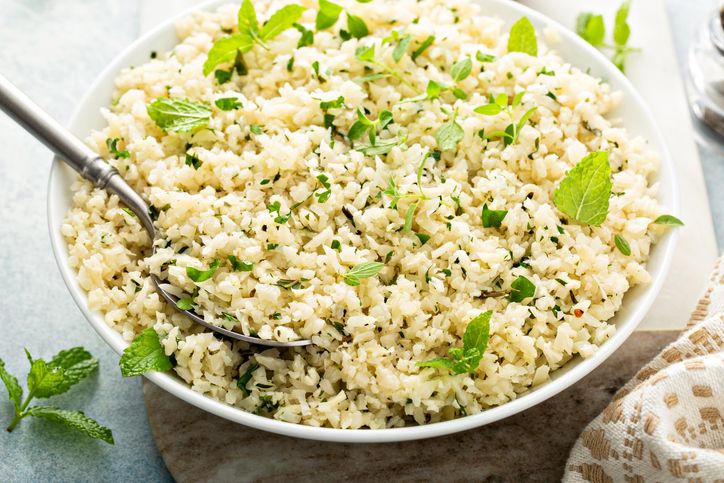
Cauliflower rice is made by finely chopping or pulsing cauliflower and lightly sautéing it, creating a white rice substitute. As a cruciferous vegetable, it offers a fraction of the calories of starchy grains like white rice while retaining high fiber, vitamin C, and phytonutrients.
Its low calorie density helps extend satiety without increasing intake, reducing total calorie consumption and supporting fat burning. Additionally, its minimal effect on blood sugar aids energy stability and appetite control, making it a practical choice for both taste and weight management.
2. Pros & Cons of Eating Cauliflower Rice: Eat Smart for Effective Weight Loss
Benefits of Regularly Eating Cauliflower Rice
1. Low Calorie & Highly Satiating
Compared to white rice, cauliflower rice is low-calorie yet rich in fiber, helping you feel full while controlling total intake—perfect for low-carb or fat-loss diets.
2. Blood Sugar Friendly
With a lower glycemic index than starchy carbs, cauliflower rice helps prevent blood sugar spikes—ideal for diabetics or those monitoring glucose levels.
3. Rich in Phytonutrients
As a cruciferous vegetable, cauliflower contains antioxidants and sulfur compounds that protect cells, strengthen immunity, and may reduce certain cancer risks.
Drawbacks & Considerations
4. May Cause Bloating or Stomach Discomfort
High fiber and natural sugars (like sorbitol) can cause gas, bloating, or abdominal discomfort in sensitive individuals. Start with small portions.
5. Distinct Flavor
While similar in appearance to rice, cauliflower has a noticeable “vegetable” taste that some may find off-putting.
6. Nutrient Balance Is Key
Relying solely on cauliflower rice without incorporating protein or healthy fats may lead to nutrient gaps. Pair it with diverse ingredients for maximum benefit.
免費體驗
S6 Body Sculpting Treatment
1 Minute Self-Registration
Date should not be before minimal date
3. 5 Cauliflower Rice Recipes: From Basic Prep to Creative Variations
Ingredients: The Heart of Cauliflower Rice
• Main: Cauliflower, eggs
• Optional Add-ins: Onion, garlic, tomato, carrot, mushrooms, corn, bell pepper, pork, scallops, etc.
• Seasonings: Olive oil, salt, white pepper, white wine or chicken broth for flavor; turmeric can be added for variation
3 Ways to Prep Cauliflower Rice
1. Hand-Chopped: Cut cauliflower into small florets, then finely chop to “rice-size” for a slightly textured bite.
2. Food Processor: Pulse for 10 seconds for a fine, uniform texture.
3. Grater: Use for evenly shredded rice, ideal if you prefer a delicate texture.
Tip: Soak cauliflower in lightly salted water for 10 minutes or add a splash of white wine/lemon juice when cooking to reduce the vegetable aroma.
Basic Stir-Fry Method: Classic Garlic Version
1. Heat a small amount of oil (olive oil preferred) over medium heat.
2. Sauté garlic and onion until golden, then add eggs and scramble lightly.
3. Stir in cauliflower rice and season with salt and white pepper.
4. Add optional ingredients (pork, mushrooms, corn, bell pepper) for variation.
5. Cook quickly to retain a crisp texture.
Creative Variations
• Turmeric Cauliflower Rice: Mix in turmeric before frying for color and aroma.
• Tomato Version: Add diced tomatoes or tomato paste for a tangy-sweet flavor.
• Scallop with White Wine: Sauté scallops first, then mix with cauliflower rice and a splash of white wine.
• Chicken Broth Flavor: Add a teaspoon of chicken broth while stir-frying for moist, layered flavor.
Tips & Tricks
• Rotate vegetables according to season for balanced nutrition.
• Keep the pan hot and stir quickly to prevent sogginess.
• Start with the basic recipe; once comfortable, try curry, Italian herbs, or even sushi-style cauliflower rice.
Summary: Mastering these techniques lets you enjoy tasty, nutritious cauliflower rice every day.
4. Cooking Tips: 5 Things to Watch
1. Control Portions: Low-calorie doesn’t mean unlimited. Start with half a bowl to avoid bloating.
2. Thorough Washing: Cauliflower may hide dirt or pesticide residues in crevices; soak in lightly salted water for 10 minutes, then rinse.
3. Proper Storage: Freshly cooked cauliflower rice tastes best. Refrigerate leftovers in a sealed container and consume within 2 days.
4. Special Groups Should Be Cautious:
5. Kidney issues: High potassium content may strain kidneys; consult a nutritionist.
Cruciferous allergies: Avoid if allergic to cauliflower, broccoli, or kale.
6. Cooking Heat: Overcooking makes it watery and soft; stir-fry on medium-high heat quickly for fluffy, separated grains.
Reminder: Cauliflower rice is healthy, but individual tolerance varies. Proper cooking and storage make it a sustainable part of your diet.
5. Still Not Seeing Weight Loss Results? Try Perfect Medical S6 Body Sculpting Treatment
If cauliflower rice alone isn’t enough, Perfect Medical S6 Body Sculpting Treatment offers a painless, non-invasive way to slim down quickly.
How it works:
• Medical-grade lasers target stubborn fat, breaking it into fatty acids.
• Natural metabolic pathways and vacuum-assisted technology eliminate fat from belly, thighs, arms, hips, and back.
Sign up for body analysis + S6 Body Sculpting Treatment to achieve your ideal figure safely and efficiently.
Book Today: Perfect Medical's S6 Body Sculpting Treatment免費體驗
S6 Body Sculpting Treatment
1 Minute Self-Registration
Date should not be before minimal date
FAQ

Can cauliflower rice be eaten daily?
Yes, but pair it with other nutrient-dense foods for a balanced diet.
How long can cauliflower rice be frozen?
Properly stored, it lasts 1–2 months, ready to thaw and cook.
Who should limit intake?
People with kidney issues or cruciferous vegetable allergies.
What are the common seasonings for cauliflower rice?
Salt, pepper, garlic, soy sauce, herbs, oyster sauce, etc.—flexible for various flavors.
Cauliflower rice vs. konjac rice?
Konjac rice is extremely low-calorie; cauliflower rice has higher nutritional value. Choose based on personal needs.