- Home
- Trend
- Weight Loss Strategies
- Acne Tips
- Hair Health Information
- Blemish Removal Tips
- Acne Scar Removal Tips
- Muscle Building Techniques
- Intimate Care Tips
- Postpartum Intimate Care
- Eye Bags Wiki
- Tips for Face Slimming
- Secret of Permanent Hair Removal
- Breast Enlargement Tips
- Cure to Snoring
- Marionette Lines
- Skin-Tightening Secrets

Struggling to Gain Muscle When You’re Naturally Thin? You’re Not Alone.

Is It Really Impossible For Naturally Skinny Girls To Build Muscle?

Only those who’ve been through it know how tough it is to gain muscle when you’re naturally thin! We all know someone who never seems to gain weight no matter how much they eat, making the rest of us — who gain weight just by looking at cake — jealous. But every time you tease your skinny friend with a “You’re so lucky you never get fat!” she’ll immediately rattle off a list of frustrations: she can’t get a perkier butt, her chest is flat like a runway... and so on. So why is it so hard to gain muscle when you’re skinny?
Why Is It So Hard For Naturally Slim People To Build Muscle? Their Metabolism Is Just Too Fast!

If someone tells you it’s hard for slim people to gain muscle, you should sympathize—they're not wrong! It’s practically a genetic “bug.” People with naturally slim builds tend to have highly active sympathetic nervous systems, meaning their heart rates are often faster, their bodies burn through glycogen quickly (so they can’t store fat), and they produce adrenaline more rapidly. All of this leads to a turbo-charged metabolism.
When your body is working overtime just to maintain basic functions, how can you expect it to also build muscle? That’s like asking an overworked factory to produce extra stock without even having enough raw materials. No fat reserves, no muscle gain—simple as that.
免費體驗
S6 Body Sculpting Treatment
1 Minute Self-Registration
Date should not be before minimal date
Is The Secret To Bulking Up Just Eating More And Hitting The Gym Every Day?
One of the biggest misconceptions about slim girls trying to build muscle is that they’re just not eating enough, or they’re picky eaters, or they can't digest food properly. And when they finally make it to the gym, their personal trainers usually have a one-size-fits-all answer:
For chubbier clients: “Eat less, go lighter.”
For skinny clients: “Eat more and train harder!”
But blindly following “eat more, train more” advice without a plan can totally backfire. You might end up skinnier than before. The real key isn’t just eating more—it’s what you're eating that matters.
Some slim people simply don’t have an appetite; others are always hungry and burn through calories like wildfire. Regardless of which type you are, what you eat plays a critical role in providing the materials your body needs to actually build muscle. Mindless training alone just won’t cut it.
What Really Matters: Slow Down Your Digestion—Skip The White Rice!
Before hitting the gym, naturally slim women need a solid plan. The goal isn’t just to bulk up—it’s to slow down how quickly your body digests food.
Your body absorbs glucose from carbs first—it’s the fastest and most preferred energy source. But when your digestion is too fast, nutrients don’t get stored long enough to be converted into muscle. Combine that with frequent workouts and you’re creating a calorie deficit that keeps you stuck.
Refined carbs like white rice, white bread, and noodles break down way too quickly. Instead, opt for complex carbs paired with fiber, protein, and fats. That’s the kind of smart eating strategy that actually supports muscle gain in slim types.
Let’s Get Real. Time To Calculate—Grab A Pen And Start Jotting This Down!
Step 1: Daily Calories = TDEE + 500
TDEE stands for Total Daily Energy Expenditure, and it estimates how many calories your body needs to function each day. You can easily calculate it online based on your height, weight, and age.
Once you’ve got that number, add 500 calories. That’s how much you’ll need per day to begin your lean-bulk journey. This buffer allows your body to meet daily needs and still have enough leftover to build muscle.
Step 2: How many meals per day?
500 extra calories might not sound like much, but don’t think you can meet your targets in just three meals. In fact, eating enough every day is harder than working out three times a week!
Because your body can’t absorb everything at once, you’ll need to eat every 2.5 to 3 hours—up to 6–9 meals per day. The formula:
Total hours you're awake ÷ 2 or 3 = meals per day (If you're awake 18 hours, that's at least 6 meals!)
At this point, you're probably Googling protein shakes and meal replacement drinks. Hold up! First, let’s figure out what you're supposed to eat in those 6 meals.
Step 3: Protein = 1.5g per pound of body weight
To build muscle, protein is key. That’s the raw material your body uses to synthesize muscle.
Macronutrient breakdown:
• Carbs: 40–60%
• Fats: 25%
• Protein: 35%
For protein, aim for 1.5g per pound of body weight. If you weigh 100 lbs, you’ll need 150g of protein a day. That’s 25g of protein per meal (across 6 meals).
Here’s the tricky part: High-protein food isn’t 100% protein. For example, one egg only contains about 6g of protein. To get 25g, you’d need to eat 4+ eggs per meal.
Obviously, you’re not going to eat 24 eggs a day—so mix it up: try chicken breast, tofu, lean pork, tuna, Greek yogurt, natto, etc.
Step 4: What about fat?
Protein and carbs are straightforward. But what role does fat play?
No, fat doesn’t turn into muscle. But healthy fats are essential for hormone regulation, which directly affects muscle-building. Plus, fat is calorie-dense, helping you meet your intake goals.
Each main meal should include 20–30g of fat. Most of this can come from meat itself (e.g. 200g of boneless beef short ribs), and you can supplement with nuts like walnuts as snacks (5–6 per day is enough).
Just make sure you’re eating good fats—unsaturated fats, not trans fats found in processed foods. Healthy fats act as your body’s lubricant, supporting hormonal balance and even triggering growth hormone release. That’s what helps slim women reduce body fat and increase lean muscle.
Step 5. Can Protein Shakes Replace One Of My Meals?
Absolutely—with caution. Some slim people have low appetites or poor digestion. The good news? Once you start exercising regularly, your blood flow improves, your digestion speeds up, and your appetite naturally increases.
But if you're really struggling to eat 6 meals a day, protein shakes can help you hit your calorie and protein targets. Just don’t rely on them too much. Processed supplements are often low in fiber, micronutrients, and healthy fats—so over time, you might meet your calorie goal but still end up nutritionally unbalanced.
Also, don’t rush to hoard tubs of protein powder before even starting. Focus on improving your overall intake first. Only use supplements to support, not replace, a nutritious eating plan.
Bonus: Sample Lean Muscle Meal Plan for Slim Types
Meal 1: 8 egg whites + 2 whole eggs + a handful of mixed nuts + oatmeal with soy milk + 1 serving of fresh fruit
Meal 2: Lean steak or chicken breast + sweet potato or brown rice
Meal 3: Salmon + whole grain bread
Meal 4: Lean meat + sweet potato/brown rice + a serving of vegetables
Meal 5: Seafood or lean pork + whole wheat pasta + almonds
Meal 6: Protein shake + low-fat, unsweetened pudding
免費體驗
S6 Body Sculpting Treatment
1 Minute Self-Registration
Date should not be before minimal date
Slim But Want to Gain Muscle? Common Workout Myths You Need to Know
Now that we’ve talked about how to increase calorie intake through frequent meals and supplements, let’s move on to how to effectively burn those extra 500 calories. Without a proper training plan, it’s easy to create an imbalance between what you eat and what you burn—leaving you feeling puffed up from all the mass-gain shakes and supplements!
Myth #1: Do I Need a Personal Trainer (PT)?
If you're new to strength training and don’t know how to use gym equipment, lack motivation, or feel awkward being surrounded by seasoned gym-goers, hiring a PT can help you build confidence and ensure you’re using correct form. Learning proper technique from the start not only prevents injuries but also helps you stay motivated. Once you're familiar with the gym environment and your routine, you can start building a training plan that fits your body and goals.
Myth #2: I Love Yoga—Do I Have to Give Up Cardio?
Many active women love yoga, but does wanting to build muscle mean you have to quit all other forms of cardio? Absolutely not. While resistance training should be your main focus, moderate cardio activities like yoga or elliptical workouts still benefit your muscles—just keep it in check.
If you enjoy the treadmill, rowing machine, or stationary bike, keep those sessions to no more than 3 times a week, and limit each to 30 minutes. As for yoga, it’s actually great for flexibility, strength, and balance—so feel free to keep it in your routine. Plus, workouts with friends can make your fitness journey more enjoyable.
Myth #3: I Train for an Hour—That’s Enough, Right?
If you're naturally slim and trying to gain muscle, overtraining can backfire. You may start losing fat, but without enough muscle gain, the weight just drops. For muscle-building, 45 minutes of weight training is enough. Training longer might burn too many calories and make it hard for your body to store what it needs to grow. Don’t forget to eat some carbs and protein post-workout—muscles grow during rest, not during exercise.
Myth #4: My PT Isn’t Around, So I Just Stick to a Few Moves
Some slim women end up only doing bicep curls and tricep extensions, maybe a few machines like leg adduction or rowing. But when it comes to larger equipment like the Smith machine or leg press, they avoid it—especially when their PT isn’t there to guide them.
If you're training solo, just repeat the moves your PT showed you during past sessions. Usually, a good session includes various exercises targeting different muscle groups, especially compound movements that train multiple joints and muscles at once.
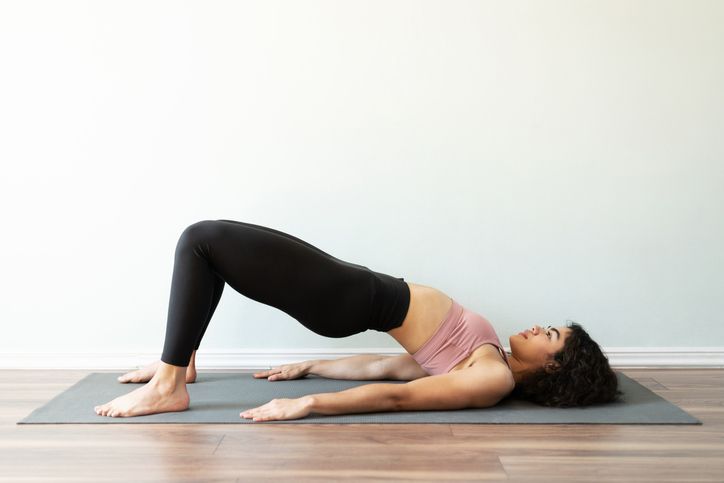
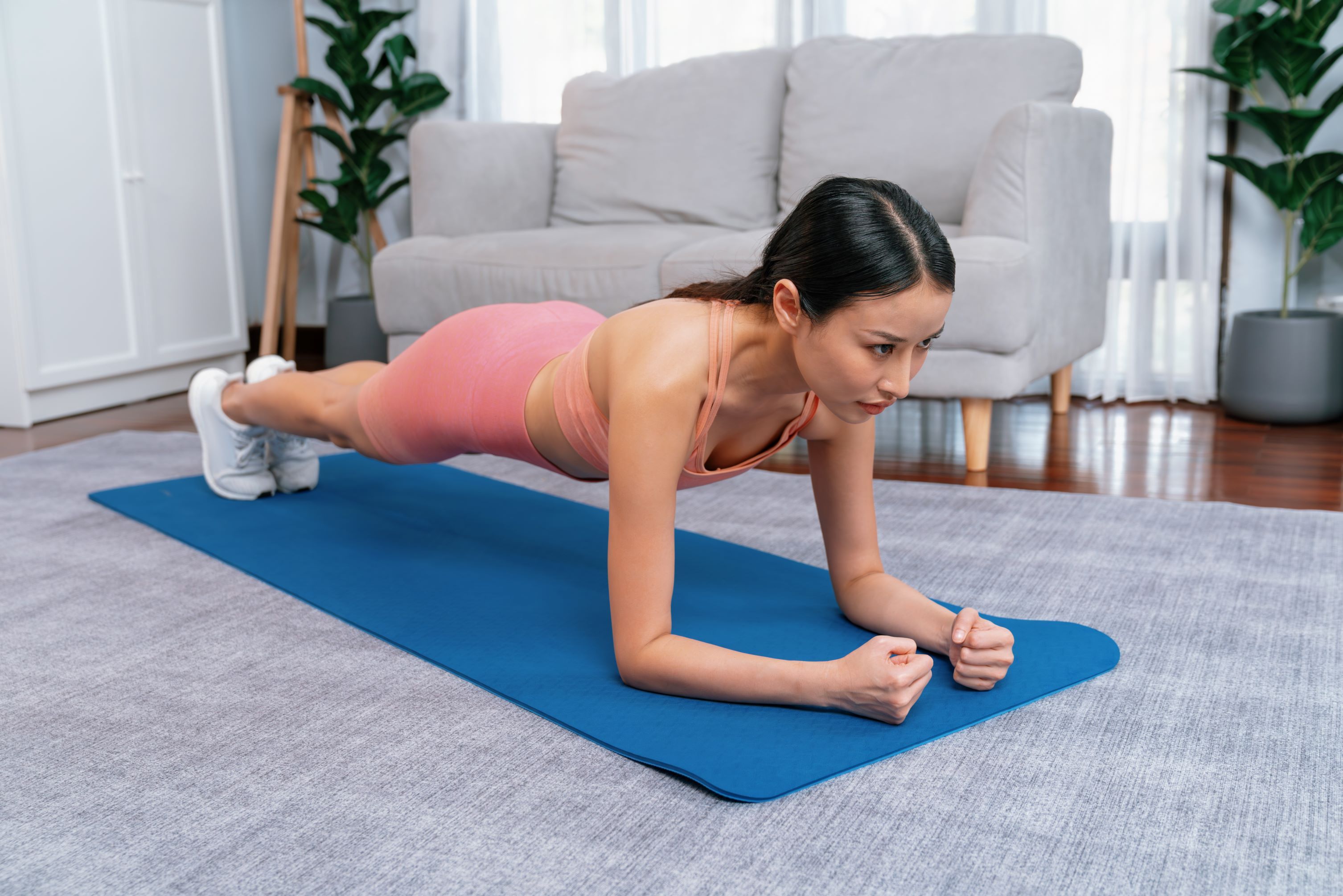
Bodyweight exercises like squats, rows, deadlifts, push-ups, glute bridges, and planks are all highly effective. Lower-body training is particularly important—it not only builds muscle but also helps boost growth hormone levels.
Myth #5: How Long Can I Rest Between Sets?
Smart training is more effective than long workouts! For beginners, 6 different exercises per session is a good place to start. Do 3 sets of each, with 8–12 reps per set. Rest times should be under 90 seconds.
Avoid scrolling on your phone or chatting mid-set—it wastes time and impacts your results. If you feel a weight is too easy after two sets, increase the load. Challenge your body to grow; don’t just go through the motions.
Myth #6: I’m Exhausted After Work—Should I Just Sleep or Still Train?
First, figure out whether you’re physically tired or just mentally drained. Unless you were up all night or physically working all day, chances are your body isn't truly exhausted.
Research shows that mental fatigue doesn’t go away by oversleeping or binge-watching dramas. In fact, activities like tending to plants or going for a workout are more effective in helping your brain rest.
However, if you're sleep-deprived, menstruating, or feeling truly worn out, it's okay to skip the gym and catch up on rest. Muscle building is a long game. Prioritize quality sleep—getting 7 to 8 hours a night helps boost growth hormones and supports lean muscle gain.
Struggling with a Belly Bulge Despite Being Slim? You Might Need Fat Reduction First
Some naturally slim women have a flat figure but still carry belly fat—that’s where body contouring can help.
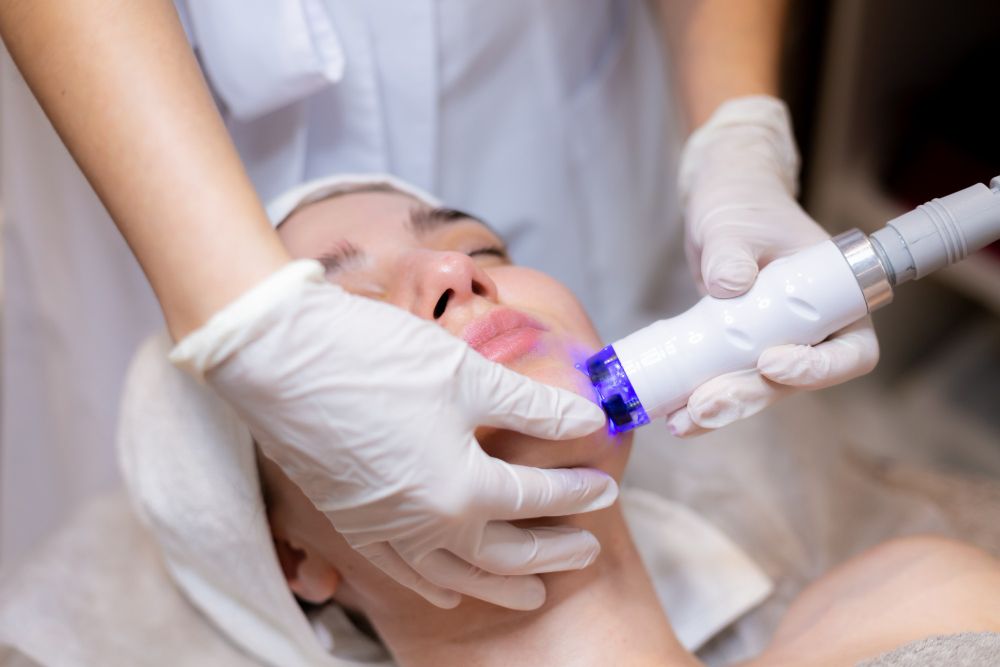
Perfect Medical’s S6 Body Sculpting Treatment uses advanced bio-laser technology to penetrate subcutaneous fat layers, breaking fat down into liquified fatty acids. These are then metabolized and eliminated by the lymphatic system—all without harming the body. You can return to your daily life right after the treatment.
Limited-Time Offer: Book online now to enjoy a free trial of the S6 Body Sculpting Treatment. Don’t miss out on this chance to kickstart your transformation!
免費體驗
S6 Body Sculpting Treatment
1 Minute Self-Registration
Date should not be before minimal date
FAQ

What’s the first step to gaining muscle if I’m naturally slim?
Start by calculating your Total Daily Energy Expenditure (TDEE). If your goal is fat loss, you'd typically reduce TDEE by 300–500 kcal. But if you're trying to build muscle, you’ll need to increase your daily intake by at least 500 kcal so your body has enough surplus energy to grow muscle. Ideally, aim to gain 0.5 to 1.5 pounds per week.
Do I need to eat 6–9 meals a day?
Not necessarily for everyone, but if you're extremely lean—low body fat, no belly at all—you may need around 3,000 calories a day. It’s nearly impossible to get that in just 3 meals, and you shouldn’t rely on junk food either. The best approach is eating smaller meals more frequently, every 2.5 hours if possible. If that’s tough, you can add supplements.
How much protein do I need to eat to gain muscle?
While protein is key, carbs and fats are also important. Ideally, carbs should make up 40–60% of your total calories, protein 25–35%, and healthy fats 15–25%. Aim for 1.5g of protein per pound of body weight per day—e.g., if you weigh 100 lbs, that’s about 150g of protein daily. Since a single egg only contains about 6g of protein, you’ll need to plan your meals carefully. As your training intensity increases, you may need up to 2.5g per pound.
Can I replace meals with protein powder?
Protein powders and mass gainers are great if you struggle with appetite or time. However, they contain high sugar content and should be paired with regular strength training to avoid fat gain. These supplements should complement your meals, not replace them entirely. If you’re lactose intolerant, have digestive issues, or kidney concerns, consult a professional before using supplements. Always start with small doses and gradually increase as needed.
How does the S6 Body Sculpting Treatment work?
The S6 Body Sculpting Treatment uses high-performance bio-laser technology to target fat beneath the skin, breaking it down into fatty acids that are naturally flushed out by the lymphatic system. It’s safe, non-invasive, and won’t disrupt your daily routine. Sign up online now for a free trial session—limited spots available!