- Home
- Trend
- Weight Loss Strategies
- Acne Tips
- Hair Health Information
- Blemish Removal Tips
- Acne Scar Removal Tips
- Muscle Building Techniques
- Intimate Care Tips
- Postpartum Intimate Care
- Eye Bags Wiki
- Tips for Face Slimming
- Secret of Permanent Hair Removal
- Breast Enlargement Tips
- Cure to Snoring
- Marionette Lines
- Skin-Tightening Secrets

Getting rid of a postpartum belly is a common struggle for new moms. One of the biggest concerns during pregnancy is how much your body changes — and many women find themselves going from a size small to a size large after giving birth.

Loose, Saggy Belly After Giving Birth? Follow These 4 Golden Rules + 3 Core Exercises You Can Do at Home!
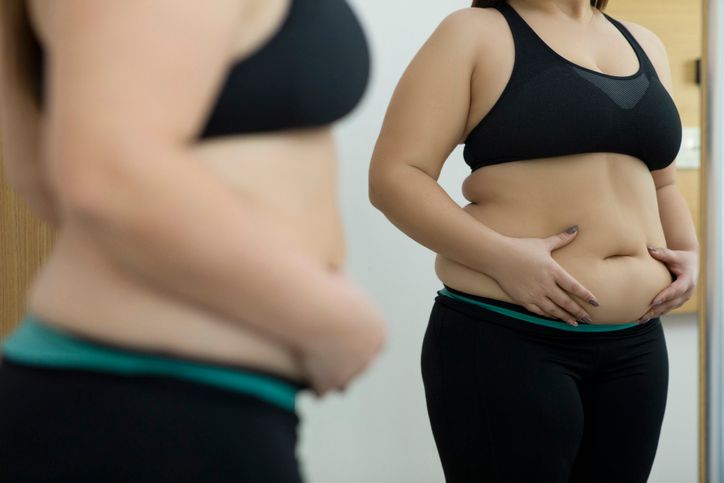
Many new moms are faced with the same frustrating issue — the lingering belly that just won’t go away. After 9 months of pregnancy, your abdominal skin and muscles stretch to accommodate your growing baby. Post-delivery, that skin often stays loose and lacks elasticity, making it look like there’s still a baby inside! It can be awkward and discouraging. So, what can moms do to flatten their tummy more quickly after giving birth? And how can exercise and diet help?
Still Look Pregnant After Birth? 3 Reasons Why That Belly Won’t Budge
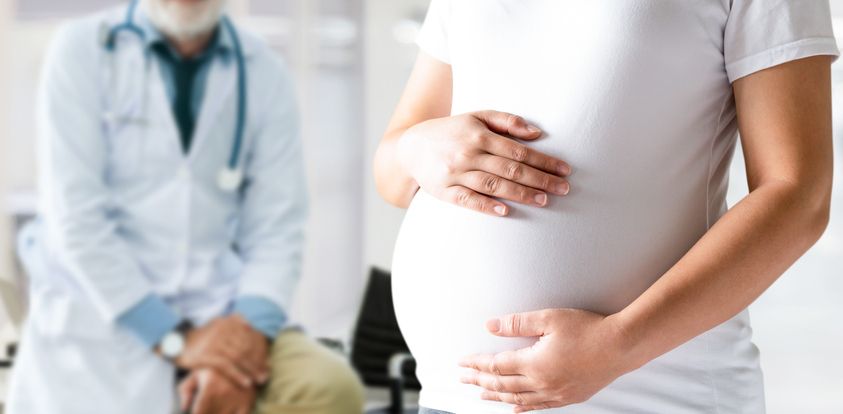
The abdominal area is one of the least engaged parts of the body in daily movement. Some women find that even though the baby is out, their belly still looks full — with thin limbs but a round stomach. There are three main reasons why this happens:
1. Abdominal Muscle Separation (Diastasis Recti)
This is a natural and unavoidable condition during pregnancy. As the baby grows, the uterus expands and puts pressure on the abdominal wall, causing the rectus abdominis (the "six-pack" muscles) to stretch and separate. After giving birth, the muscles don’t immediately return to their original position, leaving the tummy looking bloated and saggy. This “fake belly” not only affects appearance but can also lead to lower back pain and strain.
2. Excessive Weight Gain During Pregnancy
It’s normal for pregnant women to gain around 8–12 kg due to the baby, amniotic fluid, and placenta. However, with easy access to rich foods, many women overeat for fear of undernourishing the baby, while exercising less. When calorie intake exceeds daily needs, it gets stored as fat — and once fat forms, it’s very difficult to get rid of that postpartum belly.
3. Multiple Pregnancies
Even carrying one baby makes your belly grow significantly by the third trimester. For moms expecting twins or triplets, the skin stretches even more in a short time, often causing collagen fibers in the skin to break and increasing the risk of muscle separation. After birth, this can lead to severe skin laxity that’s harder to reverse.
免費體驗
S6 Body Sculpting Treatment
1 Minute Self-Registration
Date should not be before minimal date
Do You Have Diastasis Recti? A 1-Minute Self-Test
If your postpartum belly feels especially soft and loose, you might have diastasis recti. Here’s how to check:
Lie on your back with your knees bent and feet flat on the floor. Do a small crunch and place your fingers just above your belly button. If your abdominal muscles close in from both sides and hug your fingers, that’s normal. But if there’s a gap wider than two fingers, it’s a sign of diastasis recti.
Postpartum Belly Wrap vs Traditional Binding — Which One Should You Choose?
To firm up a postpartum belly, many moms turn to belly wraps or traditional binding techniques. Let’s break down the differences and benefits:
Postpartum Belly Wrap
There are several types of wraps available — waist cinchers, shaping shorts, wraparound bands, and even nighttime versions. They all work by applying gentle pressure to the abdomen, helping correct posture, support core muscles, and improve conditions like diastasis recti and anterior pelvic tilt.
Whether you had a vaginal or C-section birth, a belly wrap can help. For vaginal births, it eases the heavy, drooping feeling in the lower abdomen. For C-section moms, wearing a belly wrap about 2–3 weeks postpartum can stabilize the incision area, speed up recovery, and prevent painful movements that might pull at the wound.
Traditional Postnatal Binding
This ancient Southeast Asian method has been used for centuries and is gaining popularity in Hong Kong. It involves wrapping the abdomen from the pelvis to the rib cage with long strips of cotton fabric, guided by a trained binder. Each session lasts around 8 hours a day.
During pregnancy, hormonal changes soften the muscles and joints to allow for fetal growth. This can lead to abdominal muscle separation, organ displacement, and pelvic widening. Traditional binding helps reposition the pelvis, supports uterine contraction, eases back pain, and restores internal balance.
Want to Prevent Postpartum Sagging? 4 Things Moms Should Do
Getting your pre-baby figure back isn’t a fantasy — you just need the right approach. Follow these four tips during and after pregnancy to slim down naturally and effectively:
1. Control Your Pregnancy Weight Gain
It’s important not to overeat during pregnancy under the assumption that “more food = more nutrients for the baby.” Excessive calorie intake leads to fat gain and makes postpartum weight loss harder. Aim to stay within the recommended 8–12 kg gain throughout pregnancy. Gaining too much not only increases the risk of complications during delivery but also makes recovery longer.
2. Keep Up a Safe Exercise Routine
Contrary to outdated beliefs, staying active during pregnancy is beneficial. Light exercises like yoga or walking can help maintain stamina, ease labor, and prepare the body for faster recovery. It also reduces the risk of stretch marks and sagging skin.
3. Choose Healthy Foods During Postpartum Confinement
Eating well during confinement doesn’t mean eating excessively. Focus on high-quality proteins and nutrient-rich whole foods. Go for fresh fish like cod, salmon, and mackerel, lean meats like chicken, and whole grains like brown rice, oats, and quinoa. Add plenty of leafy greens and fruits to restore energy and avoid postpartum weight gain.
4. Breastfeeding Helps Burn Calories
Breastfeeding isn’t just good for bonding — it’s great for slimming down too. Producing and feeding breast milk burns around 300 calories a day! It also helps the uterus contract and return to its normal size faster, which can reduce belly fat and speed up recovery.
免費體驗
S6 Body Sculpting Treatment
1 Minute Self-Registration
Date should not be before minimal date
The Golden Window for Postpartum Belly Slimming: 3 Essential Diet Tips
1. Stay Hydrated
During pregnancy, your body retains a significant amount of water, including amniotic fluid, which often leads to bloating and water retention postpartum. To effectively slim your belly during this golden recovery period, flushing out excess fluids is key. The simplest way? Drink plenty of water—at least 2 liters a day. For an added boost, consider drinking natural diuretic drinks like red bean water or black bean water in moderation.
2. Follow the “3 Lows, 1 High” Diet Rule
While nourishing your body after childbirth is important, it’s just as vital to eat smart. Choose nutrient-dense but low-calorie foods, and stick to the “3 lows, 1 high” guideline: low sugar, low oil, low salt, and high protein. Use healthy cooking methods like steaming, blanching, or dry pan-frying, and focus on fresh ingredients. Steer clear of deep-fried, high-sugar, or overly processed foods—skip the fried chicken, bubble tea, and cakes for now!
3. Give Your Body Time to Heal After a C-Section
Before starting any postpartum slimming plan, it’s crucial to let your body fully heal. For those who had a vaginal birth, a three-week rest period is usually recommended before beginning light exercise. For C-section recovery, allow at least one full month to pass and ensure your incision has healed completely. Only begin gentle workouts after lochia (post-birth bleeding) has stopped and your doctor gives you the green light.
3 Must-Do Core Exercises to Tighten the Tummy After Giving Birth
A flat belly after childbirth doesn’t just happen with diet—it takes the right exercise too. One to two months postpartum, once you're pain-free and cleared by your doctor, you can start gentle core workouts to strengthen your abdominal muscles and tighten saggy skin. Here are three easy moves you can try at home:
1. Diaphragmatic Breathing
This deep breathing technique engages your transverse abdominis—the deep core muscle that helps correct abdominal separation (diastasis recti).
• Lie on your back with knees bent and one hand on your belly.
• Inhale deeply through your nose, letting your belly gently expand.
• Exhale slowly through your mouth while drawing your belly in.
• Do 6–8 breaths per set, and complete 4–5 sets per session.
2. Toe Taps
• Lie on your back with arms by your sides and knees lifted to a 90-degree angle.
• Slowly lower your right foot to tap the floor with your toes, then return to start.
• Repeat on the left side.
• Alternate sides for 15–20 reps total.
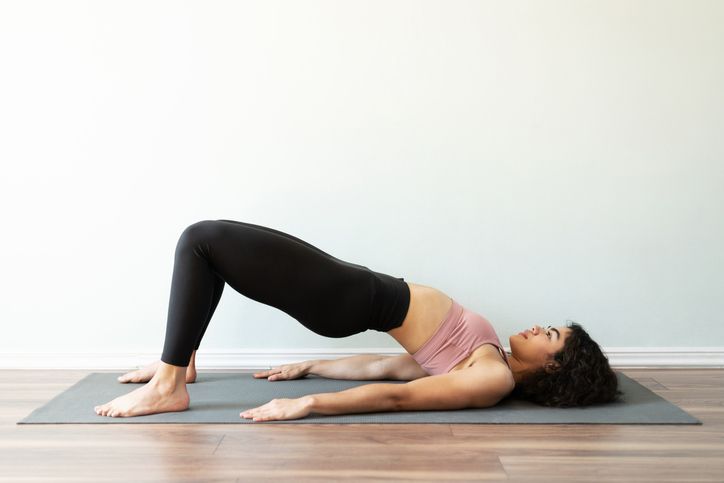
3. Glute Bridge
This well-known move not only targets the core, but also strengthens the lower body.
• Lie on your back, knees bent, arms at your sides, palms down.
• Tighten your core and lift your hips, forming a straight line from shoulders to knees.
• Lower back down and repeat.
• Do 10–12 reps per set, and aim for 3–4 sets.
Super Easy At-Home Slimming Routine: 3 Simple Steps to a Tighter Tummy
Step 1: Massage the Lower Belly
Gently press your hands against your lower belly and massage in a circular, upward motion. You should feel your lower abs engaging.
Step 2: Reach and Stretch
Lift both arms overhead like you’re doing a big morning stretch. At the same time, rise onto your toes. This move works your abs, glutes, thighs, and calves all at once. Keep it going for about a minute.
Step 3: Waist Twists
Clench your fists and open your arms wide. Bring your left knee up and touch it lightly with your right elbow, then switch sides. This twisting motion targets the rectus abdominis, transverse abdominis, and obliques—helping to tone the entire core.
免費體驗
S6 Body Sculpting Treatment
1 Minute Self-Registration
Date should not be before minimal date
Tighten Separated Abs and Target Stubborn Belly Fat with the S6 Body Sculpting Treatment
Even with the best diet and workout plan, many new moms struggle to flatten their post-baby belly. Between diaper changes, nursing, and sleepless nights, who has time to exercise every day?
That’s where the S6 Body Sculpting Treatment comes in.
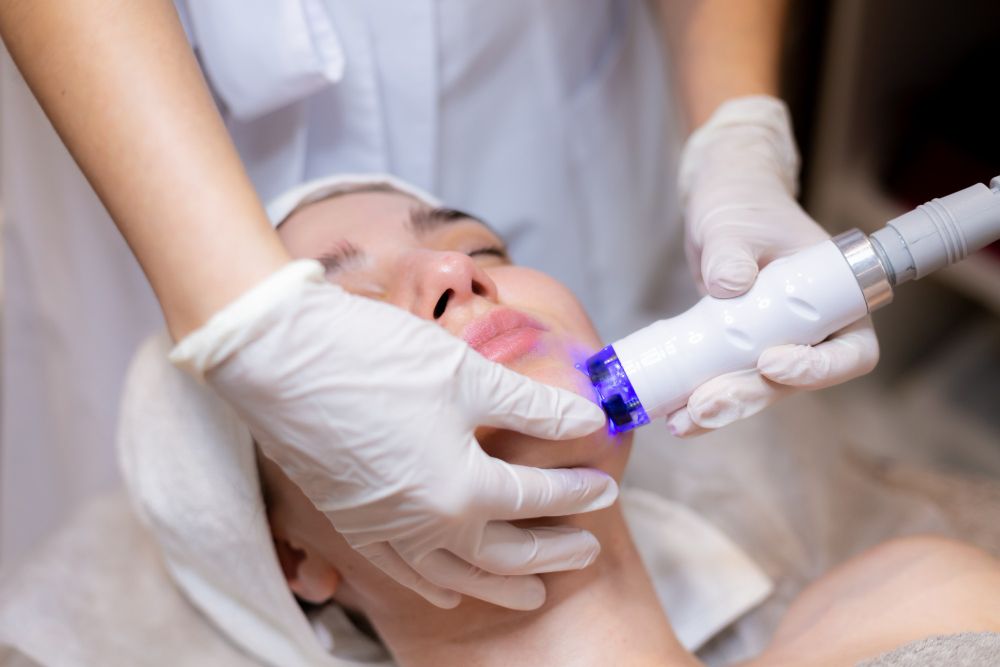
Using high-performance bio-laser technology, this non-invasive, pain-free treatment penetrates the subcutaneous fat layer of the abdomen, breaks down fat cells, and liquefies them into fatty acids that are easily eliminated via the lymphatic system. The result? A smoother, tighter waistline—without surgery or downtime.
Perfect for busy moms who want to reclaim their pre-baby figure fast! Book your free trial of Perfect Medical’s premium S6 Body Sculpting Treatment now and say goodbye to post-baby belly bloat!
免費體驗
S6 Body Sculpting Treatment
1 Minute Self-Registration
Date should not be before minimal date
FAQ

Why does postpartum belly sagging happen?
Postpartum belly sagging is most commonly caused by a condition called abdominal separation, or diastasis recti, which naturally occurs during pregnancy. As the baby grows, the uterus expands and stretches the abdominal muscles—specifically the rectus abdominis—causing the muscle fibers to pull apart. Even after childbirth, these muscles don’t immediately snap back into place, leaving many new moms with a soft, protruding belly, often mistaken for lingering pregnancy weight—what many call the post-baby pooch. Rapid weight gain during pregnancy also contributes. When calorie intake exceeds what the body needs—and exercise is lacking—excess sugar and fat are stored, especially around the midsection. Once fat forms in these areas, it becomes much harder to get rid of after delivery. Carrying twins or triplets puts even more strain on the skin and abdominal wall. With multiple babies growing inside, the belly expands more quickly, stretching the skin and breaking down collagen fibers. This also leads to a greater chance of abdominal muscle separation and, after birth, a looser, sagging belly that’s more difficult to recover from.
What is the principle behind traditional postpartum belly binding?
Traditional belly binding—an age-old practice used in many cultures—works by wrapping long cotton cloths tightly around the body from the pelvis up to the ribcage. During pregnancy, hormones cause a woman’s joints, ligaments, and muscles to soften, making room for the growing baby. This hormonal shift often leads to wider hips, abdominal separation, and organ displacement. The goal of belly binding is to gently compress the pelvis and abdominal area for at least 8 hours a day, helping the body return to its original shape. It supports pelvic realignment, promotes uterine contraction, and may relieve lower back pain or body aches after delivery.
How can I prevent loose belly skin?
The best defense is a combination of exercise and mindful eating—even during pregnancy. Gentle physical activities like yoga, walking, or light hiking can help maintain your stamina, support smoother labor, and build the foundation for faster recovery. Staying active also reduces the risk of loose skin and stretch marks later on. Breastfeeding is another natural fat-burning tool. Since breast milk is packed with nutrients, your body burns a significant amount of calories producing it—roughly 300 per day. It also stimulates uterine contractions, helping the uterus shrink back to its pre-pregnancy size faster.
What dietary tips should I follow during postpartum recovery?
While it's important to nourish your body after giving birth, that doesn’t mean eating anything and everything. Instead, focus on high-quality, nutrient-dense foods and avoid overly processed or fatty options. After birth, prioritize lean proteins such as cod, salmon, mackerel, and chicken. Complement these with whole grains and fiber-rich foods like brown rice, corn, purple rice, oats, fresh vegetables, and fruit. These foods not only help replenish the energy lost during labor and breastfeeding, but they also keep postpartum weight gain in check. Also, stay hydrated—drinking at least 2 liters of water daily can help flush out excess fluids and support digestion. If you’re experiencing bloating or water retention, drinks like red bean water or black bean water can help boost lymphatic drainage naturally.
Is there a faster way to tighten my tummy after giving birth?
If you’re looking for visible results with minimal effort, the S6 Body Sculpting Treatment by Perfect Medical is a highly effective, non-invasive option that many postpartum women swear by. This advanced treatment uses powerful bio-laser technology to target and penetrate subcutaneous fat layers in the belly. It breaks down fat and converts it into liquefied fatty acids, which are then naturally drained from the body through the lymphatic system. The result? Smoother, tighter skin, reduced sagging, and a more sculpted waistline—helping new moms bounce back to their pre-pregnancy figure faster than with diet and exercise alone.