- Home
- Trend
- Weight Loss Strategies
- Acne Tips
- Hair Health Information
- Blemish Removal Tips
- Acne Scar Removal Tips
- Muscle Building Techniques
- Intimate Care Tips
- Postpartum Intimate Care
- Eye Bags Wiki
- Tips for Face Slimming
- Secret of Permanent Hair Removal
- Breast Enlargement Tips
- Cure to Snoring
- Marionette Lines
- Skin-Tightening Secrets

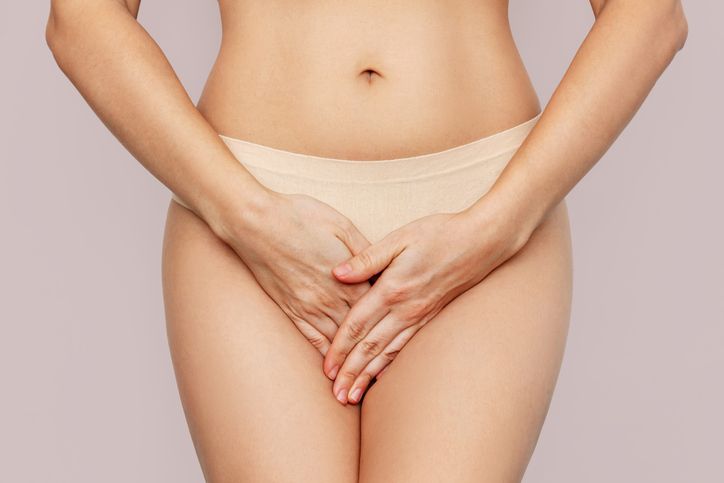
After giving birth, many women face sagging bellies resembling thin Indian flatbreads, covered with stretch marks.

Four Main Reasons for Postpartum Belly Sagging
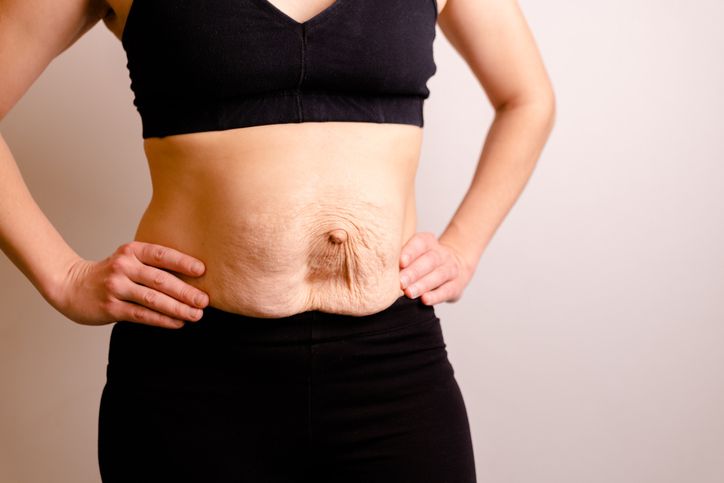
1. Body Type and Skin Quality: "Like mother, like daughter"—if your mother had stretch marks, your genetic makeup likely predisposes you to them as well. However, postpartum belly sagging depends not only on genetics but also on skin quality. Dry skin tends to wrinkle more easily and lacks moisture and elasticity, making postpartum sagging more likely. On the other hand, those who have maintained a consistent workout routine will have better skin elasticity and more toned abdominal muscles, reducing the chance of sagging. Additionally, women who have experienced rapid weight gain or loss are also more prone to postpartum belly sagging.
2. Large Baby or Multiple Births: Pregnant women carrying twins or triplets have their skin stretched to the limit by the size of the babies. This leads to the breakdown of collagen and elastin fibers in the dermis, causing stretch marks and thinning the belly. After delivery, the skin, already stretched thin, can result in sagging like an "Indian flatbread." In severe cases, surgery may be necessary to remove excess skin.
3. Rapid Weight Gain During Pregnancy: Some mothers gain weight quickly due to increased appetite or consumption of greasy, high-fat supplements, causing excessive weight gain. It's advised that mothers limit their weight gain to 15 kg during pregnancy, with a maximum of 20 kg. This is because hormonal changes during pregnancy cause the body to store fat more easily, preparing to nourish the baby and for childbirth. After delivery, it becomes more difficult to deal with belly sagging and weight loss.
4. Diastasis Recti: Diastasis recti is a term familiar to many expectant mothers. While the abdominal muscles are not cut during a cesarean section, they are separated. The abdominal muscles near the belly button, known as the rectus abdominis, are stretched and separated by the growing baby. After delivery, these muscles may feel weak or detached, making it harder for the abdomen to contract, leading to a protruding belly. Diastasis recti weakens the natural "corset" that supports the abdominal muscles and organs, causing sagging and potential complications like hernias.
Expert Advice: The Uterus Returns to Normal Size in 6 Weeks, It's the Abdominal Muscles That Are Weak!
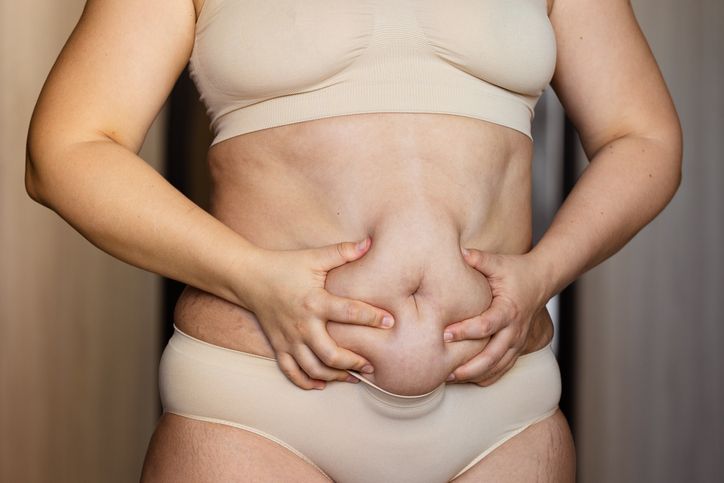
Many mothers believe that the postpartum belly is large and loose because the uterus is stretched. However, experts explain that the uterus returns to its normal size within 6 weeks after childbirth, and it's the abdominal muscles and skin that remain stretched. Additionally, many mothers face bloating issues post-birth, making the belly still appear as though they are in the early stages of pregnancy.
Compared to natural childbirth, mothers who undergo cesarean sections experience more severe muscle weakness in the abdomen. They must wait for the wound to heal before engaging in any post-birth exercises. Many avoid using abdominal muscles to prevent discomfort, which only worsens muscle atrophy.
免費體驗
S6 Body Sculpting Treatment
1 Minute Self-Registration
Date should not be before minimal date
Postpartum Belly Sagging? Check for Diastasis Recti!
Here’s a quick test to check for diastasis recti. Do not perform a sit-up, as it can worsen the separation of the muscles.
1. Lie flat and relax your body. Place your hands casually at your sides, bend your knees slightly, and keep your feet flat on the floor.
2. Slowly lift your head and shoulders off the floor (if it hurts, stop).
3. Place your fingers just below your belly button to feel the gap between the two rectus abdominis muscles.
• 1-2 finger widths: Normal. You can start exercises to tighten your abdominal muscles and reduce belly sagging.
• More than 3 finger widths: You may have more severe symptoms, such as constipation, urinary incontinence, or even a hernia. Seek medical advice promptly.
Postpartum Belly Sagging? Is It Fat or Loose Skin?
In addition to checking for diastasis recti, you can also perform a self-test to determine whether your postpartum belly is primarily fat or loose skin.
Fat-Type Postpartum Belly: If you pinch the belly and it feels thick, lacks elasticity, and cannot be stretched out, it's likely fat. This type of belly can be treated with fat-freezing or liposuction procedures.
Loose-Skin Postpartum Belly: If your belly feels loose with multiple folds, can be stretched thin, and you can still feel firm abdominal muscles beneath the skin, then it's a case of loose skin. This type of belly can benefit from electromagnetic wave treatments to tighten and lift the skin.
Best Time for Electromagnetic Wave Treatments: Electromagnetic treatments are most effective 2-3 weeks after childbirth, once the swelling has gone down. Consult your doctor before starting any treatments.
Is the Traditional Binding Belly Method Effective?
The traditional binding or "waist training" technique is very popular postpartum, but it’s worth discussing its pros and cons.
During the late stages of pregnancy, the body produces more relaxin, which loosens the ligaments around the joints and pelvis. This can cause the pelvis to widen and shift. Diastasis recti can also lead to lower back pain, with the pelvic tilt making the belly protrude. Using traditional binding or waist trainers provides additional support, similar to wearing a cast over a broken bone, which can help realign the pelvis and speed up recovery. However, it does not effectively tighten the belly or address bloating.
Doctors advise against wearing waist trainers for long periods as they may worsen muscle weakness, delaying recovery. Instead, postpartum women should focus on exercises to strengthen the abdominal and pelvic muscles.
免費體驗
S6 Body Sculpting Treatment
1 Minute Self-Registration
Date should not be before minimal date
Tighten Your Postpartum Belly with These 5 Habits: Burn 500 Calories a Day and Reduce Stretch Marks by 16%
1. Breastfeeding: If you have a fat-type postpartum belly, breastfeeding and milk massage are highly recommended. Breastfeeding burns approximately 500 calories a day, which significantly helps with postpartum weight loss. In just 6 weeks, you may lose about 5 kg.
2. Increase Collagen Intake: Collagen helps increase skin elasticity and muscle recovery. Protein-rich foods, such as meat, dairy, eggs, and plant-based sources like soybeans and peas, are excellent collagen boosters.
3. Massage with Fruit Acid Cream: Studies show that using fruit acid-based lotions on stretch marks every night can increase skin elasticity and reduce stretch marks by 16%. It may not be a drastic improvement, but it’s an easy step to enhance circulation and digestive health.
4. Drink Plenty of Water: Rather than sugary sodas or herbal teas, postpartum mothers should aim for 2L of water daily. Drinking enough water helps reduce bloating, speeds up skin cell regeneration, and improves skin elasticity, which is essential for healing and tightening the belly.
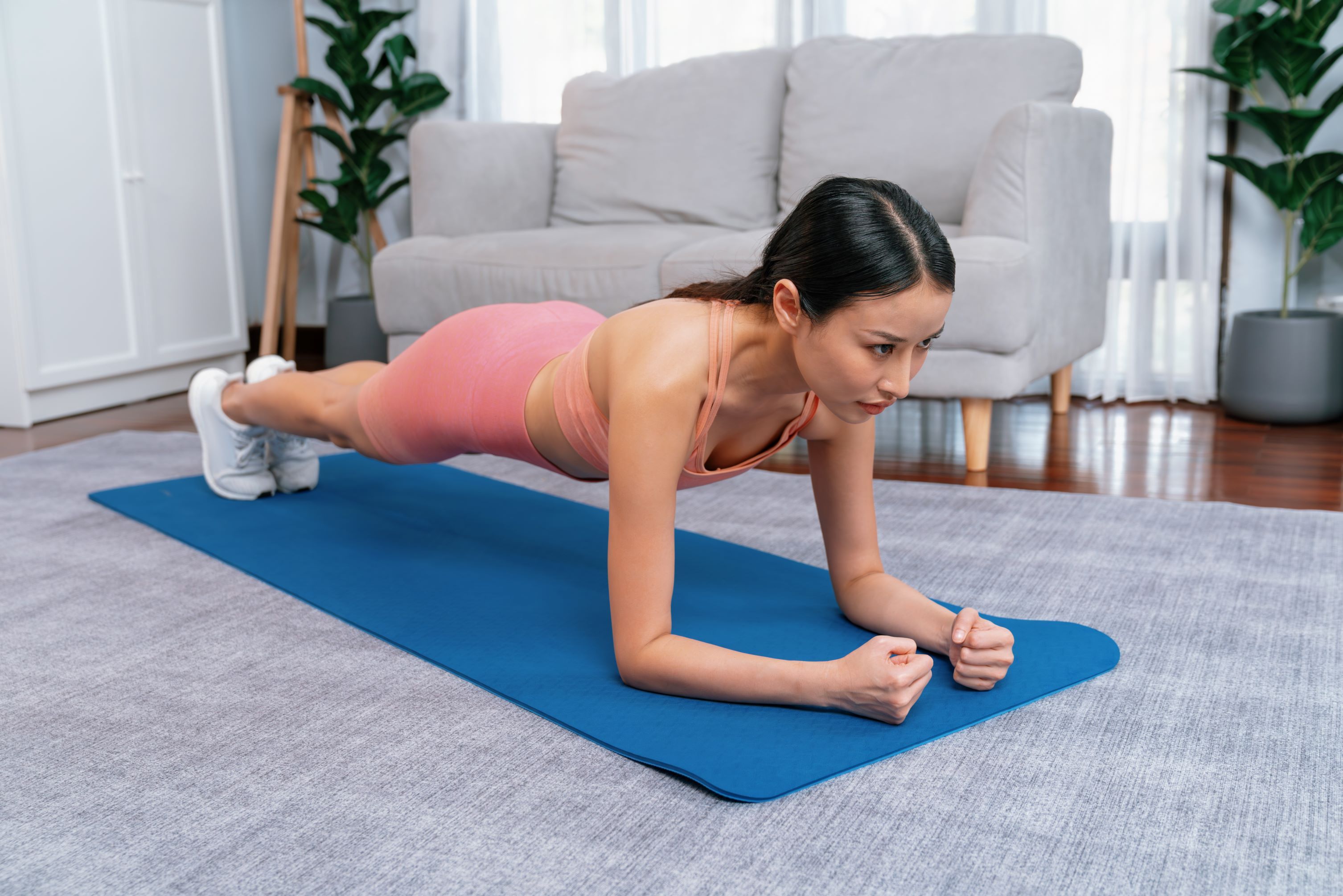
5. Postpartum Belly Tightening Exercises at Home: Start doing postpartum belly exercises before birth to help maintain skin elasticity and muscle tone. Even after a slight separation of abdominal muscles, well-toned abs will help speed up recovery. Incorporating these exercises consistently will help tighten the belly.
Postpartum Belly Exercises: Get Back to Feeling Your Core!
For natural deliveries, mothers can start after 3 days, and for C-sections, wait until after the postnatal period.
1. Diaphragmatic Breathing
• Lie on your back with knees bent and feet flat.
• Breathe in, expanding your belly, then exhale fully, pulling your belly inward.
• Perform 12-15 breaths per session, multiple times a day.
2. 90-Degree Leg Lifts
• Lie down, knees bent and feet flat.
• Exhale, using your abs to lift your legs, maintaining a 90-degree angle.
• Hold for 30 seconds, repeat 3-6 times.
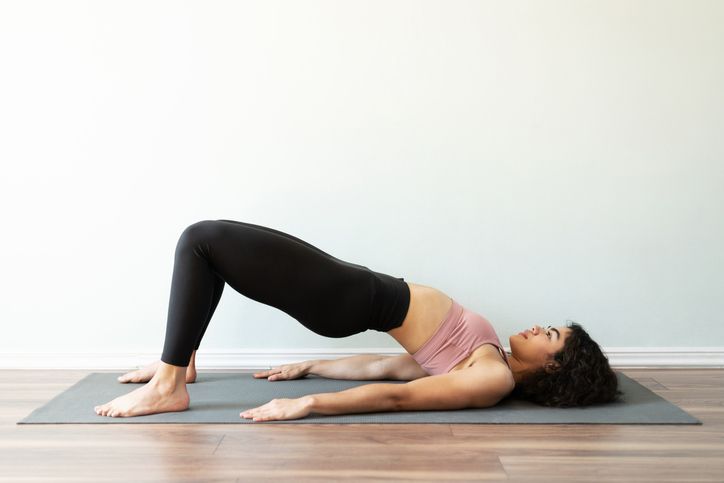
3. Hip Bridge + Leg Lift
• Lie down, knees bent and feet flat, hands at your sides.
• Exhale, lift your pelvis and lower back into a bridge.
• Alternate lifting each leg. Perform 12 reps per leg for 3-6 sets.
Korean Mom’s Postpartum Belly Tightening: 5 Moves for a Flat Stomach!
Korean fitness influencer SMI developed a set of exercises to tighten postpartum belly skin and sculpt a V-line stomach. After 5 months of dedication, she successfully toned her abs into a visible "V-line"!
1. Alternating Leg Raises
2. Alternating Leg Raises with a Slight Head Lift
3. Drawing Small and Large Circles
4. Elbow-to-Knee Crunches
5. Reverse Crunches
免費體驗
S6 Body Sculpting Treatment
1 Minute Self-Registration
Date should not be before minimal date
Postpartum Belly Sagging: Start These Exercises in the First 1-2 Months!
If you want to avoid a saggy postpartum belly, start a pregnancy-safe exercise routine early. After 1-2 months, gradually move to moderate-high intensity exercises, such as running, cycling, or strength training.
Postpartum Belly Extremely Hard to Tighten? Try the S6 Body Sculpting Treatment!
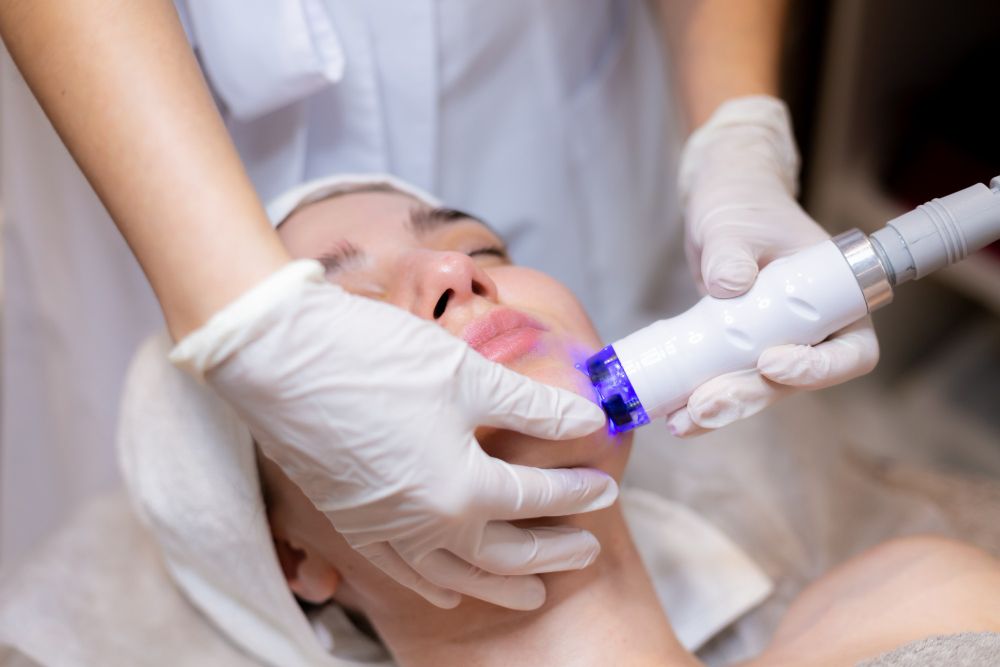
Even with the best exercise routines, some mothers still struggle with postpartum belly sagging due to factors like diastasis recti. In such cases, treatments like the S6 Body Sculpting Treatment, using advanced biolaser technology, can help break down and eliminate stubborn belly fat for tighter skin. Try it today by booking a free trial now!
免費體驗
S6 Body Sculpting Treatment
1 Minute Self-Registration
Date should not be before minimal date
FAQ

Why is postpartum body slimming and tightening the tummy so difficult?
Postpartum body slimming is considered one of the most challenging tasks, even harder than weight loss at any other stage. This is because the weight gained during pregnancy does not only come from fat but also from factors like abdominal muscle separation and pelvic displacement, which cause the belly to enlarge. Abdominal muscle separation causes the muscles to lose their supportive function, leading to sagging of internal organs, muscles, and skin, which results in a protruding belly, excess skin, and stretch marks. Pelvic tilting further causes the lower belly to stick out and makes the thighs appear bulkier. While weight loss during other times can often be achieved by dieting or fasting, postpartum body shaping requires exercise. Without muscle training, it is difficult to repair abdominal muscles, increase metabolism, and realign the pelvis. This could lead to persistent postpartum belly sag and back pain.
What are the 4 main reasons for postpartum belly sag?
Body type and skin quality: Skin quality and stretch marks are genetically influenced. If your mother had stretch marks during pregnancy, you are likely to have them as well. Additionally, women with dry skin are more prone to wrinkles and stretch marks, which increases the chances of postpartum belly sag. Large fetus or multiple pregnancies: If you carried twins or triplets, your belly skin would be stretched to its limit, causing collagen and elastic fibers in the dermis to break, resulting in stretch marks. After childbirth, the skin remains thin and saggy, and in severe cases, surgery may be required to remove excess skin. Rapid weight gain during pregnancy: Some mothers gain excessive weight during pregnancy, either due to increased appetite or consuming high-fat, oily foods and supplements. Weight gain during pregnancy should ideally be kept within 15 kg, and certainly not over 20 kg. Excessive weight gain will make it harder to reduce the belly fat after childbirth. Abdominal muscle separation: During pregnancy, as the fetus grows, the abdominal muscles, particularly the rectus abdominis near the belly button, get stretched and separated. After childbirth, these muscles lose their ability to contract, causing the belly to protrude and sag. The pelvis tilts forward, and this often results in lower back pain as well.
Are there different types of postpartum belly sag? How can you check?
Mothers can feel their belly to determine whether the issue is fat or just loose skin. If the belly feels thick, lacks elasticity, and doesn't stretch, it is likely fat-based postpartum belly sag, which is suitable for cryolipolysis (fat freezing). If the belly is loose, multilayered, and can stretch thin, yet you can still feel tight abdominal muscles beneath the skin, it is likely skin laxity, which can be treated with electromagnetic wave treatments to tighten and lift the skin.
What are the key points for tightening the postpartum belly and repairing abdominal muscles?
Breastfeeding: Breastfeeding helps reduce fat-based postpartum belly sag by burning about 500 calories per day, which can lead to a 5 kg reduction in 6 weeks. Collagen supplementation: Protein is essential for muscle synthesis, and it can also provide a feeling of fullness, helping with fat loss and muscle gain. Reduce stretch marks by 16%: Research shows that using fruit acid lotions for massaging stretch marks (such as those from pregnancy) every night can improve skin elasticity and reduce the appearance of stretch marks by 16%. Drinking plenty of water: Aim to drink over 2 liters of water a day to flush out water retention, promote skin cell regeneration, and speed up the skin's recovery and elasticity, improving postpartum belly sag. Home exercises to tighten the postpartum belly: There are various home exercises specifically designed to tighten the postpartum belly and repair abdominal muscles. The key is to start slowly, listen to your body, and be consistent.
How can the S6 Body Sculpting Treatment tighten the postpartum belly?
Perfect Medical's S6 Body Sculpting Treatment uses high-performance biolaser technology to penetrate the subcutaneous fat layer, breaking down fat and converting it into liquefied fatty acids. These fatty acids are then more easily metabolized through the lymphatic system and eliminated from the body, helping the postpartum belly to tighten. Perfect Medical also offers a free trial for this treatment—simply take 1 minute to register online. Mothers dealing with postpartum belly sag should not miss this opportunity!