- Home
- Trend
- Weight Loss Strategies
- Acne Tips
- Hair Health Information
- Blemish Removal Tips
- Acne Scar Removal Tips
- Muscle Building Techniques
- Intimate Care Tips
- Postpartum Intimate Care
- Eye Bags Wiki
- Tips for Face Slimming
- Secret of Permanent Hair Removal
- Breast Enlargement Tips
- Cure to Snoring
- Marionette Lines
- Skin-Tightening Secrets

Two common fitness questions: Can you really build muscle and lose fat at the same time? This article will reveal the answer to you.

Two Big Myths About Fat Loss & Muscle Gain

Myth 1: Is it really possible to gain muscle while losing fat?
You’ve probably heard the phrase “build muscle and burn fat” tossed around constantly. But can you really do both at the same time? The answer isn’t a simple yes or no.
Some believe it’s impossible because fat loss requires a calorie deficit, while muscle building needs a calorie surplus. Since those goals seem to require opposite diets, doing both at once sounds contradictory.
On the other hand, others argue that building muscle can help you lose fat. Why? Because more muscle boosts your basal metabolic rate, which means you burn more calories even at rest — making fat loss easier over time.
So who’s right? Technically... both!
To see actual results from a fat loss + muscle gain plan, you need to start with fat loss. Once your body fat is in a healthy range through calorie control and cardio, you can shift your focus to building muscle. And yes, weight training does help burn fat too — just doing cardio alone can leave you skinny-fat or even cause you to lose muscle.
Bottom line: If you don’t want to end up as a bulky “fat with muscles” type, prioritize fat loss first. Then build lean muscle and maintain it long-term. You can absolutely achieve both goals — as long as you fine-tune your training mix (cardio + strength training) and watch your calorie intake.
Myth 2: Do people with higher body fat gain muscle more easily?
It’s true: fat and muscle are two very different tissues — one doesn’t “turn into” the other. But many people with higher body fat see impressive results when starting a fat loss and muscle-building journey.
Why? Some studies suggest that those with more fat actually have an advantage in the early stages. That’s because fat provides a readily available energy source to fuel new muscle growth. So yes — beginners with higher body fat levels may find it easier to bulk up at first.
Are You a “Good Candidate” for Body Recomposition?

CID body type classification — Type I is the most ideal for body recomposition! Let’s break it down:
Type C — “High Fat, Low Muscle”
Type C individuals have higher body weight and body fat, but lower muscle mass. This is the most common body type — especially for beginners or “average” people who haven’t done any resistance training yet (including many women).
Reminder: being lightweight doesn’t always mean low body fat.
Type I — “Balanced & Ready”
Type I individuals have a normal weight and healthy body fat percentage. You’re in a great place to shift your focus away from cardio and start strength training to build lean muscle and lower your fat percentage even more.
Type D — “Fit & Lean”
Type D individuals already have a solid amount of muscle, a healthy weight, and low body fat. You’re in the ideal state for recomposition — just keep doing what you’re doing to maintain your results!
免費體驗
S6 Body Sculpting Treatment
1 Minute Self-Registration
Date should not be before minimal date
4 Types of People Who Get Faster Results from Body Recomposition
1. Complete Beginners
Anyone new to resistance training or fat loss can benefit from what fitness pros call the “newbie gains” phase. If you’ve been training for less than a year or your FFMI (Fat-Free Mass Index) is between 17–20, you’re likely still a beginner — and that means faster, more visible results early on.
2. Most Women
Women often focus more on fat loss and shy away from muscle-building moves, especially those that work the traps, calves, or thighs, fearing a “bulky” look. As a result, they often skip certain muscle groups or avoid pushing themselves to lift heavier — which limits results.
There’s a lot of room for improvement in both training intensity and volume here!
3. Ex-Athletes or Gym Goers Who Took a Break
If you’ve lifted before but took time off due to injury or life circumstances, you might find that getting back into training brings surprisingly quick results. That’s because of something called “muscle memory” — your body remembers how to bounce back faster.
4. People with Higher Body Fat
As mentioned earlier, individuals with more stored fat can build muscle faster — fat provides energy, and if you’re pairing it with good nutrition and strength training, you can transform your body composition more easily. Once fat levels drop, the underlying muscle becomes more visible.
Once You Know Your Body Type, Follow These 3 Steps to Structure Your Diet for Fat Loss and Muscle Gain
Step 1: Calculate Calories for Cutting or Bulking
1.1 Calculate Your Total Daily Energy Expenditure (TDEE)
First, figure out your Basal Metabolic Rate (BMR) using these formulas:
• Men: (13.7 × weight in kg) + (5 × height in cm) - (6.8 × age) + 66
• Women: (9.6 × weight in kg) + (1.8 × height in cm) - (4.7 × age) + 655
Next, multiply your BMR by your daily activity level to get your TDEE (Total Daily Energy Expenditure):
• Sedentary (desk job, little exercise): BMR × 1.2
• Light activity (1–3 workouts/week): BMR × 1.375
• Moderate activity (3–5 workouts/week): BMR × 1.55
• Active (6–7 workouts/week): BMR × 1.725
• Very active (daily intense training or manual labor): BMR × 1.9
1.2 How to Adjust Calories for Fat Loss or Muscle Gain
Don’t just “guesstimate” your intake—use your TDEE to guide your daily calorie goals:
• Cutting phase (fat loss): TDEE × 0.8–0.9
• Bulking phase (muscle gain): TDEE × 1.1–1.2
Some experts suggest women with high body fat or BMI can reduce calories by 10% below TDEE. If you’re overweight but doing strength training, sticking to your exact TDEE might be enough. On the other hand, if you're lean and trying to build muscle, you’ll need a calorie surplus and more protein—up to 2.2g per kg of body weight.
1.3 Macronutrient Breakdown: Fat Loss vs. Muscle Gain
Getting enough calories is important, but the macronutrient ratio matters too. Here’s a breakdown for each phase:
• Muscle Gain: Carbs 40–50%, Protein 30–40%, Fat 10–30%
• Fat Loss: Carbs 20–30%, Protein 40–50%, Fat 20–40%
• Maintenance (Keep Fit): Carbs 20–30%, Protein 40–50%, Fat 20–40%
Step 2: How to Eat and Hydrate Effectively
2.1 How Much Water Should You Drink?
Hydration is often overlooked—especially during strength training, where you may not sweat as much as during cardio. But building muscle and losing fat both demand more water. Water helps with metabolism and muscle repair, and muscle tissue itself holds more water than fat.
Basic daily water intake formula: Body weight (kg) × 40ml
For example, if you weigh 57kg:
57 × 40 = 2,280ml/day minimum. Drink even more when exercising.
2.2 One High-Carb Meal—Post-Workout!
If you’re new to training, have a higher body fat percentage, or are just getting started, experts recommend limiting high-carb meals to just one per day, and timing it right after strength training. If you work out in the morning, your post-workout breakfast becomes your high-carb meal. Keep carbs low the rest of the day to support fat loss.
2.3 Night Owls & Slower Metabolism? Time Your Carbs Pre-Workout
Your metabolism slows at night. If you train in the evening, don’t wait until after your workout to eat a heavy meal. Instead, have a carb-rich main meal about 3 hours before your session. If you're hungry post-workout, opt for a small low-carb snack. Avoid late-night heavy eating—it can interfere with sleep and digestion.
Step 3: What to Eat — Focus on Quality Protein
3.1 Post-Workout: The “Golden Window” for Protein + Carbs
Your post-workout meal is critical. Studies show eating protein and carbs immediately after a workout can help your muscles absorb three times more glycogen compared to waiting two hours. Whether you're lifting weights or doing cardio, eat soon after to help your body refuel and repair.
3.2 Choose Complete Proteins
Not all proteins are created equal. High-quality or "complete" proteins contain all 9 essential amino acids—these can’t be produced by your body and must come from food. Complete proteins are mostly found in animal sources (meat, eggs, dairy), but some plant-based options like soy and peas also qualify.
3.3 Stick to Whole Foods Over Protein Powders
Protein shakes are convenient, especially for women with smaller appetites. But unless you're aggressively cutting or bulking, it’s better to eat whole, natural foods. Why? Protein powders lack diversity in nutrients—they often miss essential minerals, fiber, and other micros. Overreliance can suppress appetite, mess with your digestion, and even lead to nutrient deficiencies (like calcium, magnesium, and zinc). Whole foods support better health and more sustainable gains.
Key to Fat Loss and Muscle Gain – Building Muscle
1. Increase Weight Training Frequency, Cut Down on Cardio
Experts say you don’t need to do cardio after every strength training session—doing both can sometimes cancel each other out. Too much cardio may hinder your muscle-building progress. If your goal is to build muscle, it’s better to reduce cardio to 2–3 sessions per week, and limit it to no more than 45 minutes. Early morning before breakfast is the best time. If you’re lifting regularly and intensely, you’ll still create a calorie deficit and lose fat effectively—no need to worry!
2. Adjust Your Reps and Weight
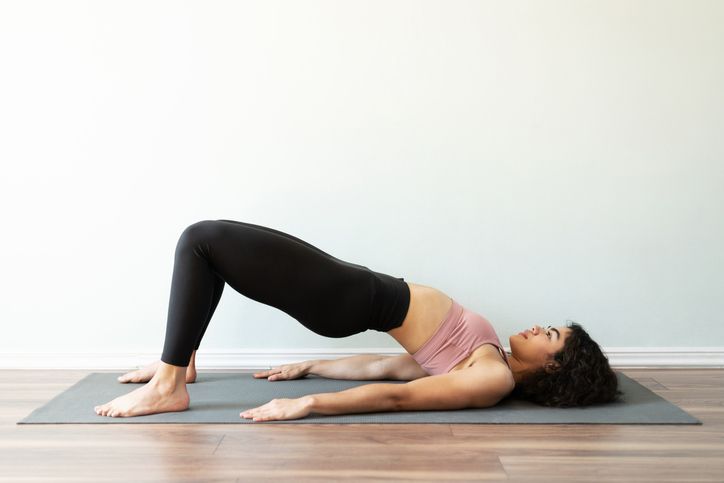
Even without a personal trainer, you can learn to increase resistance safely. For instance, if you can do 18 glute bridges in one set without feeling challenged—and could probably do 5 more—it’s time to add weight. Place a dumbbell across your hips for added resistance. No equipment? Increase reps instead—but if you can do more than 30 easily, you must add weight. Otherwise, it turns into cardio, not resistance training.
3. Do Compound Movements
Sticking to the same basic moves over and over will only get you so far. Cardio burns fat all over, but weight training lets you target specific areas. Doing just a few exercises limits muscle stimulation, which can create imbalances. Mix it up—combine free weights with machine exercises, and focus on compound movements (that engage multiple muscles) for better results and more fun.
4. Apply Progressive Overload
Your muscles and fat are surprisingly “smart”—they won’t change unless you push your body to its limits. Fat loss and muscle gain require effort. When you create a calorie deficit, your body starts using fat for fuel. When you lift beyond your current limit, muscle fibers tear, and your body rebuilds them stronger. Continually pushing your limits through progressive overload is the only way to see results.
免費體驗
S6 Body Sculpting Treatment
1 Minute Self-Registration
Date should not be before minimal date
Key to Fat Loss and Muscle Gain – Lifestyle Habits
1. Track Progress: Photos & InBody Scans
If you’re training and eating well, you’ll notice more defined curves and firmer skin—even if your weight stays the same or goes up slightly. Body fat percentage is what really matters. Some women worry about getting “too muscular” from lifting. Don’t! Muscle takes a long time to build. Weight might not change much, so take weekly progress photos or use an InBody scan to track your results.
2. Get Enough Sleep to Boost Growth Hormones
Body transformation isn’t just about workouts and diet—it’s also about rest and recovery. If you’re overworked or sleep-deprived, fix that before jumping into strength training. Poor sleep affects your focus, stamina, and muscle tightness, increasing your risk of injury. According to Traditional Chinese Medicine, excessive sweating depletes your “heart blood,” possibly leading to heart palpitations, night sweats, or insomnia. Most importantly, good sleep boosts growth hormone, which supports protein synthesis and fat loss—key to a flatter belly!
“I Don’t Know How to Lift, and I Can’t Afford a Trainer!”
Try the S6 Body Sculpting Treatment Instead!
Let’s be real—many women dream of hitting the gym but get intimidated by the machines and muscle-bound guys, not to mention not knowing how to use the equipment correctly or safely. If that sounds like you, there’s another way: you can literally lie down and slim down.
The Perfect Medical S6 Body Sculpting Treatment uses high-performance bio-laser technology to penetrate deep into the fat layer, breaking down fat and converting it into liquid fatty acids. These are easily flushed out through the lymphatic system, helping you slim down naturally—with zero downtime and no side effects. You can go right back to work or your normal routine immediately!
Sound like a dream? Now it’s reality. Tap the link below to register for a free trial of the S6 Fat Reduction & Body Sculpting Treatment—takes just 1 minute!
免費體驗
S6 Body Sculpting Treatment
1 Minute Self-Registration
Date should not be before minimal date
FAQ

Who can build muscle and lose fat the fastest?
Beginners: If your FFMI score is between 17–20 or you’ve been strength training for less than a year, you're in the prime zone for fast results. Most women: Women actually tolerate higher training volumes than men but often don’t push their limits. There’s huge room for improvement in strength training. Returning lifters: If you've taken a break due to injury or life events, your body can bounce back quickly once you resume training. People with higher body fat: Studies show those with higher body fat tend to gain muscle faster because they have more energy and nutrients available for muscle building. Leaner individuals need to focus more on protein and calorie intake.
How do you calculate calories for bulking and cutting phases?
It all starts with calculating your TDEE (Total Daily Energy Expenditure). Use your BMR (Basal Metabolic Rate) and multiply it by your activity level (see Part 2). Once you have your TDEE: For cutting (fat loss): TDEE × 0.8–0.9. For bulking (muscle gain): TDEE × 1.1–1.2. There are plenty of free TDEE calculators online to help.
How should macronutrients be adjusted for different phases?
Muscle gain: Carbs 40–50%, Protein 30–40%, Fat 10–30%. Fat loss: Carbs 20–30%, Protein 40–50%, Fat 20–40%. Maintenance (Keep Fit): Carbs 20–30%, Protein 40–50%, Fat 20–40%.
What are the key dietary tips for muscle gain?
Take advantage of the post-workout window: If you only eat one high-carb meal a day, make sure it’s right after your workout. Research shows that immediate post-exercise carb and protein intake can store 3 times more glycogen in muscle than delaying by 2 hours. Focus on complete proteins: These contain all 9 essential amino acids your body can’t make on its own. They’re mostly found in animal products like meat, eggs, and dairy. Eat real, whole foods: While protein powders are convenient, they’re nutrient-poor and can cause digestive issues or reduce appetite. Long-term use can even lead to deficiencies. Whether you're bulking or cutting, opt for unprocessed, whole foods whenever possible.
Any other fat-loss treatments worth considering?
Yes! If you’re looking for a hassle-free solution to tone up and sculpt your shape, the Perfect Medical S6 Body Sculpting Treatment is a great choice. With advanced bio-laser technology, it breaks down stubborn fat cells, liquifies them, and flushes them out through your lymphatic system. You’ll slim down naturally with no side effects or recovery time. It’s a simple way to balance your busy lifestyle and body goals.