- Home
- Trend
- Weight Loss Strategies
- Acne Tips
- Hair Health Information
- Blemish Removal Tips
- Acne Scar Removal Tips
- Muscle Building Techniques
- Intimate Care Tips
- Postpartum Intimate Care
- Eye Bags Wiki
- Tips for Face Slimming
- Secret of Permanent Hair Removal
- Breast Enlargement Tips
- Cure to Snoring
- Marionette Lines
- Skin-Tightening Secrets

In fast-paced Hong Kong, time is money! We all know health is wealth, yet our busy schedules and low energy often make long workouts seem impossible after OT. So, is there a workout that’s short, highly effective, and perfectly suited to Hong Kong’s hectic lifestyle? Enter Tabata!

1. What is Tabata? Origins and Science Explained
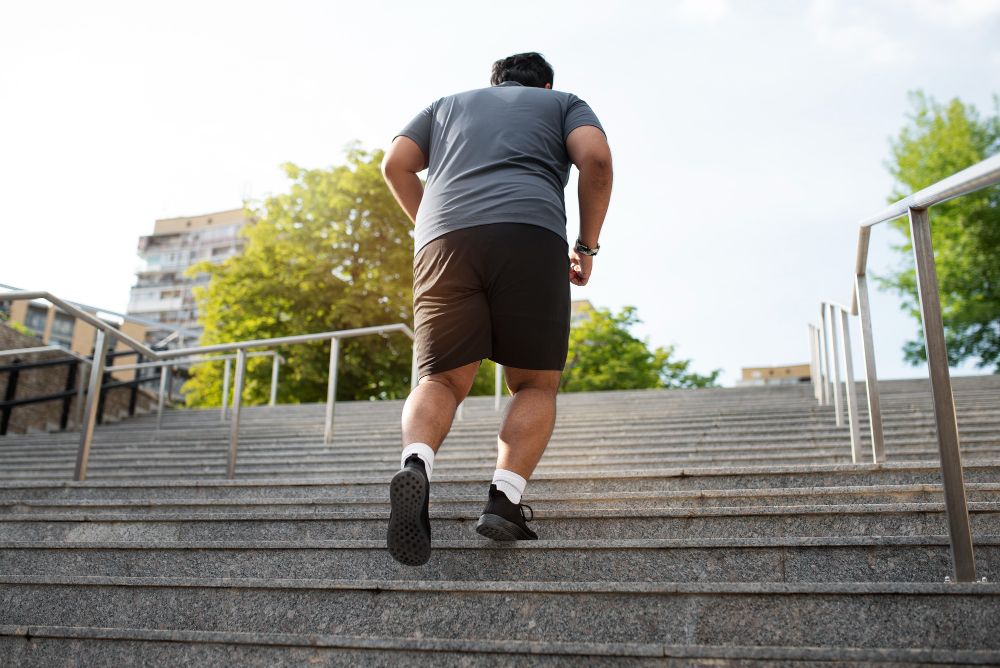
Tabata has become a buzzword in fitness circles, but what exactly is it? It’s not just a workout—it’s a specific form of high-intensity interval training (HIIT).
The History and Science of Tabata
Tabata training originated in Japan. In 1996, Dr. Izumi Tabata and his research team studied athletes on Japan’s national speed skating team. They discovered that, compared to traditional long-duration moderate-intensity workouts, a unique interval training pattern could significantly improve both aerobic and anaerobic capacity.
The key? 20 seconds of all-out effort, followed by 10 seconds of rest, repeated for 8 cycles—totaling only 4 minutes.
Dr. Tabata’s findings shook the sports science world. His research showed that this ultra-short, high-intensity training could boost cardiovascular performance and outperform longer traditional cardio in many ways.
Tabata’s Core Principle: Afterburn Effect (EPOC)
The secret behind Tabata’s efficiency is Excess Post-Exercise Oxygen Consumption (EPOC), also called the afterburn effect.
Imagine pushing your body to the limit: heart racing, muscles burning. Even after you stop exercising, your body doesn’t immediately return to rest. To repair muscles, replenish energy stores, and balance hormones, your body continues to burn more oxygen and energy than usual—sometimes for hours, even up to 24 hours!
What does this mean? Even after finishing your workout, your body keeps burning fat. Tabata maximizes this afterburn effect, keeping your metabolism elevated post-exercise and helping you continue fat loss even when you’re not working out. For busy Hongkongers, this makes Tabata a highly attractive fat-burning method.
2. Why Tabata is Popular in Hong Kong: 4 Key Benefits
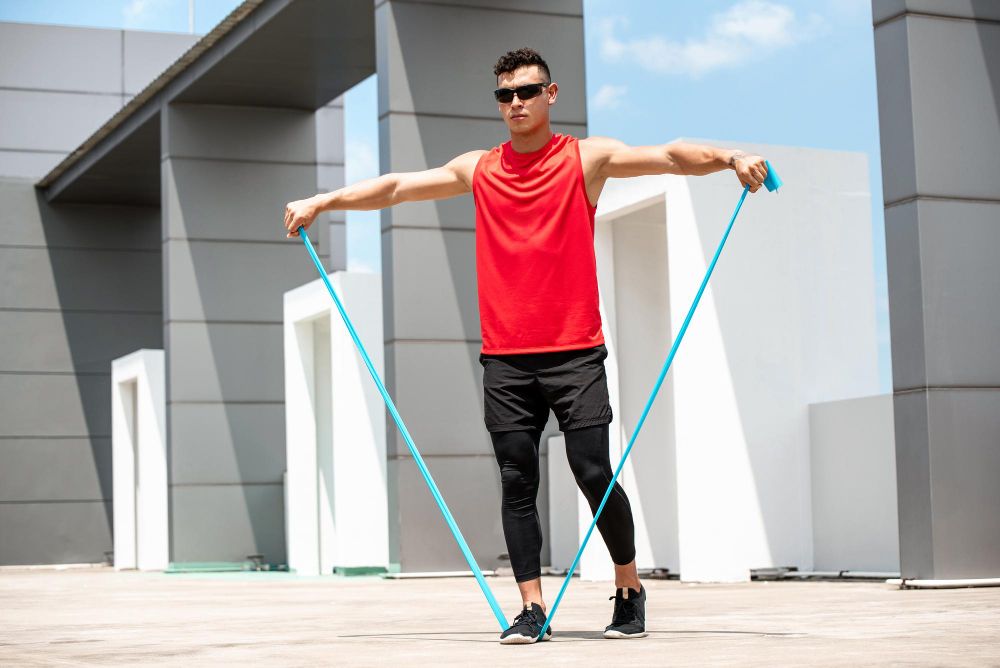
Hong Kongers face tight schedules, long working hours, and limited space—Tabata fits these conditions perfectly.
1. Extreme Time Efficiency: 4-Minute Workouts
Tabata’s biggest appeal is how short it is. Four minutes is manageable—during lunch breaks, after work, or even while watching TV at home. It provides maximum results in minimal time, perfect for Hong Kong’s fast-paced lifestyle.
2. No Equipment Needed: Do It Anywhere
Tabata requires almost no space or equipment. Bodyweight exercises like squats, burpees, jumping jacks, and lunges can be done in small apartments, offices, parks, or even hotel rooms—no gym required.
3. Full-Body Conditioning: Burn Fat, Build Muscle, Improve Cardio
Despite the short duration, Tabata’s intensity is high:
4. Efficient fat burning: the afterburn effect continues calorie burn post-workout.
Muscle growth: high-intensity training stimulates muscle development, increasing strength and endurance.
Cardiovascular benefits: explosive exercises boost heart and lung function in a short time.
5. Break Weight Loss Plateaus and Challenge Yourself
If you’ve been exercising with slow progress, Tabata stimulates your body in new ways, helping you overcome plateaus and reignite your fitness motivation.
免費體驗
S6 Body Sculpting Treatment
1 Minute Self-Registration
Date should not be before minimal date
3. Tabata vs HIIT: What’s the Difference?
Tabata is often confused with HIIT, but there’s a key difference. HIIT is a broad concept of alternating high-intensity and rest periods, while Tabata is a specific, structured form of HIIT.
| Feature | HIIT | Tabata |
|---|---|---|
| Definition | Any workout alternating high-intensity effort with short rest periods. | Specific HIIT format: 20 sec all-out + 10 sec rest, 8 cycles. |
| Time | Variable total duration (e.g., 30 sec work / 30 sec rest, repeated 10x) | Fixed: 4 minutes total (8 rounds x 30 sec) |
| Intensity | High, adjustable | Maximum effort required |
| Flexibility | Highly flexible in exercises and timing | Very rigid structure, but exercise choice possible |
| Origin | Developed from various research and training methods | Dr. Izumi Tabata’s research with athletes |
Summary: Think of Tabata as a carefully designed sprint challenge, pushing your body to its limits in just 4 minutes. HIIT is a broader, adaptable training framework with customizable intervals.
4. Tabata Workout Plan: Beginner to Advanced
Beginner Tabata Routine
For Tabata beginners or those with low fitness levels, start with low intensity and focus on form.
Suggested exercises: (20 sec work, 10 sec rest, 8 rounds)
1. Jumping Jacks – full-body warm-up, elevate heart rate
2. High Knees – core and leg explosiveness
3. Squats – target glutes and legs; knees should not pass toes
4. Push-Ups – chest, arms, and core (modify with knees or wall if needed)
5. Burpees – classic full-body move (break into stages if needed)
6. Lunges – leg and glute strength, alternating legs
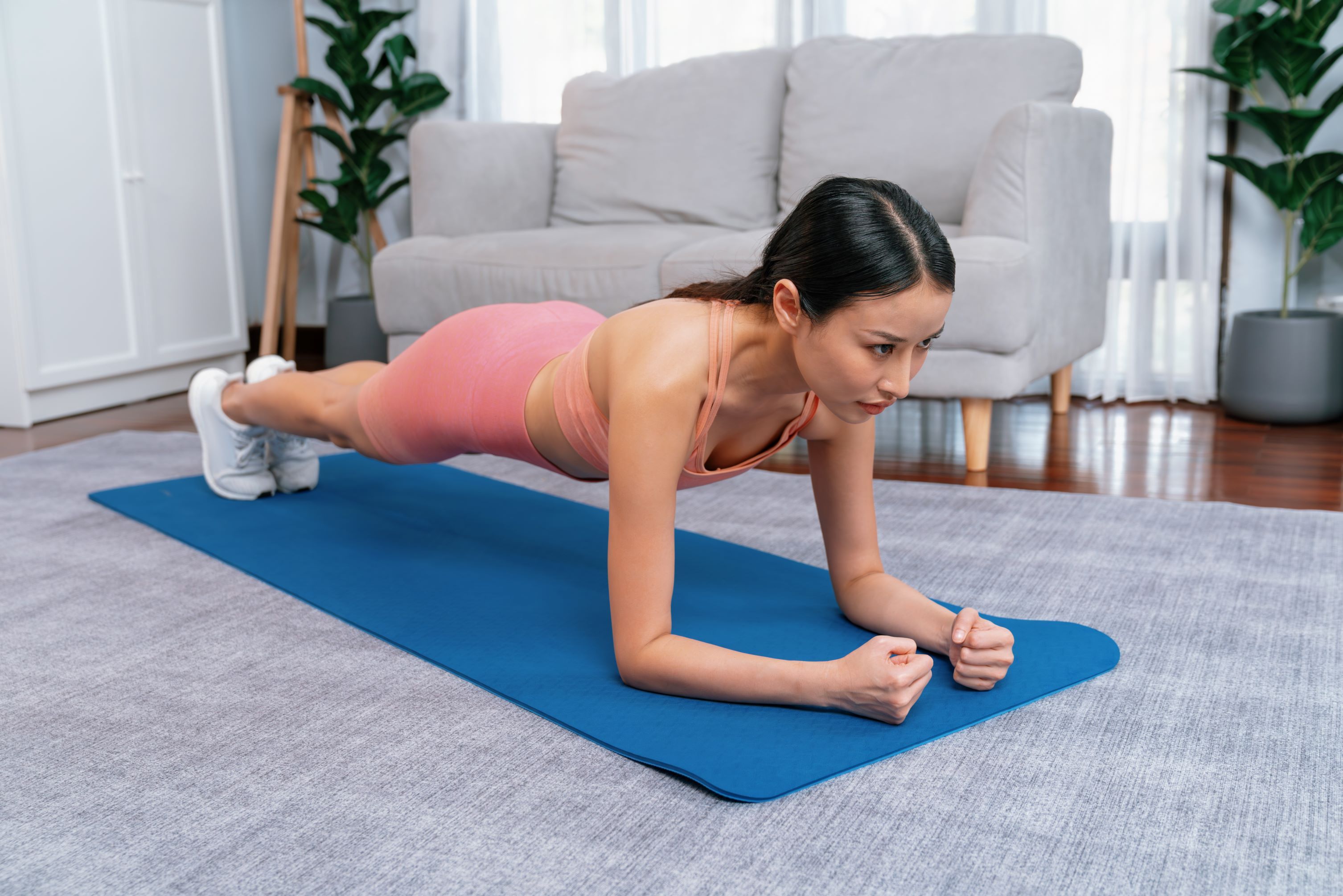
7. Plank – core stability, maintain a straight line
8. Crunches – strengthen abs
Frequency: 2–3 times/week, at least one rest day in between.
Tips:
• Warm up 5–10 min (light cardio, joint mobility, dynamic stretches)
• Cool down 5–10 min (static stretches)
• Listen to your body—stop if you feel severe pain
• Prioritize proper form over speed to prevent injuries
Advanced Tabata Routine
Once comfortable, add challenging moves or shorten rest (keeping 10 sec is recommended).
Advanced exercises:
• Box Jumps – leg explosiveness
• Medicine Ball Slams – full-body power
• Russian Twists – core strength
• Pull-Ups – back and arm strength
• Single-Arm Dumbbell Rows – back and core stability
Variations:
• Weighted Tabata: add light dumbbells or resistance bands
• Multi-Move Tabata: chain exercises (e.g., burpees 20 sec + rest 10 sec, squat jumps 20 sec + rest 10 sec, repeat 8 rounds)
5. Tabata Fat-Loss Tips: Diet + Exercise Combo
Even though Tabata is highly effective for fat burning, diet is equally important for optimal results.
1. Balanced Diet & Calorie Control
2. High protein: supports muscle repair and satiety (chicken breast, fish, tofu, eggs)
Quality carbs: whole grains, brown rice, oats, sweet potatoes for energy
Healthy fats: avocado, nuts, olive oil
Plenty of fruits & vegetables: vitamins, minerals, fiber
Avoid processed foods and sweets
3. Stay Hydrated
Water aids metabolism, fat burning, and detoxification—before, during, and after workouts.
4. Adequate Sleep
Poor sleep affects hormones, increases appetite, and promotes fat storage. Aim for 7–9 hours nightly.
5. Combine with Other Exercises
While Tabata is powerful, adding other workouts targets all muscle groups and improves cardiovascular fitness:
6. Aerobic exercises: jogging, swimming, cycling
Strength training: additional weight training builds more muscle, boosting metabolism
免費體驗
S6 Body Sculpting Treatment
1 Minute Self-Registration
Date should not be before minimal date
6. Afterburn Effect Isn’t Enough Alone—S6 Body Sculpting Treatment Doubles Fat-Loss Results
Tabata suits busy Hongkongers. Even though 4 minutes daily adds up over time, short workouts alone may not drastically reduce fat or shape your body—especially if cardiovascular endurance is low. High-intensity exercise without proper preparation can risk injuries or muscle strains.
Achieving ideal body shape requires time, effort, consistency, and healthy eating. For faster, noticeable results, medical aesthetics can help maximize fat-loss effects.
S6 Body Sculpting Treatment is perfect for busy or “lazy” individuals. It targets stubborn fat deposits and shapes the body using high-performance bio-laser, breaking down deep fat into fatty acids that are then removed via vacuum-assisted metabolism. Ideal for abdominal or central obesity, it effectively sculpts a firm, youthful silhouette.
Register online for a free trial now and let advanced medical technology give you the edge in fat loss!
Register Online: Perfect Medical's S6 Body Sculpting Treatment免費體驗
S6 Body Sculpting Treatment
1 Minute Self-Registration
Date should not be before minimal date
FAQ

What’s the difference between Tabata and HIIT?
Tabata is a form of HIIT: 20 sec work + 10 sec rest x 8 rounds (4 min). HIIT is more flexible with time and intensity.
Is Tabata suitable for everyone?
Not recommended for those with cardiovascular issues, joint problems, pregnant women, or severe obesity. Consult a doctor or trainer first.
Can I do Tabata every day?
No—2–3 times per week with at least one rest day is recommended.
Do I need a timer?
A Tabata timer app helps track intervals with voice cues for more focus.
Will Tabata make my muscles bulky?
Unlikely. Tabata mainly improves endurance and tone. Women generally won’t bulk up; men seeking size need additional strength training and diet.