- Home
- Trend
- Weight Loss Strategies
- Acne Tips
- Hair Health Information
- Blemish Removal Tips
- Acne Scar Removal Tips
- Muscle Building Techniques
- Intimate Care Tips
- Postpartum Intimate Care
- Eye Bags Wiki
- Tips for Face Slimming
- Secret of Permanent Hair Removal
- Breast Enlargement Tips
- Cure to Snoring
- Marionette Lines
- Skin-Tightening Secrets

The popularity of 16:8 intermittent fasting has never waned! Even celebrities like Rainie Yang have tried the "8-hour diet" as a shortcut to quick weight loss. However, behind the hype, the downsides of 16:8 fasting cannot be ignored. Many people experience discomfort or even negative effects when practicing this method. So, what are the drawbacks of 16:8 fasting? Is it suitable for everyone? In this article, professional nutritionists break down the potential issues of 16:8 fasting—read first before you start dieting!

1. What Is 16:8 Fasting? A Brief Overview of Its Benefits and Drawbacks
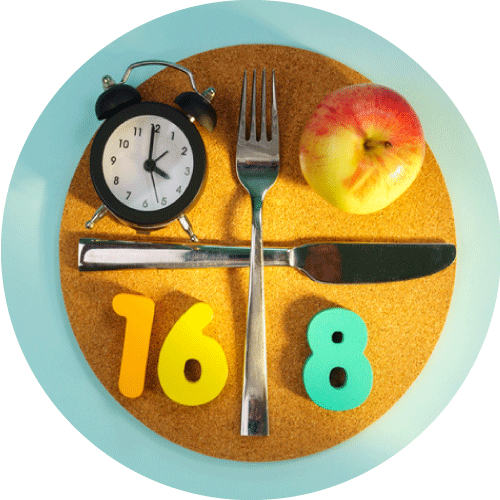
Before diving into the drawbacks, let's review the core concept of 16:8 fasting and its widely promoted “benefits of fasting.”
16:8 fasting is a type of intermittent fasting where daily eating is limited to an 8-hour window, leaving the remaining 16 hours as a fasting period. For example, you might choose 12:00 PM to 8:00 PM as your eating window. During the fasting period, only calorie-free beverages like water, black coffee, or unsweetened tea are typically allowed.
Commonly Promoted Benefits of 16:8 Fasting:
• Promotes fat burning: Lower insulin levels during fasting encourage the body to use stored fat as energy, facilitating fat breakdown and weight loss.
• Improves insulin sensitivity: Helps stabilize blood sugar levels, potentially benefiting the prevention and management of type 2 diabetes.
• Cellular autophagy: Extended fasting may activate autophagy, aiding in cell repair and renewal.
• Simplifies eating: A restricted eating window can help some people manage overall calorie intake more easily.
However, 16:8 fasting is a double-edged sword. Focusing only on benefits while ignoring potential drawbacks can lead to challenges associated with this method.
2. Drawbacks of 16:8 Fasting: Risks and 11 Types of People Who Should Avoid It
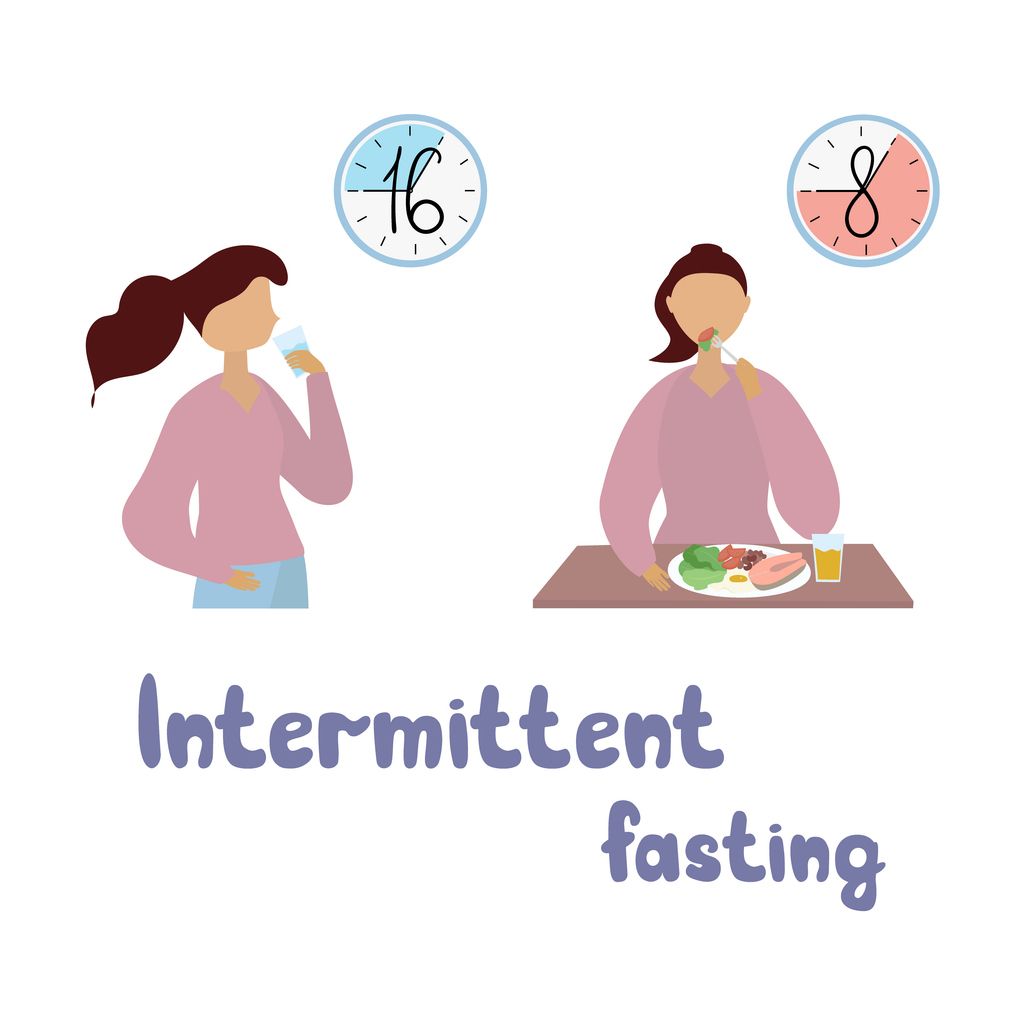
Although 16:8 fasting works for some, its potential drawbacks and risks can be significant depending on individual health conditions and eating habits.
1. Nutritional Deficiencies and Imbalance
One of the most common drawbacks of 16:8 fasting. While the method doesn’t restrict what you can eat during the 8-hour window, many people try to consume large amounts of food in a short time or fail to get a diverse range of nutrients.
Nutritionist Reminder: Eating during an 8-hour window doesn’t justify overeating or poor food choices. Lack of sufficient low-fat protein, whole grains, vegetables, fruits, and healthy fats can lead to deficiencies in vitamins and minerals, causing fatigue, weakened immunity, and negative health impacts that may also hinder weight loss.
2. Blood Sugar Fluctuations and Discomfort
Extended fasting can lead to significant blood sugar swings, especially for some individuals.
16:8 Fasting Issue: Low blood sugar may cause dizziness, fatigue, poor concentration, and mood swings. While the body uses glucagon to stabilize blood sugar, this can be risky for diabetics or people with unstable blood sugar levels.
3. Gastrointestinal Problems
Long fasting periods can negatively affect the digestive system.
16:8 Fasting Issue: The stomach continues to secrete acid even when empty. Without food to neutralize acid, excessive secretion may cause stomach pain, heartburn, or aggravate conditions like gastritis or ulcers. Irregular eating can also affect bowel movements, leading to constipation. People with a history of stomach issues should approach fasting cautiously.
4. Social Life Impact
The eating schedule restrictions may interfere with social interactions.
16:8 Fasting Issue: Dining with friends, family gatherings, or business meals can conflict with the fasting window, potentially causing awkwardness or social pressure over time.
5. Psychological Stress and Risk of Eating Disorders
Dieting itself can be stressful, and strict fasting schedules may worsen this.
16:8 Fasting Issue: Anxiety or guilt may arise when unable to eat outside the set window. This hyper-focus on food restriction can trigger binge eating or even eating disorders like anorexia or bulimia, especially for those already prone to such conditions.
6. Muscle Loss Risk
While fasting promotes fat burning, inadequate protein intake or lack of resistance training may cause the body to break down muscle for energy.
16:8 Fasting Issue: Muscle is crucial for metabolism. Losing muscle lowers basal metabolic rate, making it easier to regain weight later and negatively impacting long-term weight loss.
7. Not Suitable for Certain Groups
16:8 fasting is not suitable for everyone. Some people should avoid it or only follow it under medical supervision.
16:8 Fasting Issue: Pregnant or breastfeeding women, children, adolescents, diabetics (especially those on medication), people with low blood sugar, those with a history of eating disorders, chronic medication users, individuals with cardiovascular disease, or people performing heavy physical labor should not follow 16:8 fasting casually. Certain rapid weight loss or drastic dietary changes may also increase gallstone risk.
免費體驗
S6 Body Sculpting Treatment
1 Minute Self-Registration
Date should not be before minimal date
3. Nutritionist Li Wanping Explains: How to Minimize 16:8 Fasting Drawbacks
To avoid risks and maximize weight loss, nutritionist Li Wanping emphasizes “correct execution” and “understanding yourself.”
1. Focus on Eating Quality
• Prioritize low-fat protein: Ensure each meal contains adequate protein (chicken breast, fish, tofu, eggs) to maintain muscle and satiety.
• Choose whole foods: Opt for unprocessed foods such as whole grains, fresh vegetables and fruits, and healthy fats (avocado, nuts).
• Mind total calories: While precise calorie counting isn’t required, weight loss still depends on consuming fewer calories than you burn.
2. Stay Hydrated
Drink plenty of water during fasting to reduce hunger and maintain hydration. Black coffee, unsweetened tea, and sparkling water are allowed.
3. Listen to Your Body
If you feel dizzy, weak, or extremely hungry, don’t push yourself. Shorten fasting or add easily digestible foods. Beginners can start with 12:12 or 14:10 fasting schedules to help the body adapt gradually.
4. Exercise Appropriately
Combine cardio with resistance training to burn calories and build muscle, which improves fat-burning efficiency. Resistance training is especially important for maintaining or increasing muscle mass.
5. Psychological Adjustment
View fasting as a dietary method, not strict punishment. Reduce food anxiety and enjoy your eating window. If stress is high, adjust your fasting plan. One “cheat” meal doesn’t negate overall healthy habits.
6. Avoid Unsuitable Groups
If you belong to the groups advised against fasting, follow professional guidance. Health comes first—weight loss shouldn’t compromise your well-being. Those with chronic conditions (cardiovascular disease, diabetes, gallstones) should consult a doctor or nutritionist before fasting.
7. Supplements and Meal Plans
Supplements cannot replace a balanced diet. For nutritional needs, consult a nutritionist. Some products claim to accelerate fat breakdown, but their efficacy and safety require more scientific verification. Follow professional meal plan guidance for balanced nutrition during eating windows.
4. Alternative Fasting Methods and Flexible Options
If 16:8 fasting isn’t suitable or sustainable, other fasting methods or weight loss strategies may work:
• 5:2 Fasting: Limit calorie intake to 500–600 kcal on 2 non-consecutive days each week while eating normally on the other 5 days.
• 14:10 Fasting: Extend the eating window to 10 hours and reduce fasting to 14 hours—gentler for beginners and reduces stomach acid issues.
• Flexible fasting: Don’t follow a strict schedule daily. Adjust fasting according to lifestyle or body needs, e.g., fasting only on weekdays.
• Traditional diet + exercise: The safest and most effective approach remains a healthy diet combined with regular exercise. As long as calories consumed are fewer than calories burned, weight loss occurs naturally.
5. 16:8 Fasting Isn’t for Everyone and Cannot Guarantee No Rebound! Maintain Your Figure Pain-Free with S6 Body Sculpting Treatment
16:8 fasting can be effective, but it has limitations and isn’t suitable for everyone. Understanding its potential drawbacks and risks is essential before starting.
Even if early results are promising, weight loss plateaus are inevitable without exercise (cardio or resistance training). Nutritionists warn: you can’t fast 16:8 forever—without movement, metabolism slows, and weight gain may occur. Too busy, tired, or dislike exercise? Medical aesthetic treatments can help maintain results.
S6 Body Sculpting Treatment is perfect for busy or lazy people. It targets local fat deposits for body shaping. Using high-powered biolaser, it breaks down deep fat into fatty acids, which are then removed via vacuum suction. Ideal for abdominal or central obesity, it helps create firm, youthful contours.
Sign up online now to enjoy a trial of the S6 Body Sculpting Treatment. Limited spots available! Let medical technology help you fight stubborn fat.
Grab Your Trial: Perfect Medical's S6 Body Sculpting Treatment免費體驗
S6 Body Sculpting Treatment
1 Minute Self-Registration
Date should not be before minimal date
FAQ

Why do I feel dizzy or weak during 16:8 fasting?
Blood sugar fluctuations, inadequate adaptation to long fasting, or dehydration. Gradually extend fasting time and ensure balanced meals.
My stomach feels uncomfortable during fasting. Is this normal?
Prolonged fasting may increase stomach acid. Persistent discomfort means 16:8 fasting may not suit you; consult a doctor or nutritionist.
Does 16:8 fasting cause muscle loss?
Yes, if protein intake is insufficient and resistance training is lacking, the body may break down muscle for energy.
I feel emotionally unstable on 16:8 fasting. Is this a drawback?
Strict diet restrictions can increase stress and affect mood. Blood sugar swings or food anxiety may also contribute.
Is 16:8 fasting suitable for everyone? Who shouldn’t try it?
Not for everyone. Pregnant or breastfeeding women, children, adolescents, diabetics, people with low blood sugar, those with a history of eating disorders, and individuals with cardiovascular disease or on medication should avoid it.