- Home
- Trend
- Weight Loss Strategies
- Acne Tips
- Hair Health Information
- Blemish Removal Tips
- Acne Scar Removal Tips
- Muscle Building Techniques
- Intimate Care Tips
- Postpartum Intimate Care
- Eye Bags Wiki
- Tips for Face Slimming
- Secret of Permanent Hair Removal
- Breast Enlargement Tips
- Cure to Snoring
- Marionette Lines
- Skin-Tightening Secrets

Freckles around the nose can look cute when you are young, but when a large, stubborn pigmentation patch appears — the infamous hormonal melasma — it immediately becomes a cosmetic concern. Hormonal pigmentation typically covers a larger area and is far more difficult to fade than common dark spots. So what exactly causes hormonal melasma? How can we treat or improve it?

What Is Hormonal Melasma?
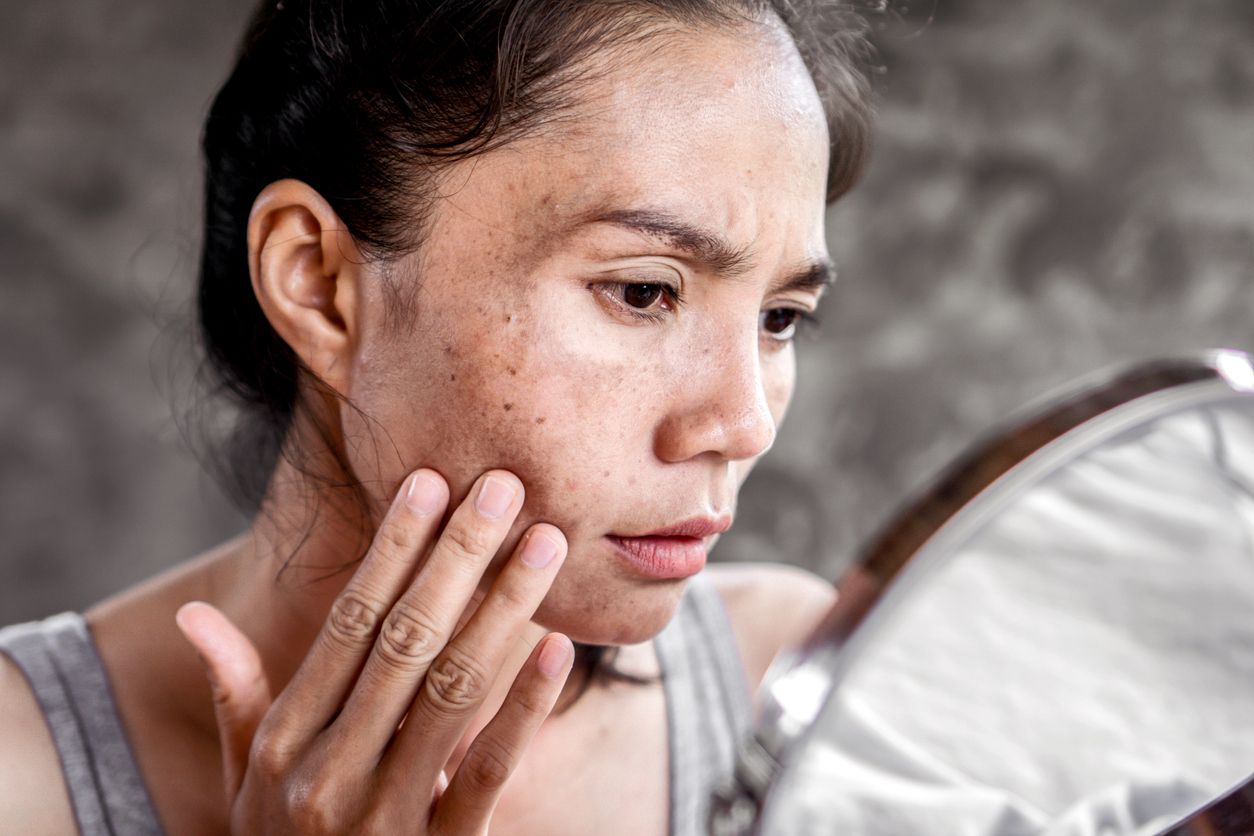
Hormonal melasma is a type of pigmentation located in the deeper layers of the skin. Because the pigmentation appears dark brown or yellow-brown, resembling the color of pork liver, it is also known as “liver spots.” It is most common among women aged 20 to 50. The patches tend to appear symmetrically on both cheeks, making them highly visible and affecting one’s overall appearance.
Characteristics of Hormonal Melasma
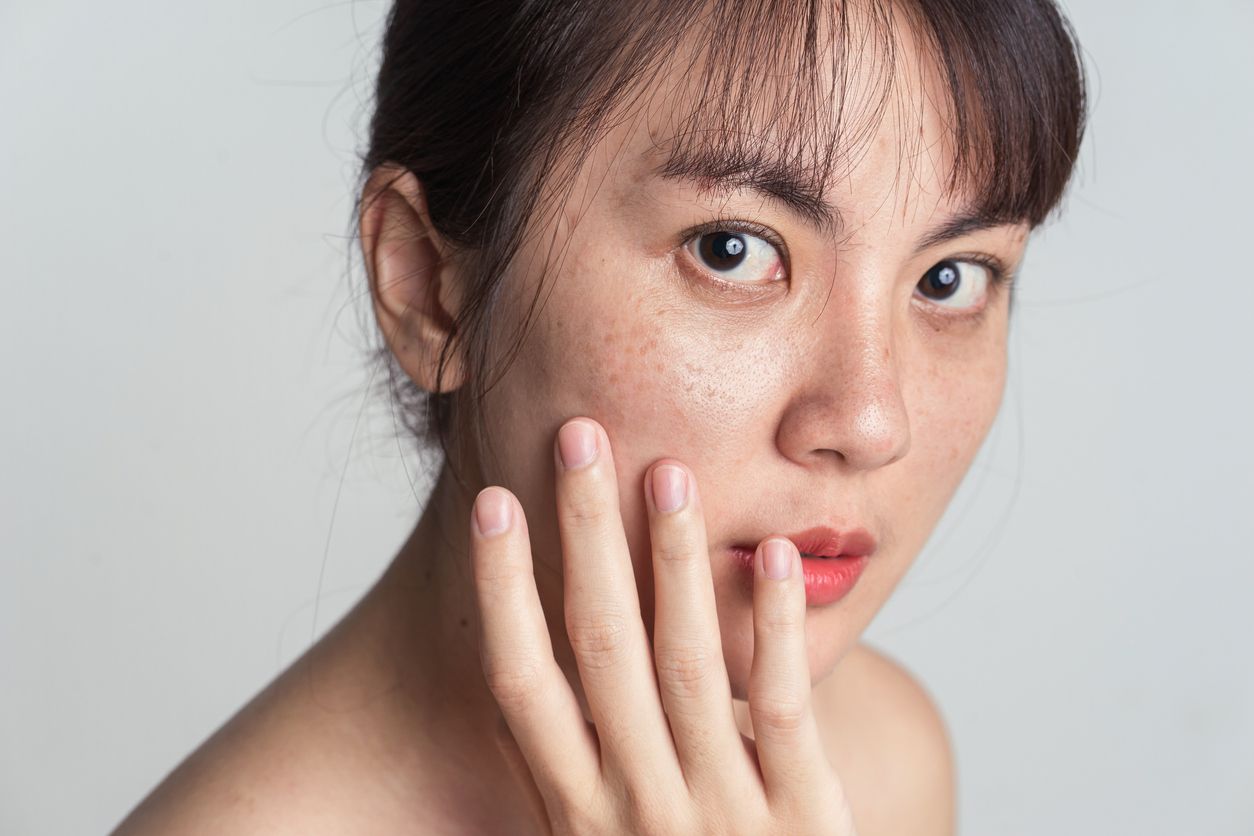
Hormonal melasma troubles many women. Unlike superficial pigmentation, it can sit on the epidermis, the dermis, or both. Its key characteristics include:
1. Light brown or dark brown patches
2. Irregular shapes with indistinct borders
3. Typically distributed across both cheeks, cheekbones, forehead, upper lip, and the bridge of the nose
4. In severe cases, it may spread across the entire face
免費體驗
PicoCure Pigmentation Removal Treatment
1 Minute Self-Registration
Date should not be before minimal date
What Causes Hormonal Melasma?
Once you confirm that the pigmentation you see is hormonal melasma, you must address the root cause before choosing a treatment strategy. While hormonal imbalance is the primary cause, several other factors can further aggravate the condition.
Cause 1: UV Exposure
Ultraviolet rays are the skin’s greatest enemy. They accelerate aging, dehydrate the skin, induce wrinkles, and stimulate melanocytes to produce more melanin. Without proper sun protection, this accumulated melanin eventually becomes visible as hormonal pigmentation.
Cause 2: Hormonal Changes
Hormonal fluctuations are one of the best-known triggers. Pregnancy, oral contraceptives, and hormone replacement therapies can all alter hormone levels and induce pigmentation. During pregnancy, the body experiences elevated levels of estrogen, progesterone, and melanocyte-stimulating hormone (MSH), making melasma extremely common. This type of melasma is also called “pregnancy mask,” and typically fades after hormone levels normalize postpartum.
Cause 3: Genetic Predisposition
Melasma is often genetically linked and can be inherited as a dominant trait. Women with a family history of melasma may develop it easily, even with diligent sun protection.
Cause 4: Poor Lifestyle Habits
Irregular meals, inadequate sleep, and chronic fatigue can disrupt hormonal balance and escalate melasma. Using unsuitable skincare products can also cause inflammation, which encourages melanin accumulation and eventually forms pigmentation problems.
Cause 5: Stress
Under constant stress, the body stimulates the production of more melanin. High-pressure lifestyles, especially for office workers who sit for long hours, reduce healthy blood circulation and further increase the risk of melasma.
A Traditional Chinese Medicine (TCM) Perspective on Hormonal Melasma
Melasma can be stubborn. Many women turn to TCM treatments in addition to topical brightening serums and prescription creams.
TCM believes that “internal imbalances manifest externally.” All types of pigmentation are seen as warning signs reflecting internal disharmony. Hormonal melasma is categorized as “black patches,” commonly linked to stagnated liver qi, blood stasis, and kidney yin deficiency. Urban lifestyles and chronic stress often produce poor blood circulation, leading to blood stasis that eventually manifests as facial pigmentation.
TCM treatments typically involve herbal medicine, acupuncture, and acupoint massage. Practitioners will first evaluate the patient’s constitution before prescribing relevant herbs such as bupleurum, white peony, ligusticum, and angelica dahurica. For individuals with blood stasis, circulation-promoting herbs will be emphasized.
What to Eat to Improve Pigmentation?
Diet can play a role in reducing hormonal melasma. By consuming natural ingredients rich in nutrients, the skin can be strengthened from within to lighten pigmentation. The following foods are commonly recommended:
Pigmentation-Reducing Food 1: Black Fungus
Black fungus is known for its skin-nourishing and anti-aging benefits. It helps moisturize the skin and minimize the formation of pigmentation.
Pigmentation-Reducing Food 2: Cucumber
Cucumber contains vitamins, amino acids, and fruit acids that brighten and soothe the skin, reduce dullness, and help relieve post-sun inflammation. It may also help ease melasma.
Pigmentation-Reducing Food 3: Carrots
Rich in vitamin A and beta-carotene, carrots support healthy cell turnover, whiten the skin, and reduce melanin. Beta-carotene also protects the skin from UV damage, helping prevent pigmentation.
Pigmentation-Reducing Food 4: Almonds
From a TCM perspective, almonds promote healthy blood circulation, nourish the skin, reduce pigmentation, and help maintain elasticity.
免費體驗
PicoCure Pigmentation Removal Treatment
1 Minute Self-Registration
Date should not be before minimal date
The Most Natural and Effective Ways to Lighten Pigmentation: Do Home Remedies Really Work?
Once melasma develops, it is crucial to act quickly. Many home remedies circulate online—some topical, some oral. The editor tested several popular ones:
Editor Test: Carrot Juice Mask
Though vitamin A theoretically supports skin renewal, applying carrot juice directly offers no such benefit. After one week of use, there was no visible improvement.
Editor Test: Drinking Lemon Water
Lemon water can help brighten skin for people with strong stomachs. However, for those prone to acid reflux, it can trigger discomfort. Inconsistent intake results in minimal benefits.
Editor Test: Washing Face with Tea
While pleasant and easy to maintain, tea water stays on the skin for too short a time to significantly reduce pigmentation. Two weeks of use yielded no improvement.
Editor Test: Washing Face with Rice Water
This method was skipped due to hygiene concerns. Rice water contains microorganisms and debris and may cause inflammation or folliculitis, especially if the skin barrier is compromised. Not recommended for anyone prone to pigmentation.
How to Prevent Hormonal Melasma
Melasma is notoriously difficult to remove. Since it can appear at any age, prevention is essential. Consistent daily habits make the biggest difference.
Prevention Method 1: Consistent Sun Protection
UV rays are the top trigger of melasma. Daily sunscreen application and protective accessories like hats are crucial. Products with SPF 30 or higher are recommended.
Prevention Method 2: Using Brightening Skincare
Ingredients such as arbutin, vitamin C, and tranexamic acid help suppress melanin formation and reduce the likelihood of new pigmentation.
Prevention Method 3: Stress Management
Emotional imbalance and anger are key contributors. Activities such as exercise or hobbies can help regulate mood and prevent pigmentation driven by liver-related stress.
Prevention Method 4: Adequate Sleep
Quality sleep allows the skin to repair, promotes healthy metabolism, and accelerates melanin breakdown.
Professional Treatment Options for Hormonal Melasma
Professional treatments remain the most effective way to manage deep pigmentation.
Method 1: Prescription Depigmenting Creams
These typically include exfoliating or melanin-inhibiting ingredients that encourage the shedding of pigmented cells. They work well for superficial pigmentation but have limited effect on deep melasma.
Method 2: Chemical Peels
Fruit acid peels help remove dead skin, accelerate skin turnover, and reduce melanin accumulation. They can lighten pigmentation but may not fully address deeply rooted melasma.
Method 3: IPL Photorejuvenation
While IPL can target multiple concerns at once, its dispersed energy can also trigger post-treatment darkening, especially for deeper melasma. There is a risk of making the pigmentation darker.
Method 4: Laser Therapy
Pico laser is the most reliable and effective option for melasma. Its ultrashort pulses break down melanin into fine particles that the body can naturally eliminate, making it highly effective for deep pigmentation.
免費體驗
PicoCure Pigmentation Removal Treatment
1 Minute Self-Registration
Date should not be before minimal date
Say Goodbye to Hormonal Melasma — Visible Results in One Session
Melasma is notoriously difficult to treat, and most home remedies prove ineffective. Carrot juice masks, tea-water cleansing, and rice-water washing lack scientific backing and may worsen the skin.
To effectively remove hormonal melasma, professional treatment is essential.
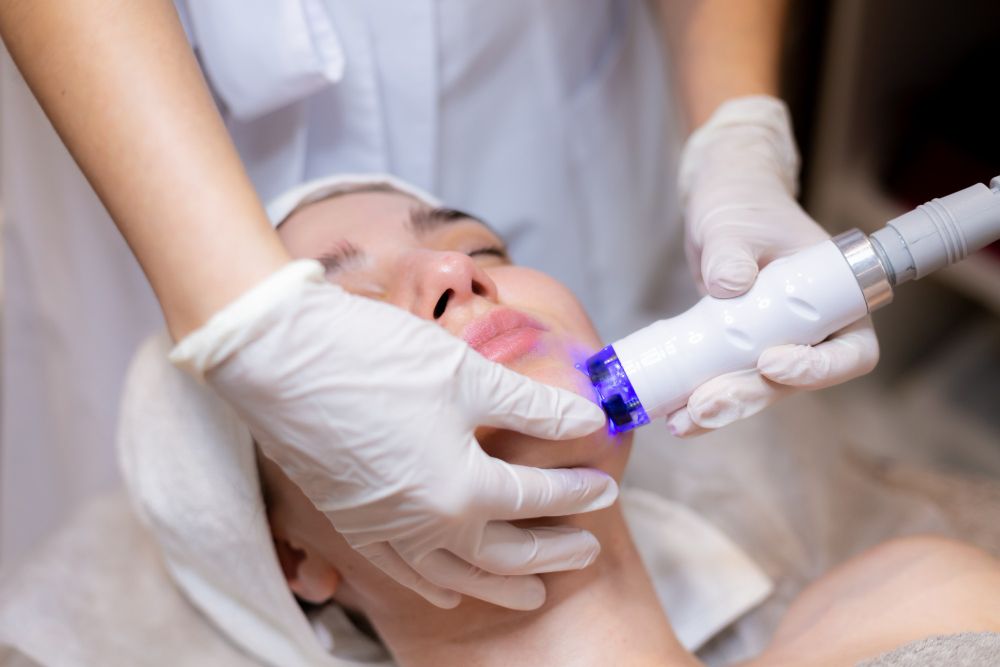
Perfect Medical’s second-generation PicoCure laser features four wavelengths, making it 1,000 times faster than traditional lasers. The enhanced pico-level pulses shatter both superficial and deep melanin, including stubborn freckles, sunspots, hormonal melasma, deep dermal spots, and general hyperpigmentation. Large melanin clusters are first broken down by nanosecond laser before pico pulses refine them into dust-like particles for natural clearance. The treatment also stimulates fibroblasts to produce healthy collagen, softening wrinkles and acne scars.
免費體驗
PicoCure Pigmentation Removal Treatment
1 Minute Self-Registration
Date should not be before minimal date
FAQ

What causes hormonal melasma?
Hormonal melasma forms primarily due to UV exposure, hormonal fluctuations (such as pregnancy or contraceptives), and lifestyle factors that disrupt hormone balance. Inflammation from unsuitable skincare products can also trigger melanin accumulation.
What foods can help lighten pigmentation?
Black fungus, cucumbers, carrots, and almonds are commonly recommended. They help nourish the skin, brighten complexion, reduce melanin, and enhance blood circulation.
Does washing the face with rice water really lighten pigmentation?
Although rice water contains nutrients, its whitening effect has never been scientifically proven. Hygiene concerns also make it unsuitable for sensitive or damaged skin.
Can topical cream remove hormonal pigmentation?
Depigmenting creams help with surface-level pigmentation but have limited impact on deep hormonal melasma.
Any recommended laser treatment for melasma?
The PicoCure second-generation pico laser effectively targets deep and superficial pigmentation, breaks down stubborn melanin, and stimulates collagen regeneration.