- Home
- Trend
- Weight Loss Strategies
- Acne Tips
- Hair Health Information
- Blemish Removal Tips
- Acne Scar Removal Tips
- Muscle Building Techniques
- Intimate Care Tips
- Postpartum Intimate Care
- Eye Bags Wiki
- Tips for Face Slimming
- Secret of Permanent Hair Removal
- Breast Enlargement Tips
- Cure to Snoring
- Marionette Lines
- Skin-Tightening Secrets

A few freckles around the nose in childhood can look cute and playful, but once the “boss-level” pigmentation known as hormonal spots (melasma) appears, they become a major cosmetic concern. These spots tend to cover a large area and are harder to eliminate than regular pigmentation. So what exactly causes hormonal pigmentation, and how can it be treated or improved?

What is Hormonal Pigmentation?
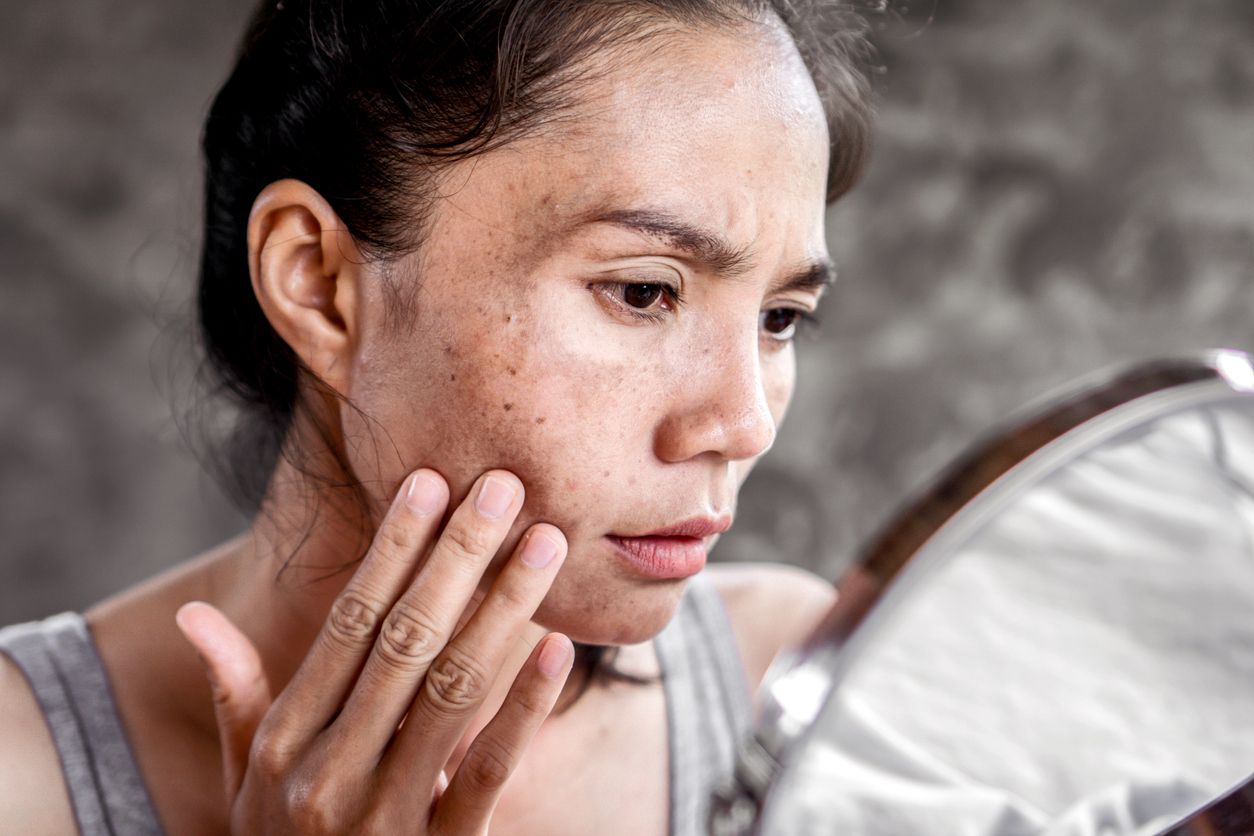
Hormonal pigmentation, also known as melasma or chloasma, is a type of deeper-layer pigmentation. Due to its dark yellow-brown color resembling liver, it’s also referred to as "liver spots." It most commonly affects women between the ages of 20 to 50 and typically appears symmetrically on both cheeks. Because of its prominent location, it can significantly affect one’s appearance.
Characteristics of Hormonal Pigmentation
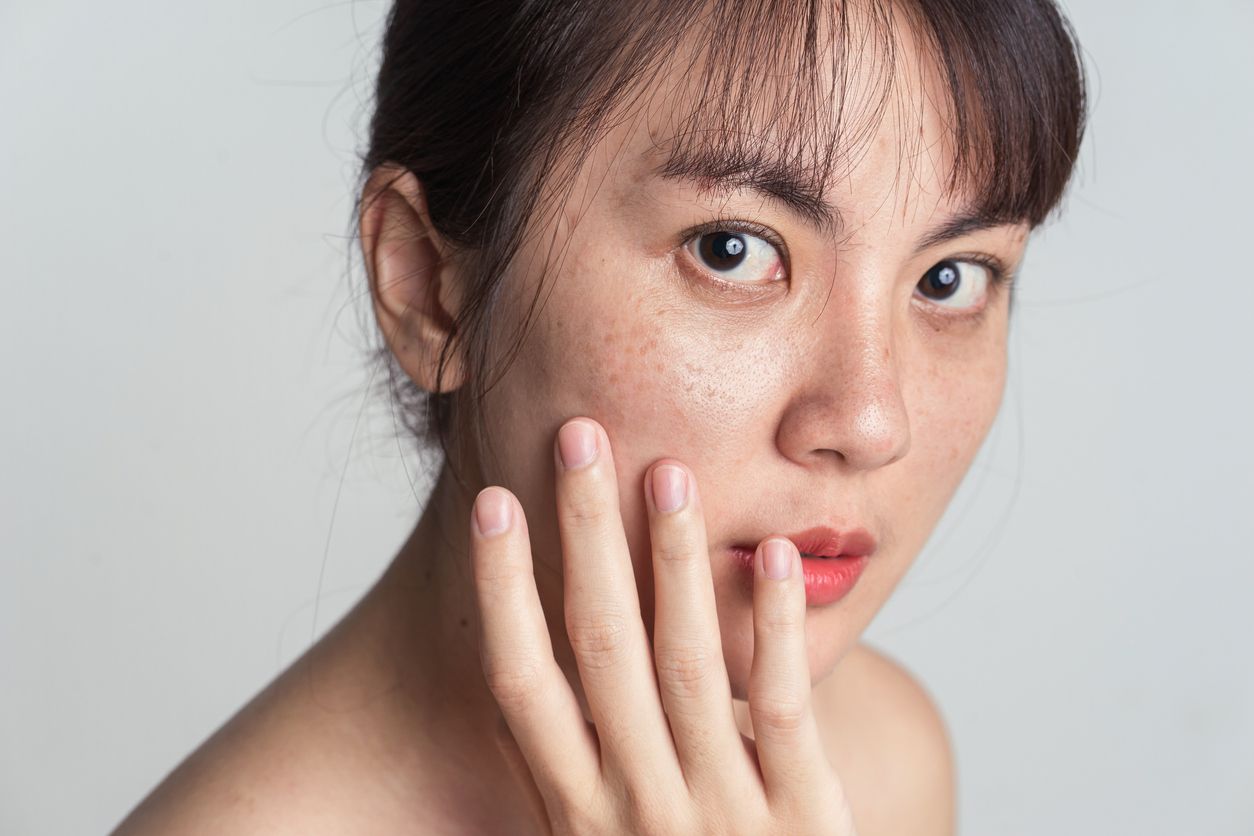
Hormonal pigmentation troubles many women. Unlike surface-level spots, melasma can occur both in the epidermis and the dermis, with several distinguishing features:
1. Light to dark brown patches
2. Irregular shapes with blurred edges
3. Appears on both cheeks, cheekbones, forehead, upper lip, and nose bridge
4. Severe cases may cover the entire face
免費體驗
PicoCure Pigmentation Removal Treatment
1 Minute Self-Registration
Date should not be before minimal date
What Causes Hormonal Pigmentation?
Before you decide how to treat your pigmentation, it’s important to identify whether it’s hormonal pigmentation and understand its root causes. While hormonal imbalance is the main trigger, several other factors can worsen it.
Cause 1: UV Exposure
UV rays are the skin’s worst enemy, speeding up aging, dehydration, and the formation of wrinkles. More importantly, they stimulate melanin production. Without proper sun protection, melanin builds up over time, forming visible hormonal spots.
Cause 2: Hormonal Changes
Hormonal pigmentation is closely linked to fluctuations in estrogen levels. Pregnancy, birth control pills, and hormone replacement therapy can all disrupt hormonal balance and trigger melanin overproduction. During pregnancy, increased levels of estrogen, progesterone, and melanocyte-stimulating hormone (MSH) often lead to melasma—commonly called the "mask of pregnancy." These spots usually fade after childbirth when hormone levels normalize.
Cause 3: Genetics
Pigmentation can be a dominant genetic trait. If someone in your family has struggled with melasma, you may be genetically predisposed to it—even with diligent sun protection.
Cause 4: Poor Lifestyle Habits
Irregular meals, lack of sleep, and chronic fatigue can disrupt hormonal balance, increasing the risk of melasma. Additionally, using unsuitable skincare products may cause inflammation, prompting the skin to produce melanin to defend itself—leading to pigmentation over time.
Cause 5: Stress and Emotions
Modern life is hectic, especially for working women. Constant stress and emotional strain can overstimulate skin cells, resulting in excess melanin production and hormonal spots.
How Does Traditional Chinese Medicine (TCM) View Hormonal Pigmentation?
Melasma can be difficult to manage, leading many women to seek help from TCM in addition to topical whitening products and prescription creams.
In TCM, “external signs reflect internal imbalances.” Facial pigmentation often signals internal disharmony. Melasma falls under the TCM category of "black spots," often linked to liver qi stagnation, blood stasis, or kidney yin deficiency. Urban dwellers, especially sedentary office workers, are prone to poor blood circulation and stasis, which can manifest as facial pigmentation.
Treatment involves a combination of herbal medicine, acupuncture, and acupressure. TCM practitioners begin by examining your pulse and diagnosing your constitution. Herbs like bupleurum, white peony root, ligusticum, and angelica dahurica are used to soothe the liver and promote qi flow. If blood stasis is present, herbs that invigorate blood and dispel stasis are prescribed.
What Foods Can Help Reduce Pigmentation?
Dietary therapy is another way to combat melasma. Nutrient-rich foods can help eliminate melanin from within, supporting skin brightening and spot fading. Try incorporating the following foods into your daily meals:
Pigmentation-Fighting Food 1: Black Fungus
Not just good for hair health, black fungus is mentioned in the Compendium of Materia Medica as a remedy for skin hydration and black spot removal. Regular consumption may also help prevent pigmentation.
Pigmentation-Fighting Food 2: Cucumber
Rich in vitamins, amino acids, and fruit acids, cucumbers have brightening and soothing effects, especially helpful for dull, sun-damaged skin and pigmentation.
Pigmentation-Fighting Food 3: Carrots
High in vitamin A and beta-carotene, carrots boost skin metabolism, brighten the complexion, and reduce melanin buildup. Beta-carotene also shields the skin from UV damage.
Pigmentation-Fighting Food 4: Almonds
From a TCM perspective, almonds improve blood circulation, nourish the skin, reduce pigmentation, and slow down skin aging.
免費體驗
PicoCure Pigmentation Removal Treatment
1 Minute Self-Registration
Date should not be before minimal date
Are Natural Home Remedies Effective for Melasma?
Once hormonal pigmentation develops, you’ll want to act fast. While there are many home remedies online, their effectiveness varies. Our editor personally tested four of them:
Editor's Test: Carrot Juice Mask
Sounds promising—but it’s not! Despite the vitamin A content, applying carrot juice directly didn’t help at all. After a week, there were zero results.
Editor's Test: Drinking Lemon Water
With a sensitive stomach, the editor found this tricky. Lemon water on an empty stomach caused acid reflux. While it may work for others, consistency was hard to maintain, and it didn’t noticeably brighten skin.
Editor's Test: Washing Face with Tea
This one was pleasant and easy to stick with—but it didn’t work. After two weeks, there was no improvement. Plus, the face smelled like tea all day!
Editor's Test: Washing Face with Rice Water
Didn’t even try. News reports warn that rice water can be full of bacteria and dirt. If you have open wounds or acne, it may cause inflammation or even folliculitis. Best avoided!
How to Prevent Hormonal Pigmentation
Since melasma is difficult to remove once it appears, prevention is key. Regardless of age, any woman can develop hormonal pigmentation, so here are some daily habits that can help:
Prevention Tip 1: Sun Protection
UV exposure is the number one trigger. Apply broad-spectrum sunscreen (SPF 30 or higher) daily, wear hats, and use umbrellas to shield your skin.
Prevention Tip 2: Whitening Skincare
Ingredients like arbutin, vitamin C, and tranexamic acid can suppress melanin production. Regular use of brightening products helps reduce the risk of developing spots.
Prevention Tip 3: Stress Management
As TCM says: “Getting angry can cause spots.” Emotional balance is essential to protect the liver and prevent pigmentation. Try exercise, hobbies, or mindfulness to stay calm.
Prevention Tip 4: Get Enough Sleep
“Early to bed and early to rise” may sound old-school, but it’s effective. Deep sleep enhances skin metabolism, promoting melanin breakdown and spot prevention.
How to Treat Hormonal Pigmentation
Several treatments are available, from topical creams to lasers. Here’s how they compare:
Option 1: Spot-Fading Creams
Most spot creams work by exfoliating pigmented skin and stimulating blood circulation and collagen. They are effective for surface-level pigmentation like freckles and sunspots but less so for deeper melasma.
Option 2: Chemical Peels
These treatments use acids like glycolic acid to remove dead skin cells and boost turnover, which helps fade melanin and prevents new spots. However, they may not penetrate deep enough to treat melasma effectively.
Option 3: Intense Pulsed Light (IPL)
IPL emits light at multiple wavelengths to target different skin concerns at once, including pigmentation, redness, and broken capillaries. However, because the energy is dispersed, it’s less effective on deep melasma and may cause post-treatment darkening.
Option 4: Laser Treatment
For the most reliable and effective results, picosecond laser treatments like PicoCure are ideal. Picosecond lasers deliver ultra-short pulses of energy (1 trillionth of a second) to break down pigment particles deep in the skin. These particles are then naturally eliminated through the body’s metabolism. Proven effective for stubborn melasma.
免費體驗
PicoCure Pigmentation Removal Treatment
1 Minute Self-Registration
Date should not be before minimal date
Say Goodbye to Melasma! Visible Results in One Session
Hormonal pigmentation is notoriously tough to treat, and our editor’s trials with home remedies like carrot masks and tea rinses showed no results. Some, like rice water, may even harm the skin. These folk methods are unproven and potentially risky.
If you’re serious about removing melasma, seek professional help!
Perfect Medical’s U.S. Second-Generation PicoCure Pigmentation Removal Treatment features advanced 4-wavelength technology, delivering pulses 1,000 times faster than traditional lasers. It breaks down pigment both on the surface and deep within, effectively treating melasma, sunspots, freckles, and more. The treatment starts with a nanosecond laser to break up large pigment clusters, followed by picosecond laser pulses to pulverize them into fine particles for natural elimination. In addition to targeting pigmentation, it also stimulates collagen production for smoother, firmer skin.
What causes hormonal pigmentation (melasma)?
UV rays are the skin’s biggest enemy—they accelerate aging, dehydration, and wrinkle formation. They also stimulate melanin production by activating pigment cells. Without proper sun protection, prolonged exposure leads to pigment accumulation, which eventually results in visible hormonal pigmentation (also called melasma).
Other triggers include pregnancy, birth control pills, and hormone replacement therapy, all of which can disrupt hormone levels and lead to pigmentation. During pregnancy, women often experience a spike in estrogen, progesterone, and melanocyte-stimulating hormone (MSH), making pigmentation more likely. These pregnancy-related spots, known as melasma or “mask of pregnancy,” often fade postpartum as hormone levels normalize.
However, poor lifestyle habits can also trigger pigmentation. Irregular meals and insufficient sleep may lead to hormonal imbalance, increasing the risk of dark spots. Additionally, using skincare products that are unsuitable for your skin type can cause inflammation. The skin, in an effort to protect itself, produces melanin in inflamed areas—which over time can lead to pigmentation. Click the link below to book your pigmentation removal treatment today!
免費體驗
PicoCure Pigmentation Removal Treatment
1 Minute Self-Registration
Date should not be before minimal date
FAQ

What foods help fade dark spots?
Certain foods can help reduce pigmentation from within, including black fungus, cucumber, carrot, and almonds. Black fungus nourishes the skin, helps lighten dark spots, and delays aging. Regular consumption can prevent pigmentation from forming. Cucumber and carrot are rich in vitamins, amino acids, and fruit acids, which help brighten skin, reduce dullness, soothe sun-damaged skin, and ease pigmentation issues—including melasma. Almonds, from a TCM perspective, promote blood circulation beneath the skin, providing it with more nutrients. This improves pigmentation, moisturizes the skin, and helps maintain elasticity to prevent premature aging.
Can washing your face with rice water really whiten and fade spots?
Using rice water to lighten skin is a traditional home remedy. Rice water contains proteins, trace minerals, and vitamins B and E. It’s mildly acidic, which is thought to help inhibit melanin production and reduce melasma.However, there’s no scientific evidence proving that rice water is effective for spot removal. Its actual whitening and pigmentation-fading results remain uncertain.
Can topical creams remove hormonal pigmentation?
Most spot-removal creams work similarly: they exfoliate the skin and promote blood circulation and collagen production. Their exfoliating ingredients help lift melanin to the skin’s surface so it can be naturally shed through skin renewal. These are effective for surface-level pigmentation like freckles and sun spots. However, for deeper pigmentation such as hormonal spots, topical creams tend to have limited effectiveness.
Any recommended laser spot removal treatments?
Yes—Perfect Medical’s 2nd-Gen PicoCure Pigmentation Removal Treatment uses four wavelengths of picosecond laser technology, which is 1,000 times faster than traditional lasers^. The upgraded energy penetrates deeper and breaks down both surface and deep-rooted pigmentation—including freckles, sun spots, melasma, deep pigmentation, and chloasma. The treatment first uses nanosecond lasers to shatter larger melanin particles, then applies picosecond lasers to pulverize them into dust-like particles, which are metabolized and eliminated by the body. Beyond clearing pigmentation, PicoCure also stimulates fibroblasts to regenerate healthy collagen—helping smooth wrinkles, refine skin texture, and improve acne scars and pitting.