- Home
- Trend
- Weight Loss Strategies
- Acne Tips
- Hair Health Information
- Blemish Removal Tips
- Acne Scar Removal Tips
- Muscle Building Techniques
- Intimate Care Tips
- Postpartum Intimate Care
- Eye Bags Wiki
- Tips for Face Slimming
- Secret of Permanent Hair Removal
- Breast Enlargement Tips
- Cure to Snoring
- Marionette Lines
- Skin-Tightening Secrets

We’ve always heard that taking vitamin C can strengthen the body—not only improving skin quality but also helping physiological functions move out of a suboptimal state. While vitamin C supplements do provide positive effects for physical and mental health, consuming more doesn’t necessarily mean faster or better results. Before developing a habit of taking vitamin C, let’s explore 9 key benefits and the proper intake guide to avoid side effects!

What Is Vitamin C?
Vitamin C, also known as ascorbic acid, is a nutrient that the human body cannot produce on its own, so it must be obtained from food sources or supplements. It is a water-soluble vitamin, which makes it easier to absorb than many other nutrients. Its antioxidant properties help neutralize harmful substances absorbed by the body, preventing cellular damage while supporting our natural healing ability. Maintaining adequate levels of vitamin C is therefore essential for healthy skin and overall well-being.
What Forms of Vitamin C Supplements Are Available?
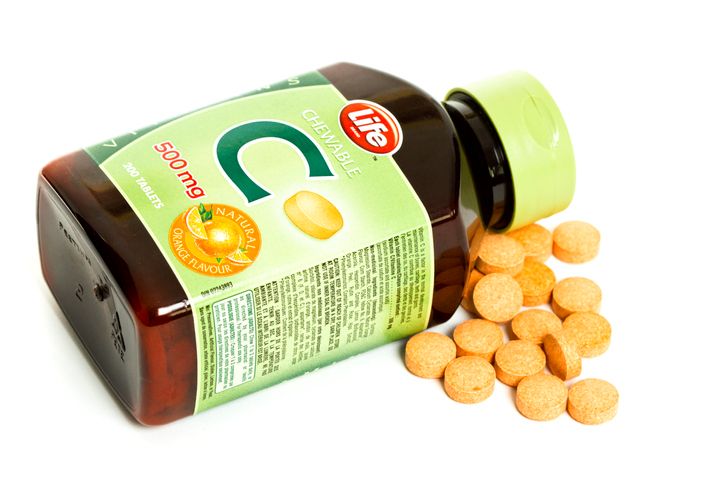
With advances in technology, vitamin C is no longer only obtained from food—it’s also available in various supplement forms, such as chewable tablets, effervescent tablets, powders, and slow-release capsules. You can choose based on your preference and needs for high-dose vitamin C.
Selection tips:
• For high-dose vitamin C, choose supplements made from natural ingredients with minimal additives. If you don’t mind swallowing capsules or powders, prioritize these options.
• Chewables and effervescent tablets are flavorful and kid-friendly, but they often contain more chemical additives. They are safe but not ideal for rapid supplementation.
免費體驗
PicoCure Pigmentation Removal Treatment
1 Minute Self-Registration
Date should not be before minimal date
Does Everyone Need Vitamin C?
Since the body cannot synthesize vitamin C, many nutritionists recommend everyone get it from food or supplements. Some groups particularly benefit from supplementation:
1. People with irregular meals or unbalanced diets, such as those who often eat out, can extract nutrients to support digestion and immunity.
2. Individuals recovering from illness can quickly replenish lost nutrients, even from minor issues like colds.
3. Supplementation in hot seasons helps resist heat and UV damage, preventing sunburn and replenishing vitamin C lost through sweating.
9 Essential Benefits of Vitamin C—It’s More Than Just Skin Brightening
1. Collagen Synthesis: Vitamin C accelerates wound healing, prevents scars, retains skin moisture, and delays aging by supporting collagen formation. It also helps reduce dryness and wrinkles.
2. Boost Antioxidant Power: Vitamin C is a natural antioxidant that neutralizes free radicals, preventing skin and immune system damage. It inhibits melanin production, promoting brighter skin—especially when combined with sunscreen.
3. Accelerate Fatty Acid Metabolism: Vitamin C aids in carnitine synthesis, which helps burn fat efficiently. Research shows low vitamin C levels correlate with higher fat accumulation. Combining with vitamin E can further enhance metabolism.
4. Support Tissue Growth and Development: Vitamin C strengthens bones, teeth, muscles, and connective tissue. It improves nutrient absorption and can benefit all ages—from growing children to adults taking calcium supplements.
5. Enhance Healing Ability: Adequate daily intake supports rapid recovery from minor illnesses by maintaining cell integrity and activity, speeding up recovery and repair.
6. Assist Iron Absorption: Vitamin C converts ferric iron to ferrous iron, aiding intestinal absorption and promoting healthy blood production. This can improve anemia symptoms and support coagulation.
7. Support Immune Health: Vitamin C stimulates antibody production, reducing illness risk and shortening recovery time. Its anti-inflammatory effect also helps calm acne-prone skin.
8. Promote Cardiovascular Health: By protecting blood vessels from oxidative damage, vitamin C supports vascular flexibility, reducing risks of clots and other cardiovascular issues.
9. Regulate Stress: Vitamin C is essential for dopamine synthesis, which affects mood and adrenal hormone production. Adequate intake can reduce stress and maintain a positive mindset.
Vitamin C Side Effects—3 Groups Who Should Monitor Daily Intake
High-Risk Groups:
• Diabetics: Avoid excessive doses; slow-release forms are preferred over effervescent or chewable tablets with added sugars.
• Individuals with high iron levels: Such as thalassemia or iron overload patients, avoid supplements that promote iron absorption.
• People with a history of kidney stones: Even doses above 1,000 mg may increase recurrence risk; consult a nutritionist first.
Common Side Effects:
1. Gastrointestinal discomfort: nausea, vomiting, cramps, burning sensation
2. Bloating, severe diarrhea, dehydration risk
3. Unusual fatigue, insomnia
4. Dizziness
5. Skin redness, dermatitis
免費體驗
PicoCure Pigmentation Removal Treatment
1 Minute Self-Registration
Date should not be before minimal date
How to Take Vitamin C Safely: 4 Key Guidelines
1. Concentration: High-dose doesn’t always mean better. While ≥10% is sufficient, absorption rates matter—human absorption maxes out around 20%. Slow-release capsules are ideal.
2. Timing
• Slow-release capsules: can be taken on an empty stomach
• Powders, effervescent tablets, or chewables: take after meals to avoid digestive discomfort
3. Recommended Daily Intake
• Adults: 100 mg minimum, up to 2,000 mg
• Optimal daily intake: 200–400 mg
• Special populations (pregnant, breastfeeding, children, or those taking medications) should consult a professional
4. How to Know You’re Getting Enough Check urine color after adequate hydration:
• Dark yellow: excess vitamin C not absorbed—reduce intake
• Light yellow/near clear: proper absorption
Boost Vitamin C Intake Through Food: 4 Common Fruits
1. Guava – Up to 200 mg vitamin C, low sugar, suitable for diabetics.
2. Sugar Apple (Soursop) – 99 mg vitamin C, aids digestion and heart health; calorie content is higher.
3. Longan – 95.4 mg vitamin C, but excessive intake may cause heatiness, acne, or throat discomfort.
4. Citrus Fruits – Includes lemons and oranges; vitamin C content ~40 mg, less than the above fruits.
Perfect Medical PicoCure—Brighten & Fade Spots Without Worrying About Daily Vitamin C Intake
If you’ve tried countless vitamin C methods but couldn’t stick with them, don’t worry! Perfect Medical's PicoCure Pigmentation Removal Treatment is highly safe and effective for brightening and evening out skin tone. It restores elasticity, shrinks enlarged pores, and promotes radiant, smooth skin.
This medical-grade laser treatment combines two patented U.S. technologies—picosecond and nanosecond lasers—tailored for Asian skin. It breaks down pigment cells for metabolic removal. The procedure is painless, non-invasive, and the team provides step-by-step post-treatment care to ensure no side effects or darkening.
Book now to receive: professional skin analysis + PicoCure treatment, and like our Facebook page to get a free BRI spot-fading mask! Limited spots available.
免費體驗
PicoCure Pigmentation Removal Treatment
1 Minute Self-Registration
Date should not be before minimal date
FAQ

When is the best time to take vitamin C?
After meals. For slow-release capsules, any time is fine. For powders or tablets, take after meals. Experts recommend splitting the dose: half after breakfast, the rest after lunch or dinner.
Can I take vitamin C before bed?
Yes. Vitamin C is absorbed during sleep and promotes collagen synthesis, skin repair, and faster wound healing.
Can vitamin C be taken daily?
Yes, within the recommended dose. Adults should not exceed 500 mg daily; 200–400 mg is usually sufficient.
Does vitamin C brighten skin?
Yes. It inhibits melanin, promotes collagen, restores hydration and firmness, providing brightened and youthful skin.
Are there faster, more comprehensive ways to fade spots than vitamin C alone?
Vitamin C works for mild pigmentation, but for stubborn, deep-set spots, medical-grade treatments are faster. PicoCure’s treatment breaks down pigment cells with high-speed waves for quicker, more even results.