- Home
- Trend
- Weight Loss Strategies
- Acne Tips
- Hair Health Information
- Blemish Removal Tips
- Acne Scar Removal Tips
- Muscle Building Techniques
- Intimate Care Tips
- Postpartum Intimate Care
- Eye Bags Wiki
- Tips for Face Slimming
- Secret of Permanent Hair Removal
- Breast Enlargement Tips
- Cure to Snoring
- Marionette Lines
- Skin-Tightening Secrets

You’ve likely heard that Vitamin C can boost immunity and improve your skin. It’s said to help you break free from suboptimal health and return to vitality. While supplements containing Vitamin C can positively impact both physical and mental wellness, more isn't always better. Overdosing won’t speed up results—in fact, it may trigger side effects. Before you begin a Vitamin C regimen, get to know these 9 major benefits and proper intake tips to avoid any unwanted issues.

What Is Vitamin C?
Vitamin C, also known as ascorbic acid, is a water-soluble vitamin that the human body cannot produce on its own. We must obtain it through food or supplements. Its water-soluble nature makes it easily absorbed, and its powerful antioxidant properties help neutralize harmful substances, protect our cells from damage, and support the body’s self-healing mechanisms. Maintaining an adequate level of Vitamin C is key to healthy skin and overall wellness.
What Forms of Vitamin C Supplements Are Available?
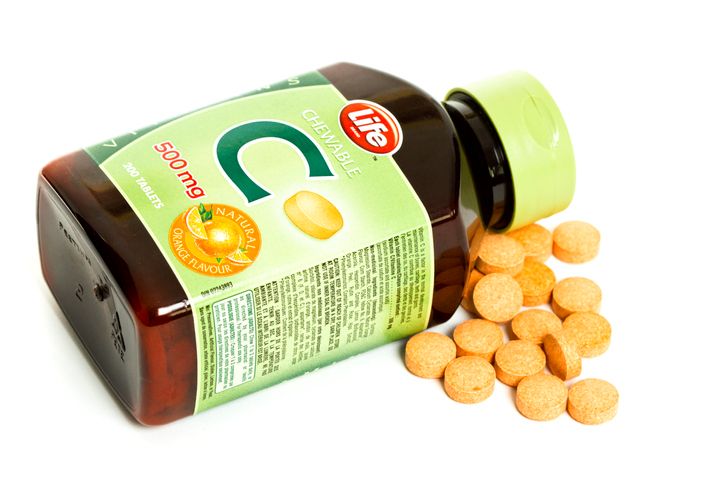
Thanks to advances in health science, Vitamin C is now available in multiple forms beyond food. Common supplement options include lozenges, effervescent tablets, powders, and time-release capsules. Choose one based on your needs and preferences.
Pro tips for choosing the right supplement:
• Opt for natural, additive-free options—ideal if you’re okay with swallowing capsules or mixing powders.
• Lozenges and effervescent tablets are tasty and kid-friendly but often contain more artificial ingredients. While not harmful, they may not be the best choice if you need to quickly replenish Vitamin C.
免費體驗
PicoCure Pigmentation Removal Treatment
1 Minute Self-Registration
Date should not be before minimal date
Does Everyone Need Vitamin C?
Yes. Since the human body can’t produce Vitamin C, nutritionists worldwide recommend getting it from food or supplements. Certain groups need it even more:
• Busy individuals or picky eaters: Those with unbalanced diets can benefit from Vitamin C to aid digestion and boost immunity.
• Post-illness recovery: Even a common cold can improve faster with Vitamin C.
• Hot summer days: Vitamin C helps combat heat and UV damage, reduces the risk of tanning, and replenishes what’s lost through sweat.
9 Science-Backed Benefits of Vitamin C (Not Just Whitening!)
1. Boosts Collagen Production
Vitamin C is crucial for collagen synthesis, which aids skin hydration, speeds up wound healing, and prevents scarring. It also helps reduce dryness, delay aging, and minimize wrinkles.
2. Powerful Antioxidant
Vitamin C fights free radicals, which can otherwise damage skin and immunity. This antioxidant effect helps prevent wrinkles, dryness, dark spots, and eye circles—plus, it enhances whitening results when paired with sunscreen.
3. Enhances Fat Metabolism
Trying to lose weight? Vitamin C plays a role in carnitine production, which helps burn fat. Studies from Cambridge University show people with low Vitamin C levels tend to store more fat. When combined with Vitamin E, it further boosts digestion and energy burning.
4. Supports Tissue and Bone Development
Vitamin C functions like calcium—strengthening bones, teeth, and connective tissues. It's beneficial for all ages and improves calcium absorption when taken together.
5. Speeds Up Recovery
Though not a cure-all, Vitamin C accelerates healing by supporting active cell regeneration. It’s useful before, during, and after illness to help the body recover faster.
6. Improves Iron Absorption
Vitamin C helps convert ferric iron into absorbable ferrous iron, improving iron uptake in the intestines. This is especially helpful for people with anemia, enhancing blood health and reducing symptoms like bleeding gums.
7. Strengthens Immunity
It boosts antibody production and reduces the risk of flu, especially in children and adults. It also has anti-inflammatory properties, calming acne-prone skin and reducing follicle inflammation.
8. Promotes Cardiovascular Health
By protecting arteries and lipids from oxidation, Vitamin C helps prevent blood clots and heart disease. It strengthens blood vessel walls and promotes healthy circulation.
9. Reduces Stress
Vitamin C is vital for producing dopamine, a hormone that affects mood. Without it, you can’t generate dopamine or adrenaline, leading to low energy and high stress. Supplementing Vitamin C helps regulate mood and mental clarity.
Potential Side Effects of Vitamin C — These 3 Groups Should Watch Their Intake!
High-Risk Groups
1. Diabetics: Avoid sugary Vitamin C forms like effervescent tablets and lozenges; opt for time-release capsules instead.
2. People with iron overload (e.g., thalassemia, hemochromatosis): Vitamin C enhances iron absorption, which could worsen their condition.
3. History of kidney stones: Though the safe upper limit is 2000mg, even 1000mg may increase recurrence risk. Always consult a doctor first.
Common Withdrawal Reactions (from overuse or sudden stop)
• Nausea, vomiting, or stomach cramps
• Bloating, diarrhea, dehydration
• Fatigue, insomnia
• Dizziness
• Skin flushing or dermatitis
免費體驗
PicoCure Pigmentation Removal Treatment
1 Minute Self-Registration
Date should not be before minimal date
How to Take Vitamin C Correctly — 4 Essential Tips
1. Concentration Matters
Don’t assume higher dosage = better results. While 10%+ concentration is considered effective, our body can only absorb up to 20%. Time-release capsules offer high bioavailability. Skip flavored types if you're sensitive to additives.
2. When Should You Take It?
Depends on the form:
• Time-release capsules: fine on an empty stomach.
• Other types (e.g., effervescent, powders, lozenges): best taken after meals to avoid stomach upset.
3. Recommended Daily Intake
The suggested minimum for adults is 100mg daily, not exceeding 2000mg. Most people only need 200–400mg per day. Pregnant or breastfeeding women, children, or anyone on medications should consult a doctor for personalized dosage.
4. How to Know If You’ve Had Enough?
A simple way is to check your urine. If it’s dark yellow, your body isn’t absorbing all the Vitamin C—reduce your intake. If it’s pale or clear, you’re absorbing it well.
Boost Vitamin C Naturally with These 4 Fruits
1. Guava
Known as the “Vitamin C King,” guava contains over 200mg of Vitamin C per serving and is low in sugar—great for diabetics too!
2. Cherimoya (Custard Apple)
Also called sugar apple, it packs about 99mg of Vitamin C and aids digestion and heart health, though it's also high in calories.
3. Longan
With around 95.4mg of Vitamin C, it's another strong contender. But eat in moderation—overconsumption can cause sore throat or acne.
4. Citrus Fruits
Lemons and oranges are classic sources, but surprisingly, their Vitamin C content (around 40mg) is only half that of the fruits above. Also, more sour ≠ more Vitamin C.
Skip the Guesswork — Get Brighter Skin with Perfect Medical’s PicoCure Pigmentation Removal Treatment!
Trying all sorts of Vitamin C supplements but can’t stick with it? Don’t wait forever for visible whitening results! Try the PicoCure Pigmentation Removal Treatment from the U.S. — a professional, pain-free laser therapy that removes pigmentation, evens out skin tone, and tightens pores for a smooth, radiant glow.
This medical-grade procedure uses two patented laser technologies—picosecond and nanosecond—specifically tailored for Asian skin. It breaks down melanin clusters and expels them naturally through your metabolism. Results are visible, non-invasive, and there’s no downtime. A post-treatment care team guides your recovery, ensuring no side effects or rebound pigmentation. Register now to enjoy:
• Professional skin analysis
• PicoCure Pigmentation Removal Treatment from U.S
• BONUS: Free BRI Brightening Mask when you follow our Facebook page!
Limited slots available—act fast!
免費體驗
PicoCure Pigmentation Removal Treatment
1 Minute Self-Registration
Date should not be before minimal date
FAQ

When’s the best time to take Vitamin C?
After meals. Divide your dose—half after breakfast, the other half after lunch or dinner—for optimal absorption.
Can I take Vitamin C before bed?
Yes. It supports overnight metabolism, boosts collagen production, and helps repair skin during sleep.
Is daily intake of Vitamin C safe?
Yes, as long as you stay within the recommended limits. 200–400mg daily is generally sufficient.
Will taking Vitamin C whiten my skin?
Yes. It suppresses melanin production and stimulates collagen, helping restore brightness and firmness.
Does Vitamin C affect sleep?
No. It won’t disrupt sleep and may even enhance nighttime skin repair and whitening effects.