- Home
- Trend
- Weight Loss Strategies
- Acne Tips
- Hair Health Information
- Blemish Removal Tips
- Acne Scar Removal Tips
- Muscle Building Techniques
- Intimate Care Tips
- Postpartum Intimate Care
- Eye Bags Wiki
- Tips for Face Slimming
- Secret of Permanent Hair Removal
- Breast Enlargement Tips
- Cure to Snoring
- Marionette Lines
- Skin-Tightening Secrets

Many people experience tinea versicolor. It is a type of skin condition that causes uneven skin pigmentation, which can affect one’s appearance. While treatment is generally straightforward, the recurrence rate is high, and repeated infections may make the patches more noticeable over time. It is therefore important to understand the condition thoroughly. This article provides a deep dive into tinea versicolor, including symptoms, treatment methods, diet recommendations, and ways to prevent it from developing or returning.

What Is Tinea Versicolor?
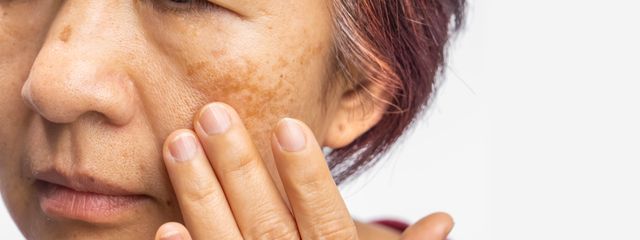
Tinea versicolor (also called pityriasis versicolor) is a common fungal skin condition. According to dermatologists, it is caused by an overgrowth of a yeast called Malassezia, which normally exists in small amounts on the skin. Under ordinary conditions, this yeast does not cause infection. However, when environmental factors change—such as high temperature, humidity, and excessive sweating—the yeast can multiply rapidly, leading to skin infection and the formation of tinea versicolor.
Tinea versicolor most commonly appears on oily or sweaty areas of the body, particularly the chest and back. In more severe cases, the patches may extend to the neck and upper arms. When the yeast overgrows, it disrupts normal melanin production in the skin, causing irregular light or dark patches that affect appearance.
Common Symptoms Of Tinea Versicolor
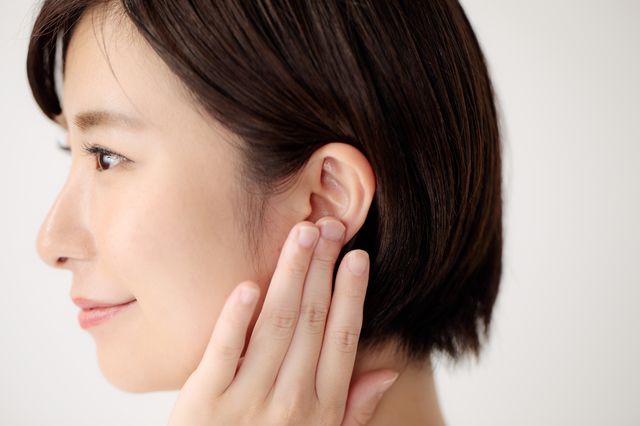
Uneven skin pigmentation
Because tinea versicolor is caused by fungal overgrowth on the skin, the affected area may develop small (0.5 to 2 cm) white, pink, or brown spots. As the condition progresses, these spots may expand and merge into larger patches.
Itching
Itching is another common symptom. As the yeast multiplies, it releases enzymes and metabolic byproducts that irritate the skin and trigger itchiness. Severe cases may also cause inflammation. Fungal infection can also dry out the skin, worsening the itch.
Fine scaling on the skin
Overgrowth of Malassezia can disrupt the structure of the outer skin layer, producing fine, rough scaly flakes. This happens when the yeast breaks down fatty acids in the skin and releases irritating metabolites, weakening the adhesion between cells in the stratum corneum. Scratching may worsen flaking or lead to peeling.
免費體驗
PicoCure Pigmentation Removal Treatment
1 Minute Self-Registration
Date should not be before minimal date
Primary Treatment Options For Tinea Versicolor
Topical medications
Because tinea versicolor is caused by fungal infection, dermatologists typically prescribe topical antifungal creams. These contain ingredients that suppress fungus growth and gradually resolve the condition. Among antifungal medications, azole-based formulations are considered the most effective. Common active ingredients include clotrimazole, ketoconazole, and terbinafine.
However, many over-the-counter tinea versicolor creams contain multiple active ingredients, including steroids. Long-term use of steroid-containing creams may thin the skin and worsen sensitivity, potentially aggravating the condition. For this reason, it is recommended to use single-agent antifungal creams unless otherwise directed by a doctor.
Oral medications
Patients with severe or frequently recurring tinea versicolor may need oral antifungal medication in addition to topical treatment. Common oral treatments include itraconazole and fluconazole. Because these medications require careful dosing and monitoring, they must be prescribed by a dermatologist. Patients should not stop treatment early even if symptoms improve, as improper discontinuation may lead to fungal resistance and repeated relapse.
How Traditional Chinese Medicine (TCM) interprets tinea versicolor
In TCM, tinea versicolor falls under the category of “purple-white vitiligo.” TCM views the condition as resulting from internal heat and dampness accumulating within the body. This stagnation disrupts qi and blood circulation, preventing heat and dampness from dispersing outward or draining internally. Over time, this leads to the formation of patches and scaling due to a lack of nourishment to the skin.
TCM treatments typically focus on regulating qi, improving circulation, and clearing heat and dampness. For mild cases, topical herbal formulations may be recommended, while more widespread or expanding tinea versicolor may require a combination of oral and topical herbal remedies.
Classical TCM texts describe external formulas made from ingredients such as wild chrysanthemum, sophora root, stemona root, dictamnus root bark, kochia fruit, and honeysuckle. These herbs are boiled, strained, and used to rinse or compress the affected area once cooled. However, individuals with open wounds or herbal allergies should not use this method.
Herbal prescriptions for internal consumption vary depending on the patient’s constitution but commonly include ingredients such as smilax root, figwort root, honeysuckle, red peony root, moutan bark, dictamnus root bark, tribulus fruit, licorice root, dandelion, and forsythia.
Dietary Recommendations For Managing Tinea Versicolor
Winter melon soup
Winter melon helps the body eliminate excess heat, dampness, and toxins. Ingredients typically include winter melon, coix seeds, poria, lotus leaf, lotus seed pod, roasted lentils, red beans, rush pith, and alisma. All ingredients are washed, simmered for an hour, and lightly seasoned with salt before serving.
Coix seed water
Coix seeds (Job’s tears) clear heat, drain dampness, support digestion, and improve blood and fluid circulation. Rich in soluble fiber, they also help relieve constipation. To make coix seed water, rinse and soak the seeds for several hours, then simmer with rock sugar until soft.
Mung bean soup
Mung beans are known for clearing heat and detoxifying the body. They also help reduce dampness and promote urination, assisting in overall detoxification. After rinsing and soaking, the beans are simmered until soft and sweetened with rock sugar.
免費體驗
PicoCure Pigmentation Removal Treatment
1 Minute Self-Registration
Date should not be before minimal date
Four Habits To Help Prevent Tinea Versicolor
Although tinea versicolor is treatable, it tends to recur. Adopting the following habits can help reduce risk:
Keep the skin dry
Since Malassezia thrives in warm, humid environments, keeping the skin dry—especially after sweating—is the most important preventive measure. Use tissues or blotting sheets to remove sweat and oil promptly.
Wear breathable clothing
Wearing tight, non-breathable clothing increases heat and moisture retention, encouraging fungal growth. Choose breathable, loose-fitting fabrics such as cotton or quick-dry materials, especially during hot or humid weather.
Change clothes immediately after exercise
Sweaty clothing creates an ideal environment for fungal overgrowth. After workouts, change into dry clothes as soon as possible.
Avoid overly rich or oily skincare products
Heavy, oily creams can make the skin feel greasy and occluded, increasing the likelihood of fungal growth. Light, breathable formulations are recommended.
Hyperpigmentation Caused By Tinea Versicolor? Try Perfect Medical’s PicoCure Pigmentation Removal Treatment
Although tinea versicolor can be treated, it may leave behind darker or lighter patches. Some people recover fully, while others retain uneven pigmentation. These marks do not have to be permanent. Perfect Medical’s PicoCure Pigmentation Removal Treatment effectively targets various pigmentation concerns and restores a smooth, even complexion.
PicoCure uses clinically certified, non-invasive picosecond technology. It first applies nanosecond laser energy to break melanin clusters into small granules, then follows with picosecond pulses to further shatter pigment into fine particles. These are naturally cleared via the lymphatic system. The treatment addresses not only tinea-versicolor–related pigmentation but also freckles, melasma, age spots, and sunspots.
Perfect Medical is currently offering a complimentary first trial session. Interested individuals may book through the link below.
免費體驗
PicoCure Pigmentation Removal Treatment
1 Minute Self-Registration
Date should not be before minimal date
FAQ

What is tinea versicolor?
Tinea versicolor is a common fungal skin condition caused by Malassezia overgrowth. It typically appears on areas prone to oil and sweat, such as the chest and back, and may spread to the neck and arms.
Is tinea versicolor contagious through physical contact?
No. Because the condition is caused by yeast that naturally resides on one’s own skin, it is not spread through direct contact. Those with oily, sweaty, or humid skin conditions are more prone to developing it.
How long does it take to treat tinea versicolor?
Mild cases often improve within about two weeks of using antifungal medication. However, residual pigmentation may take one to two months—or longer—to return to normal.
Is tinea versicolor caused by internal heat and dampness?
According to TCM theory, yes. It is believed to result from internal heat-dampness accumulation that disrupts qi and blood flow, leading to patches and scaling.
What is more effective for fading pigmentation than general tinea versicolor care?
In addition to antifungal treatment and maintaining dryness, medical brightening solutions can accelerate recovery—such as chemical peels, brightening serums, and especially laser therapy. For faster and more visible results, Perfect Medical’s PicoCure Laser uses ultra-short pulses to break deep pigment clusters and even out skin tone.