- Home
- Trend
- Weight Loss Strategies
- Acne Tips
- Hair Health Information
- Blemish Removal Tips
- Acne Scar Removal Tips
- Muscle Building Techniques
- Intimate Care Tips
- Postpartum Intimate Care
- Eye Bags Wiki
- Tips for Face Slimming
- Secret of Permanent Hair Removal
- Breast Enlargement Tips
- Cure to Snoring
- Marionette Lines
- Skin-Tightening Secrets

Traditional Chinese Medicine (TCM) offers a very different approach to whitening compared to conventional skincare methods. In TCM, darkened skin isn't just the result of poor sun protection—it's also linked to internal imbalances, particularly poor circulation of qi and blood. That’s why dietary therapy plays a vital role in improving skin tone from the inside out.
While many of the foods and herbs recommended in TCM are plant-based and naturally derived, they may work more gradually—but they offer peace of mind with minimal side effects. In this article, a professional female TCM doctor shares four herbal soup recipes to help brighten your skin tone naturally. Read till the end for the ultimate guide to TCM whitening—your cheat code to fighting dull skin!

Understanding the Root Cause of Skin Darkening and Pigmentation from a TCM Perspective
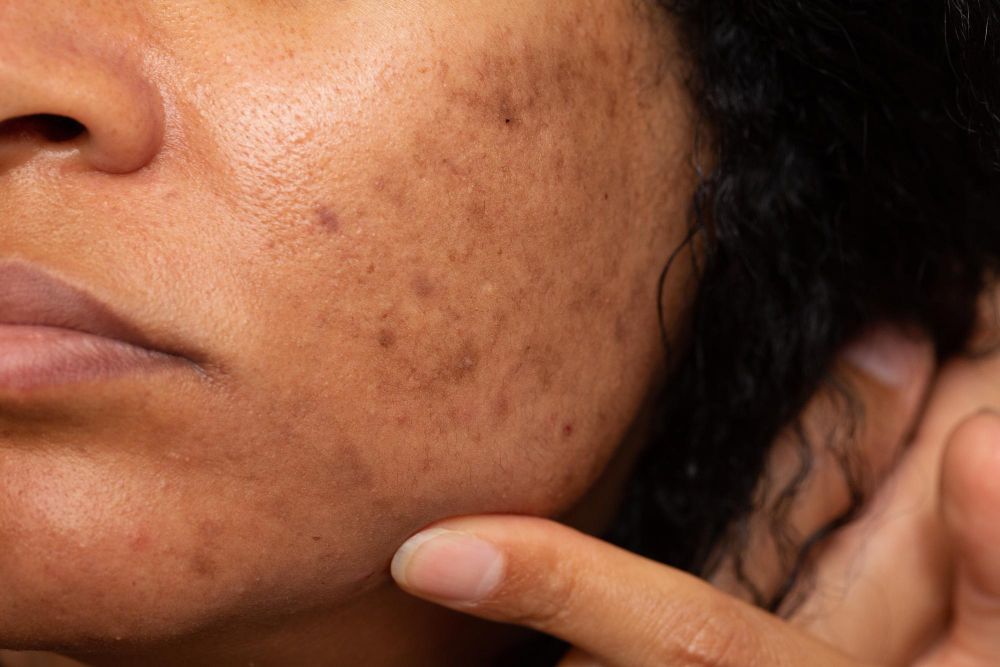
In TCM, the brightness and radiance of your skin are closely linked to the health of your qi (energy) and blood. When your body is low on qi and blood, or when circulation is disrupted, your skin may become dull, dry, and lackluster. These changes are often not just due to external factors—they reflect imbalances in your constitution. For example, weak digestion (spleen and stomach deficiency) may hinder nutrient absorption, or liver qi stagnation may block the smooth flow of blood and energy. As a result, your skin may lose hydration, and pigmentation can develop, leading to uneven or sallow skin tone.
From a TCM point of view, pigmentation is more than just a surface-level issue—it reflects internal imbalances such as excess heat, blood stasis, or yin-yang disharmony. For instance, individuals with a “damp-heat” constitution may have excess oil production, slowing skin metabolism and encouraging pigment buildup. Poor circulation from qi stagnation or blood stasis can also cause a darker complexion and visible spots. That’s why TCM emphasizes "treatment based on pattern identification"—a personalized approach that addresses the root causes for lasting skin clarity and brightness.
4 Herbal Soups and Teas Recommended by TCM Doctors to Nourish Skin from Within
1. Whitening Herbal Soups: Strengthen the Body and Enhance Skin Radiance
According to TCM theory, a fair and luminous complexion doesn’t depend solely on topical care. It is deeply connected to the body’s internal balance, especially the qi, blood, and organ functions. Herbal soups are one of the most important internal methods for nourishing the body. By boosting qi, enriching blood, eliminating dampness, and restoring internal moisture, they can effectively address dullness and bring back natural radiance.
Common herbal ingredients in whitening soups include:
• White Peony Root (Bai Shao): Nourishes the blood and liver, softens the skin, and brightens the complexion.
• Astragalus Root (Huang Qi): Boosts qi and improves blood circulation, enhancing skin resilience.
• Coix Seed (Yi Yi Ren): Strengthens the spleen and expels dampness, reducing puffiness and dullness.
• Tremella & Polygonatum (Yin Er & Yu Zhu): Rich in plant collagen, deeply hydrates and nourishes dry skin.
• Scutellaria (Huang Qin): Clears heat and detoxifies, offers antioxidant benefits to fight pigmentation and aging.
When preparing these soups, avoid excess salt or sugar, which can burden the body. Light seasoning helps maximize the nourishment from the ingredients.
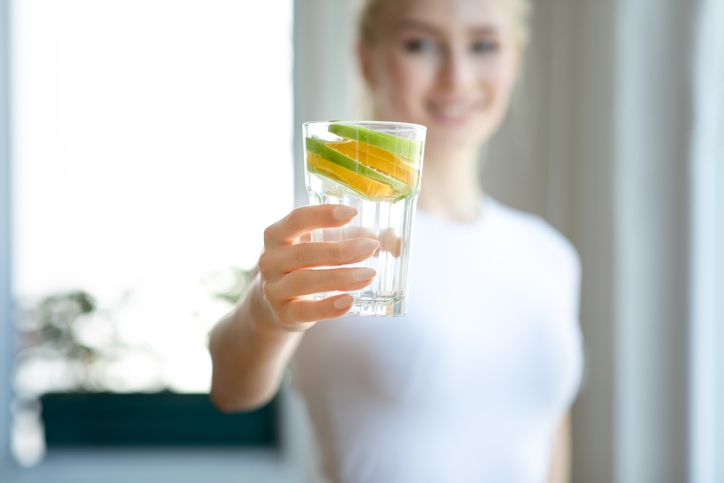
2. Whitening Teas: Gentle Daily Maintenance
Herbal teas are a simple yet effective way to maintain radiant skin. Easy to prepare and suitable for busy lifestyles, these teas support daily skincare from within.
Popular whitening and antioxidant tea ingredients:
• Lemon: Rich in vitamin C, helps inhibit melanin production and provides antioxidant protection.
• Coix Seed Tea: Clears heat and removes dampness, great for dull, oily, or enlarged pores.
• Astragalus Tea: Boosts energy and improves sallow complexion.
• White Peony + Scutellaria Combo: Nourishes blood while clearing heat—ideal for those who are both qi-deficient and prone to internal heat.
You can also add Tremella, Polygonatum, or collagen powder for enhanced hydration and skin-plumping effects.
3. The Core of Internal Whitening: Antioxidation + Qi and Blood Regulation
TCM whitening focuses on root-cause treatment, balancing both the internal environment and skin health. Internal formulas not only replenish qi and blood but also emphasize removing free radicals and providing antioxidant support—an essential principle in modern beauty science for anti-aging and skin brightening. Ingredients rich in vitamin C, collagen, and antioxidant herbs can help protect skin from environmental stressors and internal imbalances.
4. Tailored Dietary Therapy—Don’t Self-Medicate
Although herbal soups and teas may seem gentle, they are still medicinal. Since every body constitution is different—some people may be prone to internal heat, dampness, or weak digestion—it’s crucial to consult a TCM practitioner for the most suitable combination. Personalized guidance ensures safety and effectiveness in improving skin tone, hydration, and complexion.
免費體驗
PicoCure Pigmentation Removal Treatment
1 Minute Self-Registration
Date should not be before minimal date
Top 4 TCM External Whitening Methods by Female TCM Doctor Wu Mingzhu: Topical Herbs Can Also Detoxify and Brighten Skin!
1. Topical Herbal Powders and Skincare Products: Ancient Yet Effective
In addition to internal nourishment, many TCM doctors strongly advocate external application as a supplemental whitening strategy. These treatments act directly on the skin to lighten pigmentation, boost hydration, and enhance glow.
Common whitening herbs used topically:
• Angelica Dahurica (Bai Zhi): Brightens and purifies the skin, often used in masks or ointments.
• Atractylodes, Poria, Bletilla (Bai Lian, Bai Zhu, Bai Fu Ling): Help refine texture and fade dullness.
• Bletilla (Bai Ji): Promotes skin repair, especially effective for acne scars and pigmentation.
• Tribulus (Bai Ji Li): Antioxidant-rich, helps delay signs of aging.
• Silkworm (Bai Jiang Can): Evens out skin tone and clears heat.
These ingredients can be ground into powder for DIY herbal masks or incorporated into natural skincare products for facial or spot treatments.
2. DIY Herbal Face Masks: Safe and Natural Skincare
Homemade herbal masks are a popular TCM beauty method—simple, gentle, and suitable for most skin types.
Recommended brightening and hydrating blends:
• Bai Zhi + Honey: Combines skin-brightening and moisturizing effects.
• Bai Ji + Milk + Poria: Boosts clarity and firmness.
• Tribulus + Egg White: Firms and fades pigmentation, great for mature skin.
3. Facial Acupressure: Press the Right Points for a Radiant Glow
Facial acupressure and acupuncture are other external whitening approaches in TCM. Stimulating key acupoints helps promote blood flow, unblock energy channels, and reduce dullness.
Common acupoints for whitening:
• Yingxiang (beside the nostrils): Improves facial circulation and reduces pigmentation.
• Yintang (between the eyebrows): Relieves stress and enhances skin clarity.
• Taiyang (temples): Boosts energy flow in the head, brightens tired or sallow skin.
Use your fingertips to gently massage each point for 3–5 minutes daily. Combine with mindful breathing to enhance metabolism and skin brightness over time.
4. Gua Sha and Acupuncture: Deeply Activate Skin Metabolism
For persistent pigmentation and poor circulation, consider:
• Cosmetic Acupuncture: Stimulates key acupoints to promote qi and blood flow, addressing dullness at its root.
• Facial Gua Sha: Gently scrapes the skin’s meridians to improve blood circulation and detoxification, reducing grayish or yellowish tones.
These treatments should always be performed under the guidance of a licensed TCM practitioner for safety and optimal results.
Faster Results than TCM? Perfect Medical PicoCure Pigmentation Removal Treatment Tackles Pigmentation, Pores, and Scars with Zero Downtime!
If you've tried countless herbal remedies—nourishing yin, clearing liver heat, boosting circulation—with little to no results, it's time to try something faster! Perfect Medical’s PicoCure Pigmentation Removal Treatment delivers instant whitening and glow-up effects without pain or downtime. Restore clarity, brightness, and flawless skin with a single session. Anyone can become radiant and confident—no matter your starting point!
This medical-grade treatment combines picosecond and nanosecond laser technology, penetrating various skin layers with four different wavelengths. It targets and breaks down deep-rooted pigment, reduces spots, shrinks pores, and rejuvenates the delicate eye area. If you’re struggling with dullness, discoloration, or skin texture issues, don’t wait—register now for a complimentary session, which includes: Professional Skin Analysis + PicoCure Pigmentation Removal Treatment!
免費體驗
PicoCure Pigmentation Removal Treatment
1 Minute Self-Registration
Date should not be before minimal date
FAQ

How long does it take for TCM whitening to show results?
It varies per individual, but typically takes a few weeks to several months for visible improvements.
Are there side effects to herbal whitening?
Some herbs may cause allergies or discomfort. Always consult a licensed TCM practitioner before use.
Is cosmetic acupuncture safe?
When performed by a professional, it’s generally safe. However, it's not recommended for pregnant women or people with blood disorders.
Is diet important for whitening?
Absolutely. A balanced diet, especially one rich in vitamin C, supports qi and blood, improves skin texture, and enhances whitening.
How do I choose the right TCM whitening method?
Always consult a qualified TCM practitioner to identify your body constitution and get a tailored whitening plan.