- Home
- Trend
- Weight Loss Strategies
- Acne Tips
- Hair Health Information
- Blemish Removal Tips
- Acne Scar Removal Tips
- Muscle Building Techniques
- Intimate Care Tips
- Postpartum Intimate Care
- Eye Bags Wiki
- Tips for Face Slimming
- Secret of Permanent Hair Removal
- Breast Enlargement Tips
- Cure to Snoring
- Marionette Lines
- Skin-Tightening Secrets

How many pigmentation treatments have you tried? For many women in their 30s and 40s, fading dark spots becomes a key skincare goal—but if you start taking care of your skin early, you can prevent dark spots and melasma from forming in the first place.

Want Effective Pigmentation Removal? Start by Understanding the Causes

There are countless methods for treating pigmentation, but to find one that works for you, you first need to understand the root cause of your dark spots. Pigmentation can be triggered by many factors—sometimes multiple issues at once—making it harder to fade. Here are the most common triggers that contribute to the formation and worsening of pigmentation:
Cause 1: Genetics
Genetics play a major role in pigmentation, and hereditary pigmentation is notoriously difficult to treat. Freckles, for instance, are closely tied to genetics, and many people inherit them from their parents. If your family members struggle with pigmentation, you're more likely to develop it as well.
Cause 2: Stress
Stress activates melanocytes, the pigment-producing cells in the skin. It increases adrenaline levels and disrupts metabolism, depriving your skin of nutrients and leading to dark spot formation. Many pigmentation treatments aim to help women reduce stress as part of the healing process.
Cause 3: Friction
All spot-removal methods share one common principle—minimizing skin irritation. Constant rubbing (e.g., from frequent mask-wearing) can stimulate pigment production beneath the skin, leading to darker spots.
Cause 4: Lifestyle Habits
In our digital age, blue light from smartphones is a hidden trigger of pigmentation. Pair that with irregular sleep, picky eating, and poor metabolic health, and your skin is bound to show signs. Cutting back on screen time is one effective pigmentation prevention strategy.
Cause 5: Hormonal Imbalances
Hormonal fluctuations affect your metabolism and emotional stability, both of which can accelerate pigment production. Balancing hormones is key to managing pigmentation long-term.
Cause 6: Frequent Makeup Use
Makeup often contains metals and chemicals that absorb UV light, increasing melanin production. Over time, this leads to more pigmentation. Going makeup-free or switching to natural formulas can help.
Cause 7: UV Exposure
Sun exposure is one of the biggest culprits behind pigmentation. UV rays penetrate the skin and trigger melanin overproduction. Skipping sunscreen not only darkens your complexion but also increases your risk of developing dark spots.
Common Types of Pigmentation
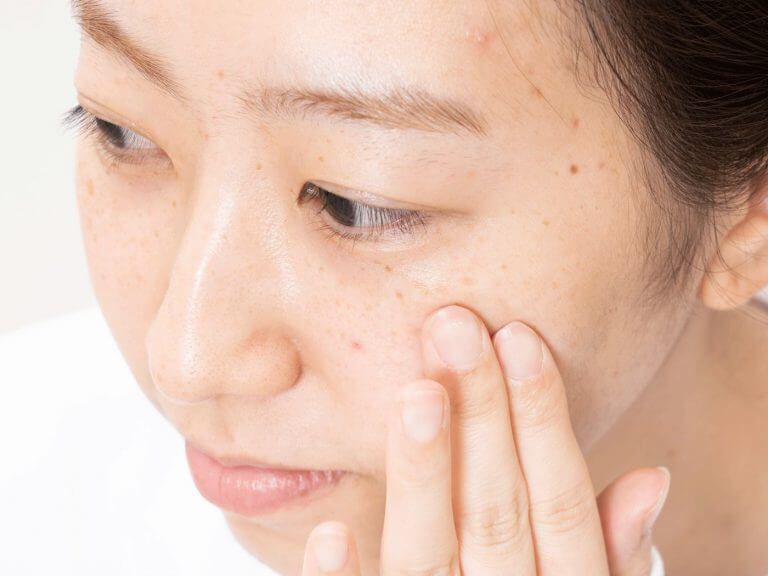
Many treatments claim to target all pigmentation types, but understanding what kind of spots you have is essential. Some types of pigmentation are more common in older women, while others appear even in your 20s. Here are the most common types:
Type 1: Freckles
Freckles appear symmetrically on sun-exposed areas like the cheeks and nose. They are superficial and can usually be lightened with the right treatment, but due to their link to sun exposure and genetics, they often come back.
Type 2: Hormonal Melasma
Melasma, or hormonal spots, are among the hardest to treat. They typically develop due to hormonal changes, but UV exposure, genetics, and lifestyle habits can also contribute. These coffee-colored patches often grow darker with age and are harder to fade.
Type 3: Sunspots
Also known as solar lentigines, sunspots are caused by chronic UV exposure. They are darker and larger than freckles, usually found on the cheeks and nose. These are easier to treat—strengthening your sun protection routine can help prevent and fade them.
免費體驗
PicoCure Pigmentation Removal Treatment
1 Minute Self-Registration
Date should not be before minimal date
Traditional Chinese Medicine (TCM) Approach to Pigmentation
In addition to medical aesthetic treatments, more women are turning to TCM remedies for pigmentation. According to TCM, external skin issues reflect internal imbalances—dark spots can indicate problems in the liver, kidneys, or spleen. TCM treatments aim to restore organ function, promote healthy circulation, and regulate qi and blood, which in turn helps fade pigmentation.
TCM Cause 1: Liver Qi Stagnation
Liver Qi stagnation is common among urban dwellers under stress. It affects blood flow to the face, contributing to pigmentation. TCM recommends relaxation techniques, regular sleep, and emotional balance to restore harmony and fade spots.
TCM Cause 2: Kidney Deficiency
Women experiencing pregnancy, postpartum changes, or menopause often suffer from kidney deficiency, which disrupts qi and blood circulation. TCM suggests consuming black-colored foods—associated with kidney health—to nourish and balance the body.
TCM Cause 3: Spleen Deficiency
Spleen deficiency affects nutrient absorption and blood supply to the face. It can be worsened by cold drinks, greasy or overly flavorful food. TCM recommends a clean diet, hydration, and regular exercise to expel dampness and support the spleen.
6 Foods That Naturally Fight Pigmentation
One of the most natural ways to fade dark spots is through diet. Even if you're using whitening skincare, you may see no improvement unless you're also nourishing your body from the inside out. Here are six powerful pigmentation-fighting foods:
1. Tomatoes
Rich in vitamin C, tomatoes reduce melanin production and brighten the skin. Drinking fresh tomato juice daily helps enhance absorption.
2. Cucumbers
Packed with potassium, vitamins B1, B2, and carotene, cucumbers flush out excess water and support skin brightness. Carotene converts to vitamin A, which supports even skin tone.
3. Lemons
A classic beauty remedy, lemons are rich in vitamin C, calcium, and B vitamins. Add slices to your water and sip throughout the day to fight aging and pigmentation naturally.
4. Carrots
Carrots contain vitamin A, which nourishes the skin barrier and smoothens skin. However, don’t overconsume—too much can cause yellowing. One to two carrots per week is sufficient.
5. Black Fungus (Wood Ear Mushroom)
A black-colored food with kidney-boosting properties, black fungus helps moisturize skin and prevent aging, fading pigmentation over time.
6. Winter Melon
Winter melon seeds (or pulp) offer skin-brightening benefits. Mash and apply to pigmented areas for 15 minutes, then rinse off. Repeat 1–2 times a week for smoother, spot-free skin.
2 TCM Spot-Fading Soup Recipes
Want even better results? Try these two easy-to-make TCM soup recipes to support your skin from within:
Recipe 1: Walnut & Black Sesame Soy Milk
Ingredients:
• 30g walnuts
• 20g black sesame seeds
• 300ml soy milk
• Sugar to taste
Instructions: Grind walnuts and sesame into powder. Boil with soy milk, add sugar, and enjoy. Drink 3 times a week, one small bowl in the morning, noon, and evening.
Benefits: Strengthens kidneys and spleen, improves blood circulation, nourishes the skin, and helps reduce dryness and pigmentation.
Recipe 2: Lily Bulb Herbal Chicken Soup
Ingredients:
• 15g lily bulbs
• 15g Chinese yam
• 12g lotus seeds
• 30g barley
• 15g fox nuts
• 20g Codonopsis (Dang Shen)
• 1 black chicken
• Water
Instructions: Clean and chop the chicken. Boil until half-cooked, add herbs, and continue simmering until meat is tender.
Benefits: Boosts spleen and stomach function, enhances blood flow, reduces wrinkles, and helps fade pigmentation—leaving skin smooth and radiant.
免費體驗
PicoCure Pigmentation Removal Treatment
1 Minute Self-Registration
Date should not be before minimal date
Popular Pigmentation Treatments Compared
In addition to TCM, laser treatments and spot-fading skincare products remain widely used. Here’s a breakdown of common pigmentation treatments:
1. Laser Treatments
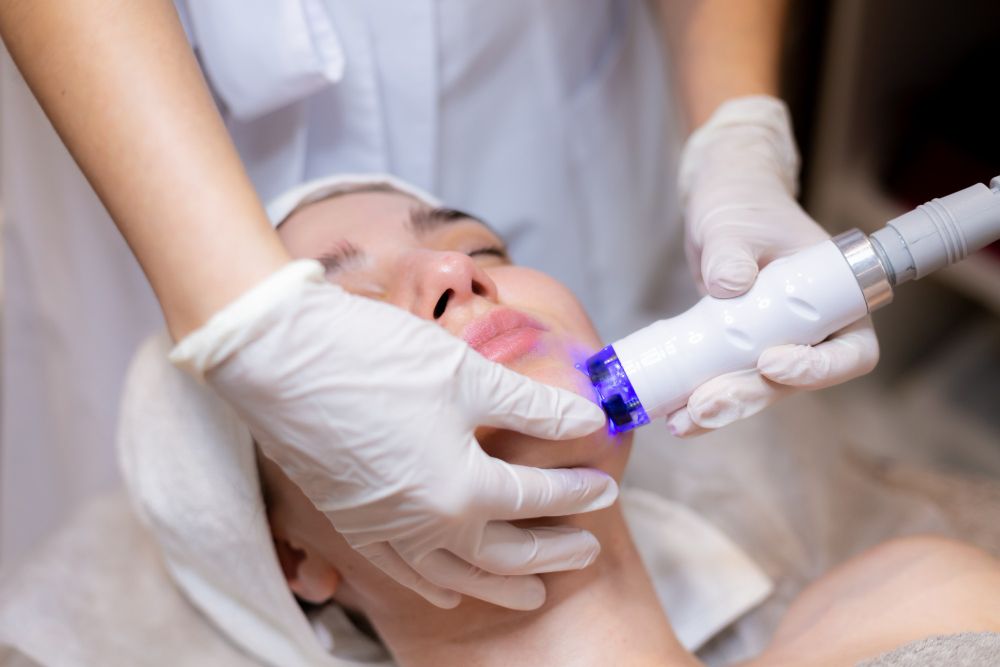
Laser spot removal uses focused light energy to break up melanin deep in the skin. Modern Pico laser technology is less damaging, more precise, and shows faster results than older methods.
Pros: Fast, visible results after a few sessions. Effectively targets deep melanin.
Cons: Must be performed by professionals. Incorrect use can cause redness, blisters, or scarring.
Editor’s Review: PicoCure Laser at Perfect Medical
Many women worry about pain, rebound pigmentation, or side effects. That’s why I tried the Perfect Medical PicoCure Pigmentation Removal Treatment, which uses 4 different wavelengths to target pigment at multiple skin depths.
How it works: Traditional nanosecond lasers break up melanin into fragments, then Pico laser reduces it to fine dust for easier lymphatic drainage. It’s safe and powerful.
I had a free trial and was pleasantly surprised! The treatment was slightly more intense than traditional lasers but still tolerable—like a rubber band snap. After a few days, I noticed tighter pores and smoother skin. Within two weeks, my dark spots visibly faded. After just one session, even bare-faced, friends noticed the difference!
Want to try it too? Perfect Medical currently offers a free trial, with no downtime and painless results. Spot removal has never been this easy!
2. Prescription Creams
Dermatologists may prescribe bleaching creams (e.g., hydroquinone) that suppress melanin and speed up skin renewal.
Pros: Effective for various pigment types. Many contain retinoids and steroids for faster results.
Cons: Potential for irritation or rebound if discontinued. Requires long-term use.
3. Natural Home Remedies
Avoiding Light-Sensitizing Foods
Some foods (e.g., celery, lemon, spinach) increase skin’s sensitivity to sunlight. Avoiding them may help prevent pigmentation—but be cautious as these foods are also nutritious.
Pros: Zero cost and helps reduce melanin activity.
Cons: May lead to nutritional deficiencies if not properly balanced.
DIY Face Masks
Cucumber, lemon juice, apple cider vinegar—all are popular DIY options. Apply to pigmented areas for gradual brightening.
Pros: Affordable and widely available.
Cons: May cause sensitivity. Results vary and may take longer to show.
免費體驗
PicoCure Pigmentation Removal Treatment
1 Minute Self-Registration
Date should not be before minimal date
FAQ

Are freckles always caused by sun exposure?
Not entirely. While UV exposure can trigger freckles, genetics also play a key role. Even with sun protection, hereditary freckles can still form.
Do cosmetics increase the risk of pigmentation?
Yes. Many contain metals and chemicals that react to UV light. Switching to natural formulas or minimizing heavy makeup can reduce this risk.
Why aren’t my whitening products working?
Pigment lies deep in the skin. Apply 3–5 drops of targeted spot serum directly to dark spots and massage for deeper absorption.
Can drinking lemon water fade spots?
Yes. Lemons are rich in vitamin C and antioxidants. Drinking lemon water daily supports melanin suppression and prevents skin aging.
How do I prevent dark spots from forming?
Sunscreen is key—apply it daily, even on cloudy days. Consistent sun protection is the most direct way to keep pigmentation at bay.