- Home
- Trend
- Weight Loss Strategies
- Acne Tips
- Hair Health Information
- Blemish Removal Tips
- Acne Scar Removal Tips
- Muscle Building Techniques
- Intimate Care Tips
- Postpartum Intimate Care
- Eye Bags Wiki
- Tips for Face Slimming
- Secret of Permanent Hair Removal
- Breast Enlargement Tips
- Cure to Snoring
- Marionette Lines
- Skin-Tightening Secrets

“How to effectively remove dark spots” has long been one of the most talked-about topics among women. Pigmentation not only affects a person’s appearance and confidence, it also makes you look much older—sometimes by 10 years or more. While lighter pigmentation may be easily covered with makeup, darker spots are often harder to conceal even with concealer. Instead of constantly hiding them, the real solution is to get rid of them! In this article, we’ll take a deep dive into the causes of pigmentation, effective spot removal methods, and tips to prevent new spots from forming—so you can say goodbye to pigmentation for good.

What is Pigmentation?
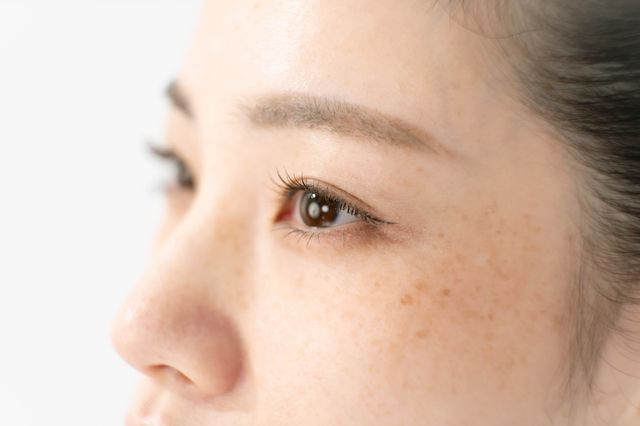
Pigmentation refers to spots on the skin that differ in color from the surrounding skin tone. Common types include freckles, melasma, butterfly spots, hormonal pigmentation, and liver spots. These are caused by a variety of factors including genetics, prolonged UV exposure, and hormonal imbalances. All of these contribute to an increase in melanin production. When melanin synthesis outpaces the body's ability to metabolize and eliminate it through the skin, it accumulates in the deeper layers. Over time, this leads to visible dark spots on the skin surface.
Common Causes of Pigmentation

To effectively remove and prevent pigmentation, it’s important to understand the underlying causes. That way, you can prevent spots from recurring long-term.
i. Genetics
Your genetic makeup plays a significant role. Everyone has a different amount of melanin-producing cells due to hereditary factors. People with more melanin cells tend to have darker skin tones and are more prone to pigmentation.
ii. UV Exposure
Sunlight is one of the main causes of pigmentation. UV rays interact with free radicals in the body and damage healthy skin cells. To protect itself, your body produces more melanin when exposed to sunlight. Overexposure leads to melanin buildup in the lower skin layers, resulting in dark spots.
iii. Natural Skin Aging
As we age, our skin naturally undergoes changes: slower metabolism, loss of collagen and elastin, and a weakened skin barrier. This makes the skin more vulnerable to external damage, especially UV rays, increasing the likelihood of sun spots (also known as age spots).
iv. Hormonal Imbalances
Hormones like estrogen and progesterone can stimulate melanin production. When hormone levels fluctuate—during pregnancy, menopause, or from stress-induced imbalance—it can trigger pigmentation. For instance, many women develop melasma during pregnancy due to a spike in hormone levels. These spots may fade postpartum, but in some cases, they persist and require targeted whitening treatments.
v. Poor-Quality Skincare Products
Many cosmetic products contain harsh chemicals that irritate the skin. Inferior products—especially those containing mercury or lead—can leave behind toxins that accumulate in the dermis and manifest as pigmentation.
vi. Frequent Skin Friction
Constant rubbing or friction on the skin can cause tissue damage. The skin reacts by producing more melanin to repair itself, which can result in dark spots over time.
免費體驗
PicoCure Pigmentation Removal Treatment
1 Minute Self-Registration
Date should not be before minimal date
Daily Habits That Help Prevent Pigmentation
i. Use Sun Protection Religiously
This is the most critical step in both preventing and treating pigmentation. UV rays are the main culprit behind melanin accumulation. Always apply sunscreen with SPF 30 and PA+++ or higher. Use physical sun protection too, such as umbrellas, hats, and UV-blocking clothing.
ii. Avoid Late Nights
Lack of sleep disrupts your body’s natural detox and metabolism, especially between 11 p.m. and 2 a.m.—when your body should be most active in repairing itself. Staying up late increases melanin buildup and worsens pigmentation. For better skin and brighter tone, stick to a healthy sleep schedule.
iii. Exfoliate Regularly
A thick layer of dead skin cells can block your pores and prevent nutrients from penetrating. Regular exfoliation removes old skin cells, accelerates skin turnover, and helps eliminate surface-level melanin, improving the appearance of dark spots.
Natural Remedies for Whitening and Spot Removal (Diet-Based)
i. Tomatoes
Rich in carotenoids and vitamin C, tomatoes promote collagen production, delay aging, and regulate oil-moisture balance. Vitamin C also inhibits tyrosinase—an enzyme that triggers melanin production—making it an effective natural brightening food.
ii. Lemons
Lemons contain up to 50mg of vitamin C per 100g, making them highly effective for skin whitening and treating pigmentation. They’re also packed with calcium, phosphorus, iron, and B vitamins, which help maintain skin elasticity and prevent capillary aging.
iii. Cucumbers
Loaded with potassium, carotenoids, B vitamins, vitamin C, protein, and minerals, cucumbers boost skin repair and accelerate melanin metabolism, making them a powerful anti-pigmentation food.
iv. Winter Melon
Praised in ancient Chinese medicine for its beauty benefits, winter melon is rich in amino acids, urease, vitamins, and trace elements. It can be consumed or used topically (e.g., rubbing slices on the face or washing with the pulp) to fade melasma and brighten the skin.
v. Black Fungus (Wood Ear Mushroom)
From a Traditional Chinese Medicine (TCM) perspective, kidney deficiency—common postpartum or during menopause—slows blood flow and causes melanin and toxins to accumulate. Black fungus boosts circulation and helps reduce pigmentation caused by poor blood and qi flow.
Want Faster Results? These Spot Removal Methods Work More Quickly
i. Whitening Products
Many skincare products contain active ingredients like kojic acid, glutathione, ellagic acid, and polyphenols that help inhibit melanin production. However, since they only work on the skin’s surface, their penetration and effectiveness can be limited.
ii. Chemical Peels (AHA/BHA Peels)
This method uses acids such as salicylic, glycolic, and mandelic acid to exfoliate dead skin cells, oils, and impurities, accelerating cell turnover. It’s effective for light pigmentation but should be performed by professionals, especially at higher concentrations, to avoid skin damage. Deep pigmentation like melasma may not respond to this method.
iii. Microdermabrasion
This involves using micro-needles or crystals to exfoliate the top skin layer. It stimulates skin repair, promotes collagen production, and helps regenerate skin tissue, effectively fading spots. It also helps with acne scars, fine lines, and rough texture—but may cause redness, itchiness, or irritation post-treatment.
iv. Laser Spot Removal
Laser treatments are currently the most effective and popular option. Lasers target deep layers of skin, breaking down melanin so it can be absorbed or metabolized by the body. However, it’s important to choose a safe and reputable treatment to avoid side effects like post-inflammatory hyperpigmentation or hypopigmentation.
免費體驗
PicoCure Pigmentation Removal Treatment
1 Minute Self-Registration
Date should not be before minimal date
Perfect Medical’s PicoCure Pigmentation Removal Treatment – Fast, Effective & Safe Spot Removal
Many clinics now offer laser treatments, but how do you choose the right one? If you want both safety and noticeable results, try Perfect Medical’s PicoCure Pigmentation Removal Treatment. This U.S.-imported technology uses four different laser wavelengths to penetrate deep into the skin and break down melanin at the source.
PicoCure combines nanosecond and picosecond laser technology. First, the nanosecond laser breaks up melanin into tiny pebble-like fragments. Then, the picosecond laser pulverizes these fragments completely. This makes it easier for your body to absorb or eliminate them through the lymphatic system. Additionally, the laser stimulates collagen production, which improves skin texture, fades acne marks, smooths out pores, and reduces pitting.
Tempted to try it? Click the link below to book your appointment now! (Psst—Perfect Medical is currently offering a free first trial, so don’t miss out!)
免費體驗
PicoCure Pigmentation Removal Treatment
1 Minute Self-Registration
Date should not be before minimal date
FAQ

What is pigmentation?
It refers to spots on the skin that differ in color from surrounding areas. When melanin production exceeds the rate of metabolism, it builds up in the skin, eventually forming visible dark spots.
What are the types of pigmentation?
Common types include freckles, hormonal pigmentation, sun spots, and age spots. Since each type has different causes, the treatment methods will also vary—so it’s important to identify the type before choosing a removal method.
What causes pigmentation?
The most common cause is prolonged UV exposure. Other causes include genetics, natural aging, and hormonal imbalance.
What are the common spot removal methods?
Options include over-the-counter whitening products, chemical peels, microdermabrasion, and laser treatments—the last being the most effective and widely used.
What foods help reduce pigmentation?
Lemon, tomato, black fungus, winter melon, and cucumber are all rich in nutrients like vitamin C that help brighten skin, reduce melanin, and fade dark spots.