- Home
- Trend
- Weight Loss Strategies
- Acne Tips
- Hair Health Information
- Blemish Removal Tips
- Acne Scar Removal Tips
- Muscle Building Techniques
- Intimate Care Tips
- Postpartum Intimate Care
- Eye Bags Wiki
- Tips for Face Slimming
- Secret of Permanent Hair Removal
- Breast Enlargement Tips
- Cure to Snoring
- Marionette Lines
- Skin-Tightening Secrets

Sun spots are an unavoidable skin concern for many women. These stubborn spots tend to appear in areas exposed to UV rays, and as temperatures rise, sun spots become even more noticeable. Even if you use sunscreen daily or have tried various sun protection measures, sun spots can still appear persistently. To tackle this common issue, it’s essential first to understand the causes of sun spots and the proper ways to treat them. This article delves into the formation of sun spots and effective fading methods to help you say goodbye to them.

One-Minute Guide to Distinguishing Freckles from Sun Spots: Can Sun Spots Form Without Sun Exposure?
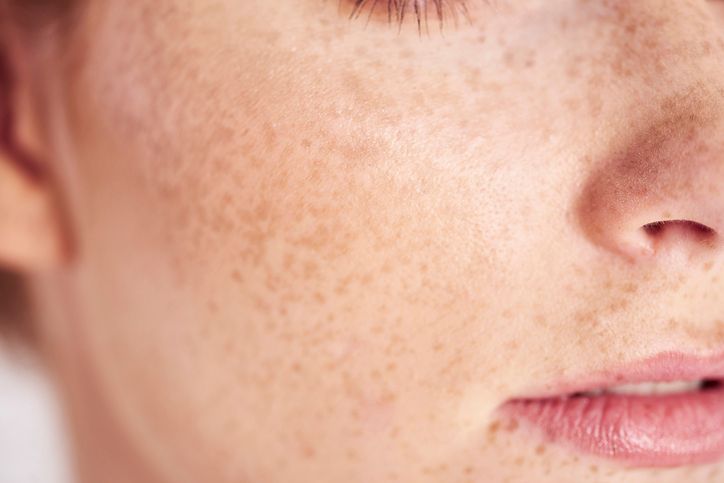
Both freckles and sun spots are shallow, epidermal-type spots located in the upper layers of the skin. However, there are key differences:
• Freckles are usually genetic. People with the freckle gene are more likely to develop small reddish-brown spots on their cheeks and nose when exposed to sunlight. These spots often appear in childhood or adolescence, gradually fading with age, and may change color with the seasons.
• Sun spots (solar lentigines), while named for sun exposure, are not necessarily caused solely by UV rays. Their formation is often more influenced by skin aging. These spots are typically yellowish or dark brown with irregular shapes and usually appear in older age due to cumulative sun exposure. Treating sun spots is more challenging, and laser therapy carries a risk of post-treatment darkening. Additionally, some black spots that resemble sun spots may actually be early signs of melanoma. Consulting a professional dermatologist is recommended for accurate diagnosis and treatment.
First Step to Fading Sun Spots: Identify 6 Main Causes

Many people associate sun spots only with UV exposure. While UV rays are a major factor, they’re not the only cause. Here are six key contributors:
1. UV Exposure: Sun spots form as a protective response in the epidermal basal layer, where melanocytes absorb and counteract UV damage. UVA penetrates deep into the dermis, causing aging, pigmentation, and wrinkles, while UVB affects the epidermis, triggering sunburn, sun spots, and photoaging. Frequent sun exposure stimulates melanocytes to produce melanin, resulting in pigmentation in sun-exposed areas like the face, neck, and arms.
2. Genetics: Genetic factors influence skin type and melanin deposition tendencies. Some families have a higher prevalence of sun spots due to inherited traits.
3. Using Photosensitive Whitening Ingredients: Ingredients like retinoic acid (AHA) or arbutin can make skin more sensitive to sunlight, increasing the likelihood of sun spots, sunburn, or irritation. Proper sun protection is essential when using these products.
4. Insufficient Antioxidants in Daily Skincare: Antioxidants such as vitamin C derivatives, vitamin B3, and peptides help protect skin cells from UV damage and reduce pigmentation. Skincare with these ingredients supports gradual fading and a naturally brighter complexion.
5. Sleep Deprivation: Lack of sleep impairs skin repair, making pigmentation more likely and accelerating aging. Adults should aim for 7–9 hours of sleep nightly to maintain healthy skin.
6. Insufficient Antioxidant Nutrients in Diet: Diets lacking vitamin C and E weaken the skin’s defense against UV rays, promoting melanin production. Balanced nutrition with antioxidants is crucial for skin protection.
Other factors like age and hormonal changes (e.g., pregnancy or hormone therapy) can also worsen sun spots. Thus, both biological and environmental factors play roles in their formation.
免費體驗
PicoCure Pigmentation Removal Treatment
1 Minute Self-Registration
Date should not be before minimal date
How to Treat Sun Spots? Dermatologists Recommend 4 Quick Methods for Fading and Prevention
Many women have tried various approaches to fade sun spots, often spending money without satisfactory results. Here are four dermatologist-recommended strategies:
1. Proper Sun Protection
Sunscreen prevents UV damage that leads to pigmentation. UVB primarily affects the epidermis, while UVA penetrates deeper, causing aging and stimulating melanin. For optimal results, choose broad-spectrum sunscreen with SPF ≥25, reapply regularly, and ensure even coverage. Look for “Broad Spectrum” labels or PA/★ ratings for UVA protection.
2. Use Antioxidant Skincare & Medications Correctly
Products with antioxidants and melanin-inhibiting ingredients (vitamins A, C, E, curcumin, green tea extract, azelaic acid, arbutin, etc.) help reduce pigmentation. Prescription creams should be used under a dermatologist’s guidance to avoid adverse effects. Dietary intake of antioxidants from fruits and vegetables also enhances skin protection and fading results.
3. Reduce Excessive Heat Exposure
High temperatures (e.g., saunas, hot yoga) dilate blood vessels and stimulate melanin production, worsening pigmentation. Avoid excessively hot environments and reduce consumption of spicy foods that raise facial temperature, supporting better fading results.
4. Pico Laser Spot-Removal Treatments
Laser treatments are highly effective for fading spots. Q-switched lasers and picosecond (pico) lasers precisely target pigmentation without damaging surrounding skin. The Perfect Medical PicoCure combines four wavelengths and both pico- and nano-lasers to break down melanin from its root, ensuring comprehensive fading, collagen stimulation, and skin rejuvenation. The treatment is safe, painless, and ideal for busy city lifestyles. Free trial sessions are available, including a professional skin analysis.
免費體驗
PicoCure Pigmentation Removal Treatment
1 Minute Self-Registration
Date should not be before minimal date
FAQ

Which daily habits help fade spots?
Consume antioxidant-rich foods (leafy greens, fruits, nuts, fish), vitamins C & E (guava, kiwi, avocado, broccoli), maintain adequate sleep, and exercise regularly to support skin metabolism and a brighter complexion.
Can exfoliation quickly reduce sun spots?
Chemical exfoliation can temporarily lighten surface pigmentation but may cause sensitivity if overused. Healthy skin naturally renews every 28 days, so consistent care and safe fading methods are more effective.
Will sun spots come back?
Even after laser treatment, sun spots can recur without proper protection due to cumulative UV exposure.
Can natural remedies fade sun spots?
Lemon juice or aloe may help, but results vary. Some natural ingredients can irritate skin; always patch-test first, especially for sensitive skin.
How can I truly eliminate sun spots?
Sun spots deepen over time with UV exposure. Perfect Medical PicoCure breaks down deep pigmentation with rapid, short pulses, fading spots from within, achieving more comprehensive results than typical skincare.