- Home
- Trend
- Weight Loss Strategies
- Acne Tips
- Hair Health Information
- Blemish Removal Tips
- Acne Scar Removal Tips
- Muscle Building Techniques
- Intimate Care Tips
- Postpartum Intimate Care
- Eye Bags Wiki
- Tips for Face Slimming
- Secret of Permanent Hair Removal
- Breast Enlargement Tips
- Cure to Snoring
- Marionette Lines
- Skin-Tightening Secrets

According to Traditional Chinese Medicine (TCM), insufficient liver and kidney function can easily trigger pigmentation. Frequent arguments, anger, and depression are all said to harm the liver, causing dark spots to form rapidly!

Causes of Pigmentation
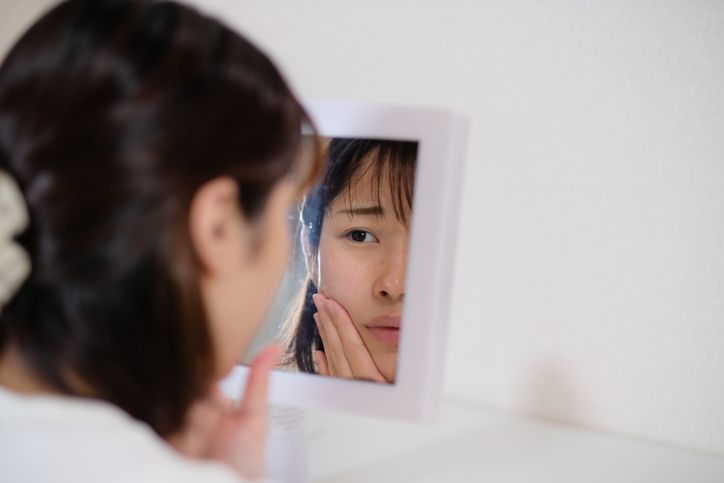
Pigmentation is a frustrating problem whether you're applying makeup or skincare. Many young women don’t apply sunscreen regularly—mainly because oily skin in youth makes applying another layer of sunscreen unpleasant. But once UV damage accumulates and the first dark spot appears, it's often too late! If you want to eliminate dark spots quickly and effectively, you first need to understand their causes. Aside from UV rays, there are four other major contributors:
1. Sun Exposure
No surprise here—sunlight is the biggest culprit behind pigmentation. Melanocytes (pigment-producing cells) reside between the epidermis and dermis, helping protect the skin from UV damage. While sunspots may not appear immediately after sun exposure, UV damage is cumulative. Over time, it stimulates the production of tyrosinase, which triggers melanocyte activity, darkening the skin and forming spots at various skin layers.
2. Chronic Dryness
Over 70% of skin is made up of water, and hydration is essential for healthy cell function. Without sufficient hydration—either internally or through moisturizers—skin becomes dehydrated, which slows cell turnover. This prevents melanin from shedding properly, leading to pigment buildup over time.
3. Skin Aging
Skin aging is inevitable. As we age, skin cell turnover slows, dead skin cells accumulate, and collagen thins. This makes skin more vulnerable to UV damage and leads to faster melanin deposition. Age spots, melasma, and other types of pigmentation become more prominent and harder to fade.
4. Stress and Hormonal Changes
Never underestimate the impact of stress! While some people break out under pressure, others develop hormone-induced pigmentation. According to TCM, internal “heat” imbalances (like excessive anger or stress) contribute to pigmentation. For example, the writer’s mother developed dark patches on her cheeks during years of high stress, sleep deprivation, and irregular schedules. Once the stress subsided, her spots gradually faded. Stress can disrupt hormonal balance, raising androgen levels and increasing melanin production, leading to pigmentation.
5. Frequent Friction
During the pandemic, many people wore masks for long periods. Beyond causing acne and rashes, repeated mask friction also increased pigmentation risk. Constant rubbing, micro-damage to the skin’s surface, and repeated inflammation can stimulate melanin production and blood vessel dilation—leading to redness and dark spots.
The 4 Major Types of Pigmentation
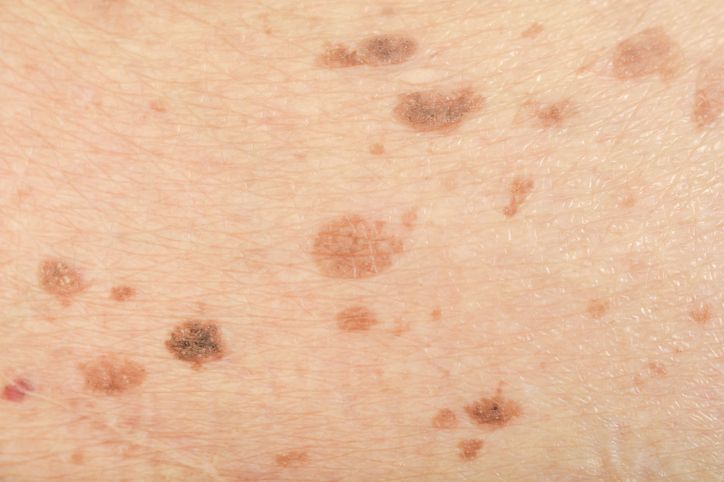
Pigmentation can be divided into two categories and four main types. In short, light brown spots like freckles, sunspots, and café-au-lait spots are epidermal and relatively easier to treat. Dark brown to bluish-black spots are dermal, penetrating deeper into the skin and harder to remove.
Epidermal Pigmentation: Light Brown
1. Freckles
Freckles are caused by genetics or UV exposure. They appear as flat, coffee-colored dots on areas exposed to sunlight—cheeks, forehead, and nose bridge. They tend to darken in summer and lighten in winter. Freckles caused by genetics often appear in childhood and increase with age. Fair-skinned individuals are more prone to freckles.
2. Sunspots / Solar Lentigines
Sunspots—also called solar lentigines—are common among younger people who are often in the sun without adequate protection. These flat, irregularly shaped patches form due to prolonged UV exposure. They're typically lighter than freckles and appear on sun-exposed areas like cheeks, cheekbones, shoulders, and the back of the hands. They’re often mistaken for hormonal pigmentation but are usually asymmetrical.
Dermal Pigmentation: Dark Brown to Blue-Purple
1. Melasma / Hormonal Spots
A major skincare challenge for many middle-aged women, melasma is notoriously hard to treat. It’s triggered by UV damage, hormonal changes (e.g., pregnancy, contraceptive pills), stress, genetics, and thyroid issues. Melasma tends to appear as large, irregular, symmetrical patches on both cheeks and is difficult to fade.
2. Age Spots
Medically known as seborrheic keratosis, age spots can be caused by genetics, aging, or UV damage. Despite the name, they don’t only affect the elderly—some women in their 30s already have them. They start as flat brown spots but may thicken and become raised over time, affecting appearance significantly and requiring removal.
免費體驗
PicoCure Pigmentation Removal Treatment
1 Minute Self-Registration
Date should not be before minimal date
Who's Most at Risk of Pigmentation?
1. High-Risk Groups
According to doctors, the following groups are more prone to pigmentation:
• Fair-skinned individuals (fewer melanocytes means UV damage triggers overproduction of melanin)
• Those taking hormone-related supplements or contraceptives (which disrupt hormonal balance)
• People using photosensitizing drugs like vitamin A acid or cardiac meds
2. Sunscreen with SPF30 PA+++ or Above
Pigmentation has a high recurrence rate, so prevention is key. While genetics can't be controlled, sun exposure can. The best protection includes physical barriers like umbrellas, sunglasses, masks, and hats, alongside sunscreen with SPF 30+ (blocks 97-98% UVB) and PA+++ or higher for effective UVA protection.
3. Indoor Sunscreen Matters Too
UVA can penetrate glass and clouds, so if you're prone to pigmentation or undergoing treatment, use sunscreen indoors as well.
Top 5 Methods to Remove Pigmentation: Fruit Acid Peels and Pico Laser Lead the Way
1. Fruit Acid Peels
High-concentration, small-molecule AHAs like glycolic acid can penetrate the dermis to:
• Stimulate collagen production
• Dissolve bonds between dead cells to speed exfoliation
Both effects help accelerate skin renewal and fade spots.
Downsides: Only high concentrations (30–50%) used by professionals are effective. DIY use risks burns and sensitivity, and in-clinic peels can be costly and require multiple sessions.
2. Laser and Pico Laser Treatments
OTC creams often lack penetration power to remove dermal-level pigmentation, especially melasma. Regular lasers can treat freckles and sunspots but may aggravate melasma due to heat. Pico laser is a breakthrough: its ultra-fast pulses minimize heat damage, making it ideal for stubborn melasma.
Downsides: Few side effects aside from temporary redness and sensitivity. Fast, effective, and increasingly affordable.
3. Intense Pulsed Light (IPL)
Unlike lasers that target a specific depth, IPL uses a broad spectrum to treat various skin concerns simultaneously. It's ideal for lighter spots like freckles and sunspots.
Downsides: Not as precise as laser, requires multiple treatments, and mishandling can cause burns on sensitive skin.
4. Prescription Topicals
Hydroquinone and tretinoin (vitamin A acid) inhibit melanin production and help lighten spots over time.
Downsides: Strong but irritating. Overuse can cause inflammation or rebound pigmentation (post-inflammatory hyperpigmentation).
5. Whitening Skincare Products
Ingredients like kojic acid, glutathione, and ellagic acid are found in many OTC products.
Downsides: Large molecules may not penetrate deeply. Some unknown brands may secretly contain mercury or steroids—posing health risks with long-term use.
5 Foods That Help Fade Pigmentation: Winter Melon Can Even Be Used as a Face Mask!
1. Tomatoes
Rich in carotenoids and vitamin C, tomatoes help resist sun damage, promote collagen, and reduce tyrosinase activity to inhibit melanin.
2. Lemons
While not the highest in vitamin C, they’re convenient and versatile. 100g of lemon juice has 50mg of vitamin C—great for daily intake to help brighten skin.
3. Cucumber
Although applying cucumber slices doesn’t really whiten skin (and may cause irritation), eating cucumbers supports hydration and detoxification. They contain potassium, carotenoids, vitamin C, and trace minerals.
4. Carrots
Packed with carotenoids and vitamin A, carrots help fight aging, inflammation, and dryness. But don't overeat—too much can turn your skin yellow!
5. Black Fungus
In TCM, kidney deficiency contributes to pigmentation. Black foods like black fungus and black beans are believed to nourish the kidneys, improve blood flow, and reduce melasma.
Bonus: DIY Winter Melon Whitening Mask
According to Compendium of Materia Medica, winter melon pulp whitens the skin and fades spots. Mash the inner pulp, apply to pigmented areas for 15 minutes, and rinse. Use 1–2 times weekly for wrinkle and spot reduction.
免費體驗
PicoCure Pigmentation Removal Treatment
1 Minute Self-Registration
Date should not be before minimal date
Editor’s Review: PicoCure Pigmentation Removal Treatment – Does It Really Work?
As discussed above, Pico laser is currently the most recognized and effective pigmentation removal treatment. Early on, its biggest downside was the high cost, but that has dropped significantly over the years.
The editor had freckles and sunspots. Upon visiting Perfect Medical for the PicoCure treatment, she saw many others being treated for melasma and age spots, and felt reassured by the clinic’s professionalism.
The consultant explained the science behind "PicoCure"—a U.S.-developed technology using four wavelengths (1064nm, 650nm, 585nm, 532nm) to target all types of pigmentation. It first uses nanosecond laser to shatter melanin, followed by picosecond laser to break it down into ultra-fine dust, making it easier for the lymphatic system to remove naturally.
The treatment took only 30 minutes and was painless, with just slight redness that faded in a few hours. Within three days, the editor’s freckles and sunspots visibly lightened and scabbed over. A week later, they had completely disappeared!
She was thrilled with the results, saying it was far more effective than expected—definitely worth it! Tired of heavy concealer or long makeup routines? Perfect Medical now offers one free PicoCure pigmentation removal session and a professional skin analysis! Click the link below for more details.
免費體驗
PicoCure Pigmentation Removal Treatment
1 Minute Self-Registration
Date should not be before minimal date
FAQ

Why are middle-aged women more prone to pigmentation?
Western medicine cites aging, genetics, and UV damage. During menopause, hormone fluctuations disrupt skin renewal and increase melanin. TCM adds that liver/kidney deficiencies and emotional stress can cause internal “heat,” drying out the skin and triggering pigmentation.
Are natural remedies effective?
Most involve applying crushed whitening foods like lemon, cucumber, or egg whites. Doctors warn that food molecules are too large to penetrate the dermis, and many cause irritation or allergies—especially lemon juice (acidic), scrubs with sugar, or raw egg whites (bacteria).
Can pigmentation return after treatment?
Yes. No treatment can guarantee it won’t recur since pigmentation is influenced by UV rays, hormones, and genetics. However, regular maintenance with Pico laser (e.g. monthly sessions) can help keep skin clear and prevent new spots.
Do sensitive and dry skin types get pigmentation more easily?
Yes. UV exposure and inflammation trigger melanin production as a defense. Dehydrated skin slows cell turnover, making it harder to shed melanin, so dark spots accumulate more easily.
Do over-the-counter spot creams work?
Only mildly. OTC creams typically contain low concentrations of retinol, arbutin, vitamin C, glycolic acid, azelaic acid, tranexamic acid, or niacinamide. They may lighten superficial spots with long-term use. Prescription creams (e.g. hydroquinone) work better but carry side effects like irritation or rebound pigmentation.