- Home
- Trend
- Weight Loss Strategies
- Acne Tips
- Hair Health Information
- Blemish Removal Tips
- Acne Scar Removal Tips
- Muscle Building Techniques
- Intimate Care Tips
- Postpartum Intimate Care
- Eye Bags Wiki
- Tips for Face Slimming
- Secret of Permanent Hair Removal
- Breast Enlargement Tips
- Cure to Snoring
- Marionette Lines
- Skin-Tightening Secrets

Traditional Chinese medicine believes that weak liver and kidney function easily triggers pigmentation. Frequent arguments, anger, and emotional suppression can also damage the liver, causing pigmentation to form rapidly.

Causes of Pigmentation
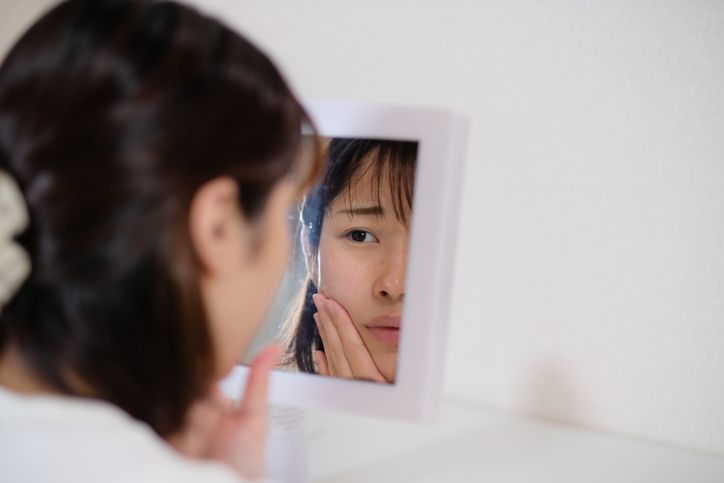
Pigmentation is frustrating both in makeup and skincare. Many young women skip sunscreen because their skin is oilier when young, making them reluctant to apply an additional layer of skincare. However, by the time the first dark spot appears due to accumulated UV damage, it is already too late. To effectively and quickly remove pigmentation, it is essential to understand the causes. Beyond UV exposure, there are four additional key triggers.
1. Extensive sun exposure
UV radiation is the biggest contributor to pigmentation. Melanocytes sit between the epidermis and dermis to protect the skin. You may not immediately see sunspots after sun exposure, but UV damage accumulates over time, stimulating tyrosinase production and melanocyte activity, darkening the skin and forming patches of pigmentation across different skin layers.
2. Chronic skin dryness
Over 70% of skin composition is water. Skin cell renewal requires sufficient hydration. Without adequate water intake or moisturising skincare, the skin becomes dehydrated, slowing down metabolism. Melanin already formed cannot be shed off naturally and remains trapped within the deeper layers, gradually accumulating into pigmentation.
3. Natural skin aging
Aging is inevitable. As the skin ages, its metabolic rate slows, making it harder for dead skin cells to shed. Collagen also declines, resulting in thinner skin, greater UV vulnerability, and faster melanin accumulation. This leads to age spots, melasma, and pigmentation becoming progressively more visible.
4. Stress and hormonal fluctuations
Stress should not be underestimated. Some people break out when stressed, while others develop melasma. Traditional Chinese medicine believes that excess internal heat or emotional imbalances contribute to pigmentation. Chronic stress, sleep deprivation, or marital conflict can disrupt hormone balance, increase androgen activity, and accelerate melanin production.
5. Frequent skin friction
During the pandemic, long-term mask usage caused acne and sensitivity, but many overlooked that constant mask-to-skin friction can also trigger pigmentation. Repeated rubbing and micro-injury inflame the skin, activating melanocytes and blood vessel dilation. This inflammation-induced response leads to redness and eventual dark spots.
The 4 Major Types of Pigmentation
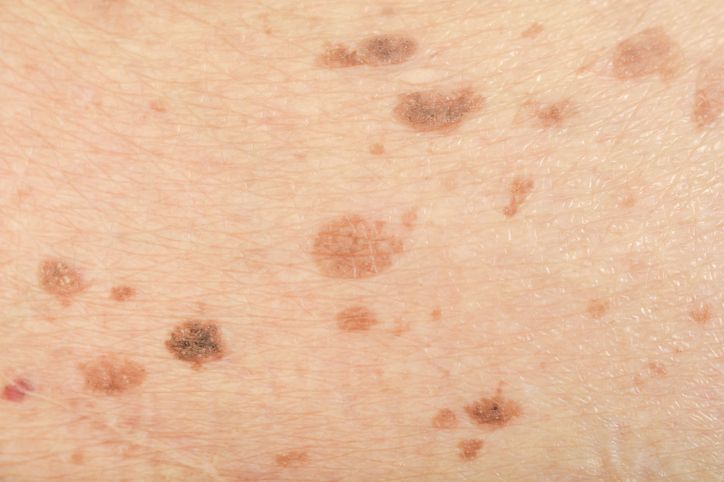
Pigmentation is classified into two main categories and four types. Lighter brown spots such as freckles, sunspots, and café-au-lait spots are surface-level pigmentation. Dark brown, black, bluish, or purplish-toned pigmentation is deep-level pigmentation extending to the dermis and is more challenging to treat.
Surface Pigmentation: Light Brown
1. Freckles
Caused by genetics or UV exposure. They appear as flat, well-defined brown spots on sun-exposed areas such as cheeks, forehead, and nose. They darken in summer and fade slightly in winter. Fair-skinned individuals are more prone to freckles.
2. Sunspots
Also known as solar lentigines, these form due to chronic sun exposure and insufficient skin protection. They are often mistaken for melasma but are lighter in colour, asymmetrical, and appear in patch-like clusters on cheeks, cheekbones, shoulders, and hands.
Deep Pigmentation: Dark Brown or Bluish
1. Melasma
A common and notoriously difficult-to-treat pigmentation among middle-aged women. Causes include UV damage, pregnancy, contraceptives, hormonal imbalance, stress, genetics, and thyroid issues. Melasma appears symmetrically on both cheeks with larger, blurred-edged patches.
2. Age Spots
Also known as seborrheic keratosis. Although commonly associated with older adults, they can appear as early as the thirties. Initially flat and brown, they gradually thicken, rise, and change texture. When on the face, they should be removed promptly due to their noticeable appearance.
免費體驗
PicoCure Pigmentation Removal Treatment
1 Minute Self-Registration
Date should not be before minimal date
Prevention: 4 High-Risk Groups for Pigmentation & How to Protect Your Skin
1. Four groups more prone to pigmentation
Doctors note that fair-skinned individuals, those taking hormonal supplements, contraceptives, or photosensitising medications are at higher risk. Fair skin has fewer melanocytes, so UV exposure triggers sudden melanin production. Hormonal changes easily cause melasma, while photosensitive medications heighten pigmentation formation.
2. Sunscreen SPF 30 PA+++ and above
Prevention is key because pigmentation has a high recurrence rate. While genetics cannot be controlled, sun protection can. Physical protection (shade, umbrellas, masks, hats) is ideal, followed by sunscreen SPF 30+ to block up to 98% of UVB. PA+++ or higher protects effectively against UVA.
3. Sunscreen indoors as well
UVA penetrates clouds and glass. Anyone prone to pigmentation or undergoing pigmentation treatments should apply sunscreen indoors consistently.
The 5 Most Effective Pigmentation Removal Methods
1. Chemical peels (AHA/Glycolic Acid)
High-concentration glycolic acid (BHA/AHA) has small molecules that penetrate the dermis to stimulate collagen and dissolve dead skin cells. This accelerates skin turnover and fades pigmentation.
Drawback: Low-concentration AHAs (<20%) have limited effects. Clinical-grade peels (30–50%) require professional supervision, are costly, and may cause irritation or burns if misused at home.
2. Laser and Pico Laser
Standard lasers effectively treat superficial spots but may worsen melasma due to heat-induced vascular dilation. Pico laser, however, operates at ultra-fast speeds with minimal heat, reducing risk of post-inflammatory darkening and making it the preferred option for melasma.
Drawback: Pico laser is fast, safe, and highly effective, with only temporary redness for a few days and minimal side effects.
3. IPL (Intense Pulsed Light)
IPL uses broad-spectrum light to target multiple skin layers at once. It helps freckles and sunspots but is less precise than lasers and often requires multiple sessions.
Drawback: Higher settings may overheat certain skin layers and cause burns. While gentle, IPL requires precise operation to avoid damage.
4. Prescription topical medication
Hydroquinone and tretinoin inhibit melanin formation. Effective over long-term use but may cause irritation, dermatitis, or rebound darkening.
Drawback: Potent but harsh; may cause dryness, inflammation, or allergic reactions.
5. Whitening skincare products
Ingredients such as kojic acid, glutathione, and ellagic acid can support brightening, but large molecular sizes limit penetration. The effect is mild and slow, requiring months of consistent use.
Drawback: Some products illegally add steroids or mercury, posing serious health risks.
5 Foods That May Help Reduce Pigmentation
1. Tomatoes – high in carotenoids and vitamin C to support collagen and inhibit melanin.
2. Lemon – convenient source of vitamin C to support skin health.
3. Cucumber – rich in potassium and antioxidants to aid renewal.
4. Carrots – high in beta-carotene and vitamin A to support skin repair, but excessive intake may cause skin yellowing.
5. Black fungus (wood ear mushroom) – traditionally used to support kidney function and circulation, helping reduce pigmentation related to stagnation.
Bonus: DIY Winter Melon Brightening Mask
Some traditional remedies suggest using the inner pulp of winter melon as a topical brightening mask. Crush the pulp and apply it to dark spots for 15 minutes before rinsing. Recommended 1–2 times weekly.
Editor’s Real Pico Laser Experience
The editor underwent the PicoCure Pico Laser treatment for freckles and sunspots. The clinic used a combination of four laser wavelengths (1064 nm, 650 nm, 585 nm, 532 nm) to target all pigmentation types. First, nanosecond laser breaks larger pigment clusters; then, pico laser shatters them into fine particles for lymphatic drainage.
The treatment was quick and painless, with only mild redness lasting a few hours. Freckles and sunspots began forming tiny scabs within three days and faded dramatically within one week. The final result was clear, bright skin with excellent pigmentation removal.
Perfect Medical currently offers a complimentary trial session and professional skin analysis for interested customers.
免費體驗
PicoCure Pigmentation Removal Treatment
1 Minute Self-Registration
Date should not be before minimal date
FAQ

Why are middle-aged women more prone to pigmentation?
Aging, genetics, hormonal fluctuations, and accumulated UV damage slow skin turnover and increase melanin production. Traditional Chinese medicine also links pigmentation to liver and kidney imbalance and emotional stress.
Are natural DIY pigmentation remedies effective?
Most DIY methods lack scientific support. Food molecules are too large to penetrate the skin, and some ingredients can irritate or damage the skin (e.g., citrus juices, sugar scrubs, raw egg white).
How long do pigmentation treatments last? Will spots return?
No treatment can guarantee permanent removal because pigmentation is influenced by UV exposure, genetics, and hormones. Pico laser is the most efficient method currently recognised by dermatologists. Monthly maintenance sessions are recommended to prevent recurrence.
Are sensitive or dry skin types more prone to pigmentation?
Yes. When the skin is inflamed or dehydrated, melanocytes become more active as a protective mechanism. This increases melanin production and makes pigmentation more likely to form.