- Home
- Trend
- Weight Loss Strategies
- Acne Tips
- Hair Health Information
- Blemish Removal Tips
- Acne Scar Removal Tips
- Muscle Building Techniques
- Intimate Care Tips
- Postpartum Intimate Care
- Eye Bags Wiki
- Tips for Face Slimming
- Secret of Permanent Hair Removal
- Breast Enlargement Tips
- Cure to Snoring
- Marionette Lines
- Skin-Tightening Secrets

For many women, pigmentation is one of the most frustrating skin concerns. It not only affects overall appearance and makes the complexion look older, but it can also significantly undermine confidence. Although pigmentation problems can be stubborn, they are not impossible to treat. Among the many spot-fading solutions available, most people choose whitening or spot-correcting products to reduce pigmentation. In this article, we will explore in detail the causes of pigmentation, key points for selecting whitening serums, preventive measures, and more. If you are currently troubled by dark spots, this guide is a must-read.

Why Do Dark Spots Form? The 5 Major Causes of Pigmentation

To effectively fade dark spots, you must first understand what causes them. Only then can you apply the right strategy and achieve better results.
i. Genetic Factors
Genetics play a major role in pigmentation. Our bodies naturally contain melanocytes, which are responsible for producing melanin and giving the skin its color. The number of melanocytes varies from person to person due to genetic inheritance, affecting overall skin tone. When melanocyte activity exceeds normal levels, skin can appear darker, and the likelihood of pigmentation increases. Dark spots occur when melanin accumulates excessively in a specific area of the skin. Freckles, for example, are one type of hereditary pigmentation.
ii. Prolonged UV Exposure
UV radiation is extremely damaging to the skin. When skin is exposed to the sun for long periods, the body produces more melanin to protect itself. However, this increased melanin often becomes unevenly distributed, resulting in sunspots, tanning marks, or age spots.
iii. Hormonal Imbalance
Hormonal imbalance is another key cause of pigmentation. Estrogen and progesterone stimulate the production of melanin, so elevated hormone levels increase the likelihood of dark spots forming. This is especially common in women, particularly during pregnancy, when hormonal surges can lead to melasma or pregnancy-induced pigmentation.
These spots may fade after childbirth once hormone levels normalize, but in some cases they persist and require targeted brightening treatments. Excessive stress may also disrupt hormonal balance, promoting excess melanin production and leading to pigmentation. Maintaining hormonal stability is therefore essential for preventing and treating dark spots.
iv. Skin Aging
As we age, the skin naturally undergoes a decline in protective barrier function. Collagen and elastin levels decrease, and the skin’s metabolism slows down. These age-related changes make it easier for melanin to accumulate within the deeper layers of the skin, where it becomes trapped and forms visible dark spots.
v. Frequent Friction on the Skin
Frequent friction can cause mild skin damage. In response, the skin produces melanin as a defense mechanism to protect and repair the affected area. Over time, this leads to increased pigmentation.
vi. Heavy Electronic Device Usage
In today’s digital world, constant device use exposes the skin to blue light radiation. Blue light accelerates the formation of free radicals, which damage skin cells and contribute to premature aging. This process worsens melanin accumulation and increases the risk of pigmentation.
Can Whitening and Spot-Fading Products Really Reduce Pigmentation?
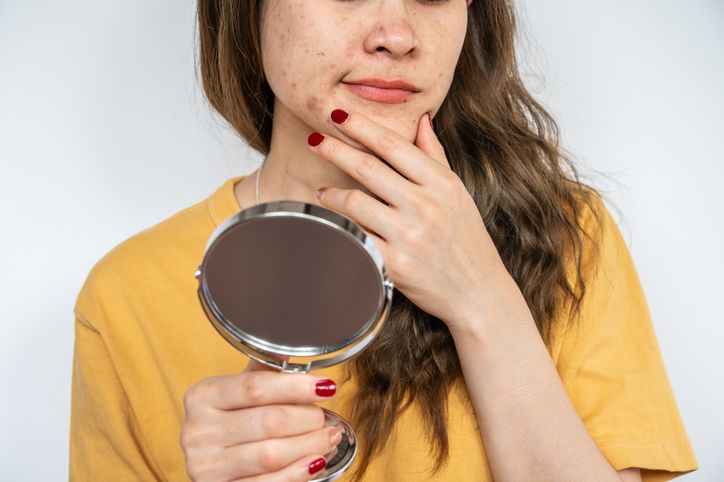
Many whitening and spot-correcting products contain active ingredients that inhibit melanin production, such as acids, glutathione, ellagic acid, and polyphenols. Some formulations also promote skin turnover to help expel excess melanin more efficiently, enhancing spot-fading results.
However, the effectiveness varies greatly from brand to brand due to differences in formulation. Moreover, pigmentation has many causes. Over-the-counter whitening serums are mainly effective for pigmentation caused by UV exposure. Pigmentation related to hormonal imbalance, genetics, age spots, or freckles often cannot be resolved solely through topical products.
It is also important to note that whitening serums are applied externally on the skin surface, so their active ingredients may not fully penetrate the deeper layers where melanin accumulates. This limits their ability to completely remove stubborn dark spots.
免費體驗
PicoCure Pigmentation Removal Treatment
1 Minute Self-Registration
Date should not be before minimal date
How to Choose an Effective Whitening and Spot-Fading Serum
Key Point 1: Look for Ingredients That Suppress Melanin
The effectiveness of any whitening serum depends largely on its formulation. Review the ingredient list carefully and choose products containing proven melanin-inhibiting actives or ingredients that promote turnover. Examples include linoleic acid, retinol, Vitamin C derivatives, tranexamic acid, and arbutin.
Key Point 2: Ensure the Serum Contains Hydrating Ingredients
Adequate hydration is essential for maintaining healthy skin and supporting proper metabolism. When the skin is well-hydrated, it appears brighter and more radiant. Therefore, in addition to whitening ingredients, choose serums that also contain hydrating ingredients to maintain moisture balance.
Key Point 3: Avoid Irritating Ingredients
Whitening serums are often used near delicate areas such as the eye region. Individuals with sensitive or compromised skin should avoid products that contain potential irritants such as parabens, alcohol, or artificial fragrances, which may trigger reactions.
7 Highly Recommended Whitening and Spot-Fading Serums
Recommendation 1: Dr. Wu Intensive Glutalight Whitening Serum
This serum features the brand’s Glutalight™ brightening complex, combining glutathione and Vitamin C glucoside to inhibit melanin production. It also contains patented ethyl Vitamin C and peptide complexes to promote exfoliation and fade stubborn pigmentation. The B-vitamin group, milk thistle extract, and Japanese molecular hyaluronic acid enhance hydration and repair, making it suitable for sensitive skin.
Recommendation 2: Kiehl’s Clearly Corrective Dark Spot Solution
A long-standing best-seller, this serum contains Activated C, a dermatologist-recommended brightening ingredient. It effectively fades dark spots, improves dullness, and reduces acne marks. The formula is gentle and suitable for sensitive skin.
Recommendation 3: Clinique Even Better Clinical Radical Dark Spot Corrector + Interrupter
This upgraded formula includes double the concentration of Clinique’s medical-grade brightening ingredients, delivering enhanced whitening and spot-correcting results. It also contains Japanese gyokuro extract and rice bran extract to strengthen the skin barrier and improve overall texture.
Recommendation 4: Caudalie Vinoperfect Radiance Serum
This serum features grapevine extract, olive extract, and squalane to target acne marks, melasma, sunspots, and photo-induced freckles. Its 98% natural vegan formula makes it gentle and non-irritating.
Recommendation 5: SK-II GenOptics Spot Essence
Known as the “Little White Bottle,” this serum is a popular choice for fading pigmentation. The formula incorporates SK-II’s exclusive brightening complex, along with niacinamide and algae extract to improve overall skin clarity and appearance.
Recommendation 6: Clarins Bright Plus Advanced Brightening Dark Spot Targeting Serum
Formulated with rose myrtle extract, acerola extract, and natural Vitamin C glucoside, this lightweight serum penetrates quickly for maximum brightening performance. It also offers anti-aging benefits by helping delay natural skin aging.
Recommendation 7: AHC Ampoule Directory Gluta-Niacin Whitening Serum
This serum contains high-purity niacinamide, melanin-blocking enzymes, and brightening extracts to target melanin at the root and prevent future pigmentation. It also includes tranexamic acid and arbutin to brighten dull tone and soothe the skin.
Daily Habits That Help Prevent Pigmentation
Apply Sunscreen
UV exposure is closely linked to pigmentation formation. Apply sunscreen before going outdoors and use umbrellas, hats, or UV-protective clothing to reduce exposure.
Avoid Staying Up Late
Between 11 PM and 2 AM, the body undergoes active metabolism and detoxification. Staying awake during this period disrupts these processes, making it harder for melanin to be expelled and increasing the risk of pigmentation.
Consume Antioxidant-Rich Foods
Antioxidants neutralize free radicals and delay skin aging, thereby preventing pigmentation. Blueberries, strawberries, tomatoes, carrots, and walnuts are all excellent sources.
免費體驗
PicoCure Pigmentation Removal Treatment
1 Minute Self-Registration
Date should not be before minimal date
Perfect Medical PicoCure Picosecond Laser Treatment: A Faster and More Effective Way to Fade Dark Spots
Dark spots are notoriously difficult to treat. Whitening serums may require prolonged use, and since they only work on the skin’s surface, their results are limited. If you want a solution that is faster and significantly more effective, consider the Perfect Medical PicoCure Pigmentation Removal Treatment Treatment.
This treatment combines both nanosecond and picosecond laser technologies. Nanosecond lasers break melanin into smaller fragments, while picosecond lasers further pulverize those fragments into dust-like particles. These can then be naturally absorbed and cleared by the lymphatic system. Additionally, the treatment stimulates collagen regeneration, improving overall texture and refining pores.
Perfect Medical is currently offering a first-trial session, making it an excellent opportunity for anyone looking to treat pigmentation.
免費體驗
PicoCure Pigmentation Removal Treatment
1 Minute Self-Registration
Date should not be before minimal date
FAQ

What are dark spots?
Dark spots refer to areas of skin where pigmentation is significantly darker than surrounding tissue. They form when melanin production exceeds the skin’s ability to metabolize and expel it. Excess melanin accumulates within skin cells and eventually becomes visible on the surface.
What causes excess melanin buildup?
The most common cause is prolonged UV exposure. Other causes include genetics, natural aging, hormonal imbalance, and blue light exposure.
Can whitening serums help fade dark spots?
Yes. Whitening serums often contain ingredients that inhibit melanin formation and help brighten overall tone. They can fade dark spots caused by pigmentation.
What nutrients help reduce pigmentation?
Vitamin A, Vitamin C, Vitamin E, beta-carotene, and Omega-3 fatty acids all support pigmentation reduction.
What is the best way to treat dark spots?
In addition to daily sun protection and consistent skincare, professional treatments are essential for deeper or stubborn pigmentation. PicoCure Picosecond Laser uses high-speed pulses to shatter melanin and deliver faster, more even brightening results.