- Home
- Trend
- Weight Loss Strategies
- Acne Tips
- Hair Health Information
- Blemish Removal Tips
- Acne Scar Removal Tips
- Muscle Building Techniques
- Intimate Care Tips
- Postpartum Intimate Care
- Eye Bags Wiki
- Tips for Face Slimming
- Secret of Permanent Hair Removal
- Breast Enlargement Tips
- Cure to Snoring
- Marionette Lines
- Skin-Tightening Secrets

Men and younger women are generally less familiar with melasma because it is less common in these groups. However, for older family members—mothers, aunts, and grandmothers—melasma can be a persistent concern and is one of the most difficult pigmentation issues to treat. As you age, you may also encounter melasma. So what exactly is it, and how should you address it? This article provides a full explanation. Whether or not you currently struggle with melasma, understanding its causes and treatment approaches can be highly beneficial in daily life.

Uncovering the Truth About Melasma: A Female “Appearance Killer” Unrelated to Liver Health
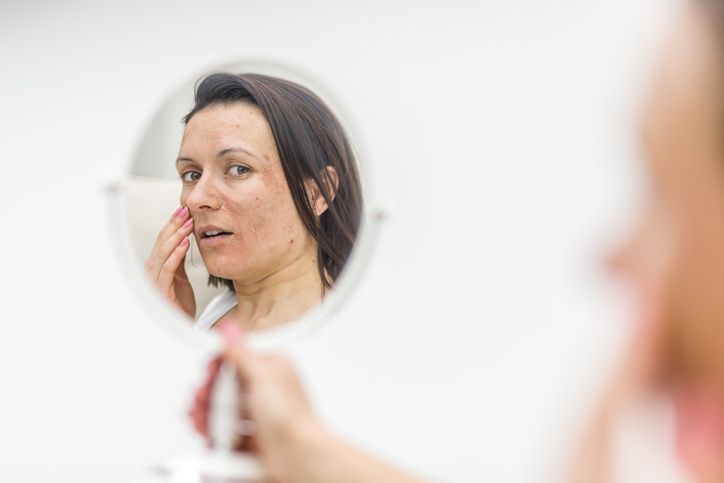
Melasma—also known as chloasma or the “butterfly mask”—is an acquired pigmentation disorder linked to excess melanin production. While its exact cause remains unclear, dermatologists generally observe irregular, bilateral, symmetrical, ill-defined gray-brown to yellow-brown patches typically across the forehead, cheeks, cheekbones, eyelids, upper lip, nose, and chin. These areas have one thing in common: they protrude and are more exposed to sunlight. Therefore, melasma is strongly associated with ultraviolet (UV) exposure.
Despite the name “melasma” (commonly mistaken for being liver-related due to its color), it has no relationship to liver function. The term simply refers to the pigmentation’s resemblance to “liver-like” coloration. In reality, melasma is commonly associated with aging, sun exposure, and genetics. This makes sun protection a critical first line of defense. Laser-based treatments, aesthetic procedures, prescription medications, and medical-grade skincare are also widely used to manage melasma.
Melasma is especially common among individuals with darker skin types, including Asians, Latinos, and African Americans. Notably, approximately 90 percent of melasma cases occur in women. It is rare in younger women but becomes significantly more common during pregnancy due to hormonal fluctuations. Research shows that melasma affects 15–50 percent of pregnant women, and roughly one-quarter develop melasma for the first time during pregnancy—hence the names “pregnancy mask” or “maternal melasma.” Men account for about 10 percent of cases but often fail to notice early signs due to lower awareness of facial changes.
Melasma Explained: Its 2 Distinctive Features and 7 Major Causes

Although melasma's exact pathogenesis remains under debate, histological studies reveal two key features: increased melanocyte activity and elevated melanin deposits. Additionally, microvascular changes near melasma patches may contribute to higher melanin concentration. More mast cells are also found in melasma-affected skin, indicating chronic inflammation. To date, seven contributing factors have been identified: UV exposure, hormonal imbalance, genetics, medication effects, improper use of cosmetics and skincare, thyroid dysfunction, and emotional stress.
1. UV Exposure
UV radiation—primarily from sunlight, fluorescent lights, and UV lamps—is one of the biggest contributors to melasma. UVA penetrates deep into the skin and directly stimulates melanocytes, while UVB affects the upper layers but also triggers melanin production. Increased melanin formation leads to visible patches over time.
2. Hormonal Imbalance
Oral contraceptives, pregnancy, hormone replacement therapy, and hormone fluctuations in general can induce or worsen melasma. Elevated estrogen levels stimulate melanocyte activity, making hormones an important contributor.
3. Genetics
Some individuals naturally have more reactive melanocytes due to their genetic background. If close family members—particularly parents or grandparents—develop melasma, your risk is higher. Genetics influence how strongly your skin reacts to UV exposure, increasing susceptibility to pigmentation.
4. Medication Effects
Certain medications, including oral contraceptives, hormone treatments, anti-epileptic drugs, and specific prescribed drugs, may trigger melasma. Others, such as photosensitive antibiotics (e.g., tetracyclines), NSAIDs (e.g., ibuprofen), antidepressants, and diuretics, increase skin sensitivity to UV light. When exposed to sunlight, these medications can cause or worsen melasma. Patients taking these medications should avoid excessive UV exposure.
5. Improper Use of Cosmetics and Skincare
Incorrect or harsh use of skincare and makeup—such as applying strong exfoliants, using fragranced or irritating products, or applying products unsuited for sensitive skin—can damage the skin barrier and elevate melasma risk. Proper product selection and consistent sun protection are essential.
6. Thyroid Dysfunction
Both hyperthyroidism and hypothyroidism can trigger or worsen melasma. Overactive thyroid function accelerates metabolism and increases oxidative stress, stimulating melanin production. Conversely, low thyroid function slows circulation, causing melanin accumulation. Either imbalance can contribute to pigmentation.
7. Emotional Stress
Emotional stress influences the endocrine system and may cause hormone fluctuations. Long-term stress increases cortisol and other stress hormones that can overstimulate melanocytes. Stress also weakens immune protection against UV damage, further increasing melasma risk. Effective stress management, healthy lifestyle habits, adequate rest, and regular exercise help reduce pigmentation triggers.
免費體驗
PicoCure Pigmentation Removal Treatment
1 Minute Self-Registration
Date should not be before minimal date
Three Daily Habits That Help Prevent Melasma
Prevention is more manageable than expected. By adjusting three simple lifestyle habits, you can significantly reduce your risk of developing melasma.
1. Consistent Sun Protection
Melasma-prone skin is hyper-reactive to UV exposure. Regardless of therapies used, sun protection is essential because poor sun protection can reverse treatment gains. Three practical sun-protection tips:
1. Physical barriers such as umbrellas, UV-protective clothing, and hats; darker fabrics offer better UV resistance.
2. Use broad-spectrum sunscreen labeled SPF 30+ and PA+++ or higher to block UVA and UVB.
3. Reapply every 2–3 hours, especially after sweating or wiping the face.
2. Proper Hydration + Gentle Skincare
Melasma-prone skin often has lower moisture levels and is more fragile. Use mild cleansers, avoid over-exfoliation, and avoid products with harmful ingredients such as mercury and heavy fragrances. Reinforce hydration to support the skin barrier.
3. Consume Foods Rich in Vitamins C and E
Vitamins C and E help reduce melanin, enhance antioxidant defenses, and prevent dark spots. Foods rich in these vitamins include guava, citrus fruits, kiwi, lettuce, avocado, spinach, and okra. It is advisable to limit fried foods and photosensitive foods such as lemon, mint, celery, coriander, and basil to reduce skin sensitivity.
Preventing and Treating Melasma: Four Proven Approaches
High-Value Medical Aesthetic Treatments You Should Consider
Treating melasma requires guidance from a dermatologist. Common modalities include topical medication, oral medication, laser therapy, and newer options such as radiofrequency-based treatments. Because melasma tends to recur and no single treatment works universally, combination therapy is typically recommended for at least six months.
Below are four commonly used treatment and prevention methods:
1. Topical Treatments
A. Triple-Combination Cream
A widely used melasma prescription containing hydroquinone, a mild steroid, and retinoic acid. Visible improvement typically begins after 4–6 weeks, with more pronounced results after 3–6 months. Because it contains steroids, long-term use is not recommended.
B. Azelaic Acid
Azelaic acid inhibits tyrosinase to reduce melanin formation. It is less potent but safer, including for pregnant women. It may cause mild irritation and is generally effective only for mild melasma. Triple-combination creams work faster but carry steroid-related risks. Azelaic acid is safer but less potent when used alone.
2. Oral Medications
Tranexamic acid is the most common oral treatment and works by reducing melanocyte activity and disrupting pigment transfer. A typical course lasts 3–4 months, taken 1–2 times daily. Improvement often appears around Month 2. However, melasma recurs easily after discontinuation, so it is usually paired with other therapies.
Side effects may include gastrointestinal discomfort and menstrual irregularities. It is unsuitable for individuals with clotting disorders or those on hormone therapy.
3. Pico Laser Therapy: Perfect Medical’s PicoCure Pigmentation Removal Treatment
Picosecond lasers generate significantly fewer thermal side effects than traditional lasers and can shatter pigment more efficiently. Perfect Medical’s PicoCure treatment combines both nanosecond and picosecond technologies to break pigment into ultra-fine particles for faster removal.
With four wavelengths (1064 nm, 650 nm, 585 nm, 532 nm), it targets both deep and superficial pigmentation, making it highly effective for melasma. Perfect Medical also offers a free first-trial session for new users.
4. Hydration, Barrier Repair, and Long-Term Sun Protection
Melasma management requires ongoing care even after treatment. Maintaining strong hydration, avoiding triggers, and using proper sunscreen daily are essential for sustaining results.
免費體驗
PicoCure Pigmentation Removal Treatment
1 Minute Self-Registration
Date should not be before minimal date
FAQ

1. Is melasma treatment permanent?
No. Melasma recurs easily due to genetic, hormonal, and environmental triggers. Long-term sun protection, maintenance treatments, and proper skincare are required.
2. What is the difference between melasma and age spots?
Melasma typically forms larger, irregular brown patches on the face and is heavily influenced by hormones and sun exposure. Age spots are smaller, more defined, and appear on both the face and sun-exposed areas such as hands and shoulders.
3. Are there side effects to melasma treatment?
Common temporary side effects include redness, inflammation, mild itching or tingling, and post-inflammatory color changes. Proper sun protection after treatment is essential.
4. Who is not suitable for melasma treatment?
Pregnant or breastfeeding women, individuals with active skin inflammation, or those with serious underlying medical conditions may not qualify for certain therapies. Hormone-related conditions should also be addressed first.
5. Is there a fast way to fade melasma?
Perfect Medical’s PicoCure Ultra-Picosecond Laser targets pigmentation at multiple depths with minimal downtime, making it a strong option for individuals seeking quicker improvement.