- Home
- Trend
- Weight Loss Strategies
- Acne Tips
- Hair Health Information
- Blemish Removal Tips
- Acne Scar Removal Tips
- Muscle Building Techniques
- Intimate Care Tips
- Postpartum Intimate Care
- Eye Bags Wiki
- Tips for Face Slimming
- Secret of Permanent Hair Removal
- Breast Enlargement Tips
- Cure to Snoring
- Marionette Lines
- Skin-Tightening Secrets

Melanin buildup is a common concern among beauty-conscious individuals. Whether it appears as dark spots, dark under-eyes, or an overall dull, sallow complexion, excess melanin can easily lead to appearance anxiety. Although melanin accumulation is a frequent skin condition and many believe it is simply pigment collecting on the skin’s surface, the risks go far beyond that. Excessive or uncontrolled melanin activity can contribute to issues such as melanoma. If you love tanning, take note: sunbeds may increase your risk of skin cancer.
Below, we break down the 3 major causes of melanin accumulation, plus dermatologist-recommended ways to reduce it. At the end, you’ll also find a secret weapon for whitening and spot-removal.

What Is Melanin?
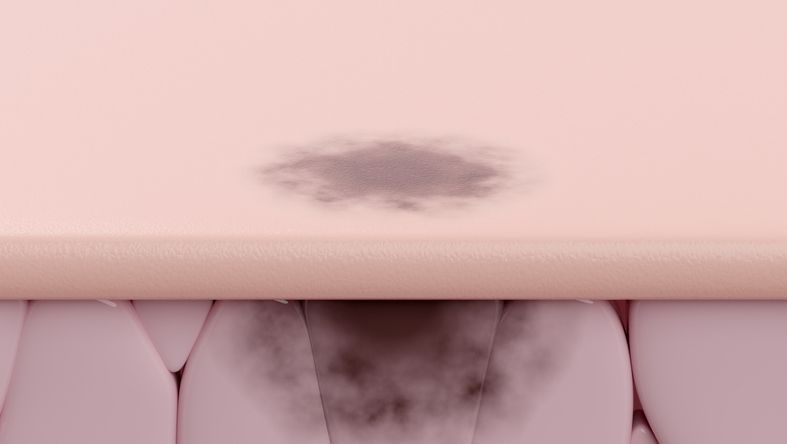
Melanin is a naturally occurring biological pigment produced by melanocytes in the body. It exists in the skin, hair, and eyes, and is responsible for determining our external coloration. Beyond appearance, melanin also plays a protective role by absorbing ultraviolet (UV) radiation and reducing potential DNA damage to skin cells.
Two main types of melanin — and the one responsible for turning you darker:
• Eumelanin: Brown-black in color, more common in deeper skin tones, and highly effective at absorbing UV radiation. It provides stronger protection.
• Pheomelanin: Red-yellow in color, found in lighter skin tones and red hair. It offers significantly weaker UV protection.
The proportion of these two pigments determines an individual’s skin tone and sun tolerance.
How Melanin Is Formed: A Detailed Look at How Skin Darkens
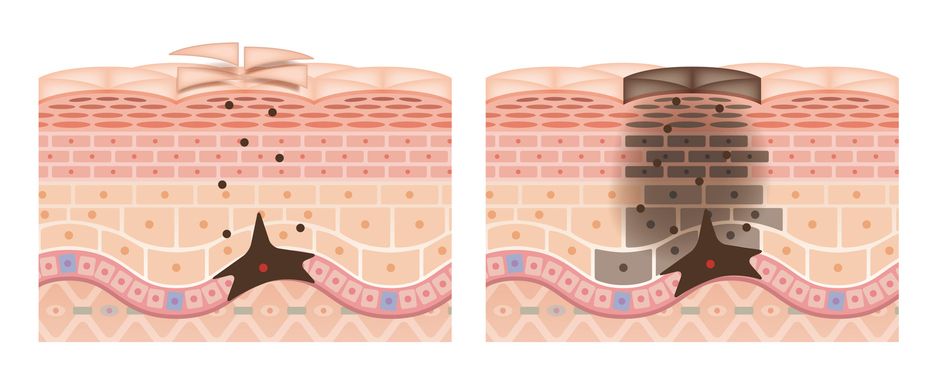
When skin is exposed to UV radiation, melanocytes located at the junction of the epidermis and dermis become activated and begin producing melanin. The process involves the following steps:
1. Tyrosinase Activation
UV exposure activates tyrosinase, the enzyme that converts tyrosine into dopaquinone.
2. Melanin Synthesis
Dopaquinone undergoes a series of reactions to form either eumelanin or pheomelanin.
3. Melanosome Transfer
Melanin is packaged into melanosomes, which are transported to surrounding keratinocytes.
4. Skin Color Transformation
As the melanin-containing keratinocytes migrate upward to the surface, the skin gradually appears darker.
免費體驗
PicoCure Pigmentation Removal Treatment
1 Minute Self-Registration
Date should not be before minimal date
Common Signs of Melanin Accumulation: 5 Key Symptoms
1. Tanning
Prolonged UV exposure triggers rapid melanin production to protect the dermis. This results in temporary darkening, but repeated exposure can cause long-term pigmentation and persistent dark spots.
2. Acne Marks & Scar Pigmentation
Inflamed acne can stimulate melanocytes, causing post-inflammatory hyperpigmentation (PIH). Severe skin injury may also result in darker scar tissue that is slow to fade and disrupts overall skin evenness.
3. Dark Spots & Uneven Skin Tone
Uneven distribution or overproduction of melanin leads to freckles, sunspots, melasma, and age spots. These often stem from UV damage, hormonal fluctuations, and aging, resulting in a dull, uneven, or yellowish complexion.
4. Mole Changes & Melanoma Risk
Existing moles that become darker, asymmetrical, enlarged, or show irregular borders may signal early melanoma. Acral melanoma — commonly found on the nails, hands, and feet — is especially prevalent in Asian populations. Individuals with a family history should be vigilant.
5. Melanocytic Lesions & Skin Cancer Risk
Uncontrolled or mutated melanocytes can evolve into malignant melanoma. Lesions may arise from genetic factors, UV exposure, chronic wounds, or long-standing skin injuries. Any abnormal brown-black patches, raised lesions, or uneven pigmentation should be examined by a dermatologist.
The 3 Major Causes of Melanin Accumulation
1. UV Exposure
The most common external trigger. UV radiation activates melanocytes to produce melanin for protection. Without proper sun protection, pigment can accumulate excessively, resulting in sunspots and darkening.
2. Genetics & Family History
Genetic predisposition determines melanocyte activity. Individuals from families with freckles, hyperpigmentation, or melanoma histories are more likely to develop melanin-related issues, even with minor UV exposure.
3. Immune System Irregularities
Chronic inflammation, autoimmune imbalance, or skin injury can overstimulate melanocytes. Conditions like lupus may also lead to uneven pigmentation and dark patches.
How to Prevent Excess Melanin? Dermatologist-Recommended Methods
1. Daily Sun Protection
Use SPF 30+ and PA+++ or above. Apply 20 minutes before going outdoors and reapply every 2–3 hours, especially after sweating or water exposure.
2. Effective Brightening & Spot-Correcting Ingredients
• Vitamin C: Antioxidant, brightening
• Niacinamide: Inhibits melanin transfer
• Tranexamic Acid: Targets melasma and stubborn pigmentation
• Arbutin & Licorice Extracts: Inhibit tyrosinase
• AHAs: Promote exfoliation and pigment turnover
3. Prescription Treatments
Common dermatologist-recommended therapies include:
• Hydroquinone
• Retinoic Acid (Tretinoin)
• Triple Combination (Hydroquinone + Retinoic Acid + Steroid)
4. Lifestyle Adjustments
Eat antioxidant-rich foods (kiwi, nuts, spinach), get adequate sleep, and avoid staying up late to regulate hormonal balance and reduce melanin formation.
免費體驗
PicoCure Pigmentation Removal Treatment
1 Minute Self-Registration
Date should not be before minimal date
The Ultimate Solution for Melanin Reduction: Perfect Medical PicoCure Pigmentation Removal Treatment
Allowing melanin to accumulate will only worsen pigmentation over time. A professional, high-precision solution like the Perfect Medical PicoCure Pigmentation Removal Treatment offers rapid, non-invasive improvement.
This technology uses four different picosecond and nanosecond laser wavelengths, reaching varying skin depths to break down stubborn melanin clusters. It improves dullness, uneven tone, dark spots, enlarged pores, and even tightens the eye area for comprehensive anti-aging and brightening benefits.
Book now to enjoy a complimentary session, including:
• Professional Skin Analysis
• Perfect Medical PicoCure Picosecond Laser Treatment
免費體驗
PicoCure Pigmentation Removal Treatment
1 Minute Self-Registration
Date should not be before minimal date
FAQ

1. How long does it take for tanned skin to return to normal?
Anywhere from a few weeks to several months, depending on the level of tanning and your skin’s metabolic rate.
2. Is a higher SPF always better?
Not necessarily. Choose an SPF suited to your lifestyle and sun exposure.
3. Is picosecond laser painful?
Pain levels vary but are generally tolerable. Numbing cream may be applied beforehand.
4. What foods help brighten the skin?
Vitamin C-rich fruits and vegetables such as lemons, oranges, and kiwis.
5. How can I effectively reduce melanin accumulation?
Reduce triggers (UV exposure, lack of sleep), use brightening ingredients like Vitamin C or tranexamic acid, and for deep or long-standing pigmentation, the Perfect Medical PicoCure Picosecond Laser provides precise, high-speed pigment breakdown for faster, more visible results.