- Home
- Trend
- Weight Loss Strategies
- Acne Tips
- Hair Health Information
- Blemish Removal Tips
- Acne Scar Removal Tips
- Muscle Building Techniques
- Intimate Care Tips
- Postpartum Intimate Care
- Eye Bags Wiki
- Tips for Face Slimming
- Secret of Permanent Hair Removal
- Breast Enlargement Tips
- Cure to Snoring
- Marionette Lines
- Skin-Tightening Secrets

Getting acne can be a real headache—but just when you think it’s finally cleared up, the next issue appears: acne marks. These lingering blemishes vary in severity; some may fade on their own after a few months, while others can be stubborn and permanent. Fortunately, a wide range of laser acne scar removal treatments are now available. These procedures can target melanin deep within the skin, helping to fade pigmentation, resurface the skin, and even stimulate collagen production.
In this article, we’ll explore how laser acne scar treatments work, and break down the science behind them. We’ll also explain the different types of acne marks, so you can better understand how to treat them.

The 4 Main Types of Acne Marks – One Is Especially Hard to Treat!
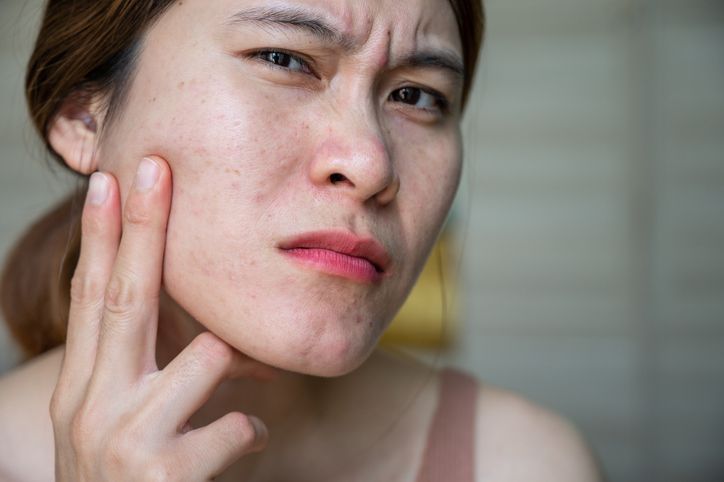
Acne marks can be categorized into four types based on their color and appearance. Each type varies in severity, which means treatment strategies also differ.
i. Red Acne Marks
When acne forms, a mix of bacteria, oil, dead skin cells, and debris clogs the pores, causing inflammation. To fight this, the body activates an anti-inflammatory response, leading to the dilation and growth of tiny blood vessels around the affected area. These capillaries help deliver healing agents to the inflamed area.
Once the acne subsides, these dilated blood vessels may remain temporarily, resulting in red marks. These are considered the mildest form of acne marks and usually fade on their own within one to two months without the need for special treatment.
ii. Brown Acne Marks
If red marks are improperly treated or irritated, they can darken into purplish-red or brown marks. These areas often feel firmer to the touch due to the skin’s overactive healing response.
During this stage, the skin is still fragile. In order to protect itself from further damage, it produces excess melanin and thickens the outer skin layer. This results in visible brown pigmentation.
Brown marks take longer to fade due to deeper melanin deposits, so removing them typically requires more time and targeted treatments.
iii. Acne Scars (Pitted Scars)
These are considered severe acne marks. They form when inflammation damages the deeper dermal layers of the skin, often seen in people with conditions like rosacea.
Sometimes, people try to squeeze pimples to speed up healing, but this can worsen tissue damage. The skin's self-repair process is compromised, leading to fibrous adhesions where collagen and elastin become tangled. Without enough collagen, the affected skin collapses inward, forming visible pits or dents.
These scars don’t fade on their own and require medical aesthetic treatments such as laser therapy to improve their appearance.
iv. Hypertrophic Acne Scars
These raised bumps form after acne has healed and are also known as hypertrophic scars. They occur when the skin's repair process goes into overdrive, causing abnormal tissue growth that binds with other extracellular components.
Like pitted scars, these are classified as severe and generally require advanced treatment, including laser, surgical, or hormone therapy.
Can Laser Treatments Really Remove Acne Marks?
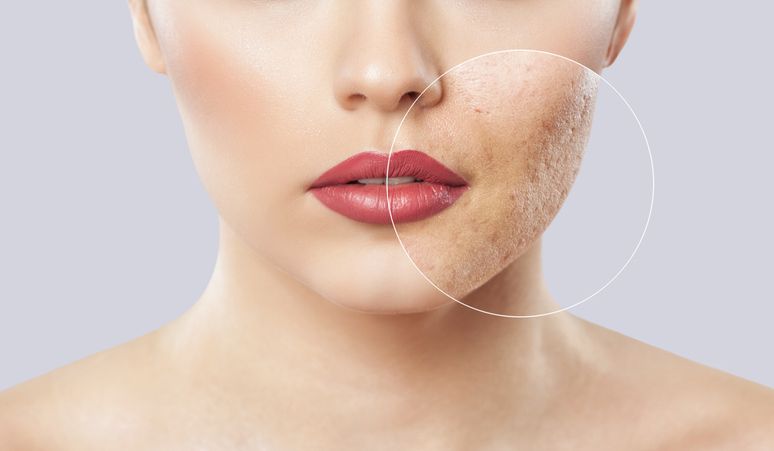
Thanks to advancements in aesthetic technology, more people are turning to laser treatments to eliminate acne scars. But do they actually work? The answer is yes.
The main culprit behind persistent acne marks is melanin deposits beneath the skin. Laser treatments work by delivering specific wavelengths of light energy deep into the skin. The heat energy breaks down melanin, which is then metabolized and flushed out by the body’s circulatory system.
In addition to fading scars, laser treatments can reduce pigmentation, minimize pores, brighten the complexion, promote skin renewal, and stimulate collagen production.
免費體驗
PicoCure Pigmentation Removal Treatment
1 Minute Self-Registration
Date should not be before minimal date
6 Types of Laser Treatments – Which Is the Most Effective?
There are many types of laser treatments on the market, each using different technologies and wavelengths. Here’s a closer look at the six most common types:
i. Nanosecond Laser
This type of laser fires pulses that last just a nanosecond (one-billionth of a second). The energy penetrates the dermis, breaking melanin into pebble-sized particles that are then naturally eliminated by the body.
However, nanosecond lasers generate significant heat, which can burn the skin and cause redness, pain, or even hyperpigmentation post-treatment.
ii. Picosecond Laser
Picosecond lasers have become the most popular acne scar treatment in recent years. Each pulse lasts just one-trillionth of a second, shorter than a nanosecond.
These ultra-short pulses create a photoacoustic (shockwave) effect, shattering melanin into fine dust-like particles that are easily metabolized. Because less heat is involved, there’s reduced risk of skin damage or post-treatment pigmentation.
iii. Picosure Laser (Fractional Picosecond Laser)
This treatment enhances the picosecond laser with a specialized MLA (Microlens Array) lens. The lens disperses the laser into hundreds of microbeams, allowing more targeted treatment while reducing surface damage.
The result is a “cavitation effect” in the dermis, triggering the skin’s self-repair mechanisms. It’s particularly effective for deep acne scars, pitted skin, and pigmentation while also boosting collagen production.
iv. Fraxel Laser
Also known as fractional laser treatment, Fraxel targets acne scars and pitted skin by dividing laser beams into micro-columns that penetrate the dermis.
Each beam is only 100–200 microns wide, allowing deeper skin penetration. However, because it only treats small areas at a time, multiple sessions are usually required to see noticeable results.
v. Dye Laser
Dye lasers are ideal for treating red acne scars and pitted areas caused by capillary dilation. The laser constricts dilated vessels, reducing redness quickly and effectively.
It also helps control oil production, which benefits acne-prone skin with excessive sebum, clogged pores, and inflammation.
Post-Laser Care: 5 Things to Remember
Since laser treatments may cause temporary irritation, it’s essential to follow these aftercare tips to avoid complications:
i. Use Sunscreen Daily
Laser-treated skin is more vulnerable to UV damage, which can worsen pigmentation or cause hyperpigmentation. Apply sunscreen every day—even indoors—to prevent sun damage.
ii. Avoid Hot Water on the Face
Skin will be especially sensitive after treatment, so avoid washing with hot water for at least a week. Also skip saunas, hot springs, and steamers during recovery.
iii. Prioritize Moisturization
Dryness, itchiness, and flaking are common after laser procedures. These are signs of moisture loss, so hydrate well using moisturizing skincare products and sheet masks to help the skin recover.
iv. Avoid Harsh Skincare Products
For at least one week, steer clear of products with alcohol, acids, fragrances, or other irritants. These can cause further skin damage during the sensitive post-treatment period.
v. Skip Exfoliation
Though exfoliation helps maintain smooth skin, it can also disrupt the skin barrier—especially after laser therapy. Wait until your skin fully recovers before exfoliating again.
Not Sure Which Laser Treatment to Choose? Try Perfect Medical's PicoCure Pigmentation Removal Treatment!
With so many laser treatments on the market, it can be overwhelming to choose. Since you’re treating your face, it's best to go with a trusted clinic.
Perfect Medical’s PicoCure Pigmentation Removal Treatment is an excellent choice, combining the strengths of both nanosecond and picosecond laser technology. The nanosecond pulses break down deep-set melanin, while the picosecond laser shatters it into ultra-fine dust particles, making it easier for your body to eliminate them.
At the same time, it stimulates collagen production, helping improve both acne scars and uneven skin texture like pitted or raised scars.
Even better? Perfect Medical is currently offering a free trial of their PicoCure treatment! Click the link below for more details.
免費體驗
PicoCure Pigmentation Removal Treatment
1 Minute Self-Registration
Date should not be before minimal date
FAQ

How does laser acne scar treatment work?
It targets melanin deposits deep in the skin, using specific laser wavelengths to break them down. The body then metabolizes and removes them naturally, effectively fading acne scars and marks.
Besides removing acne marks and improving pitted scars, what else can laser treatments do?
They can also reduce pigmentation, shrink pores, brighten skin, improve texture, and stimulate collagen production.
Are there alternatives to laser treatments for acne marks?
Other options include scar creams, spot-fading serums, and vitamin C supplements. However, these typically require long-term use and may not be as effective as laser treatments.
Do laser acne scar treatments have side effects?
Possible side effects include temporary redness, peeling, itching, or hyperpigmentation. However, these are usually mild and short-term.
What should I be aware of after getting laser treatment?
Keep your skin hydrated, avoid harsh products and exfoliants, and apply sunscreen daily to prevent pigmentation from returning.