- Home
- Trend
- Weight Loss Strategies
- Acne Tips
- Hair Health Information
- Blemish Removal Tips
- Acne Scar Removal Tips
- Muscle Building Techniques
- Intimate Care Tips
- Postpartum Intimate Care
- Eye Bags Wiki
- Tips for Face Slimming
- Secret of Permanent Hair Removal
- Breast Enlargement Tips
- Cure to Snoring
- Marionette Lines
- Skin-Tightening Secrets

When it comes to spot removal treatments, many people immediately think of pico laser. In recent years, pico treatments have become increasingly popular, offering benefits beyond spot removal. They can also address whitening, acne scars, wrinkles, large pores, and more. With its multifunctional capabilities, it’s no wonder so many women with pigmentation concerns are eager to try it!

What is Pico Laser?
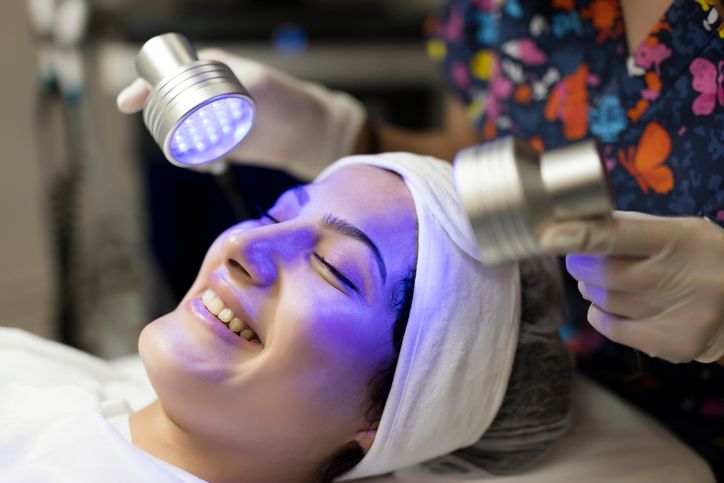
"Pico" in pico laser refers to the duration of laser energy emission. While traditional lasers operate in nanoseconds (1 billionth of a second), pico lasers are 1,000 times faster, emitting laser energy in picoseconds (1 trillionth of a second). This means a spot that would take 1,000 seconds to remove with traditional lasers can be treated in just 1 second with pico lasers, making the treatment much faster and less damaging to the skin.
In recent years, pico lasers have gradually replaced traditional nanosecond lasers. They are widely used for spot removal, collagen stimulation, pore shrinking, melanin lightening, and acne scar treatment. Pico lasers are also considered safer than traditional lasers due to their short skin contact time, reducing side effects like hyperpigmentation.
Understanding Pico Laser Wavelengths
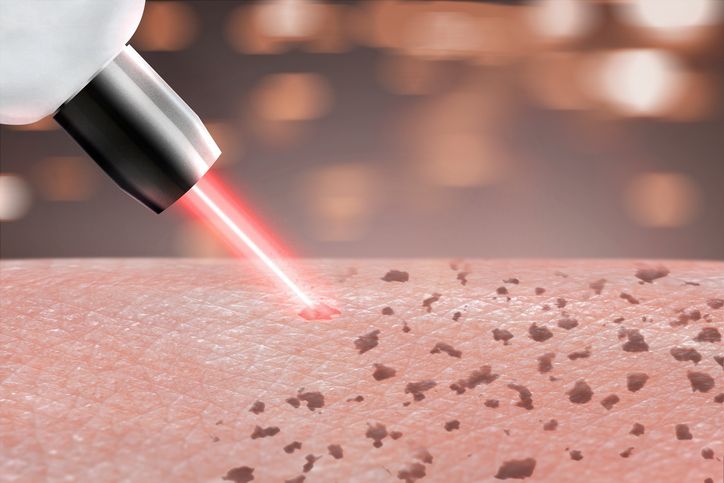
In various laser treatments, you'll often see laser wavelengths mentioned. Many people assume that the longer the wavelength, the better the whitening and spot removal effects. However, each wavelength has a specific purpose. Here’s a breakdown of different laser wavelengths and their functions:
• 532nm wavelength: Primarily used for shallow spots like sunspots, freckles, and light pigmentation.
• 595nm wavelength: Targets red-colored pigments such as acne scars and tiny blood vessels.
• 755nm wavelength: Used for deep dermal pigmentation like melasma, deep sunspots, and even hair removal.
• 810nm wavelength: Primarily for hair removal, destroying hair follicles to stop hair growth.
• 1064nm wavelength: Penetrates deep to target dark pigmentation (black, brown spots) and is also used for tattoo removal.
• 2940nm wavelength: Can be used to remove moles, freckles, exfoliate skin, and treat acne scars or even skin tumors.
These six wavelengths are commonly used in aesthetic treatments. Some laser clinics offer treatments with a single wavelength, while others use combined wavelength devices for more comprehensive results. The effectiveness depends on the energy, device performance, and individual factors. When choosing a treatment, make sure to understand which one best fits your needs.
免費體驗
PicoCure Pigmentation Removal Treatment
1 Minute Self-Registration
Date should not be before minimal date
How Fast is Pico Laser? Understanding Shockwave vs. Thermal Effect
One key feature of pico lasers is their speed. A picosecond equals one trillionth of a second, which is 1,000 times faster than the nanosecond units used by traditional lasers.
But how does speed help in spot removal, whitening, and skin rejuvenation? That’s where the shockwave effect comes in. Traditional nanosecond lasers work by using thermal energy to break up pigment particles, a process called the photo-thermal effect. This creates heat, which can cause discomfort, pain, and even hyperpigmentation or hypopigmentation.
On the other hand, pico lasers utilize the photoacoustic effect, where the extremely fast pulses of light directly break up pigment cells into dust-like particles. This method doesn’t rely on heat, making the treatment more comfortable and significantly reducing the risk of side effects such as scarring, dark spots, or white patches.
How Do Pico and Traditional Lasers Differ?
| Pico Laser | Traditional Laser |
|---|---|
| Pulse Duration | Picosecond |
| Principle | Uses the ultra-fast speed of pico lasers to break up pigment cells with shockwaves, which are then flushed out through lymphatic drainage. |
| Energy Intensity | High |
| Treatment Depth | Targets both the epidermis and dermis |
| Effectiveness | Removes spots, acne scars, large pores, wrinkles, and tattoos |
| Side Effects | Mild redness, dryness, usually subsides quickly |
| Comfort | Can be virtually painless, with minimal discomfort |
| Recovery Time | Short, or no recovery time required |
Common Pigmentation Issues in Women
For many women struggling with pigmentation, pico laser has become one of the most popular solutions. Its ability to effectively treat both superficial and deep pigmentation has led to its increasing use for common skin concerns such as:
• Freckles: Superficial, symmetrical light brown spots usually caused by sun exposure or genetic factors.
• Sunspots: Also known as solar lentigines, these larger, darker spots appear on areas like the cheekbones, nose, and hands that are frequently exposed to the sun.
• Hormonal Pigmentation: Also called melasma or butterfly spots, they appear as gray-brown patches on the face, often due to hormonal changes during pregnancy or from birth control.
• Age Spots: Technically called seborrheic keratosis, these spots can appear as rough, dark patches that become more pronounced with age, especially with prolonged sun exposure.
免費體驗
PicoCure Pigmentation Removal Treatment
1 Minute Self-Registration
Date should not be before minimal date
What Can Pico Laser Treat Beyond Spots?
In addition to tackling common pigmentation issues, pico lasers offer several other skin benefits:
1. Spot Removal: Pico lasers efficiently target both superficial and deep pigmentation, shattering melanin into particles that are easily eliminated by the body.
2. Acne Scars & Pitting: Pico lasers stimulate collagen production, helping to improve the appearance of acne scars and pitting by filling in gaps between skin cells.
3. Wrinkle Reduction: By boosting collagen production, pico lasers help smooth out wrinkles and tighten sagging skin.
4. Large Pores: Pico lasers restore skin elasticity by encouraging collagen production, helping minimize enlarged pores and rough skin texture.
5. Tattoo Removal: Pico lasers break down tattoo pigments into fine particles, which are then naturally expelled by the body, all without the heat damage caused by traditional lasers.
5 Common Questions About Pico Laser Spot Removal
With so many clinics offering pico laser treatments, it can be overwhelming to choose the right one. Here are five common questions about pico laser spot removal:
1. What Should I Do Before And After The Treatment?
• Before: Have a professional consultation to assess your skin and pigmentation. Avoid using irritating skincare products like exfoliants or acidic items before treatment.
• After: Avoid using harsh skincare products, ensure proper hydration, and follow strict sun protection. Avoid heat exposure, such as hot tubs or saunas, to prevent further irritation.
2. What’s The Role Of Special Lenses Used In Some Pico Laser Treatments?
Special lenses like honeycomb lenses or holographic focusing lenses can concentrate laser energy, increasing the effectiveness of the treatment without damaging the skin.
3. What Are The Pros And Cons Of Pico Laser?
Pros: Reduces recurrence of pigmentation, fewer side effects, and a comfortable treatment experience with potential zero pain. Cons: Some redness or swelling might occur post-treatment, but these are usually short-term.
4. How Many Treatments Will I Need To See Results?
For optimal results, 6-12 treatments are generally recommended. Shallow pigmentation might take 4-6 sessions, while deeper pigmentation may require 10-12 sessions.
5. What Is The Cost Of Pico Laser Treatments?
A single session typically costs around $1,000 to $2,000. However, many clinics offer promotional trials or discounts for first-time clients.
Want to Try Pico Laser for Spot Removal? First Choice: The 4-Wavelength "Ultimate" Pico Laser Treatment!
After reading about pico laser’s benefits, are you ready to try it out for yourself? PicoCure Pigmentation Removal Treatment combines both pico and nano laser technologies to treat both superficial and deep pigmentation in a single session. The treatment starts by using nanosecond lasers to break down stubborn pigmentation, followed by pico lasers that shatter pigment into dust-like particles for easier natural removal.
Beyond spot removal, this treatment also boosts collagen production, improving skin elasticity and reducing wrinkles. Plus, there are no side effects like hyperpigmentation or burning.
免費體驗
PicoCure Pigmentation Removal Treatment
1 Minute Self-Registration
Date should not be before minimal date
FAQ

What are the advantages of Pico laser?
Pico laser technology targets both superficial and dermal layers of the skin using the principle of photomechanical waves. This means it can eliminate pigments that have not yet surfaced, as well as visible dark spots. It not only addresses visible pigmentation but also delays skin cell aging, reducing the chance of future pigmentation recurrence. Traditional nanosecond lasers can cause various side effects, including burns, redness, scabbing, peeling, and even post-inflammatory hyperpigmentation or hypopigmentation. However, Pico laser uses photomechanical waves to break pigmentation into dust-like particles, thus avoiding heat-related damage. Additionally, Pico laser treatments come with specially designed lenses, such as honeycomb lenses or holographic focusing lenses, which help to concentrate the laser energy for improved treatment outcomes.
What is the difference between Pico laser and traditional lasers?
A picosecond is one trillionth of a second, which makes it 1,000 times faster than the nanosecond units used by traditional lasers. The traditional nanosecond laser operates on the principle of photothermal effect, using the heat from the laser to break down pigmentation. However, this can cause discomfort, pain, and potentially lead to post-inflammatory pigmentation (both darker and lighter skin spots). In contrast, Pico laser uses photomechanical effect, where the laser energy directly shatters pigment cells with photomechanical waves, instead of relying on heat absorption. This results in a more comfortable treatment process with reduced chances of scarring, hyperpigmentation, or hypopigmentation.
Apart from removing pigmentation, does Pico laser have other benefits?
Pico laser technology can also improve the appearance of microvascular proliferation and eliminate pigmentation caused by skin cell stimulation. It stimulates collagen production in the dermis, filling the gaps between skin cells and repairing damaged tissue. This improves acne scars, pockmarks, and pigmentation spots. Additionally, Pico laser can smooth wrinkles, refine large pores, and restore skin elasticity by reactivating the collagen matrix in the skin. Furthermore, it can be used to remove tattoo pigments, breaking them down into dust-like particles.
What are the functions of the different wavelengths used in Pico lasers?
Each wavelength of Pico laser energy has a specific function. Some beauty salons use only one wavelength of laser for pigmentation removal, while others combine multiple wavelengths for more comprehensive treatment. The effectiveness will vary depending on the energy, efficiency, and individual factors involved. Here’s a breakdown of common Pico laser wavelengths and their uses: 532nm: Primarily used for treating shallow pigmentation, including sun spots, freckles, and light pigmentation. 595nm: Targets red-colored pigmentation like acne scars and fine capillaries. 755nm: Effective for treating dermal layer pigmentation, including hormonal spots, age spots, and deep pigmentation, as well as for hair removal. 810nm: Mainly used for hair removal, as it disrupts the growth ability of hair follicles, preventing regrowth. 1064nm: Used to eliminate deeper pigmentation, targeting black and brown pigments. It can also be used for hair removal and tattoo removal, resulting in a fairer complexion. 2940nm: Used for mole removal, skin resurfacing, acne scar treatment, and even skin tumor treatment.
How many sessions are needed to see results in reducing pigmentation?
It is generally recommended to undergo 6 to 12 sessions as a complete treatment plan. For superficial pigmentation, 4 to 6 sessions are typically required to clear it, while deeper pigmentation may require 10 to 12 sessions. To improve issues like pockmarks, at least 10 sessions of Pico laser treatment may be needed. After the first session, you will notice an improvement in skin tone, with pigmentation, enlarged pores, pockmarks, and acne scars gradually fading as the number of treatments increases.