- Home
- Trend
- Weight Loss Strategies
- Acne Tips
- Hair Health Information
- Blemish Removal Tips
- Acne Scar Removal Tips
- Muscle Building Techniques
- Intimate Care Tips
- Postpartum Intimate Care
- Eye Bags Wiki
- Tips for Face Slimming
- Secret of Permanent Hair Removal
- Breast Enlargement Tips
- Cure to Snoring
- Marionette Lines
- Skin-Tightening Secrets

When it comes to pigmentation removal treatments, many people immediately think of pico lasers. In recent years, pico laser treatments have become extremely popular. Not only can they remove pigmentation, but they can also brighten skin, improve acne scars and pitted scars, reduce wrinkles, and refine large pores. This multi-functional treatment has attracted many women struggling with pigmentation to give it a try.

What is Pico Laser?
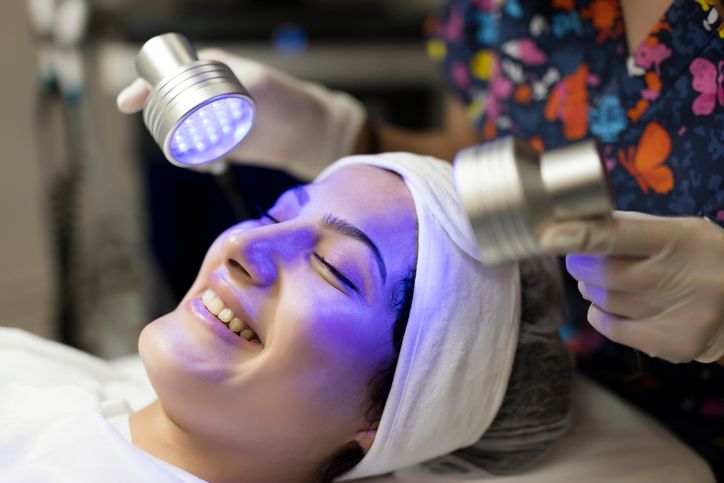
Pico laser (pico laser) refers to the duration of the laser energy pulse. Traditional lasers operate in nanoseconds, while pico lasers operate in picoseconds, which is 1,000 times faster. This means that a pigmentation spot that would take 1,000 seconds to remove with a traditional laser can be cleared in just 1 second using a pico laser. The result is faster treatment and significantly reduced damage to the skin.
In recent years, pico lasers have gradually replaced traditional nanosecond lasers. They are widely used for pigmentation removal, collagen stimulation, pore refinement, melanin reduction, and smoothing acne scars. Because the laser interacts with the skin for such a brief time, side effects and risks of hyperpigmentation are very low, making it safer than traditional lasers.
Understanding Pico Laser Wavelengths
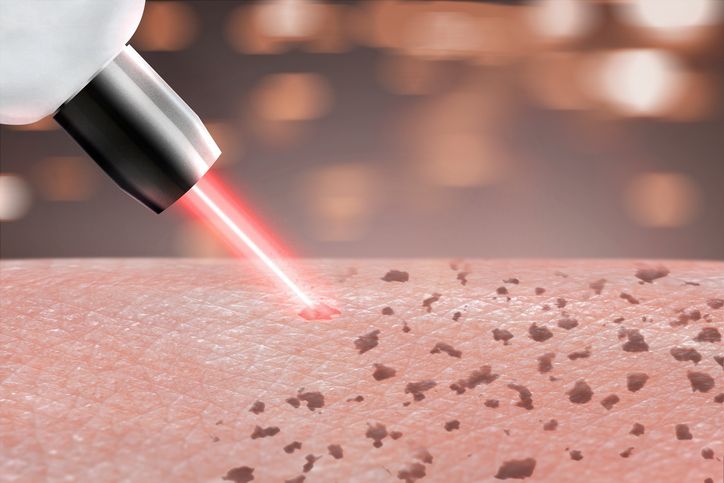
Laser treatments often indicate the wavelength used. Many believe that a longer wavelength automatically means better results for pigmentation removal and brightening. However, different wavelengths target different concerns. Here’s a breakdown:
• 532nm wavelength: Mainly targets superficial pigmentation such as sun spots, freckles, and mild pigmentation.
• 595nm wavelength: Treats red pigment in acne marks and tiny blood vessels.
• 755nm wavelength: Treats deep dermal pigmentation, including hormonal melasma, Ota nevus, and other deep pigmentations; can also be used for hair removal.
• 810nm wavelength: Primarily for hair removal; destroys hair follicles to prevent regrowth.
• 1064nm wavelength: Removes deep pigmentation, targets black and brown pigments, and can also be used for hair removal and tattoo removal, restoring a brighter complexion.
• 2940nm wavelength: Can remove moles, pigmentation, perform resurfacing, treat acne scars, and even address skin tumors.
These six wavelengths are commonly used in aesthetic clinics. Some clinics use a single wavelength for treatments, while others combine multiple wavelengths. The effectiveness depends on energy levels, device performance, and individual skin factors. Women should understand which treatment suits their needs best.
免費體驗
PicoCure Pigmentation Removal Treatment
1 Minute Self-Registration
Date should not be before minimal date
How Fast is Pico Laser? Understanding Photomechanical vs Photothermal Effects
Pico laser is renowned for its speed. A picosecond equals one trillionth of a second, 1,000 times faster than a nanosecond.
But why does speed matter for pigmentation removal, brightening, and skin rejuvenation?
• Traditional nanosecond lasers use photothermal effects, delivering heat to break down pigment. This can cause discomfort, pain, and, in some cases, hyperpigmentation or hypopigmentation.
• Pico lasers use photomechanical effects (also called photoacoustic effects). The ultra-fast pulses shatter pigment into tiny particles using energy waves rather than heat. This avoids thermal damage, makes the procedure more comfortable, and reduces the risk of scarring or discoloration.
Differences Between Pico and Traditional Lasers
| Feature | Pico Laser | Traditional Laser |
|---|---|---|
| Pulse Duration | Picoseconds | Nanoseconds |
| Principle | Uses photomechanical effect to break pigment into fine particles, which are then removed via lymphatic drainage | Uses photothermal effect to break down pigment by heat absorption |
| Energy Level | High | Low to Medium |
| Treatment Depth | Epidermis + Dermis | Mostly Epidermis |
| Treatment Effects | Removes pigmentation, acne marks, scars, pitted scars, large pores, wrinkles, tattoos | Mainly pigmentation removal, acne marks, skin tone evenness |
| Side Effects | Mild redness, dryness; usually subsides quickly | Can cause burns, redness, scabs, peeling; may lead to hyper/hypopigmentation |
| Comfort | Some treatments are nearly painless | May cause heat and pain |
| Recovery Time | Short; sometimes no downtime | Often at least a week for scabs to heal |
Common Pigmentation Issues in Women
Many women opt for laser pigmentation treatments, with pico lasers being the most popular due to their effectiveness and low risk of hyperpigmentation. Pico lasers can address both superficial and deep pigmentation, including:
1. Freckles: Shallow pigmentation, typically symmetrical and light brown, influenced by sun exposure and genetics. Often appear in childhood and increase with age.
2. Sun Spots: Also superficial, often larger than freckles and appearing on sun-exposed areas like cheekbones, nose, and hands.
3. Hormonal Melasma: Gray-brown pigmentation that can exist in both epidermis and dermis, usually on cheeks, forehead, and nose. Caused by hormonal changes that activate melanocytes.
4. Age Spots: Technically called seborrheic keratosis. Initially appear as brown spots and can develop into rough, textured patches. UV exposure accelerates their formation.
免費體驗
PicoCure Pigmentation Removal Treatment
1 Minute Self-Registration
Date should not be before minimal date
Pico Laser Treatment: More Than Just Pigmentation Removal
Pico lasers can address multiple skin concerns:
1. Pigmentation Removal: Breaks down superficial and deep melanin using photomechanical energy, with particles naturally cleared via the lymphatic system.
2. Acne Marks & Scars: Improves red/brown acne marks and stimulates collagen to fill in pitted scars and repair skin texture.
3. Wrinkle Reduction: Collagen stimulation smooths fine lines caused by aging or dehydration. Some treatments use specialized lenses like honeycomb or holographic focusing lenses to enhance results.
4. Pore Refinement: Activates collagen production to improve skin elasticity and reduce large pores.
5. Tattoo Removal: Efficiently shatters tattoo pigments into fine particles with minimal heat, reducing pain, downtime, and risk of scarring.
5 Common Questions About Pico Laser Treatments
1. Precautions Before & After Treatment
Before: Professional consultation to evaluate skin type and pigment type; avoid exfoliating, acidic, or harsh products.
After:
- Avoid harsh skincare or makeup containing alcohol, acids, or abrasive ingredients.
- Keep skin well hydrated with masks and serums.
- Use proper sun protection daily and reapply as needed; hats and umbrellas can help.
- Avoid high-heat activities (hot springs, saunas, steaming) to prevent redness and dryness.
2. Purpose of Special Lenses: Lenses like honeycomb or holographic focus lenses concentrate laser energy, targeting dermal cells more precisely for better results without damaging skin.
3. Advantages & Disadvantages
- Reduces recurrence of pigmentation by targeting both epidermis and dermis.
- Minimal side effects compared to traditional lasers.
- Comfortable treatment, sometimes nearly painless.
- Minor redness or swelling may occur but resolves quickly with hydration and sun protection.
4. Number of Sessions Needed
- Complete treatment: 6–12 sessions.
- Shallow pigmentation: 4–6 sessions.
- Deep pigmentation: 10–12 sessions.
- Pitted scars: at least 10 sessions.
Even after the first session, skin tone may appear more even, and issues improve gradually with continued treatment.
5. Cost: Pico laser treatments are more advanced than nanosecond lasers, typically costing HKD 1,000–2,000 per session. Many clinics offer trial or experience sessions, sometimes free. Choosing a reputable clinic is important for safety and results.
Interested in Pico Laser? Try the 4-Wavelength “Ultimate” Treatment
The PicoCure Ultra Picosecond Treatment combines pico and nanosecond lasers. The treatment targets the epidermis, superficial dermis, and deep dermis. Nanosecond lasers break stubborn pigment into particles, and pico lasers further shatter these into fine dust for easy natural removal.
This treatment also stimulates collagen, improves elasticity, smooths fine lines and wrinkles, and avoids hyperpigmentation, hypopigmentation, or burns.
Perfect Medical offers trial sessions with professional skin analysis and a complimentary post-treatment mask. Limited availability, so register now to address pigmentation and other skin concerns in one go.
免費體驗
PicoCure Pigmentation Removal Treatment
1 Minute Self-Registration
Date should not be before minimal date
FAQ

What are the advantages of Pico Laser?
The treatment targets both superficial and deep layers using photomechanical effects. It also reduces recurrence of pigmentation and slows skin aging. Minimal side effects compared to traditional lasers. Multiple specially designed lenses improve treatment precision.
Pico vs Traditional Laser?
Picosecond pulses are 1,000 times faster than nanosecond pulses. Traditional lasers rely on heat, causing potential pain and hyper/hypopigmentation. Pico lasers use photomechanical effects, avoiding thermal damage and improving comfort.
Is there any other benefits besides pigmentation removal?
You can improve acne marks, scars, pitted scars, fine lines, and large pores. Also, it stimulates collagen, restoring elasticity, as well as removing tattoo pigments effectively.
What are the functions of different wavelengths?
532nm: superficial pigmentation, 595nm: red acne marks, tiny vessels, 755nm: deep pigmentation, hair removal, 810nm: hair removal, 1064nm: deep pigmentation, hair removal, tattoo removal, 2940nm: moles, pigmentation, resurfacing, tumors.
What is the best place for treatment?
Equipment quality, energy stability, and therapist expertise matter most. Perfect Medical PicoCure combines pico and nanosecond lasers with four wavelengths for comprehensive results in pigmentation removal, brightening, and pore reduction.