- Home
- Trend
- Weight Loss Strategies
- Acne Tips
- Hair Health Information
- Blemish Removal Tips
- Acne Scar Removal Tips
- Muscle Building Techniques
- Intimate Care Tips
- Postpartum Intimate Care
- Eye Bags Wiki
- Tips for Face Slimming
- Secret of Permanent Hair Removal
- Breast Enlargement Tips
- Cure to Snoring
- Marionette Lines
- Skin-Tightening Secrets

In pursuit of radiant, porcelain-like skin like the celebrities on TV, many women in Hong Kong have gone through countless whitening serums, sheet masks, and even considered whitening injections. But recently, a futuristic beauty technology has caught public attention—the whitening pod. This capsule-like device promises to whiten skin just by lying inside it. But does it really deliver miraculous results, or is it just another overhyped money-making gimmick?
In this article, we’ll break down the science behind whitening pods, their effects, treatment procedures, precautions, and more—so you can make an informed decision and avoid getting scammed.

What Determines Our Skin Tone? Why Are Some People Fairer Than Others?

Skin colour is primarily determined by melanin, a pigment produced by melanocytes located between the epidermis and dermis. People with darker skin generally have more active melanocytes that produce more melanin. Skin tone is influenced by genetics, melanin distribution, sun exposure, geography, and even skin texture and blood vessels.
1. Genetics
Your natural skin tone is largely inherited. Your parents’ genes determine your skin, hair, and eye colour.
2. Melanin Levels and Distribution
This is also tied to genetics. People born with more melanin naturally have darker skin. But melanin isn’t necessarily bad—it protects against UV-induced free radicals, which can damage collagen and DNA, potentially leading to premature aging or even skin cancer.
3. Sun Exposure
Frequent sun exposure without sunscreen prompts melanocytes to produce more melanin as a defense mechanism. While excess melanin can be metabolized out, prolonged exposure leads to buildup, darkening the skin. So if you want to stay fair, sunscreen is a must.
4. Geographical Environment
People living near the equator or in tropical regions generally have darker skin due to higher UV exposure. In contrast, people in northern latitudes (e.g., Scandinavia) often have fairer skin. Too much melanin in low-UV areas can hinder vitamin D synthesis, leading to health issues.
5. Skin Texture and Blood Vessels
Uneven skin texture, thick or patchy dead skin, or rosacea-related redness can make your complexion look dull and uneven. Regular exfoliation and smooth skin help reflect light evenly, making skin appear brighter. In cases like rosacea, reducing dilated capillaries can restore your natural tone.
What Is a Whitening Pod and What Does It Claim to Do?

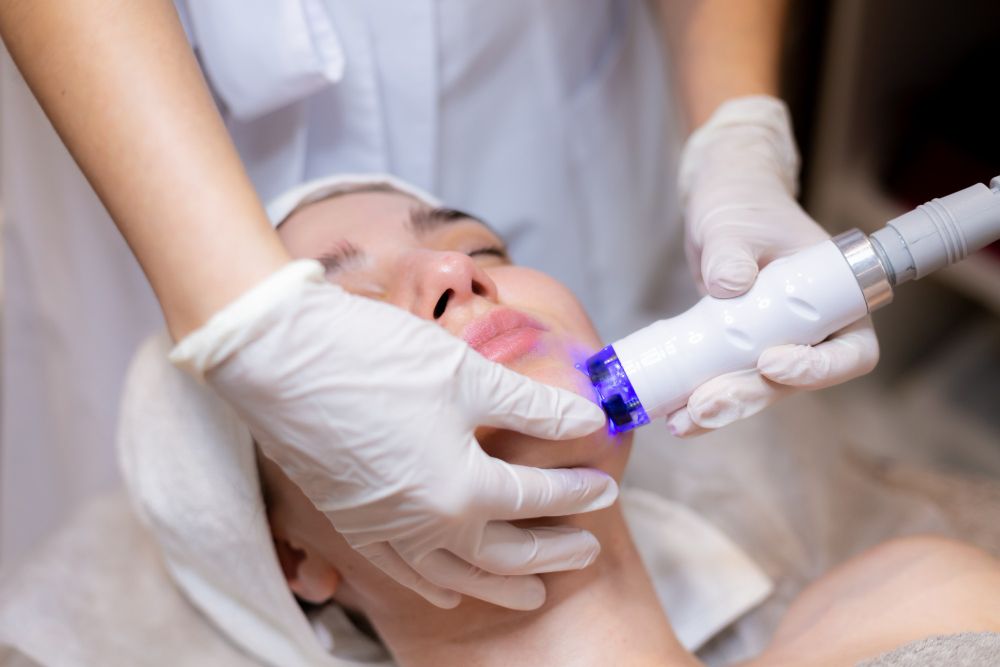
Whitening pods are often referred to as part of "cutting-edge medical beauty technology." With a futuristic, capsule-like design, they use LED red light (around 600–700nm wavelengths)—like the 655nm cold light used in some salons—to deeply penetrate the skin from all angles, triggering biochemical reactions that improve blood circulation and help metabolize melanin.
Some versions also use far-infrared lasers to stimulate collagen production, making skin firmer and more elastic while reducing fine lines. Whitening and hydrating creams applied before the treatment enhance moisture retention, since infrared light can also cause dehydration. That's why pods are marketed to offer benefits like whitening, skin brightening, spot fading, and skin revitalization.
Typically, it takes 6–10 sessions to see visible results—darker skin tones or more pigmented areas may need more treatments. Costs vary by salon and machine brand, usually ranging from HK$600–$800 per session, with some premium services exceeding HK$1,000.
免費體驗
PicoCure Pigmentation Removal Treatment
1 Minute Self-Registration
Date should not be before minimal date
How Do Whitening Pods Work and Why Use LED Red Light?
The core principle is photochemical stimulation, not heat. When skin is exposed to LED red light, the mitochondria in cells absorb the light, increasing catalase activity, which boosts metabolism and collagen synthesis by fibroblasts, improving overall skin texture.
LED red light has medical applications too—it helps treat acne scars, inflammation, pain, and promotes wound healing. It improves microcirculation, speeding up the removal of dead skin and excess melanin, making skin appear smoother and more even-toned. Red light can also stimulate melatonin regulation, reducing melanin buildup and lightening spots and acne marks.
Additionally, LED light encourages collagen regeneration, improving hydration and elasticity. Unlike facial-specific treatments, whitening pods work on the entire body, evening out skin tone on the neck, chest, underarms, inner thighs, and even intimate areas, which tend to lose collagen with age.
What’s the Whitening Pod Treatment Process?
1. Skin Consultation: A specialist assesses your skin condition and checks for contraindications—like cancer, pregnancy, chronic illnesses, anticoagulant use, or respiratory issues—before scheduling treatment.
2. Preparation: The therapist cleans your skin and removes makeup, then applies whitening and collagen-boosting products to enhance effectiveness.
3. Red Light Exposure: You lie in the pod for 20–30 minutes, making it ideal for busy lifestyles. You may feel slight warmth or tingling, but the pod is climate-controlled for comfort. If you experience intense burning or pain, speak up immediately—don’t just endure it.
4. Post-Treatment Care: After the session, you're advised to moisturize diligently and avoid sun exposure, high temperatures, acids, and other cosmetic procedures for optimal recovery.
Important Precautions for Whitening Pods
• Session Frequency: Don’t do it daily. Some salons recommend spacing treatments 48 hours apart, or even once every two weeks to avoid overburdening your skin.
• Who Should Avoid It: Pregnant women, those with skin conditions, open wounds, heart or lung diseases should opt for gentler whitening options, such as creams and sheet masks.
• Potential Side Effects: Some users may experience redness, heat, dryness, or sensitivity. It’s essential to hydrate the skin for at least 48 hours afterward. If severe irritation occurs, seek medical attention.
免費體驗
PicoCure Pigmentation Removal Treatment
1 Minute Self-Registration
Date should not be before minimal date
The “Fake Whitening” Claim: Does It Actually Work?
Dr. Li Jing, Chief of Medical Aesthetics at the Tianjin TCM Research Hospital, says LED red light is clinically effective for treating melasma and post-laser inflammation or pigmentation due to its ability to accelerate melanin metabolism.
However, Li points out that LED red light alone has limited whitening power. The reason many people appear “whiter” after using the pod is because the therapist applies titanium dioxide-based creams beforehand. Titanium dioxide is one of the whitest substances on earth and is commonly used in sunscreens for its UV-blocking properties.
These products can cling to the skin even after washing, creating a temporary whitening effect—what some call “fake white.” It has nothing to do with the LED light itself. So if you’re concerned about being misled or just want genuine results, try these everyday whitening tips—or consider a clinical treatment like Perfect Medical’s PicoCure Pigmentation Removal Treatment.
Free and Effective Everyday Whitening Tips
1. Wear sunscreen daily to prevent melanin overproduction.
2. Hydrate well—dry skin tends to look dull and yellowish. Drink plenty of water!
3. Cut back on sugar. High-sugar diets accelerate aging and dullness.
4. Sleep well. Your skin regenerates overnight.
5. Exercise regularly to boost circulation and detox the skin.
6. Quit smoking—nicotine yellows and ages the skin.
7. Eat antioxidant-rich foods (e.g., berries, citrus, grapes, tomatoes, spinach, garlic, whole grains, green tea) to fight free radicals.
Whitening Pods Aren’t for Everyone—Try the PicoCure Pigmentation Removal Treatment Instead
Many women seek whitening treatments because they feel dissatisfied with their skin tone, especially those with dull or yellowish complexions. While lifestyle habits can help, meaningful changes take time. If pigmentation and uneven tone persist, consider a professional whitening treatment like Perfect Medical’s PicoCure Pigmentation Removal Treatment.
The PicoCure combines picosecond and nanosecond laser technologies to shatter melanin into ultra-fine particles that your lymphatic system flushes out, effectively reducing spots and brightening your complexion. It also helps regenerate collagen for plumper, smoother, more luminous skin.
With just one session, you can tackle spots, fine lines, and dullness, restoring a youthful glow. Click the link below to register for a free trial session!
免費體驗
PicoCure Pigmentation Removal Treatment
1 Minute Self-Registration
Date should not be before minimal date
FAQ

1. If melanin is reduced, will the skin automatically become whiter?
In theory, yes—but many other factors affect skin tone. For example, people with albinism can't produce melanin at all, resulting in very pale skin, hair, and eyes, but also extreme sensitivity to sunlight and a higher risk of skin cancer. So remember—healthy whitening is the goal. Avoid shortcuts.
2. Are whitening pod results permanent?
No—they’re temporary. Collagen stimulation and melanin metabolism take time. Results vary by individual and can take a month or more. Genetics also play a role, so permanent whitening is unrealistic for everyone. Daily sun protection and skincare are still crucial to maintain any improvements.
3. Who is suitable for whitening pod treatments?
Let’s be honest—it’s best for beauty lovers who can afford it. If you have no skin or health issues, no implanted metal or electronic devices, and have tried many methods without success, you may be a good candidate. Just make sure it's done under professional medical supervision.
4. Are whitening pods safe?
Generally yes, when performed at reputable clinics by trained professionals using certified equipment. Always consult a dermatologist first to ensure your skin is suitable.
5. Can at-home LED red light devices deliver the same effect?
Not really. While the principle is the same, home devices are much weaker, and you won’t benefit from professional-grade products like vitamin C, E, glutathione, or arbutin serums applied during clinical treatments. DIY versions can’t match salon-grade results.