- Home
- Trend
- Weight Loss Strategies
- Acne Tips
- Hair Health Information
- Blemish Removal Tips
- Acne Scar Removal Tips
- Muscle Building Techniques
- Intimate Care Tips
- Postpartum Intimate Care
- Eye Bags Wiki
- Tips for Face Slimming
- Secret of Permanent Hair Removal
- Breast Enlargement Tips
- Cure to Snoring
- Marionette Lines
- Skin-Tightening Secrets

Which scar cream is best? Read on to find out what are the recommended scar removal patches and gels, as well as useful dermatologist tips for the right scar care routine.

Before Removing Scars: Why Do Scars Form? Wounds vs. Acne Scars
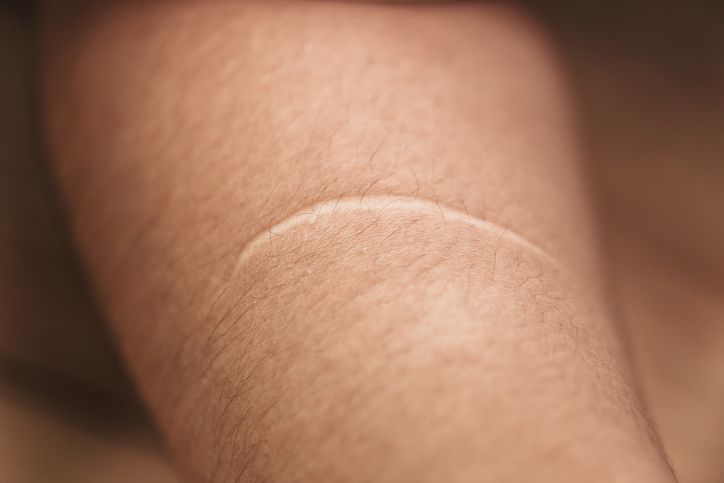
Before treating scars, it’s important to understand why they appear. The most common scars people encounter are acne scars, which tend to cause concern because they often appear on the face. Many wonder whether scar gels and silicone scar sheets can actually treat acne scars—but first, let’s understand how scars are formed.
When the skin is injured—by burns, cuts, abrasions, or even bruising—the body’s immune system is activated. Blood vessels around the wound expand and proliferate to deliver repair factors to the “site of injury” as quickly as possible. Melanin is also produced in large amounts to protect vulnerable skin tissue, resulting in pigmentation. At the same time, collagen rapidly increases to rebuild missing skin, but excessive growth and disorganized collagen fibers can lead to different types of scars.
Before Removing Scars: Will Every Wound Leave a Scar?
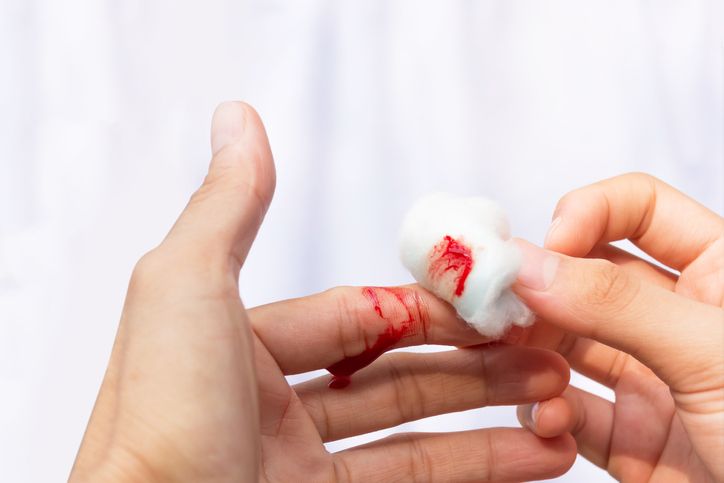
Whether a wound leaves a scar depends on its location. The body’s metabolism is much slower than the face, so even minor marks like insect bites can linger for years. The cause of the wound matters—abrasions are harder to repair. Depth and inflammation level also play a role; even a small cut on a finger can scar if too deep. Scar care is also crucial: dermatologists warn that improper early care of minor cuts can result in repeated inflammation, increasing the chance of scarring.
免費體驗
PicoCure Pigmentation Removal Treatment
1 Minute Self-Registration
Date should not be before minimal date
Before Removing Scars: 3 Types of Scars
Scars can generally be divided into three types, each requiring different treatments: superficial scars, atrophic scars, and hypertrophic/keloid scars.
1. Superficial scars (epidermis & shallow dermis) — pigmentation from acne or minor injuries
These are the most common scars. Typical examples include facial acne marks, scraped knees, arm abrasions, and minor cuts on fingers. Since the injury only affects the epidermis or shallow dermis, permanent scars do not form. They don’t protrude or form pits, but inflammation can cause pigmentation. Red, brown, or dark acne marks on the face will fade over a few months with proper care. On the body, superficial scars may take several months to years to completely fade, depending on individual metabolism.
2. Atrophic scars — depressions
These are the “pitted” scars from acne or chickenpox. If the wound damages the dermis, collagen is destroyed or lost due to inflammation. Damaged collagen and elastic fibers cause irregular regrowth, pulling the skin inward and creating depressions. Early use of scar treatments during healing can prevent scar contraction. Established atrophic scars require aesthetic treatments such as microneedling, fractional laser, or picosecond laser.
3. Hypertrophic & keloid scars — raised scars
Some people are prone to hypertrophic scars. When the skin is injured, excessive collagen growth causes the scar to protrude or expand. Scar care is especially important for these individuals. Treatments include resurfacing lasers and IPL (intense pulsed light) to improve appearance.
Scar Removal Methods: Dermatologist Tips: Preventing & Minimizing Scars
1. Golden period for scar care: start after the wound heals
Dermatologists advise that to prevent or reduce scarring, treatment should start once the wound is fully healed and stitches removed. Starting early helps prevent excessive scar growth. Never apply scar products to open wounds, as this may worsen inflammation.
2. Use scar products for at least 3–6 months
Collagen is still forming during this period, so continuous treatment helps organize collagen growth. Deep wounds may require longer treatment.
3. Diet matters: more vitamin A
Scarring is influenced by body constitution. Some people are prone to hypertrophic scars, and metabolism slows with age, making scars harder to fade. Eating foods rich in vitamins A and C helps skin hydration, anti-aging, brightening, and metabolism. Avoid alcohol and smoking, which accelerate collagen aging.
4. Daily sun protection
Scar removal is a long process. Once the wound is fully healed, use scar products and protect from UV rays to prevent pigmentation.
5. Choose silicone-based scar products
Silicone gels and sheets help hydrate the wound, relieve itching, and apply gentle pressure to align collagen. Transparent gels can be used on the face without being noticeable.
Scar Treatment by Type
1. Superficial scars — picosecond laser to remove pigmentation
Keep skin hydrated and protected from UV. Use products with vitamins C, E, A, or fruit acids to accelerate fading and collagen stimulation. Exfoliation after healing can also help.
2. Atrophic scars — picosecond laser for pitted scars
Once healed and inflammation-free, use scar gels for pitted acne scars. If results are unsatisfactory, consider aesthetic treatments like fractional laser, microneedling, RF microneedling, or picosecond laser.
3. Hypertrophic/keloid scars — resurfacing laser
Combine hydration, silicone sheets, and pressure therapy. Additional options include steroid injections or cryotherapy to soften and flatten scars.
免費體驗
PicoCure Pigmentation Removal Treatment
1 Minute Self-Registration
Date should not be before minimal date
Preventing Scars: Proper Wound Care
Dermatologists emphasize correct wound care as the first step to prevent scars:
5 key tips:
1. Follow medical instructions for dressing changes until stitches are removed or scabs fall off.
2. Keep the wound dry; avoid contact with unclean water.
3. Avoid strenuous activity if the wound is on a joint to prevent stretching or friction.
4. Avoid spicy or heavily seasoned foods.
5. Avoid smoking and alcohol to prevent collagen aging and hardening.
Scar Sheets vs Scar Gels: How to Choose
| Product | Suitable Area | Features | How to Use | Benefits | Risks |
|---|---|---|---|---|---|
| Silicone scar sheets | Body, small hypertrophic scars; cut to size | Can be washed daily; thinner patches absorb exudate | On healed, non-inflamed wounds; 10+ hrs/day for 3–6 months | High pressure softens prominent scars | Long use may clog pores or cause sensitivity |
| Scar gels | Face, large wounds, joints | Contains onion extract and allantoin to soften scars and promote healing | Apply 1–3 times daily per instructions | Convenient, comfortable, can be used on face | May contain parabens, fragrance, or colorants causing sensitivity |
Summary: For deep, large, or hypertrophic scars, silicone sheets are more effective for collagen alignment. For joints, face, or mobile areas, gels are better. Patience is required: 3–6 months of consistent use is needed.
4 Popular Scar Products
1. Kobayashi Scar Gel (Japan) — contains allantoin and dipotassium glycyrrhizate to soften scar tissue, improve metabolism, and reduce pigmentation. Not for facial acne scars.
2. Cicabio Scar Gel — penetrates dermis; aloe vera, vitamins E & B3 to soften and fade scars. Suitable for surgical scars, burns, or stretch marks.
3. ScarAway Silicone Sheets — medical-grade silicone; reduces old and new scars; reusable after washing.
4. Beifu Hen Scar Gel — CPX technology for smooth application; contains vitamin C ester for UV protection, effective for burns and surgical scars.
免費體驗
PicoCure Pigmentation Removal Treatment
1 Minute Self-Registration
Date should not be before minimal date
When Gels & Sheets Don’t Work: Picosecond Laser for Scar & Pigmentation Removal
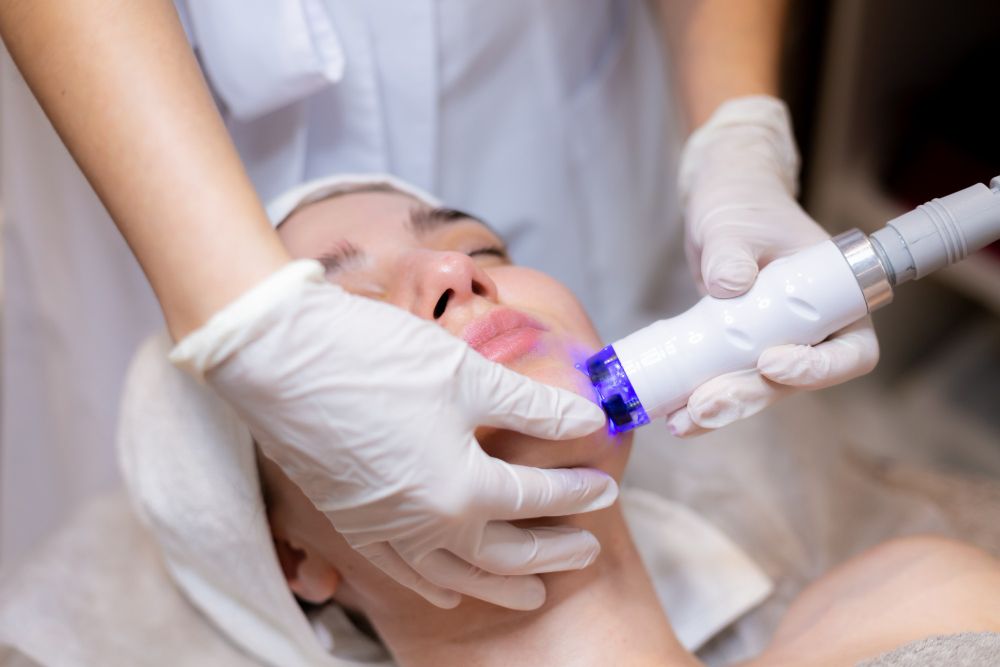
If scars persist despite gels and sheets, advanced aesthetic treatment like PicoCure Pigmentation Removal Treatment can target old and new scars and pigmentation. With four wavelengths (1064nm, 650nm, 585nm, 532nm), the laser penetrates both shallow and deep skin layers to break down pigment and remodel collagen, filling in pitted scars and restoring skin structure.
免費體驗
PicoCure Pigmentation Removal Treatment
1 Minute Self-Registration
Date should not be before minimal date
FAQ

Why do scars form, and what are the types?
Scars form due to immune activation, blood vessel proliferation, collagen overgrowth, and pigmentation after skin injury. Types: superficial (red/brown marks), atrophic (depressed), and hypertrophic/keloid (raised).
Will every wound scar?
Scarring depends on wound location, depth, cause, inflammation, and care. Improper wound care increases pigmentation and scarring risk.
How to prevent and treat scars effectively?
Start scar treatment after full healing (stitches removed). Use gels/sheets for 3–6 months. Aesthetic treatments may be considered for deeper scars. Maintain a diet rich in vitamins A & C, avoid alcohol and smoking, and use sun protection.
What are the scar treatment by type?
Superficial: daily hydration, sun protection, vitamins C/A, fruit acids, or picosecond laser. Atrophic: gels for 3+ months; fractional laser, microneedling, RF microneedling, picosecond laser for pitted scars. Hypertrophic/keloid: silicone/pressure therapy; resurfacing laser, steroid injections, cryotherapy.
How does picosecond laser remove scars and pigmentation?
It breaks down pigment and remodels collagen via destroy then reorganize principle, filling pitted scars and improving skin texture.