- Home
- Trend
- Weight Loss Strategies
- Acne Tips
- Hair Health Information
- Blemish Removal Tips
- Acne Scar Removal Tips
- Muscle Building Techniques
- Intimate Care Tips
- Postpartum Intimate Care
- Eye Bags Wiki
- Tips for Face Slimming
- Secret of Permanent Hair Removal
- Breast Enlargement Tips
- Cure to Snoring
- Marionette Lines
- Skin-Tightening Secrets

Dark spots are a common skin concern for people of all ages. They don’t just affect appearance — they often force you to spend extra time covering them up with makeup every day. If you dream of clear, bright, luminous skin, fading pigmentation is a crucial step. But the internet is full of conflicting information, making it hard to know what’s true.
This guide breaks down nine of the most common myths about fading dark spots, while giving you comprehensive, science-backed strategies to achieve a spotless, radiant complexion.

Myth 1: Dark Spots Are Only Caused by Sun Exposure? Is Sun Protection Enough to Fade Them?
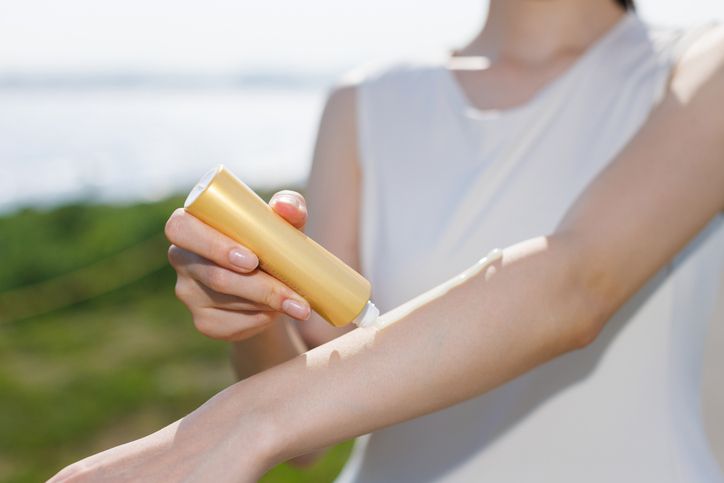
Sunscreen is absolutely essential for fading dark spots, but pigmentation has many more causes than UV exposure alone. Aside from sunlight triggering melanin production, the following factors can also lead to dark spots:
• Genetics: Freckles, for example, are often hereditary and darken with sun exposure.
• Hormonal changes: Melasma is linked to hormonal fluctuations such as pregnancy or menopause.
• Skin aging: As we age, the skin’s repair ability weakens, making melanin more likely to accumulate into age spots.
• Skin inflammation: Acne and wounds may leave behind pigment — commonly known as post-inflammatory hyperpigmentation (PIH).
Therefore, sunscreen alone is not enough. A multi-angled approach is needed for effective spot fading.
Myth 2: The More Whitening Serum You Apply, the Better and Faster the Brightening?
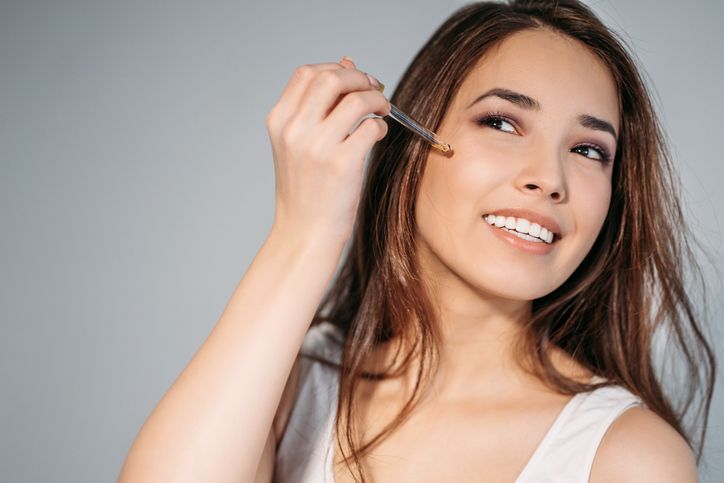
Spot-correcting products do not work better when you use more. What matters is the active ingredients and whether they suit your skin. Higher concentration does not always mean stronger results — overly high levels can irritate the skin and even cause rebound pigmentation, redness, or peeling.
The correct approach:
1. Choose the right actives: Different types of dark spots respond to different ingredients.
○ Vitamin C: Strong antioxidant; inhibits melanin and brightens skin.
○ Arbutin: Reduces tyrosinase activity to limit melanin formation.
○ Tranexamic Acid: Suppresses melanin activity and prevents new spots.
○ AHAs: Accelerate exfoliation and fade surface pigmentation while improving texture.
○ Niacinamide (B3): Brightening + hydrating; improves dullness.
2. Check the packaging: Opt for airtight, light-protective packaging to maintain ingredient stability.
3. Choose by skin type:
○ Dry skin: Look for formulas with hydrating ingredients.
○ Oily skin: Choose lightweight, non-comedogenic textures.
○ Sensitive skin: Choose simple, low-irritation formulas and always patch-test first.
免費體驗
PicoCure Pigmentation Removal Treatment
1 Minute Self-Registration
Date should not be before minimal date
Myth 3: Whitening and Spot-Fading Are the Same Thing?
Whitening focuses on evening overall skin tone and reducing dullness for a brighter look. Spot-fading is more targeted — its goal is to fade existing pigmentation in specific areas.
Many whitening ingredients (Vitamin C, tranexamic acid) also fade spots, but dedicated spot-correctors often use higher concentrations or more penetrating actives for precise results.
Myth 4: Salicylic Acid and AHA Peels Thin the Skin and Make It More Fragile?
This is a common misconception. AHAs and salicylic acid exfoliate by gently removing dead skin cells and speeding up cell turnover — allowing healthier skin to surface. Proper exfoliation helps fade surface pigmentation and enhances product absorption.
However, over-exfoliating can damage the barrier, making the skin sensitive.
Recommended:
• At-home exfoliation: Watch frequency and strength; 1–2 times per week is enough.
• Professional AHA peels: Performed by qualified doctors; results are stronger and safer.
Myth 5: One Aesthetic Spot-Removal Treatment Can Permanently Eliminate Dark Spots? And Is Moisturizer Enough for Maintenance?
Treatments like picosecond laser can precisely break down existing melanin, delivering fast results. However, they are not permanent solutions.
After treatment, the skin becomes more delicate, and without proper moisturizing, sun protection, and lifestyle habits, spots can return — especially melasma, which has the highest recurrence rate.
Medical treatments are powerful, but daily skincare and protection are what maintain long-term results.
免費體驗
PicoCure Pigmentation Removal Treatment
1 Minute Self-Registration
Date should not be before minimal date
Myth 6: Eating More Vitamin C Will Fade Dark Spots?
Vitamin C–rich fruits do support antioxidant protection and brighten the skin — but dietary intake alone has limited effects on existing pigmentation. That’s because most ingested Vitamin C is used by the rest of the body, leaving very little for the skin.
For visible results, pair oral Vitamin C + topical high-concentration Vitamin C. This two-way approach enhances effectiveness.
Myth 7: How Long Does It Take for Spot-Correcting Serums to Work?
Fading pigmentation takes time — there is no overnight method. A typical skin renewal cycle is around 28 days. Most spot-correcting serums require 4–8 weeks of consistent use to see results. Deeper pigmentation may take longer.
Consistency + sunscreen + healthy habits = best results.
Myth 8: If I Stay Indoors, I Don’t Need Sunscreen?
This is an extremely common misconception. Many people assume sunscreen is only necessary under strong sunlight, but UV rays are everywhere — even indoors.
• UVA penetration: UVA rays pass through windows, thin clouds, and reach you indoors. They cause photoaging and deepen pigmentation.
• Cloudy days are not safe: Up to 80% of UV rays penetrate cloud cover.
• Indoor lighting: Some light sources (halogen, certain LEDs) emit small amounts of UV radiation. Long-term exposure still warrants protection.
Therefore, sunscreen is essential every day, in all environments. Choose broad-spectrum SPF and reapply regularly.
免費體驗
PicoCure Pigmentation Removal Treatment
1 Minute Self-Registration
Date should not be before minimal date
Myth 9: Higher Concentration Whitening Products Work Better?
This is another common misunderstanding. Many consumers chase high concentrations and patented ingredients, thinking “the stronger, the faster.” But concentration is not the only indicator of performance.
Higher concentration = higher irritation
Ingredients like Vitamin C and AHAs can cause redness, peeling, or stinging at high concentrations. Sensitive skin may become inflamed, which increases pigmentation.
Suitability matters more than strength
Start with lower concentrations; increase only if your skin tolerates it.
Stability is key
Vitamin C oxidizes easily. Poor packaging means it becomes ineffective regardless of concentration.
Choosing stable formulas with suitable strengths is far more effective than chasing the highest percentage.
Dermatologists Define the 4 Main Types of Dark Spots
Dark spots form when melanin accumulates after the skin is stimulated. Different causes lead to different types of pigmentation. Common types include:
Freckles
Often genetic; darken with sun exposure.
Sunspots/Solar Lentigines
Caused by prolonged UV exposure.
Age Spots
Linked to skin aging; appear on sun-exposed areas.
Melasma
Related to hormonal changes (pregnancy, menopause).
Post-inflammatory hyperpigmentation (PIH)
From acne or wounds healing.
• Additional causes of pigmentation:
• UV exposure
• Hormonal fluctuations
• Skin aging
• Genetics
• Skin inflammation (acne, injury)
Before Buying Whitening Products, Understand the Science of Fading Spots
To effectively fade dark spots, combine at-home skincare with professional treatments. Daily care maintains protection and supplies active ingredients, while aesthetic treatments work faster and deeper.
1. At-home spot-fading
Focus on choosing the right products and using them consistently:
Vitamin C products
• Strong antioxidant
• Inhibits melanin
• Fades pigmentation
• Boosts collagen
• Brightens skin
Use stable, high-quality formulas. Nighttime application enhances results. Some whitening and antioxidant ingredients can be photosensitive — pair with sunscreen.
AHA/BHA exfoliation
• Gently removes dead skin
• Speeds up cell turnover
• Fades surface spots
• Improves glow and texture
Watch frequency and strength to avoid irritation.
2. Medical aesthetic treatments
Ideal for faster, more significant improvements:
• Picosecond laser: Targets and breaks down deep melanin, refines pores, and smooths the skin. Post-carerequires hydration and sun protection.
• High-concentration AHA peels: Performed by licensed doctors; more potent and effective than at-home treatments.
免費體驗
PicoCure Pigmentation Removal Treatment
1 Minute Self-Registration
Date should not be before minimal date
Maintain Clear Skin With Daily Habits: Your Spot-Fading Product Selection Guide
The market is full of spot-fading products — here’s how to choose the right ones.
1. Key ingredients
Look for formulas with the following actives:
| Ingredient | Benefits |
|---|---|
| Vitamin C | Inhibits melanin, antioxidant, brightens skin |
| Arbutin | Reduces tyrosinase activity |
| AHAs | Speeds up exfoliation, fades surface pigment |
| Tranexamic Acid | Inhibits melanin activity, prevents new spots |
2. Consider your skin type
• Dry skin: Choose hydrating formulas.
• Oily skin: Opt for lightweight, non-comedogenic textures.
• Sensitive skin: Select simple, low-irritation formulas.
Spot-Fading Starts With Daily Habits: Lifestyle Changes That Prevent and Reduce Pigmentation
1. Sun protection to prevent dark spots: Use broad-spectrum SPF30+ daily; reapply every 2 hours. Sunscreen is needed indoors, outdoors, and on cloudy days.
2. Brightening diet: Reduce high-sugar and high-fat foods. Increase antioxidants (Vitamins C & E), or eat more Vitamin C–rich fruits.
3. Avoid over-stimulating the skin: Reduce frequent exfoliation and high-strength acids, as over-exfoliation weakens the skin barrier.
30-Minute Spot Removal! The Most Effective Solution Is PicoCure Pigmentation Removal Treatment
Want to fade dark spots quickly? First, you must know what type of pigmentation you have — and that’s something online photos can’t diagnose accurately. Without identifying the type of pigmentation, and relying only on sunscreen or skincare, the deeper “root” of dark spots cannot be eliminated.
This is why many DIY methods fail — the real solution is picosecond laser, which breaks down pigment in under 30 minutes.
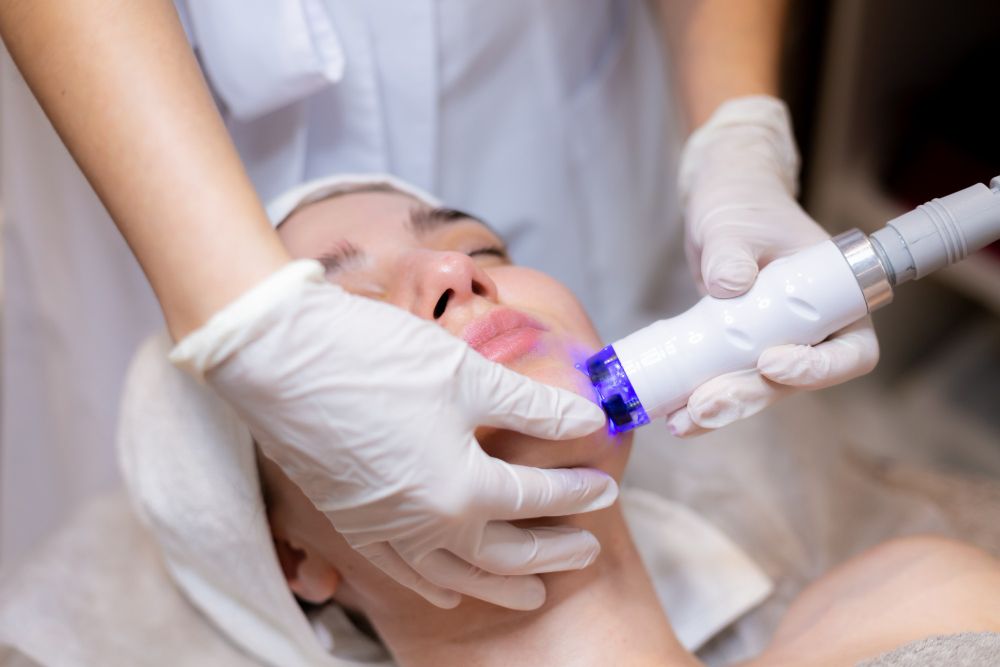
The PicoCure Pigmentation Removal Treatment offered by Perfect Medical improves pigmentation of all depths and types — melasma, sunspots, dark spots, and acne marks. It also corrects uneven tone, dullness, and age-related discoloration.
Different wavelengths of picosecond energy shatter melanin into ultra-fine particles that the body can naturally clear. Results are visible, with no wounds, no pain, no tricks, and no rebound pigmentation. Perfect Medical now offers a free PicoCure treatment trial + professional skin analysis for online bookings.
免費體驗
PicoCure Pigmentation Removal Treatment
1 Minute Self-Registration
Date should not be before minimal date
FAQ

1. How long do spot-correcting serums take to work?
4–8 weeks of consistent use.
2. How should sensitive skin choose spot-fading products?
Look for simple, low-irritation formulas and patch-test first.
3. Does hydration help with fading dark spots?
Yes — a strong barrier reduces irritation and enhances tolerance to brightening actives.
4. Are aesthetic spot-removal treatments safe? Are they expensive?
They are generally safe when performed by reputable dermatologists or clinics. Pricing varies.
5. What can quickly fade dark spots?
Combine melanin-inhibiting and exfoliating ingredients (Vitamin C, tranexamic acid, AHAs) with strict daily sun protection. For deep or stubborn pigmentation, the PicoCure Pigmentation Removal Treatment uses ultra-fast pulses to precisely shatter pigment and accelerate results for a clearer, brighter complexion.