- Home
- Trend
- Weight Loss Strategies
- Acne Tips
- Hair Health Information
- Blemish Removal Tips
- Acne Scar Removal Tips
- Muscle Building Techniques
- Intimate Care Tips
- Postpartum Intimate Care
- Eye Bags Wiki
- Tips for Face Slimming
- Secret of Permanent Hair Removal
- Breast Enlargement Tips
- Cure to Snoring
- Marionette Lines
- Skin-Tightening Secrets

“How can I effectively remove dark spots?” has always been one of the most sought-after questions among women. Dark spots not only significantly affect one’s appearance and confidence but also make a person look much older—sometimes adding ten or more years to their perceived age. Light spots may be easily concealed with makeup, but deeper pigmentation is often impossible to hide with concealer. Instead of covering them up, removing them is the real solution. Today, this article will guide you through the causes of dark spots, removal methods, and prevention strategies, helping you combat pigmentation effectively!

What Are Dark Spots?
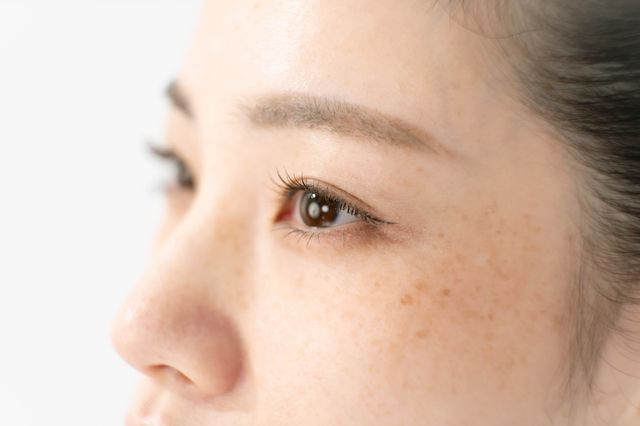
Dark spots are areas on the skin that differ in color from the surrounding skin. Common types include freckles, melasma, butterfly-shaped pigmentation, hormonal spots, and liver spots. There are many factors that contribute to the formation of dark spots, such as genetic inheritance, long-term sun exposure, and hormonal imbalances. These factors can stimulate melanocytes in the body. When melanin metabolism cannot keep up with its production and cannot be expelled through the epidermis, the melanin is absorbed by deeper skin cells. Over time, as these cells accumulate more melanin, pigmentation gradually appears on the skin surface.
Causes of Dark Spots

There are multiple causes behind dark spots. To remove them effectively and prevent new ones from forming, it’s essential to understand these causes thoroughly.
Genetic Factors
The formation of dark spots is closely related to genetics. Differences in genes mean that the number of melanocytes in each person’s body varies. Those with a higher number of melanocytes tend to have darker and duller skin, increasing the likelihood of pigmentation.
Sun Exposure
UV radiation is one of the main causes of dark spots. It damages the skin by interacting with free radicals and harming healthy skin cells. When skin is exposed to UV rays, the body produces more melanin to protect cells. Prolonged or excessive sun exposure leads to over-accumulation of melanin in the deeper layers of the skin, eventually forming dark spots.
Natural Skin Aging
As we age, skin naturally deteriorates. Metabolism slows, collagen and elastic fibers decrease, and the skin barrier weakens. This makes skin more vulnerable to external irritants, especially UV radiation, increasing the likelihood of sun spots.
Hormonal Imbalance
Changes in hormone levels can also trigger dark spots. Estrogen and progesterone, for example, promote melanin production. Hormonal imbalances, such as during pregnancy, can lead to facial pigmentation like melasma. Typically, these spots fade after childbirth as hormone levels normalize. Stress can also disrupt hormones, increasing melanin production and leading to pigmentation.
Using Low-Quality Cosmetics
Many cosmetics contain chemical compounds that can harm skin cells, causing various skin issues. Low-quality products containing mercury or lead can leave toxins in the dermis, contributing to facial pigmentation.
Frequent Skin Friction
Repeated friction can damage skin tissue and stimulate melanocytes to produce more melanin for protection, which may result in dark spots.
免費體驗
PicoCure Pigmentation Removal Treatment
1 Minute Self-Registration
Date should not be before minimal date
Daily Habits to Prevent Dark Spots
Proper Sun Protection
Sun protection is the most important preventive measure. Since UV exposure is the main reason for melanin accumulation, using sunscreen is crucial. Apply SPF 30 or higher with PA+++ protection, and consider using umbrellas, hats, or protective clothing to reduce UV damage.
Avoid Staying Up Late
Staying up late is common but harmful. The body’s toxin metabolism peaks between 11 PM and 2 AM. Not sleeping during this window affects metabolism, leading to excess melanin accumulation and darker spots. For better skin, avoid late nights.
Regular Exfoliation
Excessive dead skin cells can block pores and prevent skincare ingredients from penetrating. Regular exfoliation removes dead skin, boosts metabolism, and helps eliminate superficial melanin for brighter skin.
Natural Whitening and Spot-Removing Foods
Tomatoes
Rich in carotenoids and vitamin C, tomatoes help slow skin aging, balance moisture and oil, and maintain healthy skin. Vitamin C is also a natural antioxidant that supports collagen production and inhibits tyrosinase activity, reducing melanin formation.
Lemon
Lemon is well-known for its beauty benefits. 100g of lemon contains up to 50mg of vitamin C, aiding in whitening and reducing pigmentation. It also contains calcium, phosphorus, iron, and B vitamins, supporting skin health and preventing vascular aging.
Cucumber
Cucumbers contain potassium, carotenoids, B vitamins, vitamin C, sugars, protein, and trace minerals. These nutrients enhance skin repair, accelerate melanin metabolism, and help reduce pigmentation.
Winter Melon
According to Shennong’s Herbal Classic, winter melon improves complexion, boosts energy, and has anti-aging properties. Its histidine, uricase, vitamins, and trace elements can whiten skin and reduce pigmentation. Apply as slices on the face or use the pulp as a wash for melasma lightening.
Black Fungus (Auricularia)
In TCM, kidney deficiency contributes to pigmentation, especially in postpartum or menopausal women. Black fungus promotes blood circulation and mitigates pigment issues caused by poor circulation or kidney deficiency.
Faster Spot Removal Methods Beyond Diet
Whitening & Spot-Removing Products
Many products contain kojic acid, glutathione, tannic acid, and polyphenols to inhibit melanin. As these are applied to the skin surface, their effectiveness is limited in deeper layers.
Chemical Peels (AHA)
AHA or chemical peels use acids like salicylic, glycolic, or mandelic acids to remove dead skin cells and accelerate skin renewal. High-concentration peels must be done by professionals and are suitable for superficial spots like freckles and sun spots, but less effective for deeper pigmentation like melasma.
Microdermabrasion
Microdermabrasion uses microcrystals or needles to remove old skin cells, triggering skin repair and collagen synthesis. It also helps reduce acne scars, fine lines, and rough skin. Post-treatment redness or irritation may occur.
Laser Treatment
Laser treatment is the most popular and effective method. It penetrates the dermis to break down melanin, which is then metabolized by the body, effectively fading pigmentation. Choosing safe laser techniques is essential to avoid side effects like darkening or whitening.
免費體驗
PicoCure Pigmentation Removal Treatment
1 Minute Self-Registration
Date should not be before minimal date
Perfect Medical PicoCure — Faster, Effective, Safe Spot Removal
With so many laser treatments available, it can be confusing to choose. For safe and effective removal, try Perfect Medical’s PicoCure Ultra Picosecond Treatment. Using four laser wavelengths, it penetrates deep to break melanin at its source.
PicoCure combines nanosecond and picosecond laser technologies. First, nanosecond lasers break deep melanin into smaller fragments. Then, picosecond lasers pulverize them further for metabolism or lymphatic drainage. This treatment also stimulates collagen production, improving skin texture, fading acne scars, smoothing uneven skin, and reducing pore size.
Book your appointment now! Perfect Medical currently offers a free first-session promotion. Don’t miss out!
免費體驗
PicoCure Pigmentation Removal Treatment
1 Minute Self-Registration
Date should not be before minimal date
FAQ

What are dark spots?
Dark spots are areas on the skin with color differing from surrounding skin. When melanin metabolism lags behind production, pigment is absorbed by deeper cells, gradually appearing on the surface.
What types of dark spots exist?
Common types include freckles, hormonal spots, sun spots, and age spots. Knowing the type and cause helps select the most effective removal method.
Why do dark spots appear?
Causes include prolonged UV exposure, genetic factors, natural aging, and hormonal imbalances.
What are the best removal methods?
Besides skincare and sun protection, professional treatments like picosecond laser, chemical peels, and IPL target melanin at its root for faster and precise results. PicoCure PicoSecond Laser can break deep and superficial pigmentation, improving uneven skin tone for long-lasting effects.
What foods help reduce dark spots?
Foods like lemon, tomato, black fungus, winter melon, and cucumber contain vitamins and nutrients that help fade melanin, brighten skin, and reduce pigmentation.