- Home
- Trend
- Weight Loss Strategies
- Acne Tips
- Hair Health Information
- Blemish Removal Tips
- Acne Scar Removal Tips
- Muscle Building Techniques
- Intimate Care Tips
- Postpartum Intimate Care
- Eye Bags Wiki
- Tips for Face Slimming
- Secret of Permanent Hair Removal
- Breast Enlargement Tips
- Cure to Snoring
- Marionette Lines
- Skin-Tightening Secrets

For many women, dark spots are one of life’s biggest nightmares. Not only do they affect appearance—making us look older—they can also seriously shake our self-confidence. While pigmentation can be tricky to deal with, it’s definitely not impossible to treat. Among the many options out there, whitening serums and spot-fading products remain a popular choice.
In this article, we’ll take a deep dive into the causes of pigmentation, how to choose the right whitening and spot-fading products, and ways to prevent new spots from forming. If you’re frustrated with stubborn spots, keep reading—you won’t want to miss this.

Why Do Dark Spots Form? 5 Common Causes of Pigmentation
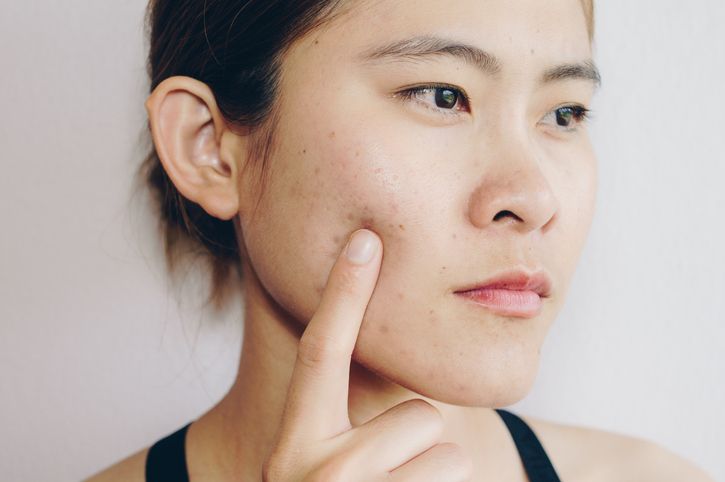
Before you can treat pigmentation effectively, you need to understand what causes it. Only by addressing the root issue can you target dark spots more precisely and successfully.
i. Genetics
Pigmentation is often closely linked to genetics. Our bodies naturally contain melanin-producing cells, which determine skin tone. Due to genetic differences, people produce varying amounts of melanin. Those with higher levels may be more prone to dullness or uneven skin tone—and are also more likely to develop dark spots. In fact, freckles are one of the most common types of genetically inherited pigmentation.
ii. Prolonged UV Exposure
UV radiation is one of the biggest culprits behind skin damage. When skin is exposed to sunlight for long periods, the body increases melanin production as a defense mechanism. However, this often results in uneven melanin buildup, eventually causing sunspots, solar lentigines, or age spots.
iii. Hormonal Imbalance
Hormones like estrogen and progesterone can also stimulate melanin production. When hormone levels spike—such as during pregnancy—it increases the likelihood of developing pigmentation, especially melasma or pregnancy-related spots. These may fade naturally after giving birth, but in some cases, they persist and require targeted treatment. High stress levels can also disrupt hormone balance, indirectly triggering melanin overproduction and dark spots.
iv. Skin Aging
As we age, the skin’s barrier weakens, collagen and elastin break down, and cell turnover slows. This creates the perfect environment for melanin to accumulate at the deeper layers of the skin, forming stubborn dark spots that don’t fade easily.
v. Frequent Friction
Repeated friction or rubbing—such as with tight clothing, mask-wearing, or habitual face touching—can cause minor skin damage. In response, the skin produces more melanin to protect and repair itself, raising the risk of pigmentation.
vi. Excessive Screen Time
In today’s digital world, many of us spend hours glued to our devices. Research has shown that screens emit blue light, which contributes to free radical damage and accelerates skin aging. This not only worsens pigmentation but also leads to increased melanin buildup in the deeper layers of the skin.
Can Whitening and Spot-Fading Products Really Work?
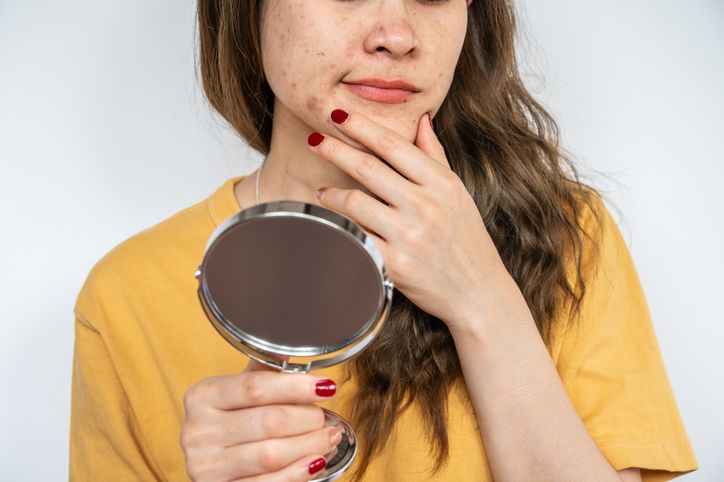
Most whitening or brightening serums on the market contain ingredients designed to suppress melanin production—like acids, glutathione, ellagic acid, and polyphenols. Some even boost cell turnover to help the skin shed excess melanin more quickly, delivering visible brightening and spot-fading effects.
However, product formulas vary widely by brand, so results may differ. Moreover, most topical serums are more effective for pigmentation caused by sun exposure, not for hormonally-driven or genetic issues like melasma, age spots, or freckles. And because these products only work on the skin’s surface, they may struggle to reach melanin lodged in the deeper layers—limiting their overall effectiveness.
免費體驗
PicoCure Pigmentation Removal Treatment
1 Minute Self-Registration
Date should not be before minimal date
What to Look For in a Whitening Serum
Tip 1: Look for Proven Melanin-Inhibiting Ingredients
A serum’s effectiveness comes down to its formula. Check the ingredients list to ensure it contains active components known for inhibiting melanin production, promoting skin turnover, or fading existing pigmentation. Some recommended ingredients include: linoleic acid, retinol (vitamin A), vitamin C derivatives, tranexamic acid, and arbutin.
Tip 2: Make Sure It Also Hydrates
Moisture plays a vital role in healthy, radiant skin. Dry or dehydrated skin tends to look dull and is more prone to various skin concerns. A well-hydrated complexion also supports better skin renewal, enhancing the effects of whitening ingredients. So, look for serums that combine brightening actives with hydrating components.
Tip 3: Avoid Harsh or Irritating Ingredients
Since whitening serums may be applied near sensitive areas like the under-eyes, avoid formulas with known irritants—especially if you have sensitive skin. Stay away from parabens, alcohol, and synthetic fragrances, which can trigger allergic reactions or cause inflammation.
7 Best Whitening & Spot-Fading Serums
1. Dr. Wu Glutalight Intensive Whitening Serum
This serum features the brand’s patented Glutalight™ formula with glutathione and vitamin C glucoside, which helps inhibit melanin production and fade dark spots. It also contains ethyl ascorbic acid and skin-renewing peptides for improved exfoliation and skin clarity. Plus, vitamin B complex, silymarin extract, and patented hyaluronic acid provide hydration—making it ideal for sensitive skin types.
2. Kiehl’s Clearly Corrective Dark Spot Solution
A cult-favorite with a high repurchase rate, this serum includes dermatologist-recommended Activated C for visibly reducing dark spots and acne marks while improving skin tone and clarity. It’s gentle and suitable for sensitive skin.
3. Clinique Even Better Clinical Radical Dark Spot Corrector + Interrupter
This upgraded formula contains double the patented anti-dark spot actives to enhance brightening results. It also includes Japanese gyokuro (green tea) extract and rice bran extract to repair the skin barrier and improve overall tone and texture.
4. Caudalie Vinoperfect Radiance Serum
Formulated with vine sap, olive squalane, and grape-derived antioxidants, this serum helps fade acne scars, melasma, sunspots, and freckles. With a 98% natural, vegan formula, it’s gentle, soothing, and suitable for sensitive skin.
5. SK-II GenOptics Spot Essence
Nicknamed the “little white bottle,” this iconic brightening serum combines SK-II’s proprietary anti-spot complex with niacinamide and luminous algae extract to help reduce pigmentation and promote overall skin health.
6. Clarins Bright Plus Advanced Brightening Dark Spot-Targeting Serum
Infused with natural ingredients like rose-myrtle extract, acerola cherry, and vitamin C glucoside, this lightweight serum quickly absorbs into the skin, delivering intense brightening and anti-aging benefits.
7. AHC Capture White Solution Max Ampoule
Packed with high-purity niacinamide, anti-dullness enzymes, and skin-brightening extracts, this serum tackles melanin production at the source. It also features tranexamic acid and arbutin to brighten and calm irritated skin.
How to Prevent Dark Spots From Forming
i. Always Wear Sunscreen
UV exposure is a major trigger for pigmentation. Use SPF 30+ daily, and supplement with physical protection like hats, umbrellas, and UV-blocking clothing whenever you're outdoors.
ii. Get Enough Sleep
Your body’s detox and renewal processes peak between 11 p.m. and 2 a.m. Staying up late can slow metabolism and hinder detoxification, causing melanin buildup over time and increasing the risk of dark spots.
iii. Eat More Antioxidant-Rich Foods
Antioxidants help neutralize free radicals that contribute to aging and pigmentation. Incorporate foods like strawberries, blueberries, tomatoes, carrots, and walnuts to support clearer, more radiant skin.
免費體驗
PicoCure Pigmentation Removal Treatment
1 Minute Self-Registration
Date should not be before minimal date
A Faster Solution? Try the Perfect Medical PicoCure Pigmentation Removal Treatment
Whitening serums are effective—but only to a certain extent. Since they only target the surface of the skin, it can take a long time to see noticeable results—especially with deeper, more stubborn pigmentation.
If you’re looking for something faster and more effective, consider the Perfect Medical’s PicoCure Pigmentation Removal Treatment, which uses a combination of nanosecond and picosecond lasers to break down melanin deep within the skin.
Here’s how it works:
• The nanosecond laser first breaks melanin down into small “pebble-sized” particles.
• Then, the picosecond laser shatters these particles into even finer dust-like fragments.
• These tiny fragments are easier for the body to absorb and eliminate through the lymphatic system.
In addition to removing dark spots, the treatment also stimulates collagen production, refines pores, and improves overall skin texture. It’s non-invasive, safe, and now available with a free first trial—click the link below to book your session today!
免費體驗
PicoCure Pigmentation Removal Treatment
1 Minute Self-Registration
Date should not be before minimal date
FAQ

What are dark spots?
Dark spots are patches of skin that appear darker than the surrounding area due to melanin buildup. When your body produces melanin faster than it can eliminate it, the excess accumulates beneath the skin and forms visible spots over time.
What causes melanin to accumulate?
Prolonged sun exposure, genetics, aging, hormonal imbalance, and excessive blue light exposure are all common causes of melanin overproduction.
Can whitening serums help with dark spots?
Yes—many whitening serums contain active ingredients that reduce melanin synthesis, brighten the skin, and help fade pigmentation over time.
Which nutrients help fade dark spots?
Vitamins A, C, and E, beta-carotene, and omega-3 fatty acids are especially helpful for improving skin tone and reducing pigmentation.
Is the PicoCure Pigmentation Removal Treatment safe?
Yes. The PicoCure treatment is non-invasive and doesn’t damage the skin’s surface. It’s backed by certified safe technology with minimal side effects.