- Home
- Trend
- Weight Loss Strategies
- Acne Tips
- Hair Health Information
- Blemish Removal Tips
- Acne Scar Removal Tips
- Muscle Building Techniques
- Intimate Care Tips
- Postpartum Intimate Care
- Eye Bags Wiki
- Tips for Face Slimming
- Secret of Permanent Hair Removal
- Breast Enlargement Tips
- Cure to Snoring
- Marionette Lines
- Skin-Tightening Secrets

Tired of editing out freckles after every selfie? It might be time to try laser spot removal! Pico laser technology has become a darling in the beauty world — but how do you choose the right clinic for laser pigmentation removal? Let’s dive in and find out.

Why Is Laser Spot Removal So Popular?
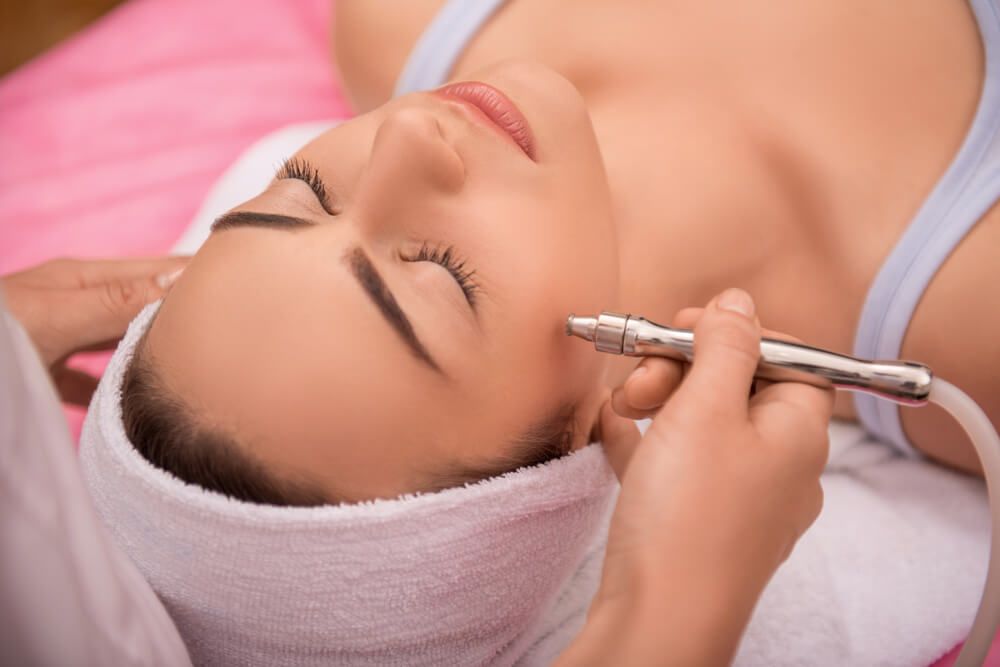
Among the many treatments for pigmentation, laser therapy stands out as one of the most effective, fastest, and safest methods. It works by using advanced optical technology to break down pigment particles in different layers of the skin. Thanks to its precision, laser treatment can quickly fade various types of spots and pigmentation. It also helps address acne scars, enlarged pores, and uneven skin texture, making it a go-to solution for many women looking to achieve clearer, smoother skin.
Not All Laser Technology Is The Same! Know The Difference Between These Two Types
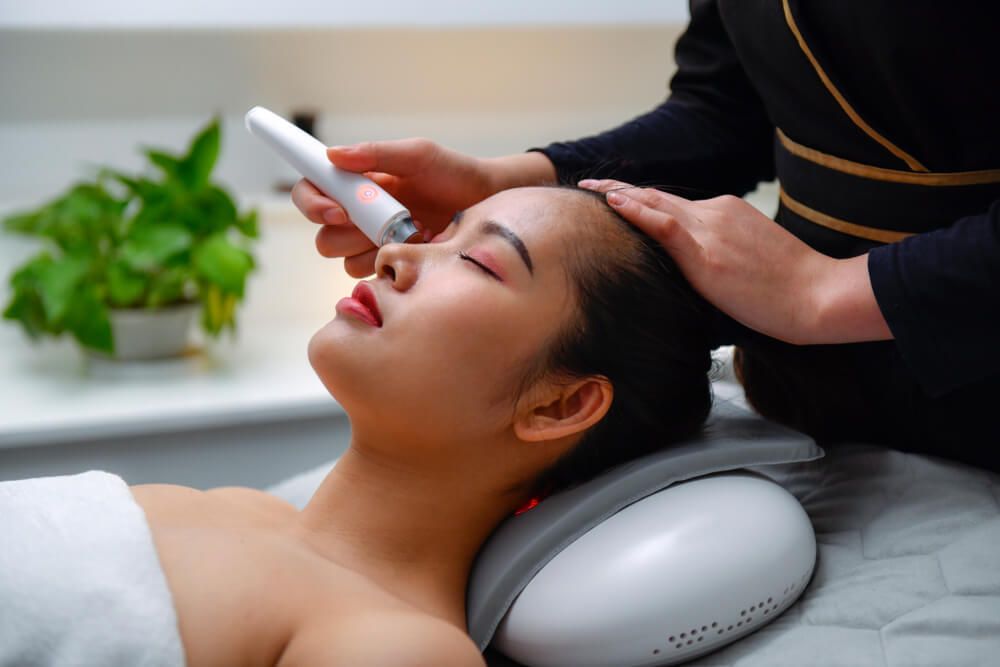
There’s no shortage of laser spot removal treatments on the market — nearly every beauty clinic offers them. So how should you choose the right one?
Laser treatments are often categorized by the wavelength of light they use — common wavelengths include 535nm, 755nm, 808nm, 1064nm, and 2940nm. Among these, 755nm is especially versatile and frequently used for pigmentation removal, hair reduction, skin rejuvenation, and more.
Laser technology can also be classified by pulse duration: nanosecond vs. picosecond.
Nanosecond Laser
Nanosecond lasers deliver pulses that last one-billionth of a second. These pulses heat and break down melanin in the skin, which is then naturally absorbed or expelled through the body’s metabolism.
While still widely used in many treatments today, nanosecond lasers produce more heat, which increases the risk of burns, redness, and thermal damage — prompting many to switch to safer options like picosecond lasers.
Picosecond Laser
The picosecond laser has become a star in modern aesthetics. It delivers ultra-fast pulses — just one-trillionth of a second — making it up to 1000 times faster than traditional nanosecond lasers. This allows pigment to be shattered into tiny dust-like particles that the body can easily clear through the lymphatic system.
Because it relies on photomechanical (light shockwave) energy rather than heat, the laser stays on the skin for only a brief moment, minimizing thermal injury. This translates to faster, more effective, and safer results across a wider range of pigmentation issues.
免費體驗
PicoCure Pigmentation Removal Treatment
1 Minute Self-Registration
Date should not be before minimal date
How Does Pico Laser Compare To Other Spot Removal Methods?
Here’s a comparison of the Pico laser versus other common pigmentation treatments:
1. Whitening Serums
Whitening serums are a gentle, at-home option for brightening and fading spots. Many skincare products contain ingredients like Vitamin C, arbutin, or niacinamide to even out skin tone.
However, these act mainly on the skin’s surface and struggle to reach deeper layers. While they may help with superficial pigmentation like freckles or sunspots, they’re generally ineffective against stubborn or deep pigmentation like melasma or birthmarks.
2. Spot Removal Creams
Some opt for prescription spot removal creams as an alternative to laser treatments. Dermatologists may prescribe products containing ingredients like hydroquinone, azelaic acid, or retinoids to speed up cell turnover and help pigment rise to the surface and shed.
However, these ingredients can be irritating and cause dryness, peeling, or inflammation, making them unsuitable for everyone. Over-the-counter versions can be risky if used without guidance.
3. IPL (Intense Pulsed Light) Therapy
Before lasers became mainstream, IPL was a go-to for pigmentation. It uses broad-spectrum light to break down pigment, which the body then eliminates.
However, due to its wide wavelength range, IPL can cause overheating, burns, and even blisters. Its pigmentation targeting is less precise than laser, so the results may not be as reliable.
4. Traditional Nanosecond Laser
Nanosecond lasers rely on photothermal effects to heat and break down pigment.
While effective, the extended heat exposure can damage surrounding skin, leading to side effects like redness, burns, scabbing, and in some cases, post-inflammatory hyperpigmentation (PIH) or hypopigmentation (light patches).
Why Pico Laser Wins
• Effectiveness: Breaks down pigment into ultra-fine particles for faster, visible results.
• Safety: Minimal heat means fewer side effects and faster healing.
| Method | Effectiveness | Safety Level |
|---|---|---|
| Pico Laser | Breaks pigment into dust-sized particles for rapid fading | Very low thermal risk, minimal side effects |
| Spot Creams | Varies by user; encourages pigment shedding through turnover | Can be irritating or cause inflammation |
| Whitening Serums | Surface-level brightening; less effective for deep spots | Mild but limited impact without deep penetration |
| IPL | Covers broad areas; may not target pigment precisely | Higher risk of burns or blisters due to heat |
| Nano Laser | Breaks pigment via heat but can damage surrounding tissue | Greater chance of scabbing, burns, PIH or hypopigmentation |
What To Consider Before Choosing A Laser Pigmentation Treatment
With so many options, finding the right laser treatment can feel overwhelming. Here’s what to look for:
1. Price
Picosecond laser treatments tend to be pricier than nanosecond ones, typically ranging from HK$1,500 to HK$3,000 per session, while nanosecond treatments may cost just a few hundred dollars. Consider your budget, skin type, and desired results when deciding.
2. Type of Pigmentation
Shallow pigmentation (e.g. freckles, sunspots, café-au-lait spots) generally responds well to nanosecond lasers. For deeper or more stubborn spots (e.g. melasma, dermal birthmarks), picosecond lasers are a better choice due to their precision and lower risk of thermal damage.
3. Effectiveness
Don’t fall for marketing hype. Some salons may exaggerate results or offer flashy promotions. Research the differences between IPL, nanosecond, and picosecond lasers. If you’re looking for a one-and-done solution, Pico laser tends to deliver faster and more lasting results.
4. Safety
Laser treatments always carry some risk of skin irritation or burns, especially if poorly administered. Picosecond lasers generally offer higher safety. Look for reputable clinics using internationally certified equipment and licensed professionals.
Laser Isn’t Magic — Know These 4 Potential Side Effects
While laser spot removal can deliver impressive results, it’s important to know it isn’t foolproof. Incorrect treatment or poor aftercare can lead to:
1. Redness and Swelling
Whether using nanosecond or picosecond lasers, some degree of irritation is expected due to the high energy involved. Redness and puffiness typically fade within days if the skin is cared for properly.
2. Dryness and Peeling
Both laser types can dry out the skin, sometimes leading to flaking or tightness. Deep hydration is key to recovery.
3. Hyperpigmentation (PIH)
Picking at scabs or overexposure to sunlight post-treatment can overstimulate pigment cells, resulting in darker spots. Always let scabs fall off naturally.
4. Hypopigmentation (Light Spots)
Rare but serious, this occurs when overly strong lasers destroy pigment cells, leaving behind lighter patches that may not return to normal.
免費體驗
PicoCure Pigmentation Removal Treatment
1 Minute Self-Registration
Date should not be before minimal date
Aftercare: 4 Essential Tips Post-Laser
Proper care after your laser session can significantly speed up recovery:
1. Don’t Pick At Scabs
Let scabs fall off naturally to avoid scarring or pigmentation rebound.
2. Use Sun Protection Religiously
Your skin barrier will be compromised after laser, so apply and reapply sunscreen, even indoors or on cloudy days, to prevent further pigmentation.
3. Focus On Calming And Hydrating Skincare
Choose gentle, hydrating, anti-inflammatory products with simple ingredients to soothe skin without irritation.
4. Avoid Anything Harsh
Skip alcohol-based toners, acids (AHA/BHA), scrubs, or exfoliating treatments until your skin has fully recovered.
Which Clinic Offers The Best Laser Spot Removal? Look For Proven Results And Strong Reputation!
With so many clinics offering Pico laser treatments, how do you choose the right one?
Look for clinics with a solid reputation and real user testimonials. Perfect Medical, a publicly listed medical aesthetics group in Hong Kong, offers the U.S.-developed PicoCure Pigmentation Removal Treatment. It combines 4 wavelengths of picosecond and nanosecond energy to deeply shatter even the most stubborn pigmentation — all in a non-invasive, pain-free process.
No more editing out spots in selfies — say goodbye to pigmentation and hello to radiant, baby-soft skin! Try PicoCure’s free trial today and get a complimentary spot-removal mask. Clear, spotless skin is totally within reach.
免費體驗
PicoCure Pigmentation Removal Treatment
1 Minute Self-Registration
Date should not be before minimal date
FAQ

Should I choose nanosecond or picosecond laser?
Nanosecond is best for shallow pigmentation like freckles or sunspots. For deep or stubborn pigmentation like melasma or birthmarks, go with picosecond.
How long should I wait between sessions?
Give your skin at least 2 to 4 weeks to recover between Pico laser sessions for optimal results and minimal side effects.
Are there any side effects?
Redness, dryness, or peeling are common but usually temporary. High-energy lasers may cause PIH (darkening), so follow aftercare instructions closely.
How do I care for my skin after laser?
Let scabs fall off naturally, use hydrating and calming skincare, and apply sunscreen consistently to avoid rebound pigmentation.
What are the benefits of combining picosecond and nanosecond lasers?
This combo targets both surface and deep pigmentation, offering comprehensive, faster results — like the PicoCure 4-wavelength technology.