- Home
- Trend
- Weight Loss Strategies
- Acne Tips
- Hair Health Information
- Blemish Removal Tips
- Acne Scar Removal Tips
- Muscle Building Techniques
- Intimate Care Tips
- Postpartum Intimate Care
- Eye Bags Wiki
- Tips for Face Slimming
- Secret of Permanent Hair Removal
- Breast Enlargement Tips
- Cure to Snoring
- Marionette Lines
- Skin-Tightening Secrets

If you always need to retouch your freckles every time you take a selfie, it may be time to consider laser pigmentation removal. Picosecond technology has become a favorite in the aesthetics industry. How do you know which clinic offers the best laser pigmentation removal? Start here.

Why Is Laser Pigmentation Removal So Popular?
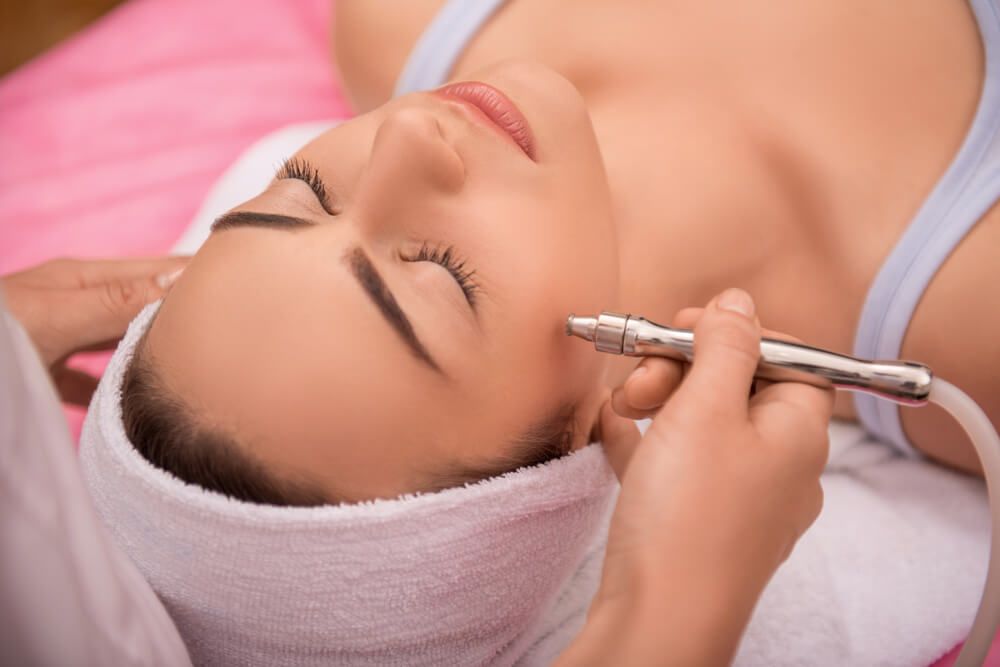
Among the many pigmentation removal options available, laser-based treatments are widely regarded as the most effective, fastest, and safest. Laser pigmentation removal works by using optical technology to break down melanin deposits in different layers of the skin. Because the treatment is highly targeted and works within a short time frame, it can visibly lighten various types of pigmentation. It can also address acne marks, atrophic scarring, enlarged pores, and other melanin-related issues. That is why many women choose laser treatments to clear spots and address multiple skin concerns simultaneously.
Laser Technologies Differ: Two Main Types You Must Distinguish
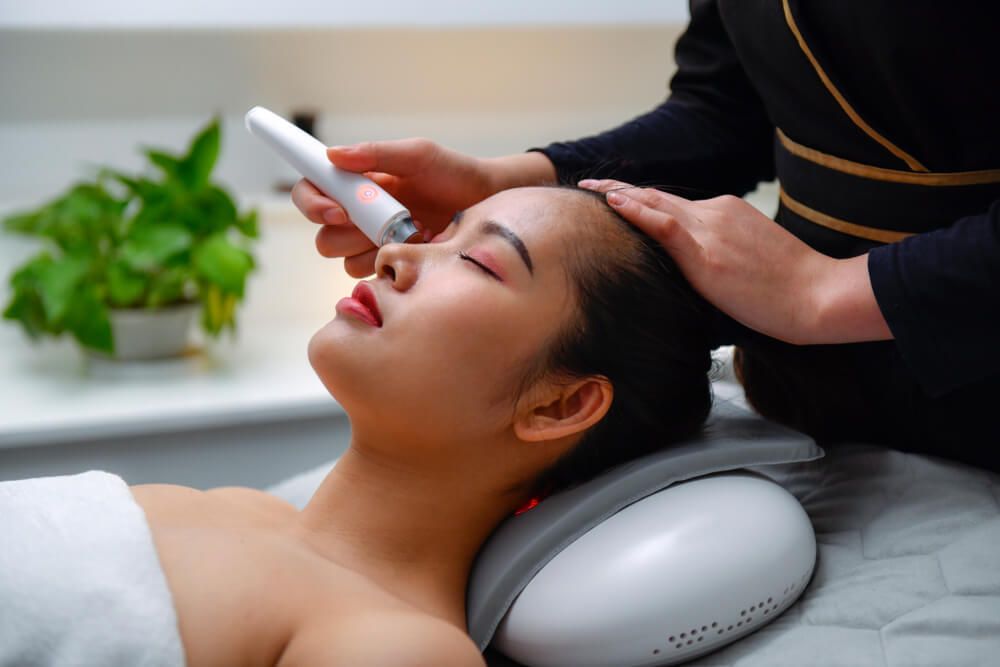
There is a wide range of laser options in the market, and nearly every aesthetic centre offers some form of laser treatment. How should you evaluate and choose?
Laser treatments are commonly categorized based on laser wavelength. In medical aesthetics, wavelengths such as 535nm, 755nm, 808nm, 1064nm, and 2940nm are frequently used. Among these, the 755nm wavelength is one of the most versatile, widely applied in treatments such as pigmentation removal, hair removal, skin rejuvenation, and scar reduction.
Laser technology is further categorized by pulse duration into nanosecond and picosecond lasers:
1. Nanosecond Laser
Nanosecond lasers emit pulses within the nanosecond range. Their mechanism involves delivering laser energy into the skin, where melanin particles absorb the heat and break down through photothermal action. The fragmented melanin is then metabolized and eliminated through the body's natural processes.
Nanosecond lasers have been used for many years and are still commonly found in medical aesthetic treatments. However, because the energy creates heat within skin layers, there is a higher risk of burns, redness, and thermal injury. As a result, picosecond lasers have become more popular due to their enhanced safety profile.
2. Picosecond Laser
Picosecond technology has risen to prominence in recent years. A picosecond laser delivers energy within one trillionth of a second—up to 1,000 times faster than a traditional nanosecond laser. Depending on wavelength, it can penetrate various skin depths to eliminate melanin.
Picosecond lasers use photomechanical shockwaves rather than heat to shatter pigmentation into ultrafine dust-like particles. These minuscule fragments are more efficiently cleared through the lymphatic system. Because picosecond lasers generate very little heat and remain in the skin for a shorter duration, the risk of thermal damage is significantly reduced, allowing for safer, broader, and faster pigmentation removal.
免費體驗
PicoCure Pigmentation Removal Treatment
1 Minute Self-Registration
Date should not be before minimal date
Picosecond Laser Vs. Other Pigmentation Removal Methods: A Comprehensive Comparison
Picosecond laser technology is so well-received because it offers notable advantages compared to other pigmentation treatments. Below is a comparison of common methods:
Method 1: Whitening Serums
Whitening serums are among the gentlest options. They are easy to use at home and often include strong brightening ingredients such as Vitamin C, arbutin, and niacinamide. These can help even out skin tone and fade surface-level spots.
However, many brightening ingredients only work on the epidermis. They may lighten freckles and sunspots but are generally insufficient for deep-seated pigmentation such as melasma, age spots, nevus of Ota, or dermal pigmentation.
Method 2: Prescription Pigmentation Creams
Some individuals choose prescription creams containing active ingredients such as hydroquinone, azelaic acid, or retinoids. These accelerate cell turnover, helping deeper melanin rise to the surface and shed.
However, these formulas can be irritating and may cause sensitivity, dryness, peeling, or inflammation. They are not suitable for everyone and should not be used indiscriminately.
Method 3: Intense Pulsed Light (IPL)
Before picosecond lasers, IPL was a popular option. IPL emits broad-spectrum light combinations that target melanin and break it down through heat.
While it can treat pigmentation at varying depths, IPL is less precise and carries a higher risk of overheating, blistering, or burns. It is also less effective than picosecond lasers for stubborn pigmentation.
Method 4: Traditional Laser (Nanosecond)
Traditional laser pigmentation removal uses nanosecond laser technology and relies on heat to break down melanin. Because energy remains in the skin longer, it is more likely to cause redness, burns, scabbing, or post-inflammatory hyperpigmentation.
Compared with nanosecond lasers, picosecond lasers offer a significantly safer and faster pigmentation reduction experience.
Comparison Summary
| Method | Pigmentation Removal Effect | Safety |
|---|---|---|
| Picosecond Laser | Breaks melanin into ultrafine dust-sized particles for rapid clearance | Minimal heat, fewer side effects, highest safety |
| Pigmentation Creams | Varies by individual; accelerates turnover to shed melanin | Higher irritation risk; may cause inflammation |
| Whitening Serums | Lightens surface pigmentation; limited deep penetration | Must choose suitable formulas to avoid irritation |
| IPL | Heats and breaks melanin; results may be unpredictable | Broad-spectrum light can cause burns or scabbing |
| Nanosecond Laser | Breaks pigment through heat; effective for shallow pigmentation | Higher risk of burns and rebound pigmentation |
Key Considerations Before Choosing A Laser Pigmentation Treatment
With so many options available, selecting the right treatment can be challenging. Consider the following before committing:
1. Price
Picosecond treatments are generally more expensive, typically priced between $1,500 and $3,000 each. Nanosecond laser sessions are more affordable, sometimes only a few hundred per session. Choose a solution that aligns with your skin needs, safety expectations, and budget.
2. Type of Pigmentation
Nanosecond lasers are often recommended for superficial pigmentation like freckles, sunspots, and café-au-lait spots.
Picosecond lasers are more effective for deeper pigmentation such as melasma, Hori’s nevus, and Ota’s nevus.
3. Actual Results
Many aesthetic centres promote “miracle results,” but marketing claims can be misleading. Review documented before-and-after photos, clinical evidence, and user testimonials.
4. Safety
Laser treatments involve high-energy optical technology that may cause overheating if performed improperly. Choose providers using internationally certified equipment and reputable brands. Picosecond lasers are inherently safer than nanosecond lasers due to lower heat retention and reduced risk of burns.
Laser Pigmentation Removal Is Not Flawless: 4 Common Side Effects You Must Know
Although highly effective, improper operation may cause:
1. Redness and swelling
Both nanosecond and picosecond lasers may trigger temporary redness due to the high-energy pulses stimulating the skin.
2. Peeling
Skin may become dry or tight after treatment, particularly with nanosecond lasers. Adequate hydration helps reduce peeling.
3. Post-inflammatory hyperpigmentation (PIH)
If scabs are forcibly removed or if high-energy lasers cause injury, melanin cells may overreact, leading to darker pigmentation.
4. Hypopigmentation (whitening spots)
Rare but severe. Excessive energy can destroy pigment cells, resulting in permanent white patches.
免費體驗
PicoCure Pigmentation Removal Treatment
1 Minute Self-Registration
Date should not be before minimal date
Post-Laser Aftercare: This Is The Most Critical Step
Proper aftercare helps skin recover faster and reduces side effect risks.
Aftercare 1: Do NOT pick scabs
Allow scabs to fall off naturally.
Aftercare 2: Use adequate sun protection
Always apply sunscreen, even indoors or on cloudy days. UV exposure can trigger new pigmentation during healing.
Aftercare 3: Hydrate and soothe the skin
Use gentle, hydrating, non-irritating skincare products. Minimalist formulas are preferable.
Aftercare 4: Avoid irritation
Avoid alcohol, AHAs, BHAs, scrubs, and exfoliating treatments until the skin fully recovers.
Which Clinic Offers The Best Laser Pigmentation Removal? Choose Reputable Providers With Proven Results
Perfect Medical, a listed medical aesthetics group in Hong Kong, offers the PicoCure Ultra Picosecond Treatment, incorporating four wavelengths to target multiple layers of pigmentation. The system breaks down melanin into micro-particles and addresses many forms of pigmentation effectively and safely.
If you want to eliminate stubborn spots and achieve smooth, refined skin, PicoCure offers a non-invasive solution with minimal discomfort. A free trial session is also available, along with complimentary pigment-reducing masks.
免費體驗
PicoCure Pigmentation Removal Treatment
1 Minute Self-Registration
Date should not be before minimal date
FAQ

How do I know whether nanosecond or picosecond laser is more suitable for me?
Superficial pigmentation is generally treated with nanosecond lasers, while deeper, more stubborn pigmentation types are better addressed using picosecond lasers. A skin analysis is recommended before selecting a treatment plan.
How long should I wait between picosecond laser sessions?
Sessions should be spaced at least 2 to 4 weeks apart to allow adequate skin recovery and full melanin clearance.
Are there side effects?
Redness, swelling, tightness, dryness, and peeling are common post-treatment reactions. High-energy treatments may also cause temporary hyperpigmentation. Proper aftercare reduces these risks.
How should I care for my skin after treatment?
Do not pick scabs. Apply moisturizer as directed. Use sufficient sunscreen. Avoid exfoliating acids, alcohol-based products, scrubs, or any irritating ingredients.
What are the advantages of combined picosecond and nanosecond technologies?
Both pulse durations have different strengths. Combining them allows melanin to be first fragmented (nanosecond) and then shattered into ultrafine particles (picosecond) for more comprehensive and efficient removal.