- Home
- Trend
- Weight Loss Strategies
- Acne Tips
- Hair Health Information
- Blemish Removal Tips
- Acne Scar Removal Tips
- Muscle Building Techniques
- Intimate Care Tips
- Postpartum Intimate Care
- Eye Bags Wiki
- Tips for Face Slimming
- Secret of Permanent Hair Removal
- Breast Enlargement Tips
- Cure to Snoring
- Marionette Lines
- Skin-Tightening Secrets

What exactly is melasma? Why does it appear on your face and keep increasing over time? This common pigmentation condition is influenced by many factors, including UV exposure and irregular lifestyle habits. Below, we break down the 6 key causes of melasma, where it commonly appears, effective treatment options, and daily preventive strategies. At the end, we also highlight a recommended Pico laser pigmentation treatment.

Understanding Melasma: Causes, Characteristics, and At-Risk Groups

1.1 What Is Melasma?
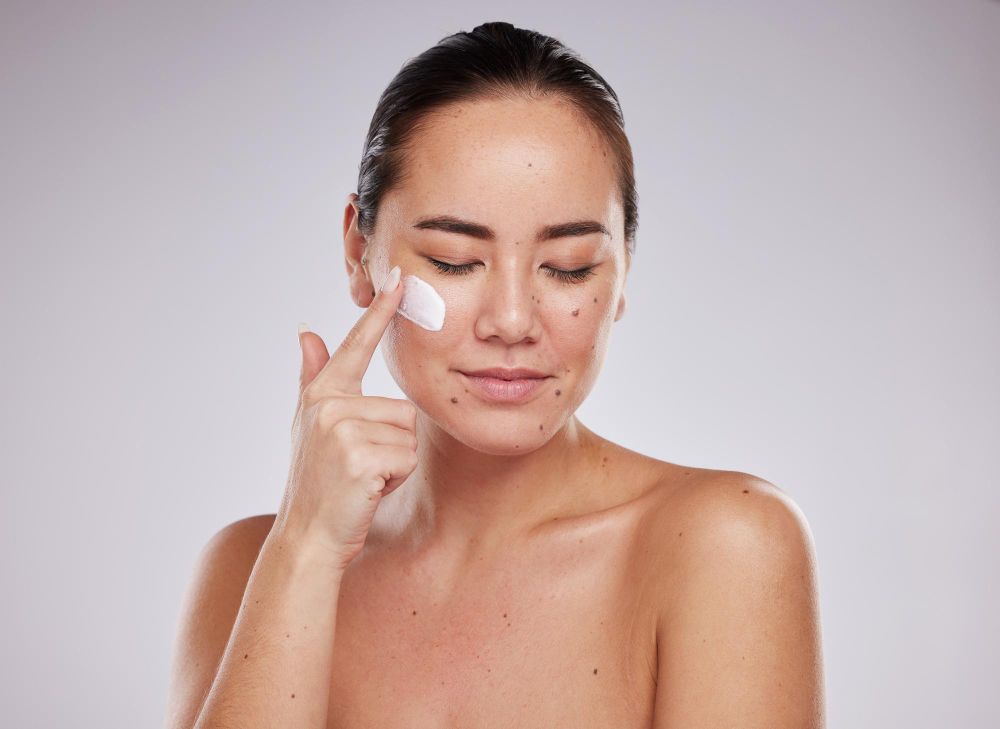
Melasma—also known as hormonal spots, pregnancy mask, chloasma, or butterfly-shaped pigmentation—is an acquired form of hyperpigmentation. Many people mistakenly believe it is linked to poor liver function, but the two are not directly related. Melasma typically appears as irregular yellow-brown or grey-brown patches, often symmetrical across the forehead, cheekbones, and cheeks. These patches create an uneven skin tone and affect overall facial appearance. Understanding what melasma truly is allows us to pursue more accurate treatment and prevention, while avoiding common misconceptions.
1.2 Causes of Melasma
The formation of melasma is complex, and while its exact mechanism is not fully understood, dermatologists generally agree that a combination of internal and external factors contributes. Below are the most widely recognized triggers and aggravating factors:
1. UV Exposure: UVA and UVB rays are the primary triggers of melasma. They penetrate the skin, overstimulating melanocytes and causing excessive melanin production. Over time, this melanin accumulates in deeper layers of the skin and becomes visible as pigmentation.
2. Hormonal Changes: Hormonal fluctuations are a major cause of melasma—hence the common term “hormonal spots.” Pregnancy, oral contraceptives, hormone therapy, and menopause can all cause estrogen levels to shift, stimulating melanocytes and worsening melasma.
3. Genetics: A family history of melasma increases individual risk. Some people are genetically predisposed to developing melasma.
4. Medication-Induced Sensitivity: Certain medications—such as anti-epileptic drugs or specific antibiotics—can increase UV sensitivity and lower the skin’s natural defenses, raising melasma risk.
5. Stress: Chronic stress or emotional instability may disrupt hormonal balance, affecting melanin metabolism and distribution, leading to new or worsening melasma.
6. Improper Skincare Habits: Using harsh skincare ingredients or products unsuitable for one’s skin type can cause inflammation and subsequent pigmentation, making melasma more severe.
1.3 Who Is More Likely to Develop Melasma?
Common high-risk groups include:
1. Women, especially those of reproductive age or undergoing menopause
2. Individuals with naturally darker skin tones (e.g., Asians, Hispanics)
3. Those with a family history of melasma
4. People frequently exposed to the sun without proper sun protection
1.4 Characteristics of Melasma
Key indicators include:
• Blurry edges: Unlike freckles or sunspots, melasma patches have indistinct borders.
• Color variation: Yellow-brown, brown, or grey-blue depending on pigmentation depth.
• Symmetrical distribution: Often appears on both sides of the face in a butterfly-like pattern.
• Common areas: Cheekbones, forehead, cheeks, upper lip, and occasionally the neck or hands.
Dermatologist-Recommended Melasma Treatments
Treating melasma requires patience and consistency. Since melasma tends to develop gradually and respond slowly, dermatologists typically use a combination of topical medications, oral treatments, and aesthetic procedures. Treatment plans are personalized based on melasma type, severity, and skin condition.
Treatment Overview
| Treatment Type | Suitable For | Advantages | Considerations |
|---|---|---|---|
| Topical creams (triple combination, azelaic acid) | Mild to moderate melasma | Convenient, affordable | May cause irritation; must follow medical guidance |
| Oral medications (Tranexamic Acid) | Cases unresponsive to topical treatment | Stronger depigmenting effect | May cause digestive discomfort; relapse possible after discontinuation |
| Pico laser treatments | All severities; those seeking faster results | Short downtime, significant results, low risk of post-inflammatory darkening | May require multiple sessions; strict sun protection needed |
2.1 Topical Creams
Triple Combination Cream
A highly effective topical treatment containing hydroquinone, mild corticosteroids, and tretinoin. These ingredients work synergistically to suppress melanin production and speed up cell turnover. Due to the steroid component, it should only be used short-term under medical supervision.
Azelaic Acid Cream
Reduces melanin formation while offering antibacterial and anti-inflammatory benefits. Milder and suitable for early-stage melasma or long-term maintenance.
2.2 Oral Medication
Tranexamic Acid
An oral melasma treatment that inhibits melanocyte activity and blocks melanin transfer. While effective, melasma may return upon discontinuation, and some people experience gastrointestinal discomfort. It must be prescribed by a doctor.
2.3 Laser Treatments
Dermatology-grade laser treatments offer high precision and efficiency.
Pico Laser
Ultra-short pulse duration minimizes heat damage and shatters melanin into fine particles that the skin can naturally clear. Lower risk of post-treatment darkening makes it suitable for melasma patients.
Q-Switched Nd:YAG (Carbon Peel)
Gentler and aims to brighten overall tone. Some benefit for melasma, but less effective for deep, stubborn pigmentation.
Vascular Laser
Melasma can be linked to vascular proliferation. Vascular lasers reduce abnormal blood vessels and indirectly inhibit melanin formation, helpful for melasma presenting with visible vasculature.
2.4 Radiofrequency Treatment
Sylfirm X
Uses pulsed RF microneedling with selective coagulation technology to repair the basement membrane and underlying vascular structures associated with melasma. It addresses the root causes and strengthens the skin to reduce recurrence.
2.5 Other Common Procedures
• Chemical Peels (high concentration AHAs): Accelerate cell turnover, ideal for superficial melasma.
• Mesotherapy: Infuses brightening actives such as arbutin and hyaluronic acid into deeper skin layers.
• Barrier Repair Therapy: Restores the stratum corneum to prevent secondary pigmentation.
2.6 Combination Therapy
Melasma often responds best to a multi-treatment plan. Dermatologists may combine topical agents, oral medication, laser treatments, and RF technology for cumulative benefits and longer-lasting results—especially for mixed-type melasma.
免費體驗
PicoCure Pigmentation Removal Treatment
1 Minute Self-Registration
Date should not be before minimal date
Prevention and Daily Skincare for Melasma
Melasma is closely tied to lifestyle and skincare habits. Beyond treatment, daily prevention is essential to avoid worsening or recurrence.
3.1 Sun Protection
The most critical step in melasma prevention.
• Choose SPF 30+ and PA+++ broad-spectrum sunscreen
• Apply a sufficient amount (coin-sized for the face)
• Reapply every 2–3 hours
• Use physical protection such as umbrellas, hats, sunglasses, and long sleeves
3.2 Gentle Cleansing and Hydration
• Use mild cleansers to avoid barrier damage
• Maintain good moisture levels with non-irritating, simple formulations
3.3 Diet for Brightening and Pigmentation Control
• Increase antioxidant-rich foods (vitamin C/E fruits and vegetables)
• Avoid photosensitizing foods (e.g., lemon, celery, basil)
• Reduce fried foods to minimise inflammation
3.4 Healthy Lifestyle Habits
• Maintain regular sleep schedule
• Reduce stress to avoid hormonal disruption
When to Seek Dermatological Help
Professional evaluation is essential. Avoid self-medicating without guidance. With proper diagnosis and structured treatment, melasma can be effectively managed and significantly improved.
30-Minute Solution for Melasma, Hormonal Spots, and Deep Pigmentation: PicoCure Second-Generation Pico Laser Treatment
Melasma is notoriously difficult to treat because melanin resides in multiple skin layers and is intertwined with fine blood vessels. Sunscreen and skincare alone cannot reach the root of deep pigmentation, making energy-based treatments essential.
Perfect Medical’s PicoCure Pigmentation Removal Treatment uses multiple wavelengths to shatter melanin at different depths. Each session takes only 30 minutes and can visibly improve pigmentation, sunspots, dark patches, acne marks, uneven tone, and sallowness. The results are immediate and progressively clearer as the skin metabolizes the shattered pigment. No pain, no downtime, no risk of rebound darkening.
Perfect Medical is now offering a free PicoCure trial session, including a professional skin analysis.
免費體驗
PicoCure Pigmentation Removal Treatment
1 Minute Self-Registration
Date should not be before minimal date
Why Is Melasma So Difficult to Treat?
Melasma penetrates deeply and tends to recur. Combining sun protection, antioxidants, and melanin-stabilizing products—paired with medical-grade treatments such as tranexamic acid, vitamin C, and professional Pico laser—yields the best long-term improvement. Perfect Medical’s PicoCure treatments target deep-rooted pigmentation with multi-wavelength precision for clearer and longer-lasting results.
免費體驗
PicoCure Pigmentation Removal Treatment
1 Minute Self-Registration
Date should not be before minimal date
FAQ

Will melasma disappear on its own?
Unlikely. Without addressing the underlying causes, melasma rarely resolves spontaneously.
Does Pico laser cause post-inflammatory darkening?
Pico lasers have low thermal damage and therefore minimal risk, but strict sun protection remains essential.
What is the most important step in preventing melasma?
Daily, comprehensive sun protection.
Can Tranexamic Acid be taken long term?
It should not be taken long term without medical supervision due to potential side effects.
Is melasma hereditary?
Yes, melasma can be influenced by genetics.