- Home
- Trend
- Weight Loss Strategies
- Acne Tips
- Hair Health Information
- Blemish Removal Tips
- Acne Scar Removal Tips
- Muscle Building Techniques
- Intimate Care Tips
- Postpartum Intimate Care
- Eye Bags Wiki
- Tips for Face Slimming
- Secret of Permanent Hair Removal
- Breast Enlargement Tips
- Cure to Snoring
- Marionette Lines
- Skin-Tightening Secrets

Melasma is a common skin concern that can significantly affect one’s appearance, leading many people to experience appearance-related anxiety. Although melasma is neither painful nor itchy, the contrast between its yellowish-brown pigmentation and natural skin tone makes it difficult to ignore. Even more frustrating is that not everyone manages to find the right solution.
In this article, we will share the 6 main causes of melasma and 4 treatment approaches from both Western and Traditional Chinese Medicine. Be sure to read until the end — the ultimate whitening and spot-removal solution is revealed there.

What Is Melasma?
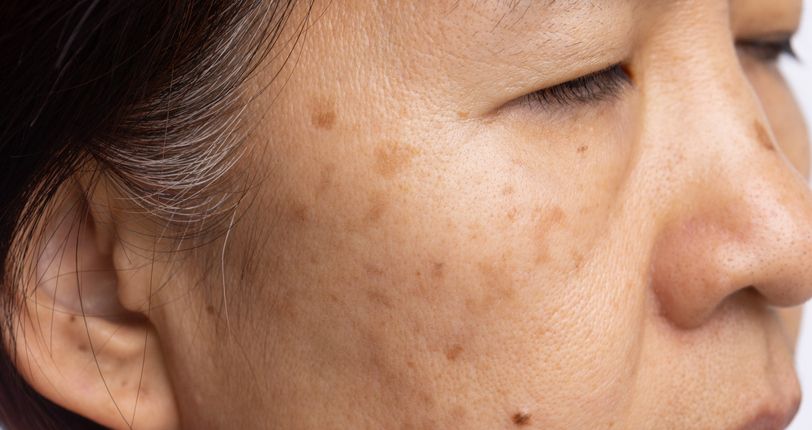
Melasma is known by several names, including chloasma, liver spots, and pregnancy mask. It commonly affects young women, while men rarely develop melasma. Even when pigmentation appears on men’s faces, it is usually classified as freckles rather than melasma.
Melasma forms when melanin accumulates and deposits in the facial skin. These patches typically have blurred borders, uneven pigmentation depth, and irregular shapes. Over time, they can expand into large darkened areas that resemble a butterfly spreading its wings across the face.
From a Traditional Chinese Medicine (TCM) perspective, melasma is often referred to as “liver spots” and is associated with liver qi stagnation. This condition may stem from insufficient liver qi or imbalances in internal organ functions. Melasma is also commonly called pregnancy spots, as hormonal fluctuations before and after pregnancy can stimulate melanin production, leading to pigmentation on the face.
Is Melasma a Disease?
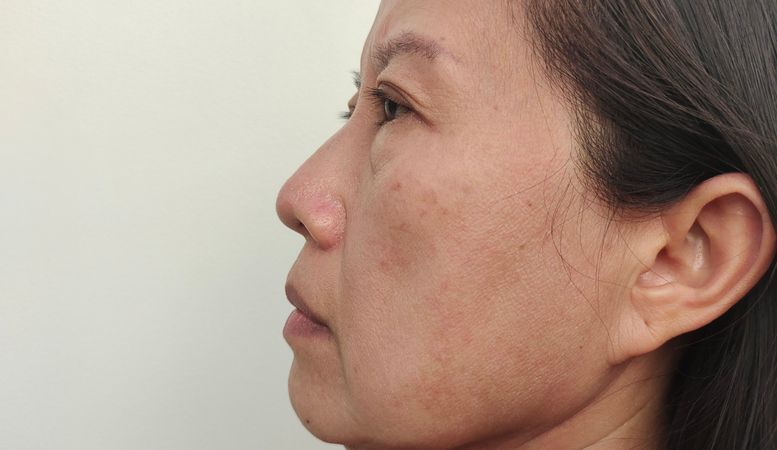
Melasma is classified as a pigmentary skin condition, but since it does not cause pain or itching, it is not considered a serious illness. However, it is important to note that melasma may signal the early stages of chronic conditions, particularly autoimmune disorders such as lupus erythematosus.
In lupus-related cases, seemingly harmless pigmentation can evolve into red, eczema-like rashes accompanied by systemic discomfort rather than localized pain. Although the exact cause of lupus remains unknown, it is believed to be linked to immune system dysfunction. If left untreated, it may progress into connective tissue diseases, affecting blood circulation, joint health, organ function, and even mental well-being.
免費體驗
PicoCure Pigmentation Removal Treatment
1 Minute Self-Registration
Date should not be before minimal date
Where Does Melasma Commonly Appear?
Melasma primarily affects the face and can appear in multiple areas. It usually begins on the cheekbones, forehead, and around the mouth. In its early stages, pigmentation may be subtle but gradually darkens over time, eventually stabilizing into gray, black, or yellow-brown tones.
Associated symptoms may include hormonal imbalances, such as irregular menstrual cycles, premenstrual breast tenderness, and mood fluctuations. These suboptimal health conditions can significantly disrupt daily life.
The 6 Major Causes of Melasma — Small Lifestyle Details Make All the Difference!
Cause 1: Genetic Factors
Genetics play a significant role in melasma development. Just as freckles are common among individuals with inherited traits, melasma can also be passed down through family genes that influence melanin metabolism and skin sensitivity. Women who inherit such traits may develop melasma during pregnancy, even if they did not have freckles earlier in life.
Cause 2: Hormonal Changes
Hormonal imbalance is one of the primary triggers of melasma. The endocrine system regulates hormone levels, particularly estrogen and androgen balance. Excess estrogen stimulates melanin production, leading to pigmentation. Progesterone fluctuations during pregnancy can further intensify melasma.
Cause 3: Long-Term Use of Poor-Quality Cosmetics
Using uncertified or low-quality cosmetics may seem harmless but can cause cumulative skin damage. These products may contain harmful chemicals or heavy metals that compromise the skin barrier, increase oxidative stress, and promote melanin accumulation, ultimately resulting in melasma.
Cause 4: Medication Effects
Oral contraceptives are a common medication-related cause of melasma. Hormone-altering drugs disrupt endocrine balance, and facial pigmentation often serves as a warning sign of hormonal dysfunction. Other medications that affect hormone levels may also worsen pigmentation and place strain on internal organs.
Cause 5: UV Exposure and Environmental Pollution
Ultraviolet radiation and air pollution can both stimulate melanin production, especially when the skin barrier is weakened. Stress, alcohol consumption, smoking, and inadequate sun protection increase free radical formation, accelerating pigmentation and causing melasma to surface.
Cause 6: Poor Dietary Habits
Diets high in greasy, spicy, sugary, and fried foods slow metabolism and hinder toxin elimination. As toxins and melanin accumulate in the body, melasma may develop. In many cases, pigmentation is quite literally “eaten into existence.”
TCM Identifies 4 Underlying Health Risks — Which Organs Are Linked to Melasma?
1. Kidneys
TCM views melasma as a warning sign of declining kidney qi. When kidney function slows, toxins accumulate and stimulate melanin production. Fatigue, dizziness, lower back pain, and tinnitus often accompany kidney-related melasma.
2. Digestive Organs (Six Fu Organs)
Weak qi and blood circulation in the digestive organs — including the stomach, intestines, gallbladder, bladder, and triple burner — can manifest as uneven skin tone and pigmentation due to their close connection with facial blood circulation.
3. Liver Fire
Emotional instability, particularly during pregnancy, can lead to excessive liver fire. This results in liver spots that are difficult to fade and may be accompanied by chest tightness, bitterness in the mouth, nausea, poor appetite, insomnia, and vivid dreams.
4. Blood Stasis
A TCM principle states, “Where there is stasis, there are spots.” Poor blood circulation slows metabolism and prevents toxins and melanin from being eliminated, making melasma persistent and difficult to treat.
免費體驗
PicoCure Pigmentation Removal Treatment
1 Minute Self-Registration
Date should not be before minimal date
Popular Melasma Treatments — 4 Recommended Approaches from Western and TCM Perspectives
Treatment 1: Spot-Fading Skincare Products
Choose products containing brightening ingredients such as vitamin C and arbutin. Chemical exfoliation may help but is not suitable for everyone. Always assess skin tolerance to avoid irritation or barrier damage.
Treatment 2: Dietary Therapy
Both Western and TCM practitioners recommend vitamin C–rich fruits and vegetables to inhibit melanin production. Maintain a light diet and avoid photosensitizing foods such as celery, mango, and eggplant, which can increase UV sensitivity.
Treatment 3: Topical Medications
Common depigmenting agents include hydroquinone, tretinoin, azelaic acid, and lactic acid. These should be used cautiously, starting with low concentrations to build tolerance and minimize irritation.
Treatment 4: TCM Herbal Face Masks
Herbal topical treatments are generally gentler and safer. When administered by qualified practitioners and combined with steaming therapy, results can be enhanced, although improvements tend to appear gradually.
4 Preventive Habits to Stop Melasma Before It Starts
Habit 1: Practice Sun Protection
Daily sunscreen use, hats, and umbrellas protect the skin barrier, suppress melanin production, and reduce heat damage.
Habit 2: Manage Stress
Emotional stability helps maintain hormonal balance. A calm, confident mindset not only supports health but also reflects positively on the skin.
Habit 3: Minimize Makeup or Choose Wisely
If makeup is necessary, opt for mineral-based products and carefully review ingredient lists to minimize chemical exposure.
Habit 4: Maintain a Regular Sleep Schedule
Sleeping before 11 p.m. supports optimal metabolism, allowing the body to eliminate accumulated melanin during peak repair hours.
Perfect Medical PicoCure Pigmentation Removal Treatment — Say Goodbye to Melasma Today!
If you are eager to eliminate stubborn melasma, the Perfect Medical PicoCure Pigmentation Removal Treatment offers a safe, painless, and non-invasive solution. This advanced laser treatment brightens skin, evens tone, and minimizes pores — your best opportunity for flawless skin.
The PicoCure treatment combines two patented U.S. technologies: picosecond and nanosecond laser systems, specifically designed for Asian skin. It effectively breaks down melanin particles, which are then naturally eliminated through metabolism without wounds or side effects. A professional team provides post-treatment skin guidance to ensure optimal recovery.
Register now to enjoy a professional skin analysis + PicoCure Pigmentation Removal Treatment, and receive a complimentary BRI Spot-Fading Mask after liking the Facebook page. Limited availability — first come, first served.
免費體驗
PicoCure Pigmentation Removal Treatment
1 Minute Self-Registration
Date should not be before minimal date
FAQ

What causes melasma?
Hormonal changes, UV exposure, genetics, medication effects, and emotional stress all contribute to melanin overproduction.
How can melasma be removed?
Medical aesthetic treatments offer the fastest results, particularly laser-based pigmentation removal.
Can laser treatments remove pigmentation?
Yes. Lasers break down melanin particles, which are then eliminated through natural metabolic processes.
How long is the recovery period after laser treatment?
Recovery can take as little as a few hours or up to several days, depending on individual skin response and post-treatment care.
Is there a safer option if I’m worried about post-laser darkening?
Traditional lasers carry higher heat risks. PicoCure’s ultra-short pulse technology minimizes thermal damage, reducing the risk of rebound pigmentation and making it safer for sensitive melasma-prone skin.