- Home
- Trend
- Weight Loss Strategies
- Acne Tips
- Hair Health Information
- Blemish Removal Tips
- Acne Scar Removal Tips
- Muscle Building Techniques
- Intimate Care Tips
- Postpartum Intimate Care
- Eye Bags Wiki
- Tips for Face Slimming
- Secret of Permanent Hair Removal
- Breast Enlargement Tips
- Cure to Snoring
- Marionette Lines
- Skin-Tightening Secrets

Melasma is a common skin concern that can cause major ups and downs in how people feel about their appearance. While these butterfly-shaped dark patches don’t itch or hurt, the contrast between their brownish hue and natural skin tone makes them hard to ignore. Many people struggle to find the right solution. This post reveals the 6 major causes of melasma and 4 recommended treatment methods from both Western and Traditional Chinese Medicine (TCM). Be sure to read to the end — we’ll also introduce the ultimate whitening and spot-removing solution!

What Is Melasma?
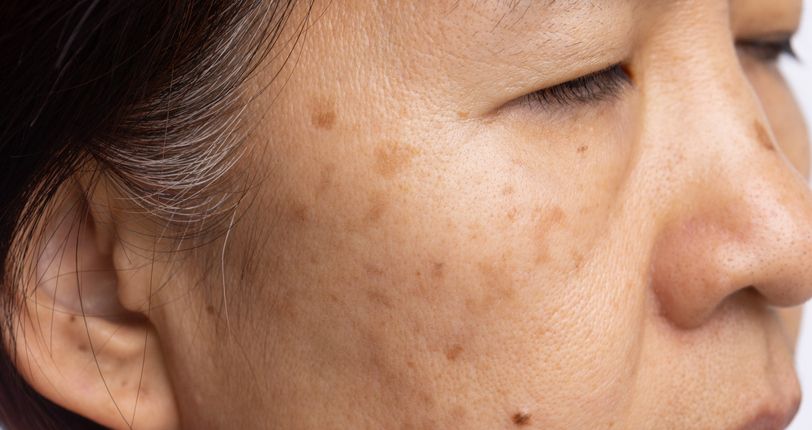
Melasma goes by many names — including chloasma, liver spots, and pregnancy mask — and is most commonly seen in young women. It rarely affects men, and even if they do develop facial pigmentation, it's usually referred to as freckles instead. Melasma occurs when melanin accumulates and deposits unevenly on the face, creating patches that are poorly defined, irregular in shape, and vary in color intensity. Over time, these spots can expand into larger dark patches, resembling a butterfly’s wings across the face.
From a TCM perspective, these "liver spots" (肝斑) are seen as a reflection of liver qi stagnation and internal imbalances affecting the organs and body systems. When melasma is referred to as “pregnancy mask,” it’s often due to hormonal changes during or after pregnancy triggering melanin overproduction in certain facial areas.
Is Melasma a Disease?
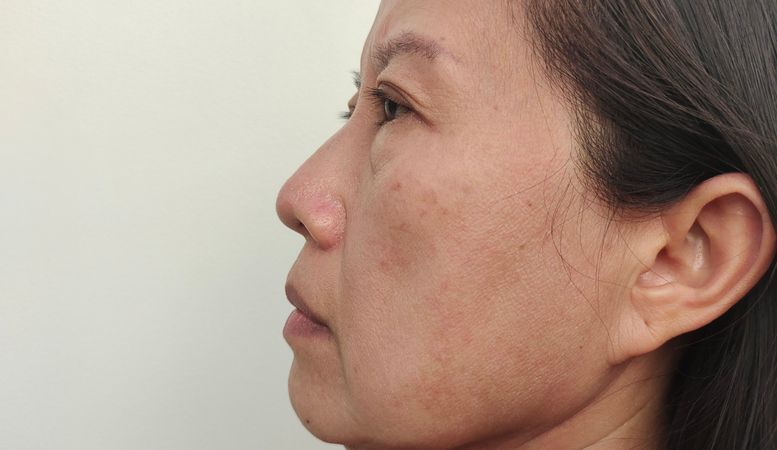
While melasma is categorized as a type of pigmentary skin disorder, it doesn’t technically qualify as a “disease” since it doesn’t involve pain or inflammation. However, it can be an early warning sign of chronic illness, particularly autoimmune conditions like lupus erythematosus. Lupus can cause seemingly harmless pigmentation to evolve into red, eczema-like rashes, and the associated pain may even affect other parts of the body.
Though the exact cause of lupus remains unclear, it’s generally believed to stem from immune system dysfunction. If left untreated, it may progress into connective tissue disorders, affecting blood circulation, causing joint and muscle pain, organ damage, and even mental health disturbances.
免費體驗
PicoCure Pigmentation Removal Treatment
1 Minute Self-Registration
Date should not be before minimal date
Where Does Melasma Appear?
Melasma typically occurs on the face, often starting at the cheekbones, forehead, and around the mouth. In its early stages, the pigmentation may be faint, but over time, it darkens into grey, brown, or yellowish-brown patches. It’s also commonly associated with hormonal imbalances, such as irregular menstrual cycles, breast tenderness before periods, and noticeable mood swings — all of which can disrupt your daily rhythm and well-being.
The 6 Main Causes of Melasma: Everyday Habits Matter!
Cause 1: Genetics
Genetic predisposition is one of the most uncontrollable triggers of melasma. Just like freckles commonly seen in fair-skinned individuals due to inherited genes, melasma can also be passed down through family. If your parents had pigmentation issues, it may affect how your skin metabolizes melanin or responds to external stress, especially in women during or after pregnancy.
Cause 2: Hormonal Changes
Hormonal fluctuations, particularly those involving estrogen and androgen levels, play a major role in melasma. When estrogen levels are high, dopamine stimulates melanin production, which leads to pigmentation. This is especially common during pregnancy when progesterone levels also rise, causing increased melanin activity.
Cause 3: Prolonged Use of Low-Quality Cosmetics
Using cheap, uncertified beauty products can be harmful. These products often contain unknown ingredients, heavy metals, or toxic chemicals that damage the skin barrier, allowing free radicals to penetrate deeper and trigger melanin overproduction — eventually forming melasma.
Cause 4: Medication
Certain medications, especially oral contraceptives, can disrupt hormonal balance and trigger melasma. If taken long-term, the progestins in birth control pills may alter your body’s natural hormone levels. Other hormone-related drugs can have similar effects, potentially straining organs and leading to deeper skin issues.
Cause 5: UV Exposure
Sun exposure — and even air pollution — can harm the skin barrier. When the body is “polluted,” it releases free radicals, which worsen melanin production. Factors like stress, alcohol, smoking, and improper sun protection can all accelerate pigment formation.
Cause 6: Poor Diet
Unhealthy eating habits — like indulging in junk food, sugary drinks, and oily or fried foods — impair digestion and slow metabolism. This hinders the body's ability to detoxify, leading to the accumulation of melanin, fat, and toxins. As the saying goes: “Illness enters through the mouth” — in this case, pigmentation might too!
What Does TCM Say About Melasma? 4 Possible Internal Health Signals
1. Kidney Weakness
In TCM, melasma may signal kidney deficiency, as kidneys are linked to vitality (yang qi). When kidney function slows down, uremic toxins accumulate, prompting melanin production and skin darkening. If you often feel tired, dizzy, have lower back pain, or experience tinnitus along with melasma — your kidneys might be involved.
2. Weak Digestive Organs (Six Bowels)
Melasma may also stem from qi and blood deficiencies in organs like the stomach, intestines, bladder, gallbladder, and more. These are closely connected to the face via venous pathways. When digestion is poor, your complexion and skin tone can suffer, leading to pigmentation.
3. Liver Heat or Stagnation
Unstable emotions — especially common during pregnancy — can result in excess liver fire. This emotional disturbance is linked to “liver spots.” If unresolved, it can also cause chest tightness, bitter taste in the mouth, nausea, insomnia, and other health issues.
4. Blood Stasis
A classic TCM saying: “No stasis, no spots.” Poor blood circulation and stagnation (氣滯血瘀) not only causes melasma but also slows metabolism and impairs toxin elimination. This internal build-up can worsen pigmentation and lead to broader health concerns.
免費體驗
PicoCure Pigmentation Removal Treatment
1 Minute Self-Registration
Date should not be before minimal date
4 Melasma Treatments Backed by Experts: Western & TCM Options
Treatment 1: Spot-Fading Skincare Products
Choose brightening and melanin-inhibiting ingredients, like Vitamin C or arbutin. Some products also contain exfoliating acids, which can help, but acidic formulas aren’t suitable for all skin types. Always check ingredients and patch test before using to avoid worsening the condition.
Treatment 2: Diet Therapy
Both Western and Chinese doctors recommend eating vitamin C-rich fruits and vegetables, which help brighten the skin and reduce melanin production. Avoid spicy, greasy foods and photosensitive ingredients like celery, mango, and eggplant — which may make skin more vulnerable to UV damage.
Treatment 3: Topical Medications
Dermatologists often prescribe creams containing hydroquinone, tretinoin, azelaic acid, or lactic acid. These can help remove melanin but may irritate sensitive skin. Always start with lower concentrations and monitor your skin’s reaction.
Treatment 4: TCM Herbal Face Masks
Herbal remedies offer a gentler alternative with fewer side effects. These masks are made from natural botanical ingredients and are often steamed into the skin during treatment. While slower to show results, they are safer and kinder to sensitive skin.
4 Daily Habits That Help Prevent Melasma
Habit 1: Always Use Sunscreen
UV protection is essential for preventing melasma. It not only shields the skin barrier but also reduces free radical damage and heat-induced pigmentation. Apply sunscreen daily, and don’t forget hats or umbrellas when outdoors!
Habit 2: Manage Stress
Emotional instability contributes to hormonal imbalance. Keeping a calm and confident mindset helps maintain internal harmony — and your face will reflect that too! A healthy heart equals radiant skin.
Habit 3: Go Easy on Makeup
Heavy makeup — especially low-quality products — can worsen pigmentation. If you must wear makeup, choose mineral-based or non-comedogenic options and check all ingredient labels carefully.
Habit 4: Maintain Regular Sleep
Getting to bed before 11 PM lets your body enter its optimal metabolic phase, when melanin and toxins are most efficiently eliminated. Good sleep isn’t just key to longevity — it’s essential for healthy, glowing skin.
Perfect Medical’s PicoCure U.S. Picosecond Laser Treatment
Can’t wait to get rid of those pesky patches? Try Perfect Medical’s PicoCure Pigmentation Removal Treatment, a pain-free, non-invasive whitening procedure that evens skin tone and shrinks pores while eliminating melasma.
The treatment combines dual U.S. patented technologies: picosecond and nanosecond lasers — specially designed for Asian skin tones. It breaks down melanin particles, which are then naturally flushed out via your metabolism, without scarring or side effects. Post-treatment care is guided by a professional skincare team, and early registration includes: a full skin analysis + treatment session + a free BRI brightening mask (with Facebook like). Limited availability — don’t miss out!
免費體驗
PicoCure Pigmentation Removal Treatment
1 Minute Self-Registration
Date should not be before minimal date
FAQ

What causes melasma?
Hormonal changes, UV exposure, genetics, certain medications, and mental stress can all trigger melanin overproduction, resulting in melasma.
How can I get rid of melasma?
Clinical treatments offer the fastest results — especially laser therapies, which are safe and popular among aesthetic clients.
Can laser treatments remove melasma?
Yes. Lasers break down melanin cells into particles that are then cleared out by the body’s natural detox system.
How long does recovery take after laser treatment?
Some recover within hours; others may need a few days. With proper aftercare and sun protection, healing is usually fast.
Which specialist should I consult for melasma?
Start by visiting a dermatologist, who can assess your condition and recommend the appropriate treatment.