- Home
- Trend
- Weight Loss Strategies
- Acne Tips
- Hair Health Information
- Blemish Removal Tips
- Acne Scar Removal Tips
- Muscle Building Techniques
- Intimate Care Tips
- Postpartum Intimate Care
- Eye Bags Wiki
- Tips for Face Slimming
- Secret of Permanent Hair Removal
- Breast Enlargement Tips
- Cure to Snoring
- Marionette Lines
- Skin-Tightening Secrets

Achieving brighter, spot-free skin is a major skincare goal for many, but the brightening and spot-correcting products on the market are overwhelming. With so many methods and formulas, it can be difficult to know where to begin. Pigmentation varies greatly in type and cause, and relying on daily skincare alone often produces limited results. Worse, using the wrong approach can even lead to post-inflammatory darkening.
In this guide, we’ll break down the main causes of pigmentation, the 3 most effective brightening ingredients you must try, and practical spot-fading tips. At the end, you’ll find a recommended professional laser pigmentation treatment—plus a limited free trial you can claim. An offer this good is something you don’t want to miss.

Why Do Dark Spots Appear? The 4 Root Causes and Types of Pigmentation

Pigmentation is complex, and understanding its underlying mechanisms allows for more effective prevention and treatment. Below is a clear and concise overview of the major causes and categories of dark spots.
Cause 1: UV Exposure
Ultraviolet radiation is one of the primary triggers of pigmentation. UV rays stimulate melanocytes to produce melanin as a natural defense mechanism. However, excessive exposure leads to overproduction, causing pigment to accumulate on the skin surface and form sunspots.
Without proper sun protection, dark spots can gradually expand, darken, and accelerate the aging process. Daily sun protection is therefore essential to prevent pigmentation.
Cause 2: Hormonal Fluctuations
Hormonal changes are another major cause. Pregnancy, oral contraceptives, or any hormonal shifts can increase estrogen and progesterone levels, activating melanocytes and causing melasma.
Melasma is closely tied to endocrine health, making it difficult to resolve through topical products alone.
Cause 3: Skin Injury & Inflammation
Inflammation is a common trigger of pigmentation. Acne inflammation, insect bites, or improper post-laser care can activate melanocytes, resulting in post-inflammatory hyperpigmentation (PIH).
If left untreated, PIH may linger on the skin for an extended period and can be difficult to fully fade.
Cause 4: Aging & Genetics
As we age, skin metabolism slows down, making it harder for pigment to be expelled, eventually forming age spots.
Genetics also play a role. Those prone to freckles usually inherit a higher number or activity level of melanocytes.
While these causes cannot be fully avoided, proper skincare and professional treatment can significantly reduce their appearance.
The Ultimate Brightening Weapons: A Deep Dive Into the 3 Most Effective Active Ingredients
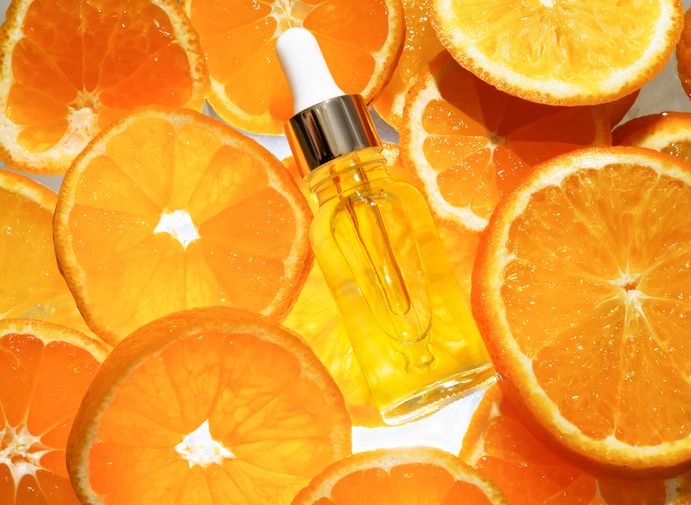
To achieve noticeable brightening and spot correction, it is essential to choose serums containing well-researched active ingredients. Below are the three gold-standard ingredients and how each benefits the skin.
Ingredient 1: Vitamin C
Vitamin C is a powerful antioxidant that neutralizes free radicals and reduces melanin production. It also helps convert existing pigment into colorless compounds, delivering visible brightening results.
Additionally, Vitamin C supports collagen synthesis, helping improve skin texture, firmness, and radiance.
Ingredient 2: Niacinamide (Vitamin B3)
Niacinamide reduces pigment formation by preventing melanin transfer to surface skin cells. It also strengthens the skin barrier, enhances hydration, and reduces inflammation caused by dryness.
With added benefits such as oil-balancing and pore refinement, niacinamide is a versatile brightening ingredient suitable for many skin types.
Ingredient 3: Alpha-Arbutin
Alpha-arbutin is known for effectively inhibiting tyrosinase—the key enzyme needed to produce melanin. It is gentle, low-irritation, and suitable for most skin types.
With long-term use, arbutin helps fade dark spots and even out skin tone.
免費體驗
PicoCure Pigmentation Removal Treatment
1 Minute Self-Registration
Date should not be before minimal date
Forget Complicated Routines— 4 Daily Habits That Help You Achieve Luminous Skin
In addition to effective products, daily habits and diet also play a critical role in brightening and preventing pigmentation. Below are four simple yet effective daily habits.
Habit 1: Sun Protection Comes First
Apply sunscreen every day—rain or shine—and reapply every 2–3 hours. Choose broad-spectrum sunscreen with SPF 30/PA+++ or higher, and pair with hats or sunglasses for added protection.
Habit 2: Gentle Cleansing & Regular Exfoliation
Use gentle cleansers to remove impurities and makeup thoroughly. Incorporate mild exfoliation periodically to remove dead skin cells and enhance product absorption.
Avoid over-cleansing, which can damage the skin barrier and cause inflammation or darkening.
Habit 3: Pair Brightening Serums With Hydration
Use serums containing vitamin C or niacinamide, and follow with hydrating formulas to lock in moisture. Hydrated skin absorbs brightening actives more effectively and maintains a healthier barrier.
Habit 4: Support Skin From Within
Consume foods rich in antioxidants:
• Vitamin C (citrus fruits, kiwi)
• Vitamin E (nuts, avocado)
• Omega-3 fatty acids (salmon, flaxseed)
These help reduce inflammation and boost skin resilience.
The 3 Most Common Whitening Mistakes: How Many Are You Making?
Many people unknowingly sabotage their brightening efforts. Here are the top three misconceptions to avoid.
Mistake 1: “The Higher the SPF, the Better”
SPF alone does not determine protection quality. Ultra-high SPF formulations can burden the skin or clog pores. The key is choosing the right sunscreen for your skin type—and reapplying regularly.
Mistake 2: “Focus on Whitening, Skip Hydration”
Skipping hydration weakens the skin barrier, increases inflammation, and raises pigmentation risk. Hydration and brightening are complementary. Using brightening actives with hydrating ingredients (like hyaluronic acid) produces better and safer results.
Mistake 3: “I Want Fast Results”
Overly aggressive products may deliver short-term brightening but can damage the barrier, cause irritation, and trigger post-inflammatory darkening. Gentle, consistent care is the only safe path to long-lasting radiance.
Homecare Not Working? Worried About Darkening? Perfect Medical Introduces PicoCure Pigmentation Removal Treatment
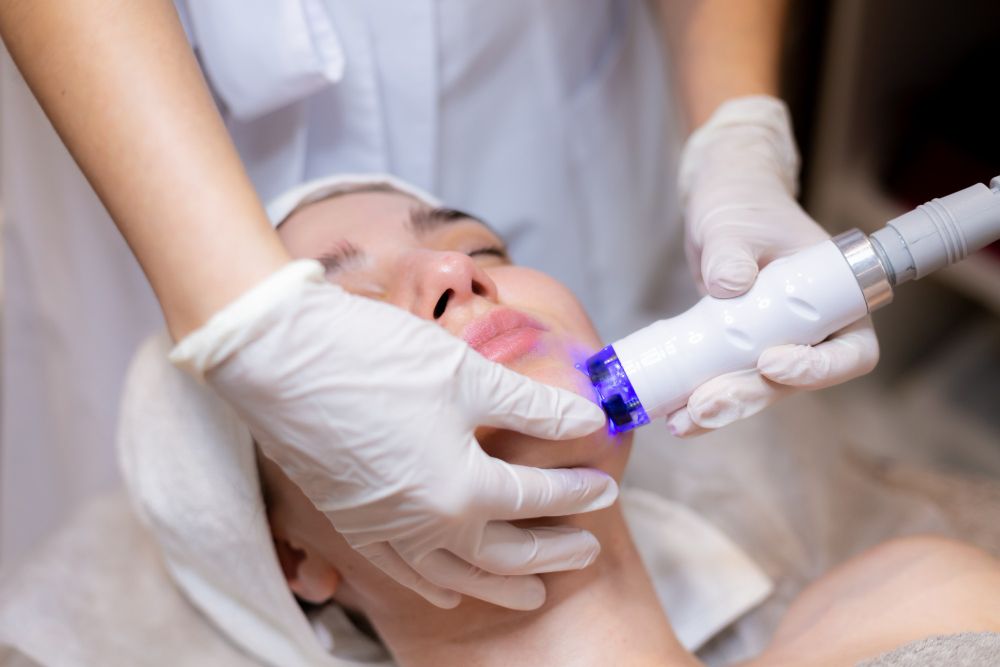
PicoCure uses both picosecond and nanosecond dual-energy pulses to precisely shatter pigment in the epidermis and deeper layers. The melanin is broken down into ultra-fine particles, making it easier for the body to clear.
This significantly improves sunspots, freckles, age spots, and even stubborn melasma.
PicoCure is also non-invasive, nearly painless, and requires minimal downtime. This greatly reduces the risk of post-inflammatory darkening—making it ideal for those seeking safe, high-efficiency brightening results.
If you want to eliminate pigmentation and restore clear, luminous skin, PicoCure may be the solution. Book a complimentary trial to experience professional results and regain your confidence.
If you’re tired of ineffective homecare and want targeted, root-cause correction, now is the perfect time to try a professional solution.
免費體驗
PicoCure Pigmentation Removal Treatment
1 Minute Self-Registration
Date should not be before minimal date
FAQ

When should I apply brightening serums for the best results?
Apply after cleansing and toner, before moisturizer. This allows the actives to penetrate effectively.
Can brightening products be used with other skincare?
Yes, but watch for ingredient conflicts. Avoid combining strong acids with other high-irritation actives.
How long does it take to see spot-fading results?
Since skin renewal takes around 28 days, visible results typically require 3–6 months of consistent use.
Besides brightening skincare, what else helps fade dark spots?
Chemical peels, vitamin C treatments, antioxidant support, and strict sun protection are all helpful. For faster results, PicoCure picosecond laser can precisely target deep pigment for more noticeable outcomes.
Why did my skin get darker after using brightening products?
Possible reasons include inadequate sun protection or irritation from overly strong products, leading to inflammation and PIH. Use gentle formulas and reinforce sun protection.