- Home
- Trend
- Weight Loss Strategies
- Acne Tips
- Hair Health Information
- Blemish Removal Tips
- Acne Scar Removal Tips
- Muscle Building Techniques
- Intimate Care Tips
- Postpartum Intimate Care
- Eye Bags Wiki
- Tips for Face Slimming
- Secret of Permanent Hair Removal
- Breast Enlargement Tips
- Cure to Snoring
- Marionette Lines
- Skin-Tightening Secrets

With dark spots multiplying across your face, whitening creams are proving useless, and you’ve resorted to heavy foundation that only worsens your skin condition. So how do you choose the right pigmentation removal treatment? What’s the difference between traditional laser, Pico Laser, and the newer “Super Pico” laser treatments? Will spots come back after Pico Laser? Is there a risk of hyperpigmentation? This article compares the most popular laser pigmentation treatments and debunks common myths!

The 3 Main Types of Pigmentation Removal Treatments
1. Traditional Laser Treatments — Nanosecond Laser
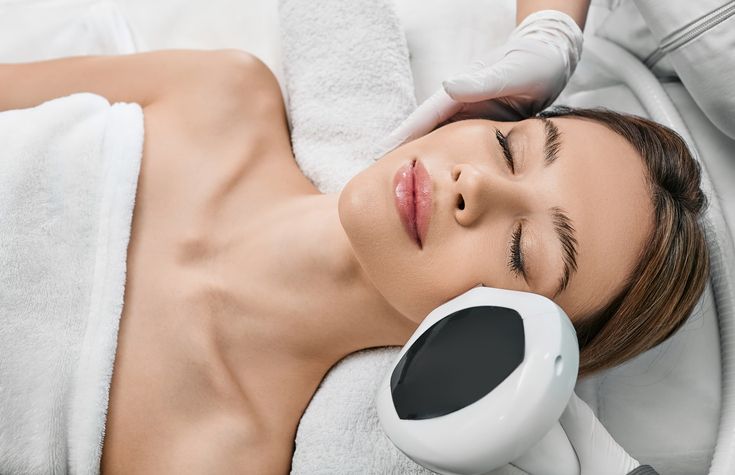
Traditional lasers use concentrated light energy to generate a photothermal effect on different layers of the skin, breaking down melanin hidden deep within. The broken-down melanin is then absorbed by the lymphatic system and naturally expelled, helping to fade pigmentation, acne scars, and discoloration.
2. Pico Laser Treatments
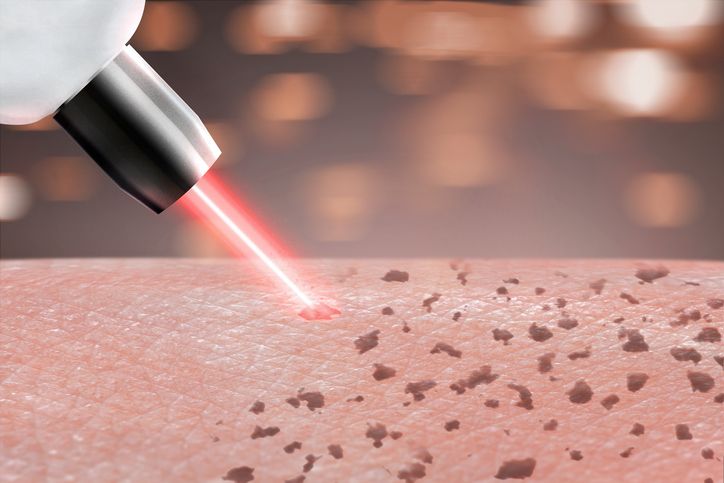
Pico Laser is a revolutionary pigmentation removal method. Unlike traditional lasers that rely on heat, it uses “photoacoustic shockwaves” with minimal thermal damage. “Pico” refers to the extremely short pulse duration—faster than nanosecond lasers—so the laser touches the skin for less than a second. It shatters melanin into dust-like particles that the body can naturally eliminate via skin metabolism. Pico Laser causes significantly less heat damage and has under a 5% chance of post-treatment hyperpigmentation. It also pulverizes pigment more effectively, making it especially suitable for stubborn melasma.
3. Chemical Peels (AHA Fruit Acids)
Yes, chemical peels are also used for pigmentation! Dermatologists frequently combine them with laser therapy. Professional-grade peels have much higher concentrations (typically over 30%) than home-use products and must be neutralized properly to avoid skin burns or sensitivity. AHAs help penetrate the dermis, accelerate exfoliation, and stimulate collagen production. For melasma or hormonal pigmentation located in deeper layers, doctors often combine chemical peels with Pico Laser to achieve optimal results.
Pico Laser Machine Comparison
| Machine Name | Country of Origin | Wavelengths | Lens Type |
|---|---|---|---|
| Discovery Pico | Italy | 1064nm / 532nm | ReFix lens |
| PicoSure | USA | 755nm / 532nm | Focus fractional |
| PicoWay | USA | 1064nm / 532nm | Holographic lens |
| Pico enLIGHTen | USA | 1064nm / 532nm | Golden lens |
| PicoCure | USA | 1064 / 650 / 585 / 532nm | Customizable |
免費體驗
PicoCure Pigmentation Removal Treatment
1 Minute Self-Registration
Date should not be before minimal date
Common Myths About Laser Pigmentation Treatments
Q1: What’s a lens? Do I need a fractional/honeycomb lens to remove spots?
Lenses, like fractional ones, concentrate laser energy more deeply—amplifying it up to 20x—and trigger LIOBs (Laser-Induced Optical Breakdown) to regenerate collagen without breaking the skin. However, fractional lenses aren't suitable for everyone. For sensitive skin, rosacea, severe acne, or complex pigmentation, the intense stimulation may worsen the condition. Only a dermatologist can determine if lenses should be used.
Q2: Is laser only for pigmentation removal?
Not at all. Both traditional and Pico Lasers stimulate collagen production by damaging aged collagen in the dermis, which encourages new growth. Benefits include minimizing pores, improving hydration, firming skin, fading acne scars, and even whitening.
Q3: Why is Pico Laser effective for melasma?
Melasma is deeply rooted and often linked to blood vessels, which react poorly to heat. Traditional lasers may worsen the problem by causing vascular dilation and triggering more melanin. Pico Laser’s low heat mechanism reduces this risk—its less than 5% chance of hyperpigmentation makes it ideal for treating melasma safely.
Q4: How long does post-laser hyperpigmentation last?
Hyperpigmentation after laser treatment is common and often temporary. It may signal that deeper melanin has surfaced and will fade over weeks or a couple of months. However, excessive laser energy or improper technique can also cause stubborn pigmentation. Recovery time varies depending on your skin tone and melanin levels.
Q5: Will my face swell or blister after Pico Laser?
Some swelling may occur, but water retention or blistering is not normal. Redness and dryness are more likely, as your skin draws moisture to support healing. Blistering usually results from treatment error or overly high energy settings—if you feel burning or pain, the session should be stopped immediately.
Q6: No scabbing = no effect?
Wrong. Scabbing isn’t a sign of success. Traditional lasers often cause scabbing on surface-level spots like freckles or sunspots due to their photothermal effect. Pico Lasers work too quickly to cause visible scabbing, especially on shallow spots—but they’re still highly effective.
Q7: What’s the difference between superficial and deep pigmentation?
Superficial pigmentation includes freckles, sunspots, age spots, and red or dark acne marks—these are on the epidermis and usually fade after 1–3 laser sessions. Deeper spots like melasma take longer to treat and may require 10–20+ sessions or combination treatments (e.g., fruit acids) for optimal results.
Q8: Are laser treatments painful?
Not particularly. You may feel a light snapping sensation, like a rubber band. Pico Laser is even milder. Post-treatment, there may be slight redness or tightness, but this subsides quickly.
Q9: Any side effects with Pico Laser?
Side effects are minimal—mild redness, tightness, and dryness are normal and can be relieved with moisturizers. Long-term side effects are rare.
Q10: Is aftercare for Pico Laser complicated?
Not at all. Just follow basic steps:
1. Wear SPF30+ sunscreen, use hats or umbrellas to avoid sun exposure.
2. Avoid extreme temperatures.
3. Don’t use exfoliants, acids, or alcohol-based products.
4. Wash with lukewarm water.
5. Stick to soothing, hydrating, non-scrubbing skincare.
6. Wait at least one month before your next session.
Q11: How do I care for scabs after laser treatment?
Do NOT pick scabs. Let them fall off naturally while keeping the skin moisturized. Picking disrupts healing, exposes skin to UV and bacteria, and may cause post-inflammatory pigmentation.
Q12: Why do some clinics not offer Pico Laser, or refuse to treat me with it?
Although Pico Laser is popular, it’s not always the best choice. For shallow or minimal pigmentation, traditional lasers may be safer—Pico’s energy could be too strong. Some clinics may suggest hybrid treatments instead (like combining Pico and nanosecond lasers), especially for people with mixed pigmentation types.
PicoCure Pigmentation Removal Treatment — 4 Wavelengths, Dual Laser Modes!
Why choose between nanosecond or picosecond lasers when you can have both? Perfect Medical’s PicoCure™ combines the benefits of both with 4 wavelengths (1064nm, 650nm, 585nm, 532nm) to target both superficial and deep pigmentation—including sunspots, melasma, and more.
This dual-mode approach starts by breaking large pigment clusters with nanosecond lasers, then shattering them further with Pico Laser to dust-like particles for faster, more complete removal. It also improves skin texture, collagen production, and overall whitening results far better than single-wavelength systems.
Limited Time Offer: Get a free trial session of the PicoCure Pigmentation Removal Treatment. Click the link to register now!
免費體驗
PicoCure Pigmentation Removal Treatment
1 Minute Self-Registration
Date should not be before minimal date
FAQ

What is PicoCure Pigmentation Removal Treatment?
A revolutionary treatment combining both picosecond and nanosecond lasers with four wavelengths to customize the most effective pigmentation solution for your skin type and spot condition.
How is it better than standard Pico Laser?
Pico Laser alone may be too strong for sensitive skin or shallow pigmentation. Super Pico uses nanosecond energy to tackle surface spots safely, then finishes with Pico for deeper precision—ideal for those with complex or mixed pigmentation.
What’s the treatment process like?
After skin analysis, your consultant will explain the process and customize a plan. A test patch is done first. During treatment, protective eyewear is provided. The lasers used vary depending on pigmentation type. The procedure is painless and non-invasive.
Are there any side effects?
Minor redness or dryness may occur but typically subsides within hours. Just hydrate well post-treatment. There are no long-term side effects.
Is the aftercare difficult?
Not at all—no wounds or scabbing are expected. Simply hydrate well, apply sun protection, and avoid direct sunlight. You’ll already see fading after your first session!