- Home
- Trend
- Weight Loss Strategies
- Acne Tips
- Hair Health Information
- Blemish Removal Tips
- Acne Scar Removal Tips
- Muscle Building Techniques
- Intimate Care Tips
- Postpartum Intimate Care
- Eye Bags Wiki
- Tips for Face Slimming
- Secret of Permanent Hair Removal
- Breast Enlargement Tips
- Cure to Snoring
- Marionette Lines
- Skin-Tightening Secrets

As pigmentation continues to increase on the face, whitening creams alone become ineffective, and heavy makeup is often needed to conceal dark spots — further worsening skin condition. With so many options available today, including traditional laser, pico laser, and ultra-pico laser treatments, what exactly are the differences? Which pigmentation-removal treatment is best suited for you? Will pigmentation return after pico laser treatment? Is rebound pigmentation possible?
This article breaks down the most popular pigmentation-removal treatments currently available and addresses the most common misconceptions surrounding laser pigmentation removal.

The Three Main Types of Pigmentation Removal Treatments
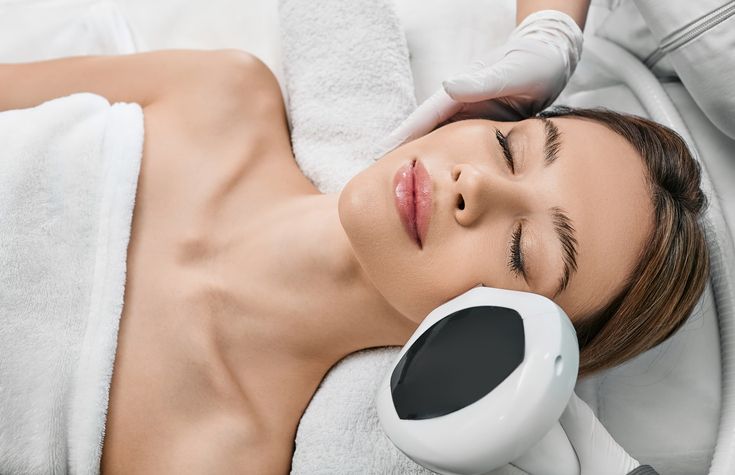
1. Traditional Laser Pigmentation Removal — Nanosecond Laser
Traditional laser pigmentation removal works by delivering concentrated laser energy to different layers of the skin, creating a photothermal effect that targets deeply embedded melanin. Once melanin absorbs the light and heat energy, it breaks down into smaller particles, which are then absorbed by the lymphatic system and naturally eliminated through metabolism. This process helps remove pigmentation, post-inflammatory hyperpigmentation, and acne marks.
2. Pico Laser Pigmentation Removal
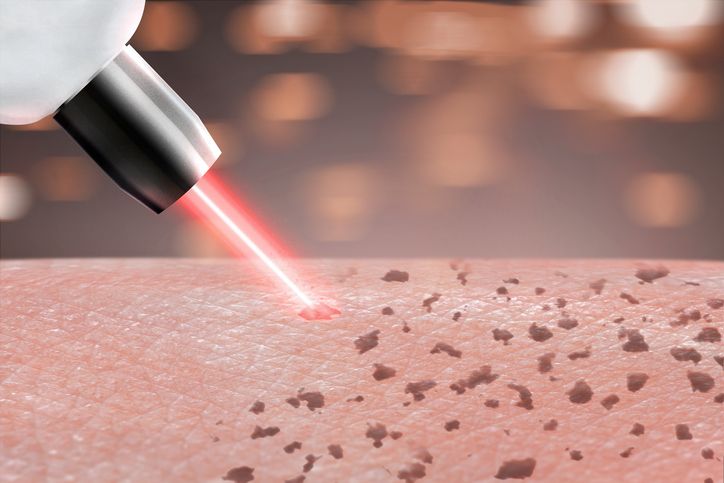
Pico laser is a revolutionary pigmentation-removal technology that works primarily through photoacoustic shockwaves, with minimal photothermal effect. “Picosecond” refers to an ultra-short time unit, significantly faster than traditional nanosecond lasers. The laser contacts the skin for less than one second, using mechanical vibration to shatter melanin into dust-like particles that are then expelled through natural metabolism.
Because pico laser generates far less heat than traditional lasers, the risk of rebound pigmentation is under 5%. It also breaks pigment into much finer particles, delivering faster and more effective results — making it particularly suitable for stubborn pigmentation such as melasma.
3. Chemical Peel (Fruit Acid) Pigmentation Removal
Yes — chemical peels are also considered pigmentation-removal treatments and are frequently used by dermatologists, either alone or in combination with lasers. Clinical-grade peels differ significantly from at-home products and typically use concentrations of 30% or higher, requiring neutralisation after application. Improper handling may cause burns or allergic reactions.
Fruit acids penetrate the dermis, accelerate exfoliation of the stratum corneum, promote skin renewal, and stimulate collagen production. They are considered a gentle pigmentation-removal method. For melasma affecting different skin depths, pico laser combined with chemical peels is often used to achieve optimal results.
Laser Pigmentation Treatments — Side-by-Side Comparison
Laser Devices
Discovery Pico
Origin: Italy
Wavelengths: 1064 nm / 532 nm
PicoSure
Origin: United States
Wavelengths: 755 nm / 532 nm
Lens: Focus Honeycomb Lens
PicoWay
Origin: United States
Wavelengths: 1064 nm / 532 nm
Lens: Holographic Lens
Pico enLIGHTen
Origin: United States
Wavelengths: 1064 nm / 532 nm
Lens: Gold Lens
PicoCure
Origin: United States
Wavelengths: 1064 nm / 650 nm / 585 nm / 532 nm
免費體驗
PicoCure Pigmentation Removal Treatment
1 Minute Self-Registration
Date should not be before minimal date
Common Myths About Laser Pigmentation Treatments
Q1. What is a lens? Is a honeycomb lens necessary for pigmentation removal?
Choosing the right pigmentation treatment depends primarily on wavelength selection and lens configuration. A honeycomb lens concentrates laser energy, allowing deeper penetration and amplifying energy up to 20 times. This induces the LIOB effect, enabling a “destroy-then-repair” mechanism that stimulates rapid collagen regeneration without surface wounds.
While results can be impressive, doctors caution that honeycomb lenses are not suitable for everyone. Due to higher energy intensity, they may overstimulate sensitive skin, rosacea-prone skin, active acne, or complex pigmentation conditions. Whether a lens should be used must be determined by a qualified doctor.
Q2. Is laser only effective for pigmentation removal?
No. Laser treatments also stimulate collagen regeneration. Both traditional and pico lasers penetrate the dermis, using controlled energy to break down aged collagen and promote new collagen growth. In addition to fading pigmentation, lasers help refine pores, improve hydration, smooth texture, brighten skin tone, and prevent future pigmentation.
Q3. Why is pico laser effective for melasma?
Melasma is one of the most challenging pigmentation conditions. Doctors carefully analyse pigment depth and distribution before selecting wavelengths, energy levels, and whether chemical peels are needed. Post-treatment, they closely monitor for rebound pigmentation.
Melasma often exists across multiple skin layers and is associated with blood vessels. Excessive heat can trigger vasodilation and stimulate melanin production, worsening pigmentation. Pico laser relies mainly on photoacoustic shockwaves with minimal heat, reducing rebound pigmentation risk to under 5%, making it a preferred option for melasma.
Q4. How long does post-laser darkening take to fade?
Temporary darkening or rebound pigmentation may occur after laser treatments. This can be normal, as fragmented melanin rises to the surface before fading over weeks to two months. Alternatively, excessive energy settings may overstimulate the skin and cause pigmentation buildup.
Most cases resolve within weeks to two months, depending on individual skin type, tone, and melanin activity.
Q5. Will laser or pico laser cause swelling or blisters?
Mild facial swelling may occur after treatment, but significant edema or blistering is not normal. In fact, laser stimulation often draws moisture away from the skin to support cellular repair, leading to dryness and tightness. Intensive hydration is recommended post-treatment.
Blistering is a medical accident caused by improper operation or excessive energy. If intense burning or pain occurs during treatment, it should be stopped immediately.
Q6. Does the absence of scabbing mean the treatment is ineffective?
No. Scabbing is not a measure of effectiveness. Traditional lasers use photothermal effects and may cause superficial pigment to crust. Pico lasers act too quickly to cause surface scabbing, yet both are effective for superficial pigmentation.
Q7. What is superficial vs. deep pigmentation?
Superficial pigmentation includes freckles, sunspots, age spots, and acne marks. These often respond well within 1–3 sessions and may fully resolve within 6–8 treatments.
Melasma is deep-layer pigmentation and requires longer treatment courses — often 10–20 sessions — sometimes combined with chemical peels for best results.
Q8. Is laser treatment painful?
Laser treatments feel like a mild rubber-band snap. Pico laser sensations are even lighter. Most people tolerate treatments well. Mild redness, tightness, or numbness may occur briefly post-treatment.
Q9. Are there side effects with pico laser treatment?
Laser technology is mature, with minimal short-term effects and almost no long-term risks. Temporary redness, tightness, dryness, and itching may occur due to accelerated metabolism and moisture loss. These resolve with proper hydration.
Q10. Is post-pico laser care complicated?
No.
Pico laser causes minimal heat damage and preserves surrounding tissue. Post-treatment care includes:
1. Strict sun protection, including hats or umbrellas
2. Avoid extreme temperatures
3. Avoid exfoliating or whitening products until recovery
4. Use lukewarm water for cleansing
5. Use gentle, hydrating, anti-inflammatory skincare
6. Space laser treatments at least one month apart
Q11. How should scabs or minor wounds be cared for?
Do not pick scabs — this is critical. Scabs protect healing skin. Removing them exposes fragile skin to UV damage and inflammation, increasing pigmentation risk. Keep skin hydrated and allow scabs to fall off naturally.
Q12. Why do some clinics refuse pico laser treatment?
Despite pico laser’s popularity, it is not always the best option. For mild, superficial pigmentation, pico laser energy may be excessive and overstimulating. Responsible practitioners may recommend traditional laser or ultra-pico hybrid treatments instead.
Ultra-pico treatments combine nanosecond and picosecond lasers, allowing customised treatment for mixed pigmentation types by using the safest and most effective energy combinations.
PicoCure Pigmentation Removal Treatment: Four Wavelengths · Dual Pico & Nano Laser Technology
PicoCure is the world’s only pigmentation-removal system combining four wavelengths with dual picosecond and nanosecond lasers. Practitioners analyse pigmentation type and depth, first breaking down large pigment clusters with nanosecond laser, then refining them into dust-like particles using pico laser for faster, longer-lasting results.
With wavelengths of 1064 nm, 650 nm, 585 nm, and 532 nm, PicoCure treats both superficial and deep pigmentation, including sunspots, age spots, and melasma. It delivers superior brightening, collagen stimulation, and skin-firming results beyond single-wavelength systems.
免費體驗
PicoCure Pigmentation Removal Treatment
1 Minute Self-Registration
Date should not be before minimal date
FAQ

What is ultra-pico pigmentation removal?
Ultra-pico technology combines pico and nanosecond lasers with four wavelengths to target all pigmentation depths. It breaks down pigment efficiently while improving skin tone, pores, and firmness.
How does ultra-pico compare to pico laser alone?
High-energy pico laser is not suitable for everyone, particularly sensitive, acne-prone, or rosacea-prone skin. Ultra-pico offers greater flexibility and safety by combining multiple wavelengths and energy types.
What is the treatment process?
A professional skin analysis is performed, followed by customised wavelength and energy selection. Energy testing is conducted beforehand, protective eyewear is provided, and the treatment is non-invasive and painless. Post-treatment care is explained, and follow-up sessions are scheduled.
Are there side effects?
Temporary redness, dryness, or tightness may occur but resolve within hours with hydration. The treatment is non-invasive and has no long-term side effects.
Which ultra-pico laser is best?
Look for comprehensive wavelength coverage and the ability to treat both superficial and deep pigmentation. PicoCure’s four-wavelength system delivers more stable and long-lasting results.