- Home
- Trend
- Weight Loss Strategies
- Acne Tips
- Hair Health Information
- Blemish Removal Tips
- Acne Scar Removal Tips
- Muscle Building Techniques
- Intimate Care Tips
- Postpartum Intimate Care
- Eye Bags Wiki
- Tips for Face Slimming
- Secret of Permanent Hair Removal
- Breast Enlargement Tips
- Cure to Snoring
- Marionette Lines
- Skin-Tightening Secrets

When it comes to pigmentation-removal solutions, technologies such as the 1064 laser and picosecond laser are undoubtedly among the most effective options available. However, picosecond lasers come in multiple wavelengths, each designed to target specific skin concerns with greater precision. Most people have limited understanding of how each wavelength works, which makes it difficult to make an informed choice.
Different picosecond wavelengths provide different therapeutic effects depending on the type and depth of pigmentation. Choosing the correct wavelength for your unique condition is therefore crucial. In this guide, we will explain how picosecond lasers work, their key benefits, the characteristics of each wavelength, and why the 1064 laser stands out as a top performer.

Science Behind the “Pigmentation Savior”: How Picosecond Lasers Work, and Their Advantages Over Traditional Lasers
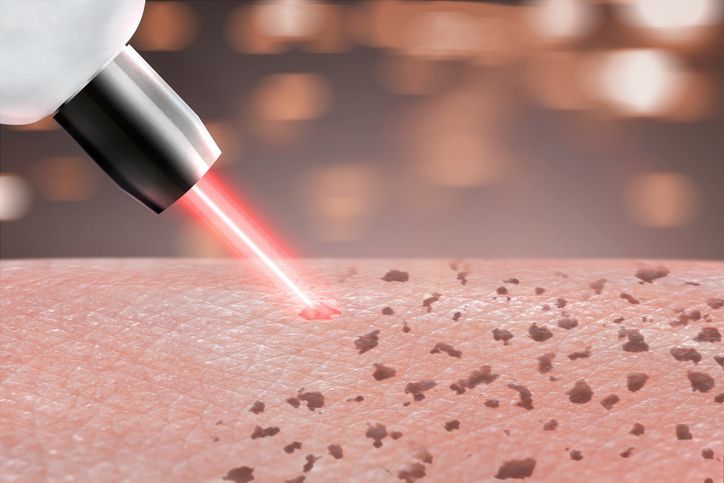
The picosecond laser is an advanced technology that releases high-energy light pulses within an extremely short time frame — at the picosecond level (10^-12 seconds). Compared with traditional nanosecond lasers, picosecond pulses are significantly shorter and more intense, making the treatment more efficient and more targeted.
These ultra-short pulses precisely break apart melanin particles into tiny fragments, which are then gradually eliminated through the body’s natural metabolic processes. This mechanism is non-thermal; the energy is released so quickly that surrounding tissue has almost no time to absorb heat, minimizing damage to adjacent skin. At the same time, the high-energy pulses stimulate skin cells at deeper layers, encouraging collagen regeneration and improving elasticity and texture.
Picosecond lasers are widely used for concerns such as pigmentation, acne scars, signs of aging, and tattoo removal. Their precision and effectiveness make them a leading solution in aesthetic dermatology.
However, each wavelength — 1064nm, 532nm, and 755nm — performs differently, as each penetrates to different depths and is absorbed by different chromophores in the skin. Assessing the depth and type of pigmentation is essential before selecting the appropriate wavelength for treatment. Next, we will explore the characteristics and functions of the three most common wavelengths.
The Multi-Action Benefits of Picosecond Lasers: Pigmentation Removal, Anti-Aging, Pore Refinement, Acne Scars, and Even Vascular Concerns

Picosecond lasers deliver a wide range of skin-improving benefits, including:
1. Pigmentation and Melanin Reduction
Picosecond lasers precisely target melanin particles, breaking them apart and helping fade various pigmentation issues such as freckles, age spots, sunspots, and melanin deposition.
2. Wrinkle Reduction and Anti-Aging
By stimulating collagen regeneration, picosecond lasers help tighten the skin, smooth fine lines, and restore elasticity for a younger appearance.
3. Acne Scar Treatment
Picosecond technology activates the skin’s natural repair mechanism, improving the appearance of acne pits and atrophic scars.
4. Pore Refinement
Specific wavelengths help shrink enlarged pores and improve overall skin smoothness and texture.
5. Treatment of Varicose Veins and Vascular Concerns
Picosecond lasers can treat facial and leg vascular dilation. Their energy precisely targets problematic vessels with minimal impact on surrounding tissues, enabling quicker recovery and reducing visible redness or vessel expansion.
6. Tattoo Removal
Picosecond lasers are highly effective at breaking apart deep or stubborn tattoo pigments. Over multiple sessions, the fragmented pigment is metabolized, causing tattoos to fade progressively.
7. Skin Tone Balancing
Picosecond lasers effectively reduce uneven pigmentation and improve overall clarity, helping the complexion appear more even and luminous.
免費體驗
PicoCure Pigmentation Removal Treatment
1 Minute Self-Registration
Date should not be before minimal date
Comparing the 1064nm, 532nm, and 755nm Wavelengths: Understanding the Differences From Three Key Perspectives
Picosecond laser treatments typically involve three wavelengths, each suited for specific pigmentation types.
1. 1064nm Wavelength
Best for: freckles, dark spots, acne scars, wrinkles, and deep pigmentation
How it works: penetrates deeper into the dermis to break down deep melanin
Ideal for: treating deeper pigmentation issues with high precision
2. 532nm Wavelength
Best for: superficial pigmentation, such as lighter freckles and surface-level spots
How it works: targets pigment located closer to the skin surface
Ideal for: red-brown superficial spots, including age spots and café-au-lait patches
3. 755nm Wavelength
Best for: tattoo removal, especially colorful tattoos
How it works: breaks apart tattoo pigments effectively
Ideal for: pigment removal rather than traditional pigmentation treatment
Choosing the right wavelength depends greatly on the type, depth, and color of your pigmentation. A professional assessment ensures the most effective wavelength is selected.
Why Is the 1064 Laser the Most Popular Choice? A Detailed Breakdown of Its 5 Major Advantages
The 1064 wavelength offers several distinct advantages over 532nm and 755nm:
1. Deep Penetration
It reaches deep into the reticular dermis, making it highly effective for stubborn deep pigmentation.
2. Targets Deep Melanin
It is particularly effective for dark or deeply embedded pigment particles (including dark tattoos), fragmenting them safely and efficiently.
3. Minimal Light Scattering
Less scattering means the energy stays concentrated on the target area, enhancing precision and minimizing impact on surrounding tissue.
4. Lower Thermal Effect and Reduced Discomfort
The 1064 wavelength interacts less with water molecules, minimizing heat absorption and reducing discomfort during treatment. This also lowers the risk of inflammation, excessive heat, or post-treatment irritation.
5. Suitable for All Skin Types
The 1064 laser is safe for darker and sensitive skin, as its penetration bypasses the epidermis more effectively and reduces the risk of burns, irritation, or hyperpigmentation.
Overall, the 1064 wavelength is an excellent option for deep pigmentation and for patients seeking a safer and more comfortable experience across various skin types.
Perfect Medical PicoCure Pigmentation Removal Treatment: Picosecond + Nanosecond Technology With 4 High-Energy Wavelengths
Perfect Medical’s PicoCure Pigmentation Removal Treatment integrates the advantages of both picosecond and nanosecond lasers, using four wavelengths — 1064nm, 650nm, 585nm, and 532nm — to address pigment at multiple depths.
The treatment first uses nanosecond pulses to break apart large, stubborn pigment clusters, then uses picosecond pulses to further shatter them into microscopic particles, which are naturally metabolized over time. This dual-action system enhances whitening, brightening, and collagen regeneration far beyond what single-wavelength devices can achieve.
PicoCure is performed by trained professionals, requires minimal downtime, and offers personalized treatment planning. It is suitable for freckles, melasma, sunspots, age spots, acne marks, vascular issues, and even tattoo removal.
免費體驗
PicoCure Pigmentation Removal Treatment
1 Minute Self-Registration
Date should not be before minimal date
FAQ

What are the limitations of the 1064 laser?
Although highly effective, the 1064 laser may cause mild discomfort during treatment, especially over large areas. Some patients may experience temporary redness, swelling, or darkening that fades over time. Multiple sessions are often required for deep scarring or stubborn pigmentation, and the treatment may be more costly compared with other options.
Is the 1064 laser safe?
Yes — when performed by trained professionals using appropriate settings. Proper skin assessment and parameter adjustment are essential to minimize risks. Although generally safe, all laser treatments carry potential side effects, so consultation with an experienced practitioner is recommended.
How should I prepare before treatment?
A professional skin assessment is typically required to determine pigmentation depth, skin type, and treatment suitability. You may be asked about allergies, medical history, and sun exposure. Pre-treatment guidelines may include avoiding UV exposure to ensure optimal results and safety.
Will the 1064 laser cause hyperpigmentation or hypopigmentation?
Normally, no. The 1064 wavelength targets melanin selectively without damaging surrounding normal pigmentation, making it one of the safest wavelengths for preventing rebound pigmentation.
Is there a better pigmentation-removal method than the 1064 laser?
For deeper or more stubborn pigmentation, or for faster and more noticeable results, the Perfect Medical PicoCure Picosecond Treatment may be more effective. Its ultra-short pulses and multi-wavelength technology break apart melanin more efficiently, reduce downtime, and minimize rebound pigmentation.