- Home
- Trend
- Weight Loss Strategies
- Acne Tips
- Hair Health Information
- Blemish Removal Tips
- Acne Scar Removal Tips
- Muscle Building Techniques
- Intimate Care Tips
- Postpartum Intimate Care
- Eye Bags Wiki
- Tips for Face Slimming
- Secret of Permanent Hair Removal
- Breast Enlargement Tips
- Cure to Snoring
- Marionette Lines
- Skin-Tightening Secrets

When it comes to pigmentation removal treatments, technologies like the 1064nm laser and picosecond lasers (pico lasers) are among the most effective options available. However, pico lasers typically operate at different wavelengths to address various skin concerns with precision. Most people have limited knowledge about how different laser wavelengths work, making it difficult to choose the most suitable one. In fact, each wavelength offers unique therapeutic benefits for different types of pigmentation. That’s why choosing the right wavelength for your specific skin condition is crucial. In this article, we’ll explain how pico lasers work, their benefits, and the distinct characteristics of each wavelength—plus why the 1064nm laser stands out in treating deep pigmentation and stimulating collagen growth.

The Science Behind the "Pigmentation Savior": How Do Pico Lasers Work—and Why Are They Better Than Traditional Lasers?
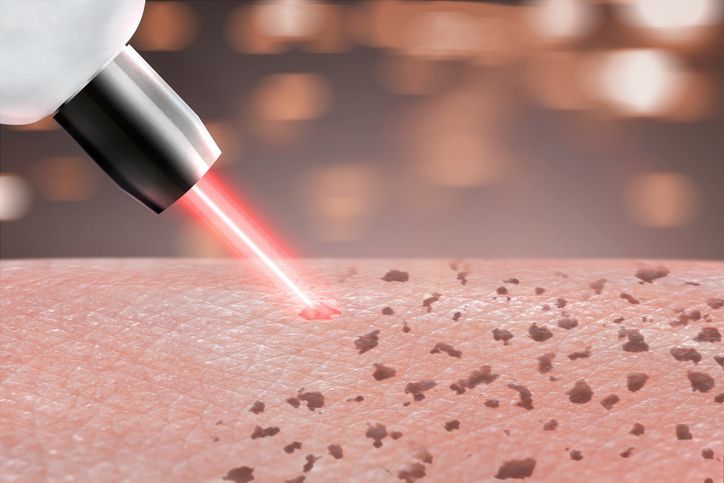
Pico lasers are an advanced laser technology that work by delivering high-energy light pulses in extremely short bursts—measured in picoseconds (one trillionth of a second, or 10⁻¹² seconds). Compared to traditional nanosecond lasers, pico lasers have significantly shorter pulse durations and higher peak energy, making them especially effective in skincare and dermatological treatments.
These ultra-short energy bursts can accurately target melanin (pigment) particles in the skin, breaking them into tiny fragments that are later metabolized and expelled by the body. Since this process happens so quickly, it produces minimal heat, thereby reducing the risk of damage to surrounding skin tissue. In addition to breaking up pigmentation, pico lasers also stimulate collagen production deep within the skin, enhancing elasticity and overall skin texture.
Pico lasers are widely used to treat various skin concerns such as pigmentation, acne scars, signs of aging, and even tattoos. Thanks to their effectiveness and versatility, they’ve become a go-to treatment in aesthetic dermatology.
It’s important to note that not all pico lasers are the same—different wavelengths (1064nm, 532nm, and 755nm) are absorbed by different layers and types of skin tissue. Before beginning treatment, a proper assessment of the depth and type of pigmentation is essential to determine the most appropriate wavelength. This tailored approach ensures precision and maximizes treatment results. Below, we’ll explore the unique properties and benefits of each of the three most common pico laser wavelengths.
Versatile Benefits of Pico Lasers: From Pigmentation Removal to Anti-Aging and Even Varicose Veins

Pico lasers offer multiple therapeutic benefits across the cosmetic and medical fields. Key applications include:
1. Pigmentation and Dark Spot Removal
One of the most popular uses of pico lasers is to treat pigmentation issues such as freckles, sunspots, age spots, and melasma. The high-energy pulses precisely break down melanin clusters in the skin, allowing them to be metabolized and eliminated.
2. Reducing Wrinkles and Signs of Aging
Pico lasers also promote collagen regeneration, helping to tighten the skin, improve elasticity, and smooth out fine lines and wrinkles—giving the skin a more youthful appearance.
3. Acne Scar Treatment
Pico lasers are particularly effective for treating acne scars, including pitted and indented scars. Their high-energy, ultra-short pulses trigger the skin’s natural healing response and enhance skin texture over time.
4. Pore Minimization
Pico lasers can help shrink enlarged pores, leading to smoother, more even-looking skin.
5. Treating Varicose Veins and Broken Capillaries
Pico lasers can target vascular issues such as facial redness or spider veins on the legs. The laser energy breaks down dilated blood vessels without significantly damaging surrounding tissues, speeding up recovery and improving visible redness or capillaries.
6. Tattoo Removal
Pico lasers are widely used to remove tattoos by targeting and breaking down pigment particles in the ink. Over multiple sessions, the body naturally flushes out these particles, causing the tattoo to fade.
7. Evening Out Skin Tone
By reducing pigmentation and correcting uneven skin tone, pico lasers help restore a more uniform and radiant complexion.
免費體驗
PicoCure Pigmentation Removal Treatment
1 Minute Self-Registration
Date should not be before minimal date
Understanding the Differences Between 1064nm, 532nm, and 755nm Pico Laser Wavelengths
When treating pigmentation, three pico laser wavelengths are most commonly used: 1064nm, 532nm, and 755nm. Each targets different pigment depths and colors, making the right wavelength crucial to treatment success.
1. 1064nm Wavelength
• Best for: Deep pigmentation, freckles, dark spots, acne scars, wrinkles.
• How it works: Penetrates deep into the dermis to break down embedded melanin without harming surrounding tissue.
• Effectiveness: Highly effective for treating deeply rooted pigmentation and darker skin tones.
2. 532nm Wavelength
• Best for: Superficial pigmentation like freckles and light sunspots.
• How it works: Targets melanin closer to the skin’s surface.
• Effectiveness: Ideal for red or brown spots such as age spots or café-au-lait spots on the epidermis.
3. 755nm Wavelength
• Best for: Tattoo removal, especially for colored tattoos.
• How it works: Breaks down tattoo pigments for gradual fading.
• Effectiveness: Excellent for ink removal, but less effective for skin issues like melasma or acne scars.
Choosing the right wavelength depends on the type, depth, and color of pigmentation. A consultation with a dermatologist or skin specialist is strongly recommended before treatment.
Why Is the 1064nm Wavelength the Most Popular Choice? 5 Advantages Explained
Compared to 532nm and 755nm wavelengths, the 1064nm laser stands out with several unique advantages:
1. Deep Skin Penetration
The 1064nm laser can reach the deeper layers of the dermis, making it ideal for treating deep-seated pigmentation that other wavelengths can’t reach.
2. Targets Deep Melanin Clusters
It’s especially effective at breaking down deeply embedded pigment particles like those found in dark tattoos or stubborn melasma.
3. Minimal Light Scattering
This wavelength experiences less light scattering, meaning the laser energy can stay focused on the target area for more accurate treatment with fewer side effects.
4. Lower Risk of Heat Damage
The 1064nm wavelength interacts less with skin moisture, reducing heat buildup and making the treatment more comfortable with minimal skin irritation.
5. Safe for a Wider Range of Skin Types
This laser is well-tolerated by darker and more sensitive skin types, unlike 532nm or 755nm lasers, which may cause overheating or side effects in these patients.
Thanks to these features, the 1064nm wavelength is an excellent choice for treating deep pigmentation while minimizing discomfort and risks.
PicoCure by Perfect Medical: A Next-Level Picosecond Laser Treatment Using 4 Wavelengths for Ultimate Results
Still unsure which wavelength is right for you? No worries—Perfect Medical’s PicoCure Pigmentation Removal Treatment combines the benefits of both nanosecond and picosecond lasers across four wavelengths (1064nm, 650nm, 585nm, and 532nm) to treat a wide range of pigmentation issues at various skin depths.
Here’s how it works: nanosecond lasers first shatter large, stubborn melanin clusters, and then picosecond lasers further break them down into micro-particles that are naturally expelled through metabolism. At the same time, the treatment stimulates high-quality collagen production to improve skin texture and radiance.
PicoCure delivers better whitening, pigmentation removal, and rejuvenation than traditional single-wavelength lasers. All treatments are performed by professional medical staff, ensuring safety, effectiveness, and minimal downtime—so you can return to daily life quickly.
Whether you're targeting freckles, hormonal melasma, sunspots, age spots, acne marks, spider veins, or tattoos, PicoCure offers a powerful, tailored solution. Want a free trial? Click the link below to register and book your session now!
免費體驗
PicoCure Pigmentation Removal Treatment
1 Minute Self-Registration
Date should not be before minimal date
FAQ

What are the drawbacks of the 1064nm laser?
Though effective, it may cause mild discomfort during treatment, especially over large areas. Some patients may experience temporary swelling or darkening post-treatment. Multiple sessions are often needed for optimal results, which may increase cost and time.
Is the 1064nm laser safe?
Generally, yes. It’s a non-invasive treatment widely regarded as safe when performed by trained professionals. However, a consultation is essential to adjust settings based on your skin type and condition.
How should I prepare for treatment?
You’ll need a professional skin evaluation to identify your skin type and problem severity. Also, avoid sun exposure before treatment and disclose any allergies or medical conditions.
Will the 1064nm laser cause hyperpigmentation or hypopigmentation?
Usually not. The wavelength targets only abnormal melanin deposits, minimizing the risk of post-treatment darkening or whitening.
What’s the cost of a 1064nm laser treatment?
Costs vary by clinic, treatment area, and region. On average, it may range from a few hundred to a few thousand dollars per session.