- Home
- Trend
- Weight Loss Strategies
- Acne Tips
- Hair Health Information
- Blemish Removal Tips
- Acne Scar Removal Tips
- Muscle Building Techniques
- Intimate Care Tips
- Postpartum Intimate Care
- Eye Bags Wiki
- Tips for Face Slimming
- Secret of Permanent Hair Removal
- Breast Enlargement Tips
- Cure to Snoring
- Marionette Lines
- Skin-Tightening Secrets

For many women, waxing is both tempting and intimidating. Yes, it can be painful – but it removes hair straight from the root, leaving skin smooth for weeks. If you’re dreaming of fuzz-free skin but dread the pain, you might wonder: are there safer, gentler alternatives to waxing?

How Does Waxing Work? Which Areas Can You Wax?
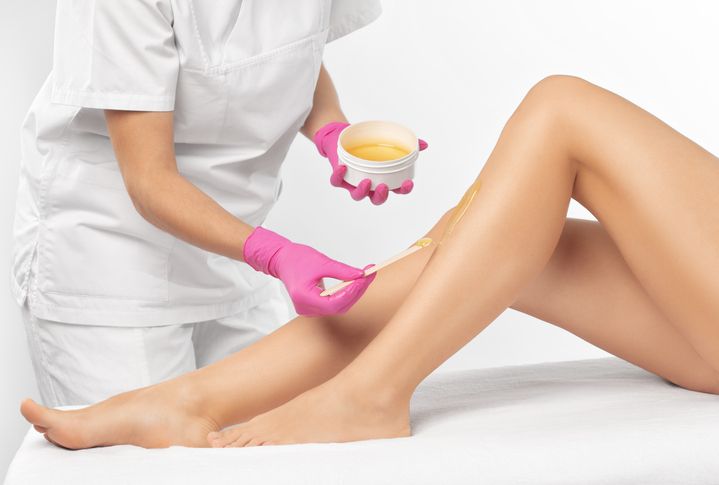
The concept is simple: waxing pulls hair out from the root for a truly clean, smooth finish. Warm wax is applied to the target area, gripping the hair tightly. A strip is pressed over the wax, and when it’s swiftly pulled away – voila! – the hair comes out with it.
It works similarly to tweezing, but is much more efficient for large areas like the back, arms, and legs. For small zones such as underarms, fingers, upper lip, or brows, you can even skip the strip – just apply a thicker layer of wax, wait for it to set, then peel it off directly.
Waxing is also a popular choice for bikini lines, as it removes hair from intimate areas, reducing odor and bacteria growth. Over time, consistent waxing can make hair finer, softer, and easier to maintain.
Why Do People Still Choose Waxing Despite the Pain?
We know – the idea of ripping a strip off your skin sounds scary. That sharp sting can be enough to make some people yelp! But there are real benefits to waxing that keep loyal fans coming back.
1. Super Smooth Results
Waxing removes both the hair and the root, leaving skin silky-smooth with no stubble. Unlike razors or depilatory creams, it prevents the “black dot” look from hair shafts under the skin.
2. Finer, Softer Regrowth
Because hair is pulled from the follicle, new growth tends to be finer and less noticeable – perfect for those not ready for or hesitant about laser hair removal.
3. Less Frequent Hair Removal Over Time
With consistent waxing, regrowth can become sparse and lighter in color, meaning you can go longer between sessions.
免費體驗
A3 Laser Hair Removal Treatment
1 Minute Self-Registration
Date should not be before minimal date
Choosing the Right Wax for You
Before you rush to add wax kits to your online cart, let’s break down the two main types:
Soft Wax (Cold Wax)
Made with honey, resin, and sugar, soft wax is spread onto a strip and pressed onto the skin, then removed after 10–15 seconds. It’s beginner-friendly – any accidental mess can be wiped away with water or a wet tissue. Pre-made wax strips are also available for easy use.
Downside: it can be more painful since it adheres to both hair and skin.
Hard Wax (Warm Wax)
Often used in professional salons, hard wax is made from wax beads melted into a warm, spreadable form. The heat opens pores and softens hair, making removal less painful – great for coarse, short hairs.
Downside: once applied, it must be peeled off after it cools – you can’t just wipe it away if it gets on the wrong spot.
Beginner Waxing Tips – The “Golden Rules” for a Better Experience
Thinking of trying waxing at home but worried about the pain? Follow these tips to ease into it:
1. Start Small
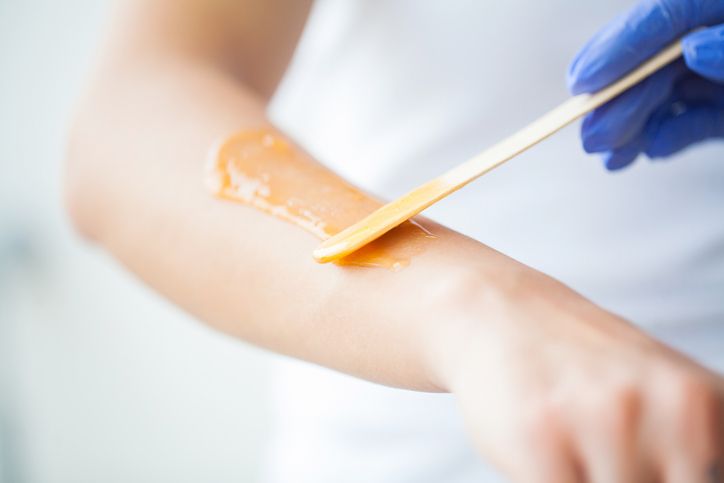
Don’t begin with large areas like legs or arms – try a small patch on your inner forearm first to get used to the sensation.
2. Exfoliate Before Waxing
This step is crucial! Dead skin buildup can trap hairs and cause ingrown hairs or even folliculitis. A gentle scrub before waxing helps prevent this and promotes healthy circulation.
3. Use Wax Meant for the Right Body Area
Regular soft wax works for large areas, but for sensitive zones like bikini, underarms, or face, choose formulas designed specifically for delicate skin.
4. Ditch the Razor
If you’re committing to waxing, stop shaving. Shaving blunts hair tips, making ingrowns more likely. For your first wax, let hair grow to about 0.5–1cm so the wax can grip effectively.
5. Apply With the Hair, Remove Against It
Spread wax in the direction of hair growth, press the strip, then pull it off quickly against the growth. Always pull close to the skin – not upward – to avoid breaking hair and causing ingrowns.
Waxing Q&A: How to Remove Hair Painlessly and Effectively?
If you ask 10 women, at least 9 will have questions about waxing but can’t find a reliable person to ask. This time, we’re here to answer all your burning questions about waxing!
1. How should I care for my skin after waxing?
The golden rule for post-wax care is simple: keep it simple. Waxing already causes a certain level of irritation to the skin—especially since it pulls hair out from the root. The best care is to replenish moisture using gentle, low-sensitivity lotions containing aloe vera or chamomile, and avoid sun exposure. Skip whitening body lotions for now and only use them once your skin has fully recovered.
2. Can sensitive skin be waxed?
Many believe waxing is too harsh for sensitive skin—but not necessarily! If you use the right products and proper removal technique, it won’t overly irritate the skin. Choose wax products free of alcohol, fragrances, or other potential irritants—or go for all-natural, chemical-free options for a gentler experience.
3. Does waxing always hurt?
Waxing does involve some pain, especially the first time, so be mentally prepared. Since the hair and follicle are pulled out together, there’s no completely painless way. That said, many regular waxers report the discomfort decreases significantly after a few sessions once you get used to the sensation.
4. How long should I wait between waxing sessions?
Hair can start growing back in 2–3 weeks. Initially, waxing gives an immediate smooth result, and for long-lasting effects, once a month is ideal. Over time, hair grows back finer and less noticeable, so you may only need a session every 2–3 months.
5. How long does waxing last?
Hair’s natural growth cycle is about 28 days, so results typically last 3–4 weeks. The ideal frequency depends on your hair growth rate and how much regrowth you’re comfortable with. For sensitive areas like the bikini line or upper lip, it’s best to wait around 2 months before your next session. For areas like underarms, legs, or arms, about a month is fine.
6. Do I need to shave before waxing?
Yes—leave about 0.5–1 cm of hair for best results. You can lightly trim or shave about a week before your waxing appointment so the wax can grip the hair properly.
7. Does waxing have any downsides?
No hair removal method is perfect, and waxing is no exception. The biggest drawbacks are the pain and the risk of ingrown hairs. Improper removal technique—like pulling the strip upwards instead of parallel to the skin—can break hairs under the skin, leading to bumps or dark dots. In severe cases, this can cause folliculitis (inflammation of the hair follicle).
8. Which is better—waxing or laser hair removal?
Laser hair removal uses concentrated light energy to target the melanin in hair follicles, gradually weakening their ability to grow hair—eventually leading to permanent results.
Compared to waxing, laser treatments offer more benefits: minimal pain (especially with cooling technology), reduced pigmentation issues, and prevention of ingrown hairs by stopping growth at the source.
Many beauty centres in Hong Kong offer laser hair removal. For example, Perfect Medical’s A3 Laser Hair Removal Treatment is designed for Asian skin, using 808 nm wavelength laser to target melanin in the follicle and reduce blood supply to it—effectively “sterilising” the follicle.
If you want to avoid waxing pain and the risk of ingrown hairs, you can try a laser hair removal course. Right now, Perfect Medical is offering an exclusive limited-time A3 Laser Hair Removal Treatment Trial—sign up easily to enjoy 6 sessions at a special price, plus a complimentary professional hair analysis. For a painless, thorough way to remove hair and boost your confidence in sleeveless outfits, the A3 laser treatment is your go-to solution!
免費體驗
A3 Laser Hair Removal Treatment
1 Minute Self-Registration
Date should not be before minimal date
FAQ

Which products should I avoid after waxing?
After waxing—especially with methods like honey wax that pull hair out from the root—your skin will already be mildly irritated. The best approach is to keep your routine simple: replenish moisture using gentle, low-sensitivity lotions containing aloe vera or chamomile, and avoid sun exposure. Skip whitening body lotions for now, and only use them once your skin has fully recovered.
Does waxing give long-lasting results?
Hair’s natural growth cycle is around 28 days, so the smooth effect from waxing usually lasts 3–4 weeks. How often you need a session depends on your hair growth speed and how much regrowth you can tolerate. For sensitive areas like the bikini line or upper lip, it’s best to wait around 2 months before waxing again. For areas like underarms, legs, or arms, about a month is usually fine.
Which areas can be waxed?
Waxing is versatile and works on many areas—from large ones like the back, arms, and calves to smaller areas like underarms, fingers, upper lip, and even eyebrows. For smaller zones, thick wax can be applied without a strip—once it dries, simply peel it off to remove the hair. Waxing is also popular for bikini lines, as it helps reduce odour and bacterial growth. Since it removes hair from the root, it can make hair grow back finer over time, reducing maintenance.
Can waxing cause ingrown hairs?
Yes, waxing has a high chance of causing ingrown hairs, and in more severe cases, folliculitis (inflammation of the follicle). This usually happens if the removal technique is wrong—for example, pulling the strip upward instead of parallel to the skin—which can break hairs below the surface. These broken hairs may continue growing under the skin, creating raised bumps or dark dots.
Which is better—waxing or laser hair removal?
Laser hair removal offers several advantages over waxing. It’s generally less painful—especially when using devices with cooling systems, which can make the process nearly painless. Laser targets melanin in the skin, helping reduce pigmentation and preventing ingrown hairs by stopping growth at the source. If you’re sensitive to pain or prone to ingrown hairs, laser hair removal may be the better choice.