- Home
- Trend
- Weight Loss Strategies
- Acne Tips
- Hair Health Information
- Blemish Removal Tips
- Acne Scar Removal Tips
- Muscle Building Techniques
- Intimate Care Tips
- Postpartum Intimate Care
- Eye Bags Wiki
- Tips for Face Slimming
- Secret of Permanent Hair Removal
- Breast Enlargement Tips
- Cure to Snoring
- Marionette Lines
- Skin-Tightening Secrets

Have you ever experienced those tiny red bumps or pimples after shaving or plucking hair? That might be ingrown hairs.
Ingrown hairs are a common problem for people who remove hair themselves using razors or tweezers. If not handled properly, they can cause itchiness, redness, swelling, and even lead to folliculitis — leaving behind unwanted scars.
If you want to keep your hair-removal routine pain-free and bump-free, it’s time to understand exactly what causes ingrown hairs and how to prevent them.

What Are Ingrown Hairs?
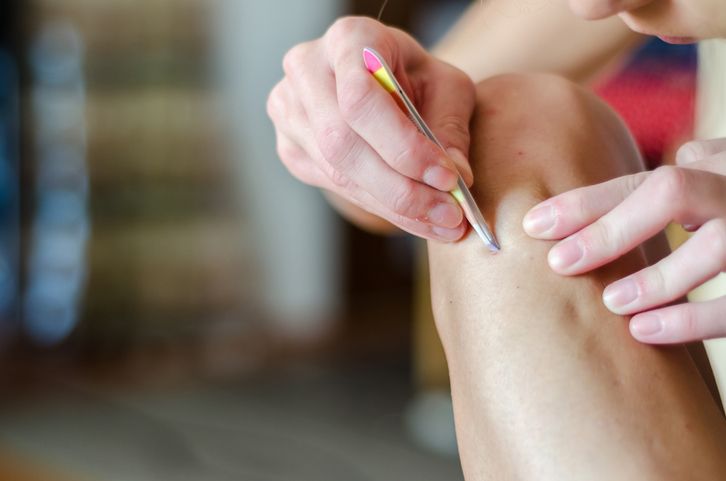
Normally, hair grows outwards from the follicle. With ingrown hairs, the hair curls back into the follicle instead — essentially getting trapped under the skin. This forms small, raised bumps that can be slightly tender or itchy.
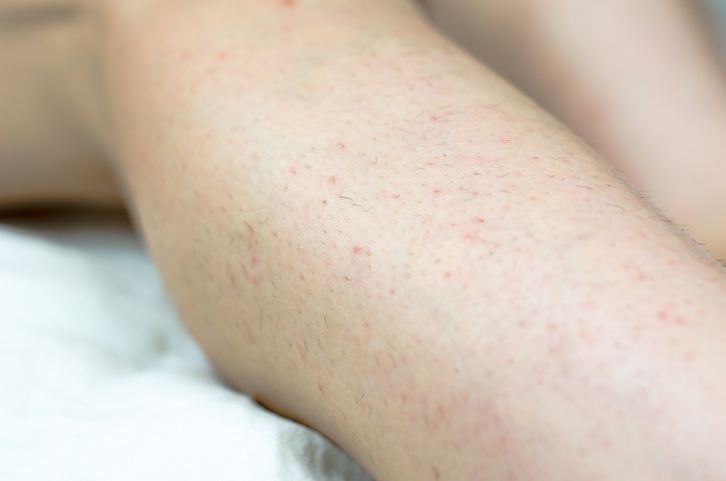
Ingrown hairs are especially common in women who frequently shave or pluck. Over time, you may notice tiny red bumps after hair removal, with hair trapped underneath the skin. No matter how much you scrub or exfoliate, they just won’t go away — and they can be frustrating.
While ingrown hairs may not directly harm your health, they affect appearance and often come with itching, pain, and mild inflammation. In severe cases, they can even cause infected, pus-filled follicles.
Common Causes of Ingrown Hairs
Ingrown hairs might seem like a minor issue, but to fix them, you first need to know why they happen.
1. Improper Hair Removal Techniques
The number one cause is shaving or removing hair incorrectly. Many people press the razor close to the skin and shave against the direction of hair growth, thinking it will give a smoother result. In reality, shaving too close can nick the skin, irritate follicles, and increase the risk of hair curling back under the skin, leading to folliculitis.
2. Thickened Skin & Excess Keratin
If your skin’s outer layer builds up with dead cells, dust, and oil, the new hair may struggle to break through. This makes it more likely to grow sideways or curl inward.
3. Coarse or Curly Hair
Ingrown hairs are more likely in areas like the bikini line, underarms, and legs, where hair tends to be thicker, darker, and slightly curly. After shaving or plucking, these hairs can easily curl back into the skin.
4. Unclean Hair Removal Tools
Using dirty razors or tweezers introduces bacteria to the skin during hair removal, increasing the chance of infection and inflammation. Avoid rusty blades or dull razors, and never reuse disposable ones.
免費體驗
A3 Laser Hair Removal Treatment
1 Minute Self-Registration
Date should not be before minimal date
The Two DIY Hair Removal Methods Most Likely to Cause Ingrown Hairs
While there are many hair removal methods — depilatory creams, waxing, at-home IPL devices — shaving and plucking top the list for causing ingrown hairs.
1. Shaving
Shaving is quick and convenient, which is why many women use it despite knowing it’s only a temporary fix. However, shaving can cause hair to grow back thicker and coarser. Over time, repeated shaving can thicken the skin’s keratin layer, causing new hairs to curl inward and get trapped.
2. Plucking
Plucking is handy for small areas like stray hairs on the face or bikini line, but it’s also a major trigger for ingrown hairs. Pulling hairs from the root can disrupt the follicle and increase the chance of hair growing back inwards.
4 Potential Consequences of Ingrown Hairs
Many people think ingrown hairs are just a cosmetic issue, but they can lead to the following problems:
1. Keratosis Pilaris (“Chicken Skin”)
Improper hair removal — especially shaving — can lead to small, rough bumps on the skin. These are most common on the upper arms, thighs, and knees. While harmless, they can be a big cosmetic concern, making some women avoid wearing short sleeves or shorts.
2. Folliculitis (Follicle Inflammation)
Reusing disposable razors or using dirty blades can introduce bacteria, causing infected hair follicles. This looks like small pimples or acne, but in severe cases can turn into painful, pus-filled cysts.
3. Enlarged Pores
Frequent plucking stretches and damages the skin over time, especially on delicate areas like the face, leading to enlarged pores and skin laxity.
4. Permanent Scarring
If you nick the skin while shaving or plucking, improper healing can lead to long-lasting scars — particularly in sensitive areas.
How to Improve Ingrown Hairs?
Mild ingrown hairs often go away on their own over time. However, if the problem worsens and more “chicken skin” texture appears on your skin, it’s time to try the following methods to see if you can improve the situation:
1. Exfoliate with a Scrub
When too much dead skin, dirt, and oil build up on the skin’s surface, pores can become clogged, preventing hair from growing out normally — leading to ingrown hairs. Just like your face needs regular exfoliation to keep pores clear and skincare products absorbing better, your body’s skin needs the same care. Regularly using a scrub or exfoliating product helps remove dead skin cells, dust, and excess sebum, improving ingrown hairs, unclogging follicles, and leaving your skin smoother.
2. Use AHA Products
Alpha hydroxy acids (AHAs) aren’t just for the face — they can also be used on the body. AHAs help clear pores, speed up skin cell turnover, and dissolve dead skin buildup. There are many AHA-based body products available; apply them regularly to areas prone to ingrown hairs and you may see improvement over time. However, AHAs can be irritating, potentially causing redness or stinging, so avoid overly high concentrations.
3. Ingrown Hair Creams
If your ingrown hairs are severe and simply won’t grow out, topical treatments can help — especially when inflammation or pustules are present. Creams containing exfoliating agents like benzoyl peroxide or salicylic acid, or topical antibiotic ointments, can help smooth the skin, soften follicular keratin plugs, and reduce swelling or inflammation.
免費體驗
A3 Laser Hair Removal Treatment
1 Minute Self-Registration
Date should not be before minimal date
How to Prevent Ingrown Hairs?
We’ve all heard “prevention is better than cure” — and it’s true. Instead of constantly treating ingrown hairs, start with good daily habits to stop them from forming in the first place.
1. Maintain Good Hygiene
When shaving, make sure your skin, hands, and hair removal tools are clean. Never use rusty or dull razors, as they can introduce bacteria and cause follicle inflammation. Even disposable razors should be replaced after 5 uses.
2. Shave in the Direction of Hair Growth
Always shave in the direction your hair grows to minimise irritation. Shaving against the grain increases the risk of skin damage, which can lead to infection and ingrown hairs.
3. Keep Skin Moisturised
After hair removal, skin loses the protective barrier that hair provides and can dry out easily. Always apply a moisturising lotion immediately after hair removal, and follow up with a body cream daily after showering to lock in hydration. This helps prevent keratosis pilaris and ingrown hairs caused by dryness.
4. Exfoliate Regularly
Another major cause of ingrown hairs is a thickened layer of dead skin. Use a gentle, natural exfoliant to remove buildup, keep pores clean, and reduce the risk of hairs curling back into the skin after removal.
5. Apply a Warm Compress After Hair Removal
After removing hair, apply a warm towel to the area to soothe discomfort and keep pores open — reducing the chance of ingrown hairs. If you already have ingrown hairs, avoid squeezing them yourself to prevent infection; instead, use an alcohol-free toner compress to relieve irritation.
6. Consider Laser Hair Removal
Laser hair removal is currently the most effective long-term method. It works by targeting melanin in the hair, delivering heat deep into the follicle to destroy it and inhibit future growth — reducing ingrown hair formation in the process.
Don’t Want Ingrown Hairs? Leave It to the Professionals — A3 Laser Hair Removal
DIY hair removal done incorrectly can easily lead to ingrown hairs. If you want to say goodbye to unwanted hair while keeping your skin smooth and clear, professional laser hair removal is the perfect solution.
The A3 Laser Hair Removal Treatment uses a built-in dual cooling system to provide instant comfort with a truly pain-free experience, without over-irritating the skin or causing ingrown hairs. Its laser head measures 10mm x 10mm, covering a wide area for quick treatment — removing up to 500 hairs per second. The laser energy penetrates deeply to the root of each follicle, destroying its growth capability and delivering highly effective results.
Right now, the A3 Laser Hair Removal treatment is available at a special promotional rate. Simply click the link below to register and experience premium, pain-free hair removal for yourself!
免費體驗
A3 Laser Hair Removal Treatment
1 Minute Self-Registration
Date should not be before minimal date
FAQ

What causes ingrown hairs?
Ingrown hairs are mainly caused by improper hair removal methods. Pressing a razor or electric shaver too close to the skin can cause micro-cuts and irritation, sometimes leading to folliculitis. Thickened dead skin, dirt, and oil buildup can also cause hairs to curl back into the follicle. Lastly, using dirty hair removal tools increases the risk of bacterial infection and inflammation.
Can ingrown hairs cause folliculitis?
Yes. Folliculitis can occur anywhere on the body and may look like small pimples. In severe cases, it can swell and form painful pus-filled cysts. Using unclean disposable razors repeatedly increases the chance of bacterial growth, which can infect the skin during shaving.
How should I remove hair to avoid ingrown hairs?
Start by maintaining hygiene — keep skin, hands, and tools clean. Always shave in the direction of hair growth to reduce irritation, and moisturise right after hair removal and daily after bathing to prevent dryness-related ingrown hairs.
Any recommended hair removal treatments?
The A3 Laser Hair Removal treatment uses a large 10mm x 10mm laser head to clear up to 500 hairs per second. The energy penetrates deep into the follicle to permanently disable growth for high-efficiency results.
Is the A3 Laser Hair Removal Treatment painful?
Not at all. The built-in dual cooling system instantly soothes the skin, preventing irritation and ingrown hairs. The process is comfortable and pain-free, suitable for all skin tones, and leaves skin silky-smooth.