- Home
- Trend
- Weight Loss Strategies
- Acne Tips
- Hair Health Information
- Blemish Removal Tips
- Acne Scar Removal Tips
- Muscle Building Techniques
- Intimate Care Tips
- Postpartum Intimate Care
- Eye Bags Wiki
- Tips for Face Slimming
- Secret of Permanent Hair Removal
- Breast Enlargement Tips
- Cure to Snoring
- Marionette Lines
- Skin-Tightening Secrets

Struggling with overly thick pubic hair and worried about hurting yourself or dealing with ingrown hairs when trimming? Here’s your complete guide to intimate hair removal — all your questions answered in one place!

Is Intimate Hair Removal Necessary? What’s the Function of Pubic Hair?
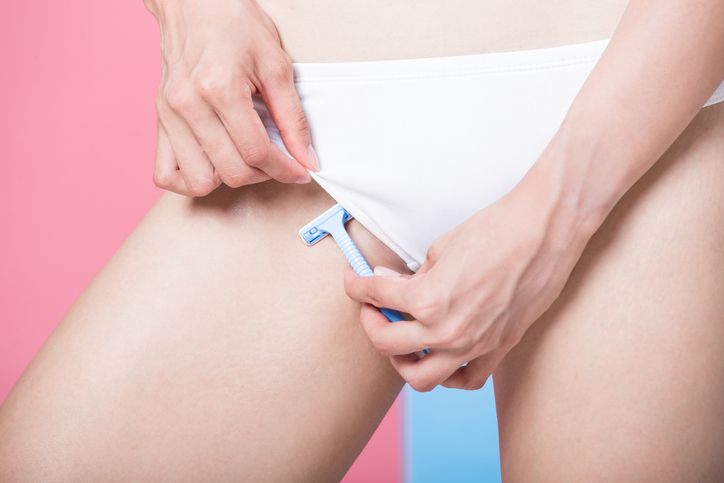
For most women, intimate hair removal is a personal choice rather than a medical necessity. Like nose and eyelash hair, pubic hair serves to protect the skin, aid in sweat evaporation, regulate temperature and humidity, and protect against insect bites. These functions were useful for people in ancient times who wore less clothing. But for modern women, pubic hair can feel more like a nuisance than a necessity. That’s why many choose hair removal for reasons related to fashion, hygiene, and aesthetics.
Why Do Women Choose Intimate Hair Removal? What Are the Benefits?

2.1 Prevent Embarrassment from Visible Hair
Around 90% of Asian women have body hair, including on arms, legs, and in the intimate area. Compared to Western women, Asian women often have darker, coarser, and denser pubic hair — sometimes even extending toward the anal area. If left untrimmed, hair can peek out from underwear or bikinis, causing awkward or embarrassing moments.
2.2 Reduce Odor and Bacteria Buildup
Throughout the day, pubic hair can trap urine and bodily fluids. During menstruation, blood adds to the moisture and bacteria-friendly environment. This can lead to unpleasant odors, irritation, and a more challenging cleansing process.
2.3 Prevent Recurring Infections
Hong Kong’s hot and humid climate is notorious for triggering gynecological issues, especially during the summer. Since women naturally have shorter urethras, and the vagina, urethra, and anus are close together, trimming or removing pubic hair helps keep the area dry and clean, lowering the risk of recurrent infections.
2.4 Minimize the Risk of Certain Diseases
Besides common conditions like UTIs, yeast infections, and folliculitis, excessive hair around the anal area can make it harder to maintain hygiene after using the toilet. This can lead to inflammation, hemorrhoids, or even fistulas if the skin isn’t cleaned properly.
2.5 Enhance Intimacy
While Western women often prefer full Brazilian waxing, many Asian women still feel a bit shy and opt for bikini laser hair removal with various styles available. The most popular are bikini line or V-line shaping, rather than full removal. A survey showed 63.3% of Asian men prefer neatly groomed intimate areas, 24.6% prefer full hair removal, and only 11% prefer a natural, untrimmed look. Keeping things clean and tidy can indeed help improve intimacy between partners.
免費體驗
A3 Laser Hair Removal Treatment
1 Minute Self-Registration
Date should not be before minimal date
Can Hair Removal Help Whiten the Bikini Area?
Yes, it can.
Thick pubic hair casts shadows over the skin, making the area appear darker than it really is. The friction caused by coarse hair can also lead to pigmentation and dark patches. When the hair is too dense or long, even whitening creams or brightening masks specifically designed for intimate areas can’t be applied evenly — making visible results hard to achieve.
Laser hair removal not only reduces hair permanently but also helps fade pigmentation in the vulvar area and boosts skin elasticity. As a result, it doesn’t just thin the hair — it also rejuvenates the intimate area, leaving it smoother, brighter, and firmer.
Can I Trim or Remove Pubic Hair at Home?
Yes, you can.
If you want to trim long pubic hair, first clean the area thoroughly. Then use a clean pair of scissors (make sure they’re rust-free) to carefully snip the hair. Lying down on a bed in an M-shaped position with a mirror in front of you is the easiest method. Avoid trimming areas you can’t clearly see or reach — you might injure the skin trying to remove every last hair. Fortunately, there are safer and more effective options available.
What Are the Different Methods of Intimate Hair Removal?
5.1 Manual Razor
Shaving is the simplest and cheapest method. However, the results are short-lived — hair regrows in about a week and may leave behind visible stubble. Always shave in the direction of hair growth and use a moisturizing cream. Be careful — razors can cause tiny cuts that invite bacteria and increase the risk of folliculitis.
5.2 Electric Shaver / Epilator
Electric tools come in two main types: shavers and epilators. Shavers use rotating blades and a plastic guard that prevents direct contact with the skin, meaning they can only trim hair lengthwise. Epilators, on the other hand, pluck hairs from the root using rolling tweezers. While results may last longer, they can be painful and may damage the hair follicles, causing inflammation and pigmentation.
5.3 Hair Removal Creams
These creams use calcium thioglycolate to break down the proteins in hair, making it easy to wipe or rinse off. If you’re using them on intimate areas, make sure the product is labeled as safe for sensitive skin or gynecologist-recommended. Since these creams contain strong chemicals, improper use or contact with inner tissue may trigger allergic reactions.
5.4 Waxing
Waxing is more suitable for other body parts like eyebrows, underarms, or legs. It involves forcefully pulling out a large patch of hair at once, which is extremely painful and risky for the sensitive bikini area. Coarse and dense pubic hair is especially hard to wax safely and may cause bleeding or trauma to the follicles — not recommended at all for intimate zones.
5.5 Laser Hair Removal
Currently the most popular and dermatologist-recommended method, laser hair removal is a non-invasive and non-surgical optical treatment. It uses fixed-wavelength laser light to target melanin in hair follicles during the growth phase. The absorbed heat damages the follicles and cuts off their nutrient supply, causing hair to weaken and fall out. Over repeated sessions, hair in the bikini and V-line areas reduces significantly and eventually stops growing altogether — achieving permanent results.
免費體驗
A3 Laser Hair Removal Treatment
1 Minute Self-Registration
Date should not be before minimal date
Can I Exfoliate Or Whiten The Intimate Area After Hair Removal?
Regardless of the method used—trimming or hair removal—the skin in the intimate area becomes more sensitive afterward and is not suitable for either physical or chemical exfoliation. The vulva's skin is much more delicate compared to other parts of the body. Exfoliating products are not designed for the private area; coarse materials may scratch the skin, acidic ingredients may disrupt the pH balance or microbiome, and foreign substances can enter the vagina or urethra, potentially causing infections. Therefore, exfoliating the intimate area is strongly discouraged.
In fact, laser hair removal can also whiten and brighten the intimate area while being safe and effective.
What Are The Risks Of Intimate Hair Removal? Which Method Is Most Likely To Cause Injury?
According to dermatologists, the skin in intimate areas is extremely sensitive, and improper hair removal carries a high risk of damage. It may lead to microtears and trigger folliculitis. The methods most prone to causing injury are shaving, tweezing, and waxing.
What Are The Shape Options For Intimate Hair Removal?
• Full Brazilian: Removes all hair in the pubic triangle and around the anus.
• Bikini V Line: The V-shaped outer area under the bikini. Removing this avoids visible hair when wearing swimwear.
• Bikini Line: The horizontal area exposed when wearing a bikini.
• I Shape: A straight line of hair removal from the front to the anus.
• O Shape: Focuses on removing hair around the anus.
• T Shape: Ideal for ensuring no visible hair in swimwear or for those who want to retain just a small amount of hair.
• Custom Shapes: Heart shapes are a favorite among women; teardrop and star shapes are also popular. Be sure to communicate your preferred design in advance with the treatment provider.
Does Bikini Laser Hair Removal Or Shaving Affect Sex?
Pubic hair functions as a “buffer” to reduce skin friction during sex. After removal, you may notice increased sensitivity to friction—especially if using traditional shaving methods, which often leave stubble. In contrast, laser hair removal gradually produces finer, softer, and shorter hair, which causes less friction. It also makes post-intercourse cleaning easier due to reduced hair.
How does the skin feel after bikini hair removal?
Laser hair removal causes newly grown hair to become finer, lighter, and eventually almost invisible—reducing overall hair by over 80% and growth speed by 90%. The texture becomes baby-soft. In contrast, traditional methods like shaving or depilatory creams leave you with coarse, stubbly hair when it grows back.
Does intimate hair removal reduce or increase sexual pleasure?
Whether intimate hair removal affects sexual pleasure is highly personal and subjective. Some research shows that many men prefer trimmed or completely bare pubic hair. If your partner appreciates cleanliness or visual aesthetics, hair removal may enhance intimacy. However, your choice remains entirely personal—discussing it with your partner can help strengthen your relationship.
What should I know before getting bikini hair removal?
1. Pain levels & cooling systems: The intimate area is sensitive and has thicker, coarser hair. Laser removal here may feel more intense, especially during the first few sessions. Choose a laser system with cooling technology—such as pre-spray cryogen or cold applicator heads—to reduce discomfort and avoid burns.
2. Avoid light-sensitive medications: Some medications (like water pills or retinoids) increase skin’s light sensitivity, raising the risk of burns or blisters. Always consult your doctor before starting laser treatments if you're taking any medication.
DIY Intimate Hair Removal Can Cause Folliculitis – Go for A3 Laser Hair Removal Instead!
Let’s be real—intimate hair removal is best left to the professionals. The hair here is coarse and the skin is delicate, making it easy to hurt yourself or cause irritation. It’s also tough to reach hidden areas like the I-line.
Shaving or plucking can cause hair to break off inside follicles, leading to ingrown hairs and inflammation. A3 Laser Hair Removal is the dermatologist-recommended solution for long-lasting results and skin safety.
Why A3 Laser Hair Removal?
Perfect Medical’s A3 Laser Hair Removal Treatment uses Sapphire 808 nm diode laser technology, specifically designed for Asian skin. It safely targets hair follicles at the root without darkening the skin—even for those with deeper skin tones.
• Dual cooling system = nearly painless
• 10mm x 10mm laser head = clears up to 500 hairs/second
• 6–8 sessions for permanent results
Get bikini-ready without worry this summer! Perfect Medical offers a 6-session A3 laser package—click the link to view prices.
免費體驗
A3 Laser Hair Removal Treatment
1 Minute Self-Registration
Date should not be before minimal date
FAQ

Does laser hair removal in the intimate area hurt?
It depends on whether the machine has effective cooling. Modern systems use cooling spray or cold applicator heads for comfort. Outdated methods using gel or fans are less effective, especially in sensitive areas.
Are weight, body hair, and gynecological issues related?
Yes. Overweight women with skin folds may trap sweat, blood, and bacteria, increasing the risk of infections. Reducing excess body hair and maintaining hygiene can lower the chances of folliculitis and other gynecological issues.
Should I go full Brazilian or just bikini line?
It depends on personal preference. Western women often go fully bare, while Hong Kong women tend to keep the V or I line. Leaving some hair is advisable to maintain protection against friction, bacteria, and dust.
What are the safest hair removal methods for the intimate area?
Doctors recommend non-invasive optical treatments like laser hair removal. Methods like tweezing, shaving, waxing, or creams carry higher risk of irritation, cuts, or infection—especially in this delicate, humid area. Shaving and waxing are the least recommended.
Why choose A3 Laser Hair Removal Treatment?
Targets melanin at 808 nm to disable follicles. Quick visible results in 2 weeks. Minimal discomfort. Safe for deeper skin tones. Reduces pigmentation. Leaves skin smooth, tight, and youthful-looking. It’s your ultimate choice for intimate hair removal.