- Home
- Trend
- Weight Loss Strategies
- Acne Tips
- Hair Health Information
- Blemish Removal Tips
- Acne Scar Removal Tips
- Muscle Building Techniques
- Intimate Care Tips
- Postpartum Intimate Care
- Eye Bags Wiki
- Tips for Face Slimming
- Secret of Permanent Hair Removal
- Breast Enlargement Tips
- Cure to Snoring
- Marionette Lines
- Skin-Tightening Secrets

Your hair deserves love and care — when you put in the effort, you'll be rewarded with beautiful, healthy locks. Hair masks have become a must-have in modern hair care routines thanks to their powerful, targeted benefits. With a wide range of masks available, each catering to different needs, you can find one that helps smooth frizz, enhance shine, or even extend the life of your hair color.
In this blog, we’ll walk you through how to use a hair mask properly, what to watch out for, and how to make your own natural hair masks at home.

What Is a Hair Mask?
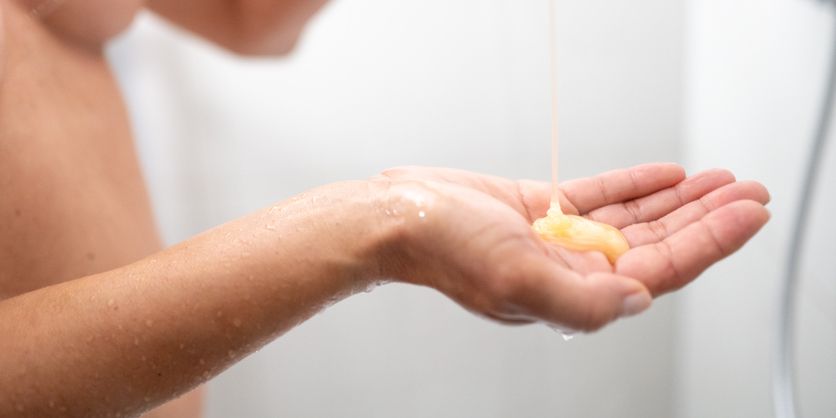
A hair mask is a rich, topical treatment packed with nourishing ingredients designed to deeply condition and repair your hair. Usually available in creamy or thick paste-like textures, hair masks come in jars or tubes and are formulated to penetrate the hair shaft, restoring moisture and strength while reducing dryness, damage, and frizz.
Hair masks are used after shampooing, just like conditioner. Apply an appropriate amount to towel-dried hair, massage gently to distribute evenly, then wrap your hair in a warm towel and leave it on for a set amount of time. Rinse thoroughly with water afterward.
Hair Mask vs. Conditioner — What’s the Difference?
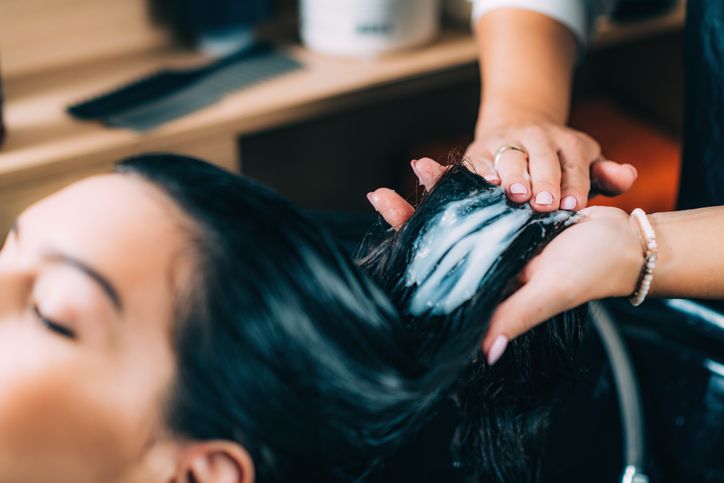
Though similar in function, hair masks and conditioners serve different purposes:
• Name: A hair mask (hair mask) and a conditioner (hair conditioner) are labeled differently. If you’re aiming for more luxurious, salon-level results, a mask is the better option.
• Texture & Strength: Hair masks are richer and more concentrated, offering deeper nourishment. You’ll notice a thicker, oilier texture compared to the lighter consistency of conditioners, which work faster but less intensively.
• Usage Frequency: Hair masks are designed for deep treatments once or twice a week and require more time to absorb. Conditioners, on the other hand, can be used daily—even as leave-in formulas—for quick hydration and detangling.
免費體驗
F8 Hair Regrowth Treatment
1 Minute Self-Registration
Date should not be before minimal date
Top 6 Recommended Hair Mask Ingredients
1. Plant-Based Oils
Oils like olive, coconut, argan, avocado, shea butter, and hazelnut oil are rich in fatty acids that deeply nourish and add shine—ideal for dry, damaged hair.
2. Humectants
If you prefer non-oil-based hydration, look for ingredients like glycerin, silicones, or propylene glycol. These draw moisture into the hair and lock it in, reducing frizz and tangling.
3. Collagen
Collagen boosts elasticity and hydration, leaving hair bouncier and more resilient.
4. Vitamins
Vitamin E is a powerful antioxidant that protects hair from environmental stress, while Vitamin C supports collagen production, improving overall hair quality.
5. Amino Acids
As the building blocks of protein (like keratin), amino acids help reinforce the hair structure, making it stronger and more resilient.
6. Natural Plant Extracts
Aloe vera, green tea, and lavender add soothing, aromatic benefits and help condition the hair. Though natural, always patch test first, especially if the product contains other chemical additives.
How to Use a Hair Mask – Step-by-Step
1. Gently detangle your hair using your fingers or a wide-tooth comb.
2. Wet your hair, apply shampoo, and massage your scalp to remove dirt, oil, and buildup.
3. Towel dry your hair until it’s damp—not soaking wet or bone-dry. (Wet hair dilutes the mask, while dry hair won’t absorb it well.)
4. Apply the mask evenly from mid-length to ends, avoiding the scalp—especially for oily scalps.
5. Use your fingertips to press the product into your hair strands gently.
6. Wrap hair with a towel or shower cap. Heat helps the ingredients absorb better. Leave it on for 5–20 minutes (follow the product’s instructions).
7. Rinse thoroughly with lukewarm or cool water. Avoid hot water, which can dry out hair.
8. Blow-dry on a low heat setting. Your hair will feel smoother, shinier, and softer.
Benefits of Using a Hair Mask
• Deep Moisture: Hair masks deliver long-lasting hydration and help balance moisture and oil levels in the hair.
• Easier Styling: They repair heat- and color-damaged hair, reduce frizz and split ends, and make hair easier to manage.
• Protects Hair Color: Using a mask before and after coloring can create a protective barrier and help lock in color longer.
• Supports Permed Hair: Masks rich in proteins and amino acids reinforce the hair’s structure, improving elasticity and preventing heat damage from perming tools.
• Smooths Cuticles: They seal the hair cuticle, preventing tangles and boosting shine and overall hair health.
• Extra Benefits: Some masks include UV protection or fragrance for added sun defense and a relaxing, pleasant hair care ritual.
免費體驗
F8 Hair Regrowth Treatment
1 Minute Self-Registration
Date should not be before minimal date
Things to Watch Out for When Using a Hair Mask
Choose the Right Product
Avoid products with harsh ingredients like alcohol, parabens, or artificial fragrances. Choose masks tailored to your specific needs—whether for hydration, repair, or post-color care.
Don’t Overuse
Too much product can make hair greasy or heavy. Adjust the amount based on your hair length and use only once or twice a week.
Start from the Mid-Lengths
Apply from the ear level down, especially if you have short hair. Avoid the scalp and spread the product by rubbing it evenly in your palms before application.
Avoid Skin Contact
People prone to back acne should avoid letting the mask touch their skin. Clip long hair up after application.
Use Heat Wisely
A warm towel or gentle heat from a hair dryer can enhance absorption. While you wait, use the time for skincare, yoga, or other relaxing self-care.
Not for Everyone
If you have allergies, do a patch test first. Avoid masks if you have scalp eczema, wounds, or irritation.
DIY Natural Hair Mask Recipes
1. Olive Oil & Honey: Mix ¼ cup honey with olive oil. For added nourishment, blend in a banana and a cup of apple cider vinegar. Leave on for 1–2 hours.
2. Raw Egg: Whole egg hydrates normal hair, egg white removes oil for oily hair, and egg yolk nourishes dry strands. Apply for 20 minutes, then rinse.
3. Milk & Honey: Warm 1 cup of milk (don’t boil), mix in 2 tablespoons of honey. Apply to clean hair and let sit for 30 minutes before rinsing.
4. Apple Cider Vinegar & Water: Mix ½ cup water with ½ cup apple cider vinegar. Ideal for removing buildup from styling products and restoring hair's natural pH. Use once a month.
Still Struggling with Hair Loss Despite Using Hair Masks? Try Perfect Medical’s F8 Hair Regrowth Treatment!
While hair masks improve the appearance of damaged hair, they can’t treat hair loss or thinning. For that, you’ll need something stronger — like Perfect Medical’s F8 Hair Regrowth Treatment.
Using low-level laser technology, F8 enhances scalp circulation, reactivates dormant follicles, and works with growth serums to nourish your hair at the root. It's non-invasive, pain-free, and goes beyond surface repair to actually encourage regrowth.
Best of all, you can try it for free — just click the link below to sign up. Don’t miss this chance to start your hair recovery journey!
免費體驗
F8 Hair Regrowth Treatment
1 Minute Self-Registration
Date should not be before minimal date
FAQ

Can hair masks treat hair loss?
No. Hair masks nourish and smooth damaged strands but don’t target hair loss causes like DHT, poor scalp circulation, or hormonal imbalances. To promote regrowth, try a laser-based solution like the Perfect Medical F8 program.
How often should I use a hair mask? And for how long?
Once or twice a week is ideal. Leave it on for 5–20 minutes depending on the product. Overuse can clog pores and trigger scalp issues, so always rinse thoroughly.
Do I still need conditioner if I use a mask?
Not on the same day. Use a mask once or twice a week and conditioner on non-mask days to maintain hydration and shine.
Can I use a hair mask on soaking wet hair?
No. Towel-dried, damp hair is best — not dripping wet, as excess water dilutes the mask and reduces its effectiveness.
Are hair masks suitable for oily scalps?
Yes — just avoid applying the product on your scalp. Opt for lightweight, non-greasy formulas and rinse thoroughly. Use once a week to avoid buildup.