- Home
- Trend
- Weight Loss Strategies
- Acne Tips
- Hair Health Information
- Blemish Removal Tips
- Acne Scar Removal Tips
- Muscle Building Techniques
- Intimate Care Tips
- Postpartum Intimate Care
- Eye Bags Wiki
- Tips for Face Slimming
- Secret of Permanent Hair Removal
- Breast Enlargement Tips
- Cure to Snoring
- Marionette Lines
- Skin-Tightening Secrets

What should women eat to increase hair volume? Many women worry about thinning hair—especially postpartum shedding, hormonal imbalance, and telogen effluvium—which gradually lead to reduced density and finer, weaker hair strands. Besides taking care of your scalp, getting the right nutrients through your diet and eating more hair-growth foods is one of the most effective ways to help hair grow faster and thicker. Here are 10 nutritionist-approved hair-growth nutrients and 6 top foods that will help women boost hair volume and say goodbye to hair-loss anxiety!

What to Eat for Fuller Hair? Start by Understanding the Hair Growth Cycle
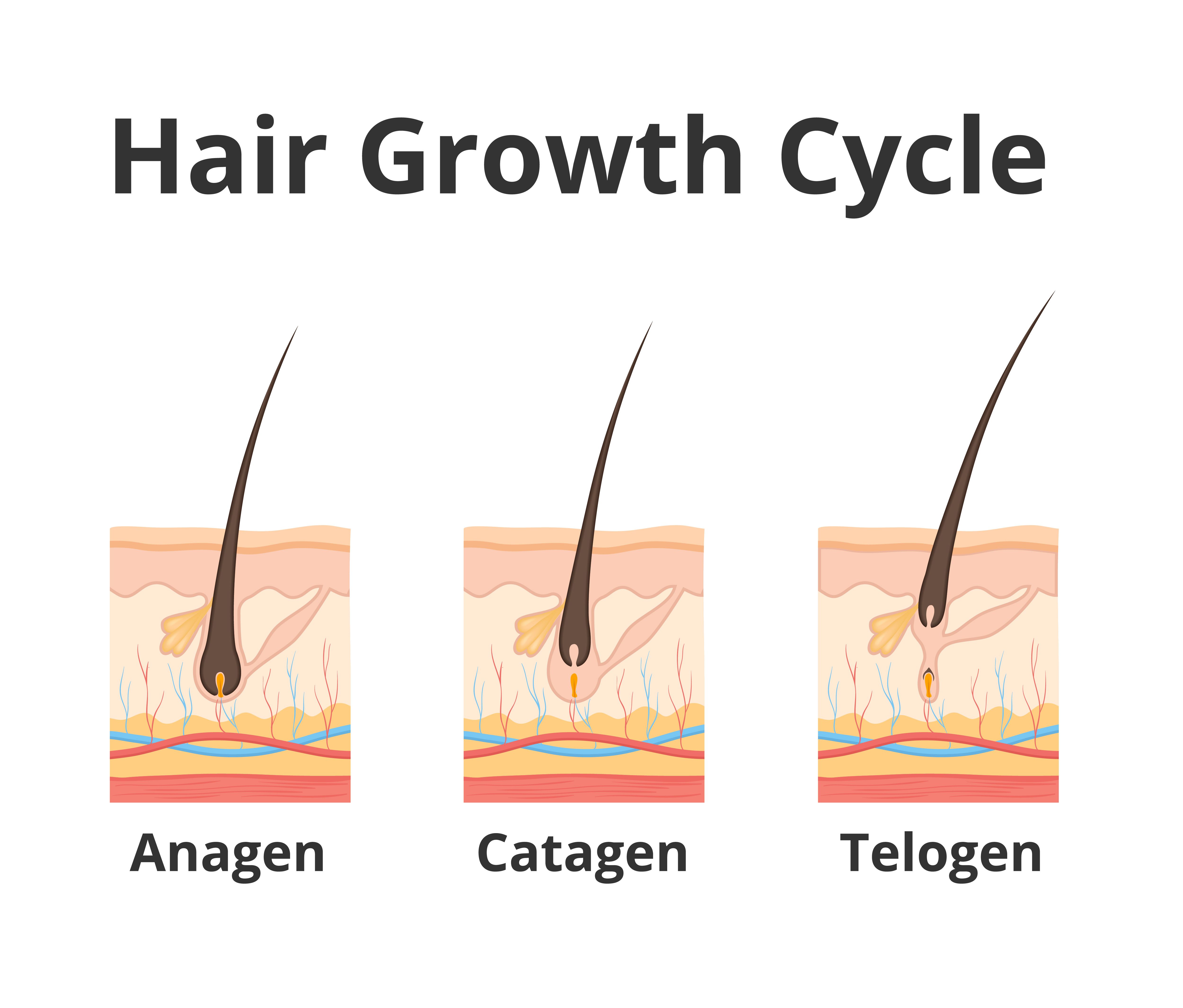
There are many reasons behind hair loss, but they all come down to one root cause: follicle health. To improve follicle function, you must first understand how the hair growth cycle works. The cycle includes 3 phases:
• Anagen (Growth Phase): Follicles actively produce new hair. Under normal conditions, around 90% of hair follicles are in this phase.
• Catagen (Transition Phase): Follicle activity begins to decline, and strands anchor less firmly. About 10–15% of follicles are in this phase.
• Telogen (Resting Phase): Follicles temporarily stop producing new hair, and strands detach and fall out. Fewer than 10% of follicles should be in telogen.
When too many follicles enter the telogen phase at the same time, telogen effluvium occurs—one of the most common causes of sudden, excessive shedding. To maintain healthy hair, good scalp care matters — but a balanced diet is just as important!
10 Essential Hair-Growth Nutrients: Feed Your Hair From Within
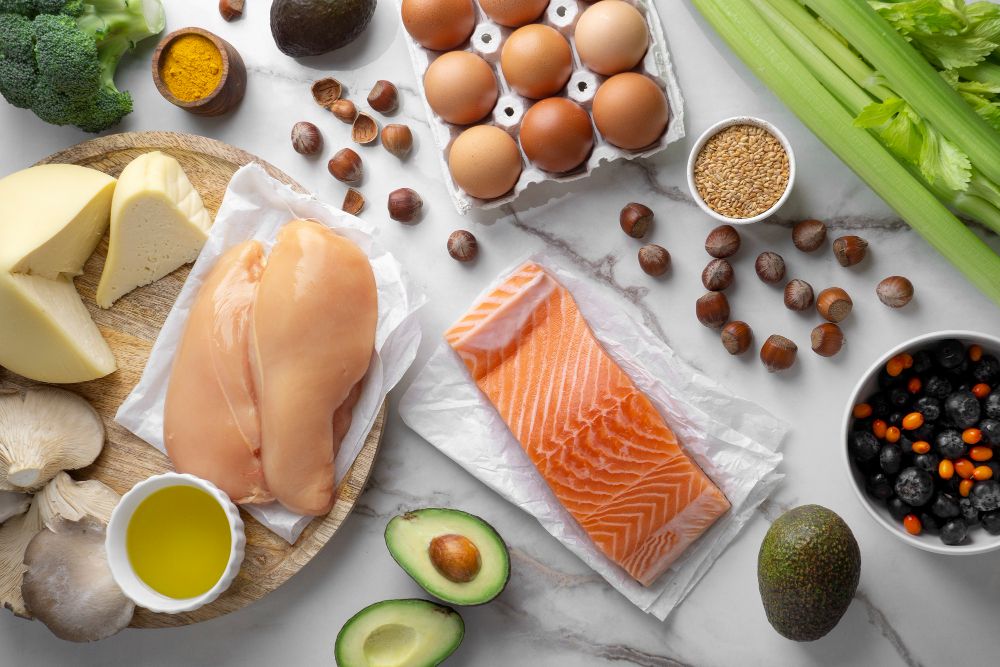
Wondering what nutrients actually help hair grow? These 10 hair-growth essentials come recommended by nutritionists — perfect for anyone who wants thicker, healthier hair.
1. Protein
Protein is the main building block of keratin — the structural component of hair. Aim to eat a palm-sized serving of protein at every meal (fish, eggs, soy, lean meats). It supports growth, reduces breakage, and strengthens strands.
2. Iron
Iron is crucial for forming red blood cells, which transport nutrients to the follicles. Iron-rich foods such as lean red meat, spinach, red dates, and leafy greens help prevent and improve hair loss.
3. Zinc
Zinc supports cell division and repair, which helps speed up hair growth. Oysters, pumpkin seeds, and beef are excellent zinc-rich options.
4. Biotin (Vitamin B7 / Vitamin H)
Biotin supports healthy hair, skin, and nails. Egg yolks, nuts, whole grains, and beef liver are great sources. Biotin helps hair grow faster and appear smoother.
5. Vitamin A
Vitamin A helps regulate sebum production to keep the scalp hydrated and resilient. Carrots, sweet potatoes, and pumpkins offer abundant vitamin A to support hair growth and scalp health.
6. Vitamin C
Vitamin C boosts collagen production and provides antioxidant protection to defend follicles from UV and free-radical damage. Citrus fruits, berries, guava, and kiwifruit are rich sources.
7. Vitamin E
Vitamin E is a powerful antioxidant. It moisturizes the scalp, improves hydration, and enhances scalp circulation to support healthy follicles. Nuts, avocados, and plant oils are excellent choices.
8. Omega-3 Fatty Acids
Omega-3s reduce inflammation, nourish follicles, and help strengthen hair. Load up on fatty fish, flaxseeds, and walnuts for a steady supply.
9. Vitamin D
Vitamin D helps regulate the hair growth cycle and encourages follicles to stay in (or re-enter) the growth phase. It’s found in fish and fortified dairy.
10. B Vitamins
B vitamins — especially B12 — boost scalp metabolism and support healthy hair growth. Meat, dairy, whole grains, beans, and legumes offer abundant B vitamins.
免費體驗
F8 Hair Regrowth Treatment
1 Minute Self-Registration
Date should not be before minimal date
6 Hair-Growth Foods to Add to Your Diet! Eat Your Way to Smoother, Fuller, Healthier Hair
To truly “eat for thicker hair,” make sure these 6 categories of foods appear regularly in your diet:
1. Black Foods
Traditional Chinese medicine considers black foods to be nourishing for the kidneys and hair. Black sesame, black beans, black fungus, and black rice can help darken and thicken hair.
2. Dark Green Vegetables
Dark greens are rich in iron, vitamins A and C, and many hair-friendly nutrients that support scalp function and follicle strength.
3. Nuts and Seeds
Walnuts, almonds, and pumpkin seeds provide omega-3 fatty acids, zinc, and vitamin E — a powerful combination for follicle health.
4. Eggs
A high-quality protein source loaded with biotin and essential vitamins to strengthen hair and promote growth.
5. Fish
Salmon, mackerel, and other fatty fish offer protein and omega-3s to nourish hair and improve texture and strength.
6. Fresh Fruit
Fruits rich in vitamin C — like berries, citrus, and kiwifruit — enhance antioxidant protection, support scalp health, and strengthen hair.
4 Habits to Prevent Hair Loss and Grow Healthier Hair, Faster
In addition to eating for hair growth, lifestyle habits play a major role in preventing hair loss. Start adopting these four habits for healthier, stronger hair:
1. Cleanse and Care for Your Scalp Properly
Choose shampoos and hair products suited to your scalp type, avoid overwashing, and skip overly hot blow-drying to protect the scalp barrier.
2. Reduce Chemical Treatments
Minimize bleaching, coloring, and perming to avoid chemical damage that weakens follicles and causes breakage.
3. Maintain a Healthy Routine & Manage Stress
Regular sleep, good rest, and stress reduction help keep scalp circulation and follicle function stable. Chronic stress can tighten scalp muscles and disrupt the hair cycle.
4. Pair With a Professional Treatment
For more targeted improvements, professional scalp and hair treatments can help prevent hair loss and improve scalp health.
Perfect Medical’s F8 Hair Regrowth Treatment is specially designed for women experiencing thinning or shedding. Using low-energy medical-grade soft laser technology, the treatment activates follicle circulation, stabilizes shedding, strengthens dermal papilla cells, and increases nutrient absorption — restoring healthier, stronger hair growth from the root.
When combined with world-class hair serum, the F8 treatment enhances scalp circulation, balances oil and moisture levels, reduces excessive dryness or greasiness, and improves overall scalp condition — helping you regain healthier, fuller hair.
A limited-time offer is now available: register through the link to enjoy a free trial session of the F8 Hair Regrowth Treatment. Try the full experience once — limited spots available!
免費體驗
F8 Hair Regrowth Treatment
1 Minute Self-Registration
Date should not be before minimal date
FAQ

1. Does a vegetarian diet cause thinning hair or hair loss?
Vegetarian diets don’t directly cause hair loss, but insufficient protein or iron intake may contribute. Ensure adequate consumption of soy, nuts, seaweed, and dark green vegetables, and consider vitamin B supplements if needed.
2. I’m losing a lot of hair — does that mean I’m deficient in vitamins?
Hair loss can result from many factors, including deficiencies in biotin, protein, iron, or zinc. Stress, hormonal imbalance, illness, poor sleep, and genetics may also play a role. A comprehensive evaluation is necessary.
3. Do hair-growth supplements actually work?
They may help if you are deficient in certain nutrients, but supplements are only supportive. Identifying the root cause of hair loss is most important.
4. Besides diet, what lifestyle habits help hair grow?
Regular sleep, exercise, stress reduction, gentle hair care, and using suitable hair products all support healthy growth.
5. Why isn’t my hair improving even though I’m eating hair-growth foods?
Diet alone cannot fix all hair-loss issues. If you see no improvement, consult a professional for a scalp assessment to evaluate follicle health and identify underlying causes.