- Home
- Trend
- Weight Loss Strategies
- Acne Tips
- Hair Health Information
- Blemish Removal Tips
- Acne Scar Removal Tips
- Muscle Building Techniques
- Intimate Care Tips
- Postpartum Intimate Care
- Eye Bags Wiki
- Tips for Face Slimming
- Secret of Permanent Hair Removal
- Breast Enlargement Tips
- Cure to Snoring
- Marionette Lines
- Skin-Tightening Secrets

Anti-hair loss shampoos are a go-to solution for those struggling with hair loss. However, with so many options on the market targeting various degrees and causes of hair loss, choosing the wrong one could actually make things worse. That’s why it’s crucial to understand the root cause of your hair loss and the condition of your scalp and hair before picking the right product. In this article, we’ll go over the common causes of hair loss in women, explore the different types of anti-hair loss shampoos and products available, and share key tips on how to choose and use them effectively. If you’re looking to learn more about hair loss solutions, read on!

Before Using Anti-Hair Loss Shampoo: Understand the 6 Common Causes of Hair Loss in Women
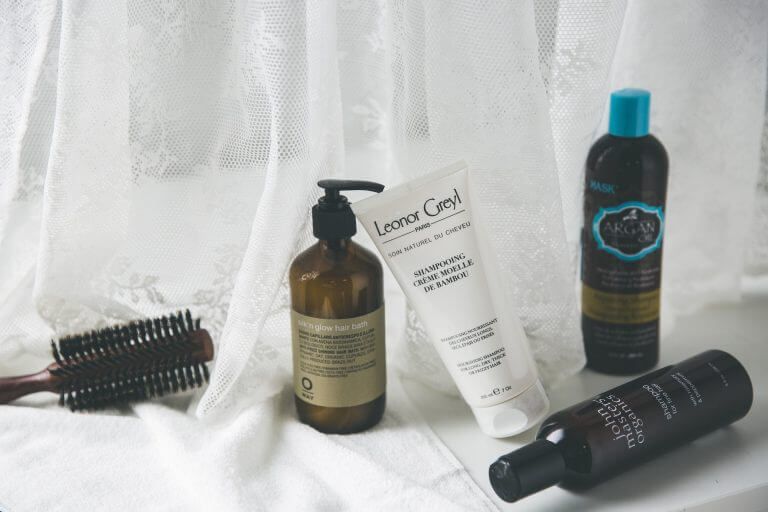
When dealing with hair loss, many people tend to try multiple remedies all at once in hopes of seeing quick results. But does this approach really help? Not necessarily. Without identifying the true cause, you might just be worsening the problem. To effectively tackle hair loss, you need to start with the root cause.
Cause 1: Extreme Dieting
Many women diet excessively in pursuit of the perfect figure, unaware that drastic food restrictions can disrupt the body’s nutrient intake. Hair is a reflection of overall health, and a lack of essential nutrients like protein, iron, and vitamin D2 can hinder hair growth. Intense fat-burning methods may also throw the body off balance, worsening hair loss. In such cases, anti-hair loss shampoos may be helpful.
Cause 2: Genetics
Genetic predisposition can cause hair follicles to have shorter growth cycles, leading to early onset hair loss. If your hair loss is hereditary, using anti-hair loss shampoo alone may not be enough to reverse the issue.
Cause 3: Stress
The fast pace of modern life, combined with work and emotional stress, can disrupt metabolism and reduce nutrient absorption in the scalp, causing hair to become dry, brittle, and more prone to falling out over time.
Cause 4: Hormonal Imbalance
Hormonal fluctuations caused by stress, irregular menstrual cycles, stopping birth control pills, or menopause can all contribute to hair loss by disrupting the body’s normal functions.
Cause 5: Excessive Dyeing and Chemical Treatments
Frequent hair coloring, bleaching, or perming damages hair strands and irritates the scalp due to harsh chemicals. This can clog the scalp, cause thinning, and accelerate hair fall. While stylists may recommend nourishing products and anti-hair loss shampoos post-treatment, the best solution is to reduce the frequency of chemical treatments.
Cause 6: Pregnancy and Postpartum Hair Loss
During late pregnancy, hair enters a resting phase and resumes growth after childbirth. This leads to a noticeable increase in hair shedding around 4 months postpartum, which typically eases by the 7th month as new hair grows in. However, postpartum depression or emotional instability can worsen hair loss.
What Type of Hair Loss Are You Experiencing?
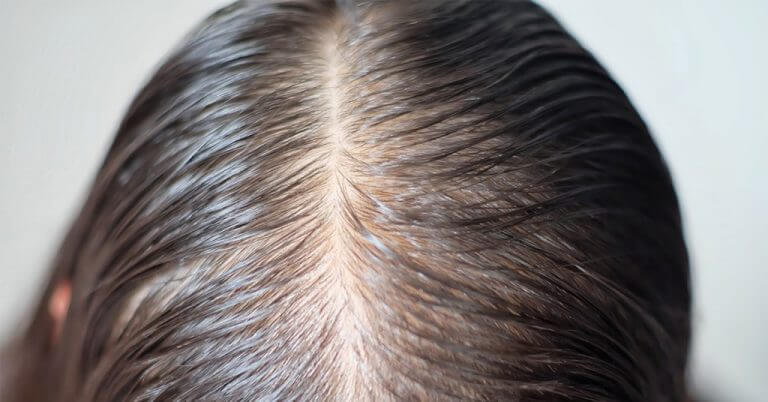
Now that you know the possible causes, it’s equally important to understand what type of hair loss you’re dealing with in order to choose the right treatment.
Type 1: Seborrheic Hair Loss
Also known as androgenetic alopecia, this type features gradual thinning, often starting at the crown or sides of the forehead and spreading symmetrically. The scalp may appear oily, shiny, itchy, and produce a lot of dandruff. Hair becomes finer, dry, and lacks shine. While once more common in men, increasing stress levels among women have made it more prevalent in females too.
Type 2: Diffuse Thinning
This is the most common form of hair loss among women, typically starting along the part line and gradually extending to the sides and front. Without timely intervention, hair loss may spread across the crown and sides.
Type 3: Female Pattern Baldness (Androgenetic Alopecia)
Women also produce small amounts of androgens, which regulate hair growth. When hair follicles react negatively to these hormones, their growth phase shortens. Hair becomes finer and the follicles shrink until no new hair can grow.
Type 4: Alopecia Areata
Commonly known as “spot baldness,” this condition causes round patches of hair loss on the scalp, often the size of a coin. It can affect people of any age and typically occurs without warning or other symptoms.
免費體驗
F8 Hair Regrowth Treatment
1 Minute Self-Registration
Date should not be before minimal date
Do You Really Need an Anti-Hair Loss Shampoo? How to Tell Sudden Hair Loss from Chronic Hair Loss
Anti-hair loss shampoos can help strengthen and protect hair from breakage. However, if your hair loss is chronic, shampoos alone may not yield significant results. Let’s differentiate between the two types:
• Sudden Hair Loss: Noticeable thinning and excessive shedding within three months. Hair is found all over—on pillows, brushes, and your fingers.
• Chronic Hair Loss: Hair continues thinning for over six months. You may also have a family history of hair loss.
Key Ingredient to Look For in Anti-Hair Loss Shampoo
Many anti-hair loss products—especially shampoos—contain Minoxidil (brand name: Regaine), a non-prescription medication known to slow down hair loss and stimulate regrowth. Originally developed for treating high blood pressure, it was later found to also promote hair growth. Note that consistent use for at least six months is usually required to see results.
However, Minoxidil may cause side effects, such as excessive hair growth in other areas or allergic reactions. If discomfort occurs, stop use immediately.
Types of Anti-Hair Loss Products
To truly reduce hair loss and promote regrowth, it's important to address the root cause and use the right products. Here are some options:
1. Anti-Hair Loss Shampoo
Choose natural formulas that are gentle on the scalp and avoid ingredients like mineral oil, synthetic dyes, or animal-derived substances.
Herbal shampoos with ingredients like ginseng, Sichuan lovage root, and polygonum multiflorum are increasingly popular for their ability to stimulate circulation and nourish the scalp.
2. Hair Serums
Often include ingredients like salicylic acid, pea protein, and wheat protein. These help remove excess oil, boost circulation, and provide nutrients essential for hair growth.
3. Hair Regrowth Solutions
These typically contain Minoxidil, a clinically proven vasodilator used to treat hair thinning and promote regrowth.
免費體驗
F8 Hair Regrowth Treatment
1 Minute Self-Registration
Date should not be before minimal date
Important Tips Before Using Anti-Hair Loss Shampoo
Even after choosing the right product, these extra steps can help improve effectiveness:
• Ensure Absorption: Gently massage the scalp after applying hair serums or solutions to enhance penetration into the hair follicles.
• Be Cautious with Silicone-Based Shampoos: While silicones (e.g., dimethicone) can smooth and protect dry ends, they may not be suitable for oily scalps or those prone to hair loss due to oil buildup.
• Avoid Conditioner on the Scalp: Many rich conditioners can clog hair follicles if applied to the scalp. Use them only on hair lengths.
• Don’t Use Hot Water: Excessively hot water can damage hair roots, reduce elasticity, and increase breakage.
Traditional Chinese Medicine: A Natural Approach to Hair Loss
From a Traditional Chinese Medicine (TCM) perspective, nourishing the body from within—especially through diet—is key to treating hair loss. Here are four TCM ingredients that may help:
1. Polygonum multiflorum (He Shou Wu)
Contains emodin, rhein, and phospholipids to boost melanin production in the follicles and promote dark, shiny hair.
2. Angelica (Dang Gui)
Known to promote blood circulation in the scalp and nourish hair follicles for faster growth.
3. Soapberry (Zao Jiao)
Helps strengthen the scalp’s immune barrier and protects follicles from harmful bacteria.
4. Dried Ginger
Improves blood flow, soothes itching, and stimulates metabolism in the scalp, revitalizing hair roots.
免費體驗
F8 Hair Regrowth Treatment
1 Minute Self-Registration
Date should not be before minimal date
FAQ

What causes female hair loss?
Common causes include extreme dieting, genetics, stress, hormonal imbalances, excessive dyeing or perming, pregnancy, and postpartum changes. Other triggers include thyroid disorders, anemia, autoimmune conditions, diabetes, lupus, and certain medications like chemotherapy or blood thinners.
How to tell if it’s sudden or chronic hair loss?
Sudden hair loss occurs within 3 months and involves noticeable shedding. Chronic hair loss persists for over 6 months or runs in the family.
How to choose the right anti-hair loss shampoo?
Opt for natural, gentle formulas that avoid harsh additives. Herbal options with ginseng, Sichuan lovage, and He Shou Wu can nourish and strengthen hair from the roots.
Are there effective treatment programs?
The Perfect Medical F8 Hair Regrowth Treatment for women uses medical-grade low-level laser therapy to stimulate scalp blood flow, purify pores, and remove dead skin cells. It also activates dormant follicles and promotes healthy regrowth using patented global technology.
How often should the F8 treatment be done?
Treatment frequency depends on the severity of hair loss. A typical course lasts 3–6 months, while more severe cases may require 9–12 months. It’s safe, non-invasive, and especially suitable for women with thinning hair or postpartum hair loss.