- Home
- Trend
- Weight Loss Strategies
- Acne Tips
- Hair Health Information
- Blemish Removal Tips
- Acne Scar Removal Tips
- Muscle Building Techniques
- Intimate Care Tips
- Postpartum Intimate Care
- Eye Bags Wiki
- Tips for Face Slimming
- Secret of Permanent Hair Removal
- Breast Enlargement Tips
- Cure to Snoring
- Marionette Lines
- Skin-Tightening Secrets

Have you noticed that even with a big smile, your outer eye corners droop, giving off a tired or less approachable appearance? Drooping outer eye corners are not just a sign of aging—they could indicate early skin laxity or structural issues in the eyes. Want to understand why your outer eye corners droop and how surgery or medical aesthetics can help you regain youthful, captivating eyes? Read on.

Causes of Drooping Outer Eye Corners: Why Are My Eyes Drooping?

The state of your outer eye corners often reflects age and alertness. To address the issue effectively, it’s essential to understand the various factors that contribute to drooping.
Genetic Factors: Born with Drooping Eye Corners
Drooping outer eye corners are not always acquired. Some individuals are genetically predisposed due to the strength of their eyelid muscles or the structure of their eyelid tissue. These individuals may notice drooping at a young age, which often becomes more pronounced with age.
Aging: Collagen Loss and Muscle Laxity
The most common cause of drooping outer eye corners is natural aging. As we age, collagen and elastin gradually diminish, weakening support for the skin around the eyes. Prolonged muscle use in this area can lead to tissue laxity and drooping. Because the skin around the eyes is the thinnest and most delicate on the face, aging effects are particularly noticeable here.
Medical Conditions: Eye Muscle Weakness and Related Disorders
Certain conditions, such as myasthenia gravis or neurological disorders, can affect the eyelid muscles, leading to drooping outer corners or full eyelid droop. Sudden onset with blurred or double vision warrants immediate professional medical attention.
Poor Habits: Hidden Culprits Behind Drooping
Rubbing the eyes frequently, excessive pulling during makeup removal, or prolonged contact lens use can damage delicate periorbital tissue, accelerating drooping. These actions can weaken elastic fibers, making eyelid tissue unable to recover, resulting in progressive laxity.
Self-Check: Do You Have Drooping Outer Eye Corners?
Look for these signs to identify early drooping:
• Outer eye corners appear lower than the inner corners.
• Outer eyebrows also droop, creating a “brow pressure on eyes” effect.
• Eyes look tired or lack alertness, sometimes forming a triangular eye shape.
• Often mistaken for frowning even when not angry.
• Eyelid tissue accumulation creates visible sagging.
Non-Surgical Ways to Improve Drooping Outer Eye Corners: From Daily Care to Aesthetic Treatments

If your drooping is mild, start with lifestyle adjustments and periorbital skincare. Non-surgical aesthetic treatments are also an option for faster results.
Lifestyle Adjustments: Prevention Is Better Than Cure
Balanced diet and regular routine: Slow down aging
Maintain a diet rich in vitamins, minerals, and antioxidants, paired with regular sleep and exercise to slow collagen loss and reduce the rate of drooping. Foods high in vitamins C and E, such as citrus, nuts, and leafy greens, effectively combat free radicals and protect skin health.
Avoid eye strain: Protect eye muscles
Prolonged screen use fatigues eye muscles, exacerbating drooping. Rest your eyes periodically, look into the distance, or close your eyes to relax. The “20-20-20 rule” is recommended: every 20 minutes, look at an object 20 feet (6 meters) away for 20 seconds to relieve eye muscle tension.
Warm compresses: Promote circulation and relieve fatigue
Applying a warm towel or heated eye mask before sleep improves circulation, relaxes eye muscles, and reduces drooping. Warm compresses also alleviate dark circles caused by poor blood flow.
Reduce rubbing: Prevent tissue stretch
Avoid rubbing your eyes forcefully, which can damage delicate eyelid tissue and accelerate sagging. Instead, rest your eyes or use artificial tears for relief.
Eye skincare: Hydrate and tighten
Use eye creams containing collagen, peptides, or vitamin C, gently massaging from the inner to outer eye corner with the ring finger to improve hydration and firmness. Avoid pulling the skin.
Non-Surgical Aesthetic Treatments: Supportive Fillers
Botulinum toxin injection: Relax muscles and smooth crow’s feet
Botox relaxes periorbital expression muscles, reducing drooping caused by overuse and smoothing crow’s feet. This method is suitable for individuals with asymmetric drooping due to frequent facial expressions.
Hyaluronic acid injection: Provide lift and support
Injecting fillers at the brow tail or temples adds structural support, lifting the outer eye corners and improving sagging. Hyaluronic acid also enhances hydration for a youthful, vibrant look, ideal for drooping caused by tissue loss.
免費體驗
R6 Miracle Eye Rescue Treatment
1 Minute Self-Registration
Date should not be before minimal date
Surgical Options for Lifting Outer Eye Corners: Rejuvenate Your Eyes
For moderate to severe drooping or age-related sagging, surgery provides a more effective and long-lasting lift. Some procedures are minimally invasive.
Forehead Lift: Improve Outer Eye Corners and Forehead Lines
Procedure and candidates
Incisions are made along the hairline or scalp to lift forehead skin and fascia, correcting drooping outer corners, forehead lines, and brow sagging. Suitable for individuals with significant forehead aging who want comprehensive improvement.
Pros and cons
Pros: Noticeable, long-lasting lift; simultaneously addresses drooping outer corners, forehead lines, and brow descent. Cons: Larger incision, longer recovery, possible temporary sensation changes.
Endoscopic Brow Lift: Minimally Invasive, Natural Result
Procedure and candidates
Small scalp incisions allow endoscopic-assisted lifting of the forehead muscles and fascia, raising brows and improving outer eye corners. Suitable for moderate drooping with preference for minimal scarring and faster recovery.
Three benefits
• Corrects brow pressure on eyes caused by drooping
• Elevates brows for brighter, more expressive eyes
• Reduces forehead lines for a youthful appearance
Pros and cons
Pros: Small incisions, short recovery, natural lift; endoscope reduces tissue damage. Cons: Less effective for severe drooping; results may not last as long.
Double Eyelid Surgery: Adjust Eyelid Fold and Enlarge Eyes
Procedure and candidates
Excess eyelid tissue and fat are removed to create a double eyelid fold; outer corner height can also be adjusted. Suitable for single or inner double eyelids, wanting both double eyelids and mild outer corner lift.
Pros and cons
Pros: Enlarges eyes, improves alertness, corrects mild drooping Cons: Moderate incision, longer recovery, risk of scar formation
Levator Muscle Surgery: Correct Eyelid Ptosis
Targets eyelid drooping covering the pupil. Strengthening or shortening the levator muscle raises the eyelid. Can be combined with other lifts for better overall results.
Mid-Face Lift
Lifts mid-face skin and muscles, improving nasolabial folds, eye bags, and drooping outer corners. Often combined with eye bag surgery for comprehensive rejuvenation.
Comparison of Procedures: Duration, Incision, Recovery
| Procedure | Duration of Effect | Incision Size | Recovery Time |
|---|---|---|---|
| Forehead lift | 5–10 years | Large | 2–4 weeks |
| Endoscopic brow lift | 3–5 years | Small | 1–2 weeks |
| Double eyelid surgery | Long-lasting | Medium | 1–3 months |
| Levator muscle surgery | Long-lasting | Small | 1–2 weeks |
| Mid-face lift | 5–8 years | Medium | 2–4 weeks |
Risk Assessment and Post-Op Care
All surgeries carry risks such as infection, bleeding, and scarring. Consult thoroughly with your surgeon about risks, post-op care, and select a qualified clinic with experienced surgeons.
How to Choose a Clinic for Outer Eye Corner Lift Surgery
Selecting a professional clinic ensures safety and results.
• Doctor’s credentials and experience: Choose a surgeon with extensive eye surgery experience and verified plastic surgery qualifications.
• Surgical equipment and technology: Clinics with advanced endoscopic tools improve precision and reduce tissue trauma.
• Pre-op consultation and evaluation: Tailor a treatment plan according to your needs and expectations.
• Clinic environment and service: Ensure a clean, comfortable setting and professional, attentive staff for peace of mind.
Non-Invasive R6 Miracle Eye Rescue Treatment: A Safe Alternative for Lifting Outer Eye Corners
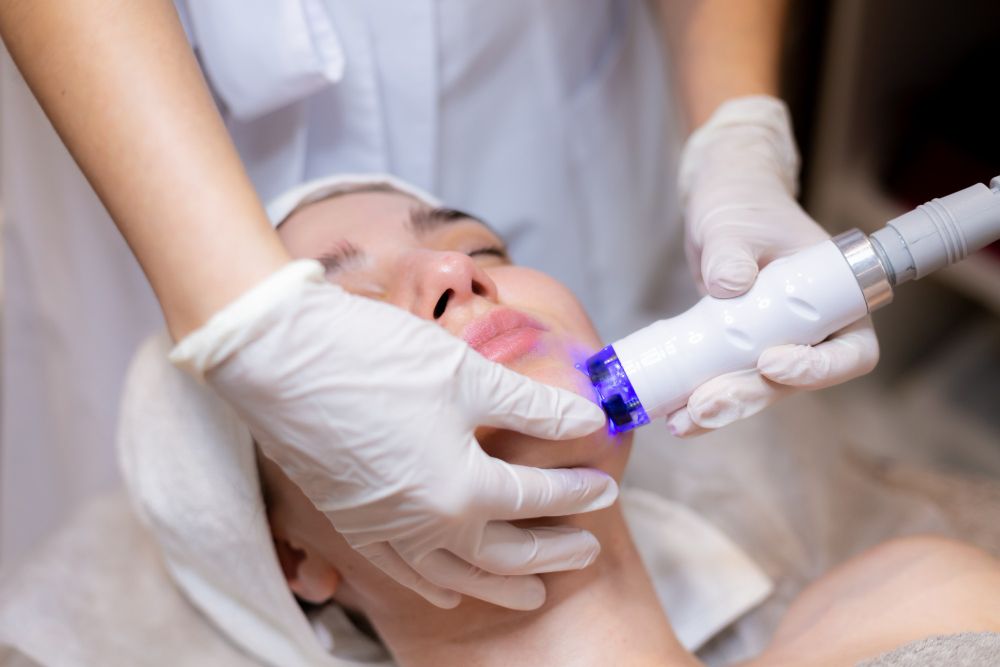
For those who prefer not to undergo surgery, the R6 Miracle Eye Rescue Treatment offers non-invasive, effective lifting for outer eye corners, tightening loose eyelid tissue, reducing eye bags and dark circles, and smoothing tear troughs. Millions of users have confirmed its effectiveness and safety, making it ideal for first-time users exploring eye rejuvenation.
The R6 treatment uses medical-grade radiofrequency with red and blue light, targeting multiple skin layers:
• Stimulates collagen growth, tightening loose under-eye skin
• Enhances circulation and lymphatic drainage, reducing pigmentation and fluid retention
• Improves eye bags, fine lines, and dark circles
Compared with traditional surgery or injections, the R6 treatment is non-invasive, painless, and requires no downtime. It is especially suitable for mild to moderate eye bags and provides a safe and effective alternative.
Click the link below to learn more about Perfect Medical R6 Miracle Eye Rescue Treatment, including pricing, and complete a one-minute form for frequent first-time free trials.
免費體驗
R6 Miracle Eye Rescue Treatment
1 Minute Self-Registration
Date should not be before minimal date
FAQ

Is surgery always necessary for drooping outer eye corners?
Not always. Non-invasive aesthetic treatments or injectables can be tried first. Surgery is considered only for severe drooping unresponsive to non-invasive methods.
Will endoscopic brow lift leave scars?
Incisions are small and hidden in the hairline (1–2 cm), usually barely visible after healing.
How much does outer eye corner lift surgery cost?
Costs vary by procedure. Double eyelid surgery may cost HKD 10,000–30,000, while endoscopic brow lift may range HKD 40,000–80,000, depending on complexity.
How long is recovery?
Recovery depends on the procedure. Endoscopic brow lift: 1–2 weeks; swelling gradually subsides. Traditional forehead lift: 2–4 weeks.
Is the surgery suitable for men?
Yes. Drooping outer corners is common across genders. Men can achieve brighter, more alert eyes, reducing a tired appearance.