- Home
- Trend
- Weight Loss Strategies
- Acne Tips
- Hair Health Information
- Blemish Removal Tips
- Acne Scar Removal Tips
- Muscle Building Techniques
- Intimate Care Tips
- Postpartum Intimate Care
- Eye Bags Wiki
- Tips for Face Slimming
- Secret of Permanent Hair Removal
- Breast Enlargement Tips
- Cure to Snoring
- Marionette Lines
- Skin-Tightening Secrets

Puffy eyes are something many people have experienced. Waking up to swollen eyelids not only affects your appearance and makes makeup difficult, but may also raise concerns about your overall health. Puffy eyes are not always caused by lack of sleep alone—the underlying reasons can be surprisingly diverse. Want to understand what causes puffy eyes and how to get rid of swollen eyelids effectively? Read on for a comprehensive guide.

What Are Puffy Eyes? A Medical Condition or a Sign of Early Eye Aging?

Puffy eyes, also known as eyelid swelling, refer to visible swelling or puffiness around the eyes, including the upper or lower eyelids. This condition may be accompanied by other symptoms such as redness, itching, pain, or discharge. It is important to pay attention to persistent or recurrent eye swelling and seek timely treatment when necessary.
Causes of Puffy Eyes / Swollen Eyelids: Multiple Underlying Factors
Puffy eyes are often caused by more than one factor. They may result from physiological conditions, eye disorders, glandular issues, systemic diseases, or general health problems. Identifying the exact cause is essential for effective treatment.
Physiological Factors
• Lack of sleep or excessive fatigue: Staying up late or poor sleep quality can impair blood circulation around the eyes, leading to temporary eyelid swelling. When fluid accumulates in the tissues, the eyes may appear “puffy” or balloon-like.
• Excessive water or salt intake before sleep: Drinking too much water or consuming salty foods before bedtime can cause fluid retention, resulting in eye swelling—especially around the eyelids. High-sodium foods should be avoided as they commonly contribute to puffiness.
• Crying: Crying stimulates the tear glands, and fluid leakage into surrounding tissues can cause eyelid swelling and tenderness.
• Menstrual cycle: Hormonal fluctuations during menstruation may lead to water retention and eyelid swelling in some women.
Eye Conditions
• Allergic conjunctivitis: Exposure to allergens such as pollen, dust mites, or pet dander may trigger allergic reactions, leading to eye inflammation, redness, itching, and swollen eyelids.
• Infectious conjunctivitis (pink eye): Caused by bacterial or viral infections, symptoms include redness, increased discharge, eyelid swelling, foreign body sensation, and light sensitivity. Prompt treatment is essential to prevent complications.
• Stye (hordeolum): A bacterial infection caused by blocked oil glands in the eyelid. It appears as a small lump inside or on the eyelid, often accompanied by redness, swelling, warmth, and pain.
• Blepharitis: Chronic inflammation of the eyelid margins, often due to bacterial infection, abnormal oil gland function, or inadequate makeup removal. Symptoms include redness, dryness, irritation, and increased discharge.
• Cellulitis: A serious soft tissue infection around the eye, commonly spreading from sinus or dental infections. Symptoms include painful swelling, bulging eyes, double vision, and in severe cases, vision impairment. Immediate medical treatment is required.
• Herpetic keratitis: Eye infection caused by the herpes virus, leading to eyelid swelling, blisters, and potential complications such as corneal or iris inflammation. Treatment is often complex.
• Chlamydial infection: Though relatively rare, chlamydia can also cause eye infections and swelling.
Systemic Diseases: Could It Be Thyroid Eye Disease?
• Hyperthyroidism: An autoimmune condition where the immune system attacks the thyroid and surrounding eye tissues, causing eye inflammation, bulging eyes, dryness, and double vision. Severe cases may impair vision and progress to thyroid eye disease.
• Kidney disease: Impaired kidney function affects fluid balance, leading to fluid retention and generalized swelling, including puffy eyelids.
• Heart disease: Poor cardiac function can result in inadequate circulation and systemic edema, including eye swelling.
Conditions such as high blood pressure, high blood sugar, anemia, and malnutrition may also contribute to eyelid swelling.
Other Factors
• Trauma: Injury to the eye area may damage surrounding tissues and cause swelling.
• Insect bites: Mosquito or insect bites on the eyelids can trigger localized inflammation and swelling.
• Eye surgery: Temporary swelling is common following eye-related surgical procedures.
Diagnosis of Puffy Eyes

To determine the exact cause of puffy eyes, professional medical evaluation is usually required. Doctors may perform the following assessments:
• Medical history review: Detailed discussion of symptoms, medical history, medications, and lifestyle habits.
• Physical examination: Evaluation of the eye’s appearance, eye muscles, redness, discharge, and eye protrusion.
• Vision test: Assessment of whether vision has been affected.
• Fundus examination: Inspection of the retina and internal eye structures.
• Intraocular pressure test: To rule out glaucoma.
• Additional tests: Depending on the case, allergy testing, blood tests, or imaging studies (such as CT scans) may be arranged to identify systemic conditions.
免費體驗
R6 Miracle Eye Rescue Treatment
1 Minute Self-Registration
Date should not be before minimal date
Treatment and Relief for Puffy Eyes | What Are the Options?
Treatment depends on the underlying cause. Different conditions require different approaches.
Physiological Factors
• Lifestyle adjustments: Ensure adequate sleep, avoid excessive fluid or salt intake before bedtime, and manage stress levels.
• Cold compress: Apply a cold pack or chilled damp towel to the eyelids for 10–15 minutes to constrict blood vessels and reduce swelling.
• Gentle massage: Lightly massage around the eyes to promote circulation and facilitate fluid drainage.
Eye Conditions: Styes, Blepharitis, and Inflammation
• Allergic conjunctivitis: Use antihistamine eye drops or oral medication and avoid allergens.
• Infectious conjunctivitis: Use antibiotic eye drops for bacterial infections or artificial tears for viral infections. Maintain proper hygiene to prevent transmission.
• Stye (hordeolum): Warm compresses may help drain pus in early stages. Antibiotic ointments or oral medication may be prescribed. Surgical drainage may be required if the stye is large or persistent.
• Blepharitis: Clean eyelids with warm water, use antibiotic ointments or artificial tears. Severe cases may require oral antibiotics or steroids.
• Herpetic keratitis: Treated with antiviral medication.
Systemic Diseases
• Hyperthyroidism: Managed with medication; severe cases may require surgery or radioactive iodine therapy. Thyroid eye disease may require steroids, immunosuppressants, or surgery.
• Kidney or heart disease: Treat the underlying condition and regulate fluid intake.
Other Treatment Options
As eyelid fat becomes lax with age, eye bags may form, making the eyes appear swollen. Eyelid surgery can address eye bags but is considered a medical aesthetic procedure.
| Cause of Puffy Eyes | Relief or Treatment |
|---|---|
| Lack of sleep | Adequate rest |
| Crying | Cold compress |
| Allergic conjunctivitis | Antihistamine eye drops |
| Stye (hordeolum) | Warm compress, antibiotic ointment |
| Thyroid eye disease | Thyroid function control |
When Should You See a Doctor?
Consult an ophthalmologist if you experience any of the following:
• Persistent or recurrent eye swelling
• Severe pain, blurred vision, or double vision
• Known or suspected systemic disease
• No improvement after self-care
Medical Aesthetic Treatments for Age-Related Eye Puffiness
Skin aging leads to tissue laxity and collagen loss around the eyes, resulting in eye bags or drooping eyelids. Common medical aesthetic options include:
1. High-Intensity Focused Ultrasound (HIFU)
Mechanism: Uses focused ultrasound energy to create thermal coagulation points in the SMAS layer.
Effect: Tightens deep tissue, lifting sagging outer eye corners and brows.
Features: Targets deep layers with noticeable lifting effects; non-invasive with minimal downtime.
2. Monopolar Radiofrequency Skin Tightening (e.g., Thermage)
Mechanism: Delivers RF energy via a single electrode to uniformly heat the dermal layer.
Effect: Stimulates collagen contraction and regeneration, tightening the eye area and smoothing fine lines.
Features: Specialized eye probes allow precise treatment of delicate eye skin; non-invasive with short recovery.
3. Injectable Fillers
Hyaluronic acid: Injected into tear troughs or hollow areas to restore volume and reduce the appearance of eye bags.
Collagen-stimulating injectables: Promote natural collagen production to address tissue loss and improve firmness.
4. Eye Bag Corrective Surgery
Mechanism: Removes or redistributes excess under-eye fat and tightens loose skin.
Features: Long-lasting results; includes internal and external surgical approaches depending on individual needs.
免費體驗
R6 Miracle Eye Rescue Treatment
1 Minute Self-Registration
Date should not be before minimal date
Treatments for Edema-Related Eye Puffiness
Edema-type puffiness is commonly caused by poor blood or lymphatic circulation, leading to fluid retention.
1. Radiofrequency Treatments
• Mechanism: Uses thermal effects to enhance blood and lymphatic circulation.
• Effect: Promotes drainage of excess fluid and metabolic waste.
• Features: Improves puffiness and dark circles caused by poor circulation.
2. Minimally Invasive Fat Removal or Eye Bag Surgery
• Mechanism: Removes excess fat responsible for “puffy eyes.”
• Effect: Reduces eyelid heaviness and enhances eye definition.
• Features: Effective and long-lasting for fat-related puffiness.
Key Considerations When Choosing a Treatment
When selecting a medical aesthetic treatment, keep the following in mind:
• Professional consultation: Puffy eyes can have multiple causes. A thorough evaluation by a qualified doctor is essential.
• Choose a licensed clinic: Ensure the clinic is reputable, well-equipped, and staffed by experienced professionals.
• Comprehensive assessment: Discuss expected outcomes, budget, and recovery time. Combination treatments may be necessary for optimal results.
In summary, HIFU, monopolar RF treatments, and eye bag surgery are common options for age-related puffiness, while RF treatments and minimally invasive procedures are effective for edema-related issues. Identifying the root cause and seeking professional guidance is the most important step.
Aging Eyes, Sagging Eyelids, and Frequent Puffiness? The R6 Miracle Eye Rescue Treatment Is a Must
If you are experiencing eye aging, sagging eyelids, and frequent puffiness, the R6 Miracle Eye Rescue Treatment is a proven solution that lifts eyelids, tightens loose tissue, reduces eye bags, and improves dark circles. Millions of users have personally verified its lifting effects.
Perfect Medical’s signature R6 Miracle Eye Rescue Treatment has been widely recommended for its visible results and safety, making it ideal for first-time users exploring eye bag gun treatments.
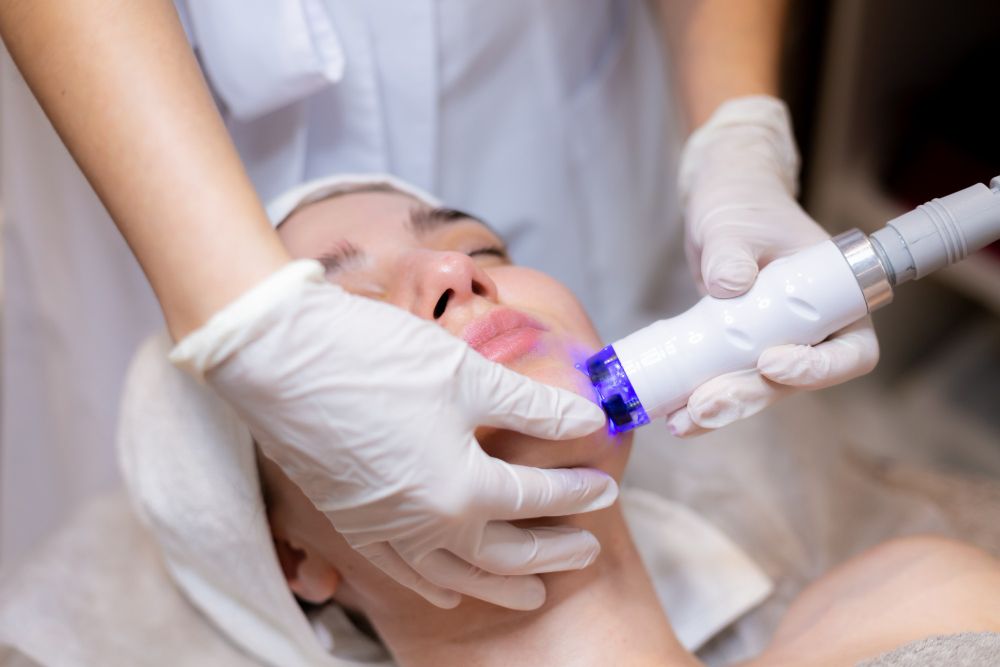
The R6 treatment combines medical-grade radiofrequency technology with red and blue light, targeting multiple skin layers to achieve:
• Stimulation of collagen production and tightening of loose under-eye skin • Enhanced blood circulation and lymphatic drainage to reduce pigmentation and edema • Improvement of eye bags, fine lines, and dark circles
Compared with surgery or injections, the R6 treatment is non-invasive, painless, and requires no downtime. It is especially suitable for individuals with mild to moderate eye bags, eyelid sagging, or eye-area laxity who prefer a safe alternative. Click the link below to learn more about the Perfect Medical R6 Miracle Eye Rescue Treatment, including pricing. Simply complete a one-minute form to enjoy our frequent first-time free trial offers.
免費體驗
R6 Miracle Eye Rescue Treatment
1 Minute Self-Registration
Date should not be before minimal date
FAQ

Why do my eyes look swollen after waking up?
This is often caused by excessive water intake or salty foods before sleep, leading to fluid retention.
Does a stye always require medical treatment?
Small styes may resolve with warm compresses and antibiotic ointment. Larger or persistent styes should be evaluated by a doctor.
What is the difference between dark circles and eye bags?
Dark circles are caused by pigmentation under the eyes, while eye bags result from protruding fat tissue beneath the eyelids.
Can puffy eyes affect vision?
Usually not. However, severe eye conditions or systemic diseases may impact vision.
How can puffy eyes be prevented?
Maintain adequate sleep, avoid excessive fluids before bedtime, eat a low-sodium diet, and avoid rubbing the eyes.